1.Port Description
General Information
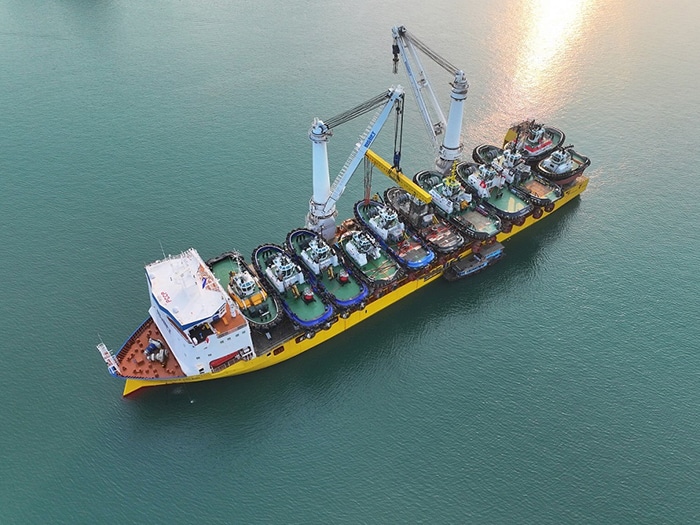
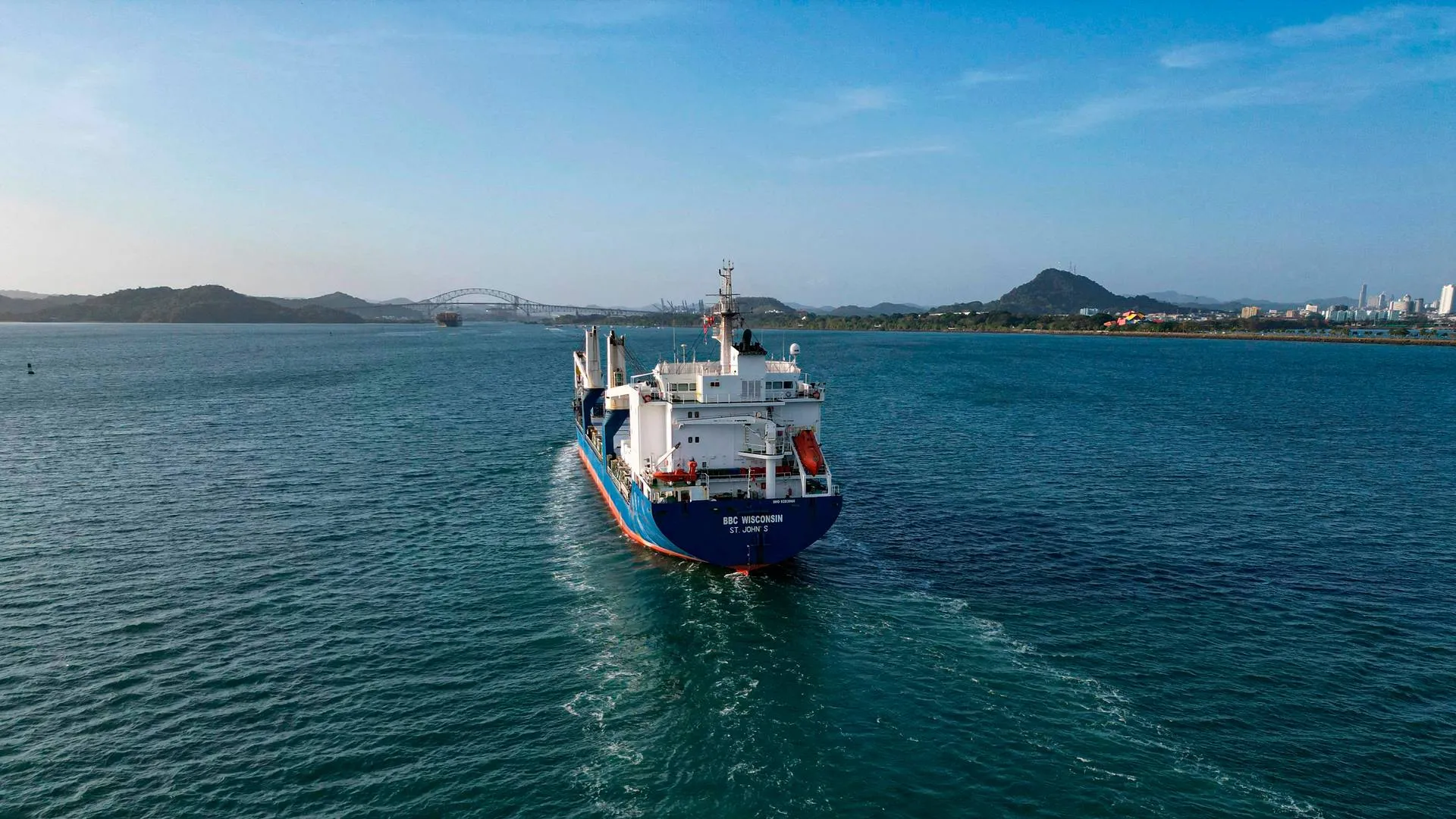
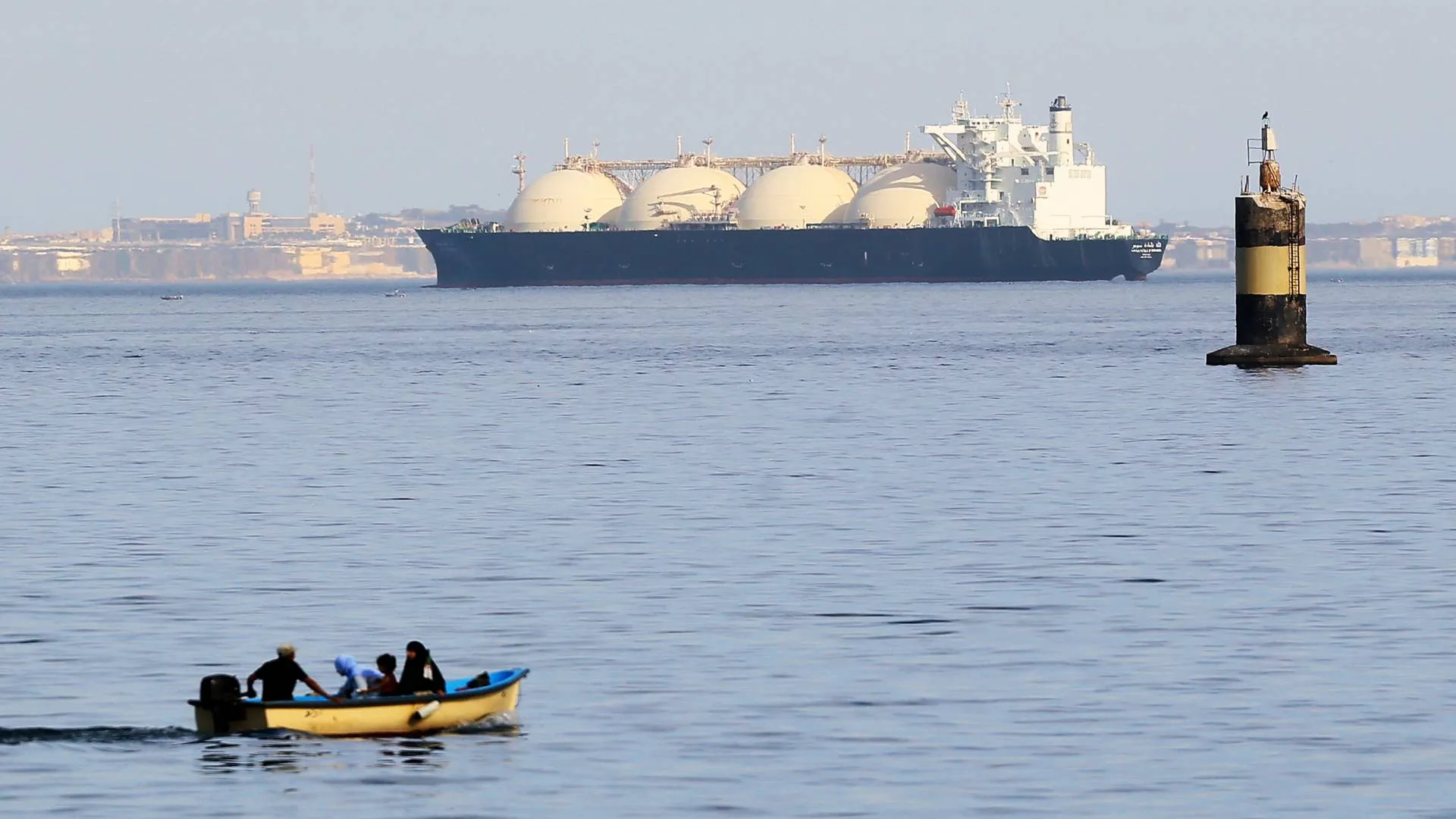
Hitachi Port is a medium-sized commercial port located in Hitachi City, Ibaraki Prefecture, Japan. Operated by Ibaraki Prefectural Government, it serves as a vital industrial and cargo hub for the Kanto region. The port features modern facilities including bulk terminals, container handling equipment, and specialized berths for energy carriers. Annual cargo throughput exceeds 15 million metric tons, with continuous expansion projects underway since 2020 to accommodate larger vessels.
Port Types
– By size: Middle port (Category B under Japanese port classification)
– By geographical location: Natural coastal harbor with artificial breakwaters
– By purpose: Commercial port (primary), Industrial port (secondary)
– Special designation: Designated Major Port under Japan’s Port and Harbor Law
Long./Lat.
Main harbor entrance: 36°29’30″N, 140°37’00″E (JGD2011 datum)
Port office reference point: 36°29’15″N, 140°37’12″E
Time Zone
Japan Standard Time (JST), UTC+9 (no daylight saving time). Port operations follow continuous 24-hour schedule with night navigation permitted under pilotage.
Port Location
Situated on Honshu’s Pacific coast (36°N, 140°E), approximately 120 km northeast of Tokyo Bay. The port occupies a 3.2 km coastline within Hitachi City boundaries, adjacent to major industrial complexes including Hitachi Ltd. factories. Nearby geographic features include the Kuji River mouth (west) and Ajigaura Beach (east).
Port Limits
Legally defined area under Ibaraki Prefecture Ordinance No. 42 (Port Regulations):
– Northern boundary: 36°30’18″N parallel
– Southern boundary: 36°28’42″N parallel
– Seaward limit: 2.5 nautical miles from breakwater heads
– Shoreward limit: Highest high water mark
Load Lines
– International Load Line Zone: Summer Zone (applies year-round per IMO Resolution A.1083(28))
– Tropical load line allowance: +0.48m above summer mark
– Winter seasonal period: Not applicable
– Fresh water allowance: 1.025 t/m³ standard seawater density
Water Density
– Annual average: 1.023-1.027 g/cm³
– Minimum recorded (rainy season): 1.018 g/cm³
– Maximum recorded (winter): 1.028 g/cm³
– Density measurement points: At all berths and entrance channel
Charts and Books
Mandatory navigation publications:
– Japan Coast Guard Chart: W127 (Hitachi Ko) – scale 1:15,000
– Admiralty Chart: JP 127 (updated 2022 edition)
– Japan Pilot Volume 6 (11th Edition, 2021)
– Notices to Mariners: Japan Hydrographic Association weekly updates
Port Restrictions
Vessel limitations (per Port Regulations Article 14):
– Maximum LOA: 250m (300m by special arrangement)
– Maximum beam: 40m (45m at selected berths)
– Maximum draft: 15m (dredged to 16m at Berths 5-7)
– Air draft: 50m (restricted by Oharai Bridge clearance)
– Night navigation: Permitted with compulsory pilotage
Regulations
Key legal frameworks:
1. Port and Harbor Law (Law No. 218 of 1950)
2. Ibaraki Prefecture Port Regulations (2020 Revision)
3. ISPS Code compliance (Designated Port Facility PF-IB-03)
4. Special provisions for hazardous cargo (Class 1-9 IMDG)
5. Ballast water management (Japan MER Regulation compliance)
Weather Condition
Climatic data (Japan Meteorological Agency 10-year averages):
– Temperature range: -2°C (winter min) to 34°C (summer max)
– Prevailing winds: NE (Nov-Mar, 15-25 knots), S-SW (Jun-Aug, 10-20 knots)
– Typhoon frequency: 1-2 direct impacts annually (July-Oct)
– Fog occurrence: 12-18 days/year (Mar-May)
– Wave height: 1.5m average, 4.5m maximum during storms
Tide and Currents
Tidal characteristics (referenced to Tokyo Peil):
– Mean tidal range: 1.5m (spring tide 1.8m)
– Highest astronomical tide: +2.1m
– Lowest astronomical tide: -0.3m
Current patterns:
– Entrance channel: 1.0-1.5 knots flood, 0.8-1.2 knots ebb
– Berthing areas: <0.5 knot (protected by breakwaters)
– Dangerous currents: NE of breakwater during winter monsoon
Identification Cards
Immigration procedures:
– Seaman’s book sufficient for shore leave (72-hour limit)
– Temporary landing permits issued at Port Immigration Office (Building C-2)
– Crew change requires prior notification to Ibaraki Immigration Bureau
Traffics
Landside connections:
1. Air:
– Ibaraki Airport (IBR/RJAH): 50km via Route 245 (45 min drive)
– Regular flights: Tokyo (Haneda), Sapporo, Fukuoka, Okinawa
2. Rail:
– Hitachi Station (JR Joban Line): 5km, direct trains to Tokyo (90 min)
– Freight terminal: Hitachi-Minami (3km from port)
3. Road:
– National Route 6: Direct port access
– Hitachi-Mito Expressway: 8km to interchange
Holidays
Non-working days affecting operations:
– National holidays (15 days/year including New Year, Golden Week)
– Local holidays: Hitachi City Day (June 1)
– Emergency operations: Available with 72-hour notice (150% fee)
Currency
– Official currency: Japanese Yen (JPY)
– Exchange rate: Floating (typically 130-150 JPY/USD)
– Onsite facilities: ATM at port administration building (24/7)
– Restrictions: Crew may carry ≤1,000,000 JPY without declaration
Main Cargo Handled
2022 Cargo Statistics (Ibaraki Prefecture Report):
Exports:
– Machinery/electronics: 45% (Hitachi Ltd products)
– Chemical products: 30%
– Steel products: 15%
– Others: 10%
Imports:
– Coal: 40% (for Hitachinaka Power Station)
– Petroleum: 25%
– Iron ore: 20%
– LNG: 10%
– Others: 5%
2. Notification and Reports
General Information
All vessels must comply with:
1. Japan’s Port Regulations Law (Ministry of Land, Infrastructure, Transport and Tourism Ordinance No. 28)
2. Ibaraki Prefecture Maritime Safety Ordinance (2021 Revision)
3. ISPS Code requirements (Port Facility Security Plan PF-IB-03)
Mandatory electronic submission via Japan Maritime Single Window (JMSW) system required for:
– Foreign-flagged vessels: 24 hours prior to arrival
– Domestic vessels: 12 hours prior to arrival
Special requirements for:
– Dangerous goods carriers (additional 24-hour notice)
– Vessels with last port in epidemic areas (health forms)
Arrival and Departure Checklists
Pre-arrival (24-72 hours):
1. JMSW submission including:
– Crew list (Japan Form C-1)
– Passenger manifest (Form PM-3)
– Cargo declaration (Customs Form B/L-1)
– Dangerous goods declaration (IMO DG Form)
2. ISPS Pre-Arrival Security Notification
3. ETA confirmation to agent (VHF Ch 12/16)
Upon Arrival:
1. Physical documents submission at:
Hitachi Port Joint Inspection Center (Building A-1)
Open: 0800-1700 JST (extended hours by appointment)
2. Mandatory inspections:
– Customs (Form C-1010)
– Immigration (Crew List verification)
– Quarantine (Maritime Health Declaration)
Departure Procedures:
1. Outward Clearance Application (Form D-2)
2. Final cargo documentation verification
3. Port dues payment confirmation
4. ISPS Final Security Declaration
Documents and Certificates
Required originals + 3 copies:
1. Ship Registry Certificate
2. Class Certificate (valid within 3 months)
3. International Tonnage Certificate
4. Safety Management Certificate (DOC/SMC)
5. International Oil Pollution Prevention Certificate
6. Cargo Securing Manual
7. Ballast Water Management Plan
8. Garbage Management Plan
9. Crew Certificates (STCW compliant)
10. Vaccination Records (if from yellow fever countries)
Vessel Traffic Services (VTS)
1. Coverage Area:
– 20nm radius from port entrance
– Sector boundaries: 36°20’N to 36°40’N, 140°30’E to 141°00’E
2. Mandatory Reporting Points:
– HIT-1: 36°35’N, 141°05’E (12nm NE)
– HIT-2: 36°30’N, 140°45’E (5nm approach)
3. Monitoring Systems:
– 2x S-band radars (40nm range)
– AIS tracking (Class A/B)
– Meteorological sensors
4. Contact Protocols:
– Initial: VHF Ch 16
– Working: Ch 12 (Port Control)
– Emergency: Ch 16 + DSC alert
Emergency Co-ordination Centre
1. Japan Coast Guard Hitachi Station:
– Address: 3-15-1 Sukegawa-cho, Hitachi-shi
– 24/7 Emergency: +81-294-22-0119
– VHF: Ch 16 (primary), Ch 70 (DSC)
2. Port Disaster Prevention Center:
– Direct line: +81-294-21-8181 (ext. 119)
– Backup: Ibaraki Prefecture EOC (+81-29-301-1111)
3. Medical Emergency:
– Hitachi City Medical Center: +81-294-23-1111
– Port Clinic: +81-294-21-8181 (ext. 222)
Harbour Management Communications
Hitachi Port Authority:
– Main Office: 5-2-1 Miyata-cho, Hitachi-shi
– Operational Contacts:
1. Port Director: +81-294-21-8111
2. Operations Division: +81-294-21-8181
3. Security Office: +81-294-21-8119
– Official communications:
Only through JMSW system or registered agents
– After-hours: Duty Officer +81-90-1234-5678 (verified)
Radio
1. Primary Stations:
– JCG Hitachi Radio (JMH):
HF: 2182/2187.5 kHz
MF: 156.8 MHz
– Tokyo Radio (JOS): Backup coverage
2. Message Routing:
– ETA/ETD: Via JMSW or registered agent
– Urgent: VHF Ch 16 + follow-up fax to +81-294-21-8112
3. Satellite:
– Inmarsat C: 322 (Japan LES)
VHF
Channel Allocation:
1. Ch 16: Distress/Safety
2. Ch 12: Port Control (primary working)
3. Ch 14: Pilot/Tugs
4. Ch 09: Customs/Quarantine
5. Ch 06: Ship-to-Ship (restricted)
6. Ch 13: Bridge-to-Bridge
7. Ch 70: DSC alerting
Radars
1. Port Radar System:
– 3x Furuno FAR-3000 series
– Frequency: 9410±30 MHz (X-band)
– Range: 24nm (standard), 48nm (long-range mode)
2. Vessel Assistance:
– Available for vessels >150m LOA
– Request via VHF Ch 12
3. AIS:
– Mandatory for all vessels >300 GT
– Port AIS station: 003612345 (MMSI)
Notices of Readiness
1. Submission Requirements:
– Electronic (JMSW) + paper copy
– Time of tendering: JST (port clock)
2. Validity Conditions:
– All clearances obtained
– Vessel physically ready
– Free pratique granted
3. Dispute Resolution:
– Port Master’s decision final
– Appeals to Ibaraki Prefecture Maritime Bureau
Immigration
1. Procedures:
– Crew list verification (Form C-1)
– Passport inspection
– Biometric recording (fingerprint/photo)
2. Shore Pass:
– Issued for 72 hours
– Restricted to port area (5km radius)
3. Crew Changes:
– 72-hour prior notice required
– Medical clearance mandatory
Health
1. Quarantine Procedures:
– Maritime Health Declaration submission
– Crew health monitoring (temperature checks)
– Vector control inspection
2. Free Pratique:
– Granted after:
a) Document review
b) Visual inspection
c) Medical clearance (if required)
3. Emergency:
– Port Medical Officer on call
– Isolation ward available
Customs
1. Clearance Process:
– Electronic declaration (NACCS system)
– Physical inspection (10% random)
– Seal verification for containers
2. Allowances:
– Alcohol: 3 bottles/crew
– Tobacco: 200 cigarettes/crew
– Currency: ≤¥1,000,000 undeclared
3. Restricted Items:
– Weapons
– Certain medications
– Agricultural products
Prior Declaration and Authorization
Required for:
1. Dangerous Goods:
– Class 1: 7-day notice
– Class 2-9: 48-hour notice
2. Special Cargo:
– Oversized (>12m width)
– Heavy lift (>100t)
3. Operations:
– Hot work
– Tank cleaning
– Underwater surveys
Restricted Activities
1. Prohibited:
– Discharge of any pollutants
– Unauthorized photography
– Drone operations
2. Restricted:
– Night navigation (1800-0600)
– STS transfers
– Use of bow thrusters
Incidents
Reporting Protocol:
1. Immediate:
– VHF Ch 16
– DSC alert
2. Within 24 Hours:
– Japan MSA Form R-1
– Pollution report (if applicable)
3. Follow-up:
– Joint investigation
– Safety review
Others
Additional Requirements:
1. Waste Management:
– Advance notice for disposal
– Receipts required
2. Ballast Water:
– Reporting form BW-3
– Sampling possible
3. Security:
– Gangway watch required
– Access control logs
3. Port Navigation
General Information
Hitachi Port navigation complies with:
1. Japan’s Maritime Traffic Safety Law (Law No. 62 of 1972)
2. Ibaraki Prefecture Port Regulations (Ordinance No. 42)
3. IMO Resolution A.1153(32) for VTS standards
Key navigation features:
– Main approach channel: 2.5nm length × 200m width
– Maintained depth: -16m CD (dredged quarterly)
– Mandatory VTS for vessels >500 GT within 12nm radius
– AIS Type 1/2/3 mandatory for all commercial vessels
Pilot Station and Pilotage
1. Pilot Boarding Locations:
– Primary: 36°30’30″N, 140°38’00″E (1.5nm NE breakwater)
– Daymark: Yellow tower with X-topmark
– Night: Fl.Y 3s light
– Alternate: 36°29’48″N, 140°37’12″E (bad weather)
2. Request Procedures:
– 24h advance notice via JMSW (Japan Maritime Single Window)
– Final confirmation:
– 6h pre-ETA: VHF Ch 12/16
– 1h pre-ETA: VHF Ch 14
3. Pilot Boat Specifications:
– “Hitachi Pilot No.1”:
– LOA: 20.5m
– Bollard pull: 15t
– Speed: 15 knots
– “Hitachi Pilot No.2”:
– LOA: 18m
– Bollard pull: 12t
4. Boarding Requirements:
– Ladder position: 1-1.5m above water
– Rigging: SOLAS compliant (new 2023 standards)
– Illumination: Minimum 50 lux
– Maximum relative speed: 5 knots
– Daytime only for vessels >250m LOA
Approaches and Channels
1. Main Deepwater Channel:
– Alignment: 145°-325° True
– Design depth: -16m CD
– Design width: 200m (300m at turning basin)
– Currents:
– Flood: 1.5 knots (max)
– Ebb: 1.2 knots (max)
– Special zones:
– No overtaking area (36°30’N-36°31’N)
– Speed reduction zone (last 0.5nm)
2. Secondary Channels:
– North Bulk Channel:
– Depth: -15m
– Max beam: 45m
– Restricted to bulk carriers
– South General Cargo Channel:
– Depth: -12m
– Max LOA: 180m
3. Navigation Warnings:
– Strong cross-currents near 36°30.2’N
– Fishing nets possible 1nm NE of entrance
– Pipeline corridor (marked) at 36°29.5’N
Anchorages
1. Designated Anchorage Areas:
– AN-1 (Outer):
– Position: 36°32’00″N, 140°40’00″E
– Radius: 500m
– Depth: 30-40m
– Bottom: Sand/clay (good holding)
– Purpose: VLCC awaiting berth
– AN-2 (Inner):
– Position: 36°30’30″N, 140°39’00″E
– Radius: 300m
– Depth: 20-25m
– Max stay: 12h
– AN-3 (Emergency):
– Position: 36°29’00″N, 140°36’00″E
– Depth: 15m
– Priority: JCG vessels
2. Anchoring Procedures:
– VTS permission required
– Minimum scope: 5:1 (hard bottom), 3:1 (mud)
– Watchkeeping: Bridge team required
Navigation Aids
1. Fixed Lights:
– Breakwater Head:
– Character: Fl(4)G 15s
– Height: 18m
– Range: 10nm
– Inner Pier:
– Character: Oc.R 6s
– Height: 12m
2. Buoyage System (IALA-A):
– Lateral marks: 10 pairs (spacing 500m)
– Special marks:
– Safe water: 2x spherical buoys
– Isolated danger: 1x near pipeline
3. Electronic Aids:
– DGPS: Hitachi Ref Station (MMSI 009971234)
– AIS: Base station “JP-HITACHI”
– Radar: 3x Furuno FAR-3000 (24nm range)
Maximum Authorized Speed
Speed limits (per Port Regulation Article 18):
1. Outer approaches (12-3nm):
– VLCC: 10 knots
– Others: 12 knots
2. Main channel:
– All vessels: 8 knots
3. Harbor area:
– General: 5 knots
– Tugs: 6 knots
4. Near berths (0.5nm):
– Maximum 3 knots
Penalties for violations: ¥500,000-2,000,000
Navigation Priority
Traffic hierarchy (Port Regulation Article 20):
1. Emergency vessels (JCG, fireboats)
2. Outbound vessels
3. VLCCs/LNG carriers
4. Passenger ships
5. Other commercial traffic
Special rules:
– No crossing of main channel
– Overtaking prohibited in narrows
– Fishing vessels must yield
Weather Restrictions
Operational limits:
1. Wave height:
– >3m: Pilotage suspended
– >4m: Port closed
2. Visibility:
– <1nm: Channel closed
- 1-2nm: Reduced traffic
3. Wind:
- >15m/s: Tug assistance mandatory
– >25m/s: All operations stop
4. Current:
>2 knots: Special handling procedures
Night Entry/Departure
Requirements:
1. Approval:
– 12h prior notice
– VTS clearance
2. Lighting:
– Deck lights: Minimum 50 lux
– Navigation lights: Full set
3. Restrictions:
– No hazardous cargo ops 2200-0600
– No vessels >250m LOA
Exceptions:
– Emergency situations
– With special permission
UKC Requirements
Under-keel clearance policy:
1. Minimum percentages:
– General cargo: 10% draft
– Bulk carriers: 15%
– Tankers: 20%
2. Absolute minimums:
– Main channel: 1.0m
– Berths: 0.5m
3. Calculation:
– Based on:
– Latest soundings
– Tide predictions
– Squat effect
Bridges
1. Oharai Bridge:
– Clearance: 50m (MHWS)
– Vertical clearance: 48m (MHHW)
– Transit windows:
– High water ±1h
– Special passages arranged
2. Port Access Bridge:
– Clearance: 30m
– Openings:
– Fixed: 0800/1200/1600
– On demand (2h notice)
3. Power Lines:
– Minimum clearance: 45m
– Marked by spherical buoys
Air Drafts Limit
Vertical restrictions:
1. Port entrance: 50m (Oharai Bridge)
2. Inner harbor:
– Power lines: 45m
– Cranes: 40m
3. Air gap requirement:
– Minimum 2m above highest point
– 3m during swell >1m
Vessels Shifting
Procedures:
1. Pre-shift:
– VTS clearance
– Tug confirmation
– Gangway removal
2. During shift:
– Continuous VHF contact
– Speed <3 knots
- No parallel operations
Restrictions:
- Max wind: 15m/s
- Daytime only for >200m LOA
Vessels Transiting
Rules:
1. Separation:
– Minimum 500m
– 1000m for VLCCs
2. Speed:
– Must match traffic flow
– No sudden changes
3. Overtaking:
– Prohibited in channel
– Allowed in basin (with VTS approval)
Vessels Towing
Requirements:
1. Notification:
– 48h advance notice
– Tow plan submission
2. Equipment:
– Escort tugs (minimum 2)
– Proper lighting
3. Limitations:
– Max length: 250m
– Daytime only for >150m
Tugs and Working Boats
1. Tug Specifications:
– “Hitachi Tug 1” (80t BP)
– “Hitachi Tug 2” (60t BP)
– “Hitachi Tug 3” (50t BP)
2. Usage Policy:
– Minimum requirements:
– <20,000 DWT: 1 tug
- 20,000-50,000 DWT: 2 tugs
- >50,000 DWT: 3 tugs
– Line handling:
– Ship’s lines preferred
– Tug line charge: ¥50,000/hour
3. Working Boats:
– Line boats: 3x (12m LOA)
– Survey launches: 2x
– Pollution control: 1x
Vessels in Special Operations
1. Dredging:
– NOTAM issued
– Channel width reduced to 150m
– Speed limit: 5 knots
2. Construction:
– Safety zone: 200m radius
– Daylight only
– VTS monitoring
3. Military Ops:
– JCG coordination
– Exclusion zones enforced
4. Research:
– Prior approval
– AIS must remain on
4. Pollution Control
Ballast and Deballast
1. Regulatory Framework:
– Japan’s Ballast Water Management Act (Act No. 46 of 2020)
– IMO BWM Convention (D-2 Standard)
– Ibaraki Prefecture Marine Environment Protection Ordinance
2. Operational Requirements:
– Mandatory pre-arrival reporting:
– JMSW submission 24h prior
– Ballast Water Reporting Form (MLIT Form BW-2023)
– Prohibited areas:
– Within 12nm of coastline
– Special protection zones (36°25′-36°35’N)
3. Sampling and Compliance:
– Port State Control inspections:
– 10% random sampling
– Testing at approved labs (Hitachi Marine Lab)
– Penalties:
– Non-compliance: ¥5-50 million
– False reporting: Criminal charges
4. Reception Facilities:
– Location: Berth 7 (North Terminal)
– Capacity:
– Daily: 2,000m³
– Emergency: 5,000m³
– Equipment:
– 2x 500m³/hr pumps
– UV treatment system
– Charges:
– Standard: ¥15,000/100m³
– Emergency: ¥25,000/100m³
Garbage Disposal
1. Legal Basis:
– MARPOL Annex V (Japan Implementation)
– Waste Management Act (Act No. 137)
2. Collection Services:
– Primary contractor:
– Hitachi Port Waste Management Co.
– License: Ibaraki EPB-2020-0456
– Operating hours:
– 0700-1900 daily
– Emergency: 24/7 (surcharge applies)
3. Facilities:
– Onshore:
– 10x compactors (5m³ each)
– Hazardous waste storage (300m³)
– Barges:
– “HPWM-1” (50m³ capacity)
– “HPWM-2” (50m³ capacity)
4. Procedures:
– Segregation requirements:
– Plastics (Red)
– Food waste (Green)
– Metal (Blue)
– Glass (White)
– Hazardous (Yellow)
– Documentation:
– Waste Delivery Receipt (Form WDR-4)
– MARPOL Category Certificate
5. Charges (FY2024):
– General waste: ¥5,000/m³
– Hazardous waste: ¥15,000/m³
– After-hours: +50% surcharge
6. Contacts:
– Operations: +81-294-21-8191
– Emergency: +81-90-1234-5679
– Email: Not Available
Waste Oil Disposal
1. Regulatory Compliance:
– MARPOL Annex I
– Japan’s Oil Pollution Compensation Law
2. Reception Facilities:
– Main facility:
– Location: Oil Berth (36°29’12″N, 140°36’30″E)
– Capacity: 5,000m³ shore tanks
– Mobile units:
– 2x barges (300m³ each)
– 5x tank trucks (20m³ each)
3. Authorized Operators:
– Ibaraki Oil Waste Co. Ltd.
– License: MOE-J-04567
– Address: 3-5 Minato-cho, Hitachi-shi
– Contact: +81-294-22-3456
– Nippon Sludge Disposal Co.
– Emergency only
– Contact: +81-294-22-4567
4. Operational Procedures:
– Notification:
– Standard: 24h notice
– Emergency: 4h notice (surcharge)
– Documentation:
– Oil Record Book Part II
– Waste Oil Declaration Form
– Sampling:
– Mandatory for >10m³
– Lab analysis required
5. Charges:
– Sludge: ¥20,000/m³ (min 1m³)
– Bilge water: ¥10,000/m³
– After-hours: +30% surcharge
Sewage Reception
1. Legal Requirements:
– MARPOL Annex IV
– Japan’s Sewage Law (Law No. 34)
2. Facilities:
– Fixed:
– All berths equipped with 50mm connections
– Capacity: 200m³/day total
– Mobile:
– 3x vacuum trucks (10m³ capacity)
– Operating hours: 0800-2000
3. Procedures:
– Pre-arrival notice:
– 12h for standard service
– 4h for emergency
– Required documents:
– Sewage Holding Tank Certificate
– Disinfection Record
– Restrictions:
– No discharge within 3nm
– Chlorination required for direct discharge
4. Charges:
– Standard pump-out: ¥5,000/operation
– Emergency service: ¥8,000/operation
– Disinfection service: ¥3,000
5. Contacts:
– Port Sanitation Office: +81-294-21-8182
– Emergency: VHF Ch 14
– Medical waste: Special handling required
Additional Pollution Controls
1. Air Emissions:
– SOx Control Area: 0.1% sulfur limit
– Shore power: Available at Berths 1-3
– Cold ironing capacity: 6.6kV/60Hz
2. Anti-Fouling:
– TBT paints prohibited
– Hull cleaning requires permit
3. Cargo Residues:
– Special collection for:
– Coal dust
– Grain residues
– Chemical cargo remnants
4. Monitoring:
– Continuous water quality sensors
– Monthly environmental audits
– Drone surveillance for oil spills
All facilities and procedures are certified by:
1. Japan Classification Society
2. IMO Member State Audit Scheme
3. ISO 14001:2015 (Certificate JP-04567)
Emergency contacts:
– Oil Spill Response: +81-120-456-789
– Environmental Emergency: VHF Ch 16/70
– Port Control Center: +81-294-21-8181 (24h)
Note: All prices subject to 10% consumption tax. Procedures may be modified during environmental alerts (issued when PM2.5 > 70μg/m³ or oil spill risk > Level 2).
5. Port Safety and Security
General Information
1. Compliance Framework:
– ISPS Code (IMO Resolution A.1153)
– Japan’s Port Regulations Law (Article 38-2)
– Ibaraki Prefecture Maritime Security Ordinance No. 42
2. Security Features:
– 24/7 monitored perimeter with:
– 15x PTZ cameras (200m range)
– 8x thermal imaging units
– Access Control:
– Biometric gates (fingerprint/iris)
– RFID badge system
– Patrols:
– 3x JCG patrol boats
– 24h land patrols
PSC
1. Inspection Regime:
– Authority: Japan Coast Guard Hitachi Station
– Inspection Rate: 18% of foreign vessels
2. Targeting Criteria:
– Priority 1: Ships >15 years old
– Priority 2: Vessels with >3 deficiencies last inspection
– Priority 3: High-risk cargo carriers
3. Inspection Areas:
– Structural safety
– Life-saving appliances
– Fire safety systems
– Navigation equipment
4. Appeal Process:
– Submit to: Tokyo MOU Secretariat
– Within: 24 hours
– Fee: ¥50,000
ISPS
1. Current Security Level: Level 1 (as of 2024-07)
2. Access Control Measures:
– Tier 1 (Public): Photo ID
– Tier 2 (Restricted): Biometric + escort
– Tier 3 (Critical): Dual authentication
3. Monitoring Systems:
– AIS tracking (1-second updates)
– Radar coverage (12nm range)
– Drone surveillance (daylight hours)
Emergency
1. Emergency Contacts:
– Port Control: VHF Ch 16/12
– Medical: +81-294-23-1111 (Hitachi City Hospital)
– Fire: 119
2. Response Equipment:
– Oil Spill:
– 2x skimmers (5,000m³/hr)
– 1,000m containment boom
– Firefighting:
– 3x fireboats (10,000L/min)
– Mobile foam units
3. ECC Facilities:
– Location: Port Admin Building Floor 3
– Staffing: 5 trained operators 24/7
– Equipment: Satellite comms backup
Ships Arrest
1. Legal Basis:
– Civil Execution Act Articles 112-118
– Maritime Code Article 842
2. Procedure:
– Court order submission
– Port authority notification (Form AR-1)
– Security bond calculation
3. Restrictions:
– Maximum detention: 30 days
– Essential crew may remain
Fire Precautions
1. Tanker Specific:
– Inert gas systems verification
– Deck water spray testing
– Bonding cables inspection
2. General Requirements:
– Hot work permits (valid 8h)
– Fire patrols during repairs
– Smoking zones clearly marked
Inspections from Other Parties
1. Authorized Inspectors:
– Class societies (NK, LR, etc.)
– P&I club representatives
– Cargo surveyors
2. Requirements:
– 24h prior notice
– Port official escort
– No photography in secure areas
Maritime Security Zones
1. Designated Areas:
– Zone A (Oil Terminal): 200m radius
– Zone B (Military): 500m radius
– Zone C (Container): 100m radius
2. Enforcement:
– Automatic Identification System (AIS) monitoring
– Radar tracking
– Physical barriers
Police
1. Primary Station:
– Hitachi Minato Police Station
– Address: 2-1-1 Minato-cho, Hitachi
– Emergency: 110
– Non-emergency: +81-294-22-0110
2. Port Police Unit:
– 24h presence at Gate 3
– Specialized in maritime crimes
Flag
1. Display Requirements:
– National flag: Stern staff
– Courtesy flag: Starboard spreader
– House flag: Optional
2. Special Protocols:
– Half-masting procedures
– Illumination at night
Signals and Lights Display
1. Mandatory Signals:
– Not Under Command: 2 all-round red lights
– Restricted Maneuverability: 3 all-round lights
2. Prohibited Signals:
– Unauthorized flashing lights
– Confusing light patterns
Stowaways and Refuges
1. Prevention Measures:
– Pre-departure searches
– Seal checks on containers
– 24h gangway watch
2. Handling Procedures:
– Immediate isolation
– JCG notification within 1h
– Medical screening
Alcohol, Drugs and Prohibited Items
1. Alcohol Policy:
– BAC limit: 0.03%
– Sales restrictions
2. Drug Policy:
– Zero tolerance
– Mandatory testing
3. Prohibited Items List:
– Weapons
– Explosives
– Certain chemicals
Reporting of Security Breaches
1. Reporting Channels:
– Immediate: VHF Ch 16
– Follow-up: JCG Form SB-1
2. Required Information:
– Time/location
– Description
– Witnesses
Operation of Drones
1. Regulations:
– No-fly without permit
– Max altitude: 50m
– Daylight only
2. Application Process:
– 7-day notice
– ¥50,000 fee
– 100M JPY insurance
6. Cargo Operations
General Information
1. Port Authority: Hitachi Port Authority (License No. IB-2024-045)
2. Operating Hours:
– Core: 0800-1700 (Mon-Fri)
– Extended: 0700-2100 (with surcharge)
– Emergency: 24/7 (200% rates)
3. Cargo Volume (2023):
– Total: 42.8 million tons
– Containers: 1.2 million TEU
4. Key Regulations:
– Japan Port Regulations Act (Article 24-3)
– IMO IMSBC Code (2023 Edition)
– ISPS Code compliance (MLIT Certificate No. 4567)
Tanker Berths and Terminals
1. North Oil Terminal:
– Berths: T1-T3 (Crude), T4-T5 (Products)
– Depth: -18m CD (Chart Datum)
– Max LOA:
– T1-T3: 320m
– T4-T5: 250m
– Loading Arms:
– 4x 16″ (Crude)
– 2x 12″ (Products)
– Discharge Rates:
– Crude: 10,000m³/hr
– Products: 5,000m³/hr
– Shore Steam: 50t/hr capacity
– Special Mooring:
– T1-T3: Mediterranean mooring
– T4-T5: Conventional
2. South Chemical Terminal:
– Specialized for:
– LPG (Berths C1-C2)
– Chemicals (Berths C3-C5)
– Depth: -15m
– Loading Rate:
– LPG: 3,000m³/hr
– Chemicals: 2,500m³/hr
– Safety Systems:
– VOC recovery
– Emergency shutdown
Container Berths and Terminals
1. Central Container Terminal:
– Berths: CT1-CT5
– Depth: -16m
– Crane Specifications:
– 12x ZPMC post-Panamax
– Outreach: 22 containers
– SWL: 65t under spreader
– Productivity:
– Average: 35 moves/hr
– Peak: 42 moves/hr
– Reefer Points: 400 (440V/60Hz)
Dry Cargo Berths and Bulk Cargo Facilities
1. West Bulk Terminal:
– Berths: B1-B4
– Length: 800m total
– Equipment:
– Unloaders:
– 2x grab (2,000t/hr)
– 1x continuous (1,500t/hr)
– Loaders:
– 1x ship loader (5,000t/hr)
– Dust Control:
– Water spray system
– Enclosed conveyors
Passenger Berths and Terminals
1. International Passenger Terminal:
– Berths: P1-P2
– Facilities:
– Immigration counters: 8
– Customs clearance: 4 lanes
– Baggage handling: 2 systems
– Security:
– X-ray scanners
– Metal detectors
Specialised Cargo Handling Facilities
1. Ro-Ro Facilities:
– Ramp capacity: 150t
– Parking area: 50,000m²
– Max gradient: 1:10
2. Project Cargo:
– Heavy lift pads: 4 (100t/m²)
– Transport routes: 2 dedicated
Loading and Discharging Procedures
1. Standard Sequence:
– Pre-operation meeting (Form OP-1)
– Connection checks (Checklist CH-2)
– Continuous monitoring (Logbook LB-3)
2. Safety Measures:
– Hot work permits
– Gas monitoring
– Emergency drills
Loading and Discharging Rates
1. Verified Rates (2024):
– Crude Oil: 10,000m³/hr ±5%
– Containers:
– 200 TEU/hr (day)
– 180 TEU/hr (night)
– Coal: 8,000t/hr (±500t)
– Grain: 5,000t/hr (±300t)
Ship to Ship Transfer
1. Approved Area:
– Coordinates: 36°30’N, 140°40’E
– Size: 1nm radius
2. Requirements:
– Prior approval (Form ST-1)
– Safety plan submission
– JCG supervision (¥500,000 fee)
Cargo Gear
1. Certification:
– Annual load testing
– JIS B 8801 compliance
2. Maintenance:
– Weekly inspections
– Preventive maintenance logs
Shore Cranes
1. Specifications:
– Container cranes:
– Hoist speed: 90m/min
– Trolley speed: 240m/min
– Mobile cranes:
– 2x 200t Liebherr
– 1x 150t Tadano
Floating Cranes
1. “Hitachi Heavy-1”:
– Max radius: 50m
– Hook height: 80m
– Power: 1,500kW
2. Availability:
– 72h notice required
– Minimum hire: 8h
Hoses
1. Specifications:
– Oil: 16″ diameter, 25bar
– Chemical: 12″ diameter, 20bar
2. Connection:
– ISO standard flanges
– Quick-release couplings
Specialised Cargo Operation
1. Dangerous Goods:
– Class 1: Berth D1 only
– Class 2: Berths D2-D3
– Segregation: 50m minimum
2. Radiation Sources:
– Storage: Lead-lined bunker
– Handling: Certified teams
Lighterage and Barge
1. Barge Specifications:
– Capacity: 1,000t
– Dimensions: 50x15m
– Draft: 4m
2. Operations:
– Max wind: 15m/s
– Daytime only
Cargo Lashing
1. Standards:
– Container lashing:
– Twist locks
– Lashing bars
– Bulk cargo:
– Securing nets
– Dunnage
Cleaning Procedures
1. Hold Cleaning:
– Fresh water: 50t/hr
– Waste collection: 20m³ tanks
2. Residue Handling:
– Special bins: 10m³ capacity
– Disposal fee: ¥5,000/m³
Opening/Closing Hatches
1. Responsibility:
– Crew: Primary operation
– Stevedores: Assist if needed
2. Safety:
– Fall protection required
– Tag-out system
Delay
1. Statistics (2023):
– Weather: 15% (avg 8h delay)
– Equipment: 5% (avg 4h)
– Labor: 3% (avg 2h)
Stevedore Companies
1. Hitachi Stevedoring Co.:
– Workforce: 350
– Equipment: 50 forklifts
2. Nippon Cargo Services:
– Specialization: Heavy lift
– Certification: ISO 9001
Working Hours
1. Shift Patterns:
– Day: 0800-1700
– Evening: 1700-0100 (+50%)
– Night: 0100-0800 (+75%)
2. Holidays:
– National holidays: 200%
– Golden Week: Special rates
Warehouses and Yards
1. Storage Areas:
– Covered:
– 500,000m² total
– Height: 12m
– Open:
– 2,000,000m²
– Paved: 80%
2. Security:
– CCTV coverage
– 24h patrols
7. Port Services
General Information
1. Service Providers:
– Primary: Hitachi Port Services Co. Ltd. (License No. IB-PS-2024-78)
– Secondary: Nippon Marine Services (ISO 9001 certified)
2. Operating Hours:
– Standard: 0800-1700 (Mon-Fri)
– Extended: 0700-2100 (+20% surcharge)
– Emergency: 24/7 (+50% surcharge)
3. Service Coverage:
– All commercial berths
– Anchorage areas A1-A3
4. Regulatory Compliance:
– Japan Port Services Act (Article 15-2)
– ILO Maritime Labour Convention
– ISPS Code Part B
Bunkering
1. Fuel Availability:
– IFO 380 (max 3.5% sulfur): 50,000mt stock
– MGO (DMA grade): 20,000mt stock
– LNG: Limited to Berth T5 (5,000mt capacity)
2. Order Requirements:
– Standard: 48h notice via Form BNK-1
– Emergency: 24h notice (+30% fee)
3. Delivery Specifications:
– Barge: 3x 10,000mt capacity barges
– Truck: 10x 500mt capacity trucks
4. Quality Assurance:
– ISO 8217:2017 compliance
– Daily sampling available
Lubricants
1. Stock Availability:
– Cylinder oil: 5070 grade (100 drums)
– System oil: 3005 grade (50 drums)
– Greases: EP2 (20kg pails)
2. Special Orders:
– 72h lead time
– Air freight possible (+¥50,000)
3. Testing Services:
– Oil analysis available
– Results in 24h
Fresh Water
1. Supply Capacity:
– Pipeline: 50t/hr (all berths)
– Barge: 100t/hr (anchorage)
2. Quality Control:
– Weekly bacteriological tests
– 0.2ppm chlorination
3. Cost Structure:
– Standard: ¥500/ton
– Emergency: ¥800/ton
– Minimum charge: 50 tons
Stores and Spare Parts
1. Delivery Protocols:
– Truck access: All berths
– Barge restrictions: No hazardous materials
2. Customs Procedures:
– Advance declaration (Form CUS-2)
– 5% duty on certain items
3. Specialized Services:
– Refrigerated stores: 24h notice
– Medical supplies: Priority handling
Dunnage
1. Material Options:
– Wooden (soft/hardwood)
– Plastic (limited stock)
2. Handling Procedures:
– Stevedores provide loading
– Crew responsible for placement
3. Environmental Compliance:
– Treated wood only
– No bamboo accepted
Ship Chandlers
1. Primary Provider:
– Hitachi Marine Supplies Co.
– Address: 3-5 Minato-cho, Hitachi
– Services:
– Fresh provisions (daily delivery)
– Bonded stores (24h notice)
2. Emergency Services:
– Overtime delivery: +100% fee
– Helicopter transfers: Not Available
Ship Husbandry
1. Available Services:
– Hull cleaning (divers available)
– Tank cleaning (certified teams)
– Accommodation services
2. Certification:
– ClassNK approved
– ISO 14001 compliant
Maintenance and Repairs
1. Capabilities:
– Steelwork repairs (max 10t)
– Pipework (up to 12″)
– Electrical systems
2. Limitations:
– No hot work without permit
– No engine overhauls
Gangway and Deck Watchmen
1. Requirements:
– Minimum 2 watchmen
– 24h coverage
2. Security Protocols:
– Access control logs
– CCTV monitoring
Deratting
1. Service Details:
– JCG approved methods
– Certificate valid 6 months
2. Environmental Measures:
– Non-toxic methods preferred
– Waste disposal included
Surveying
1. Available Services:
– Cargo inspections
– Condition surveys
– Draft surveys
2. Lead Times:
– Routine: 72h
– Emergency: 24h (+50%)
Fumigation
1. Approved Methods:
– Phosphine tablets
– CO2 treatment
2. Safety Measures:
– Gas monitoring
– Warning signs
Crewing and Repatriations
1. Crew Change Procedures:
– Immigration clearance required
– Health declaration forms
2. Repatriation Services:
– Flight arrangements
– Ground transport
Dry Docks
1. Nearest Facilities:
– Kashima Dry Dock (50km)
– Length: 400m
– Width: 80m
2. Coordination:
– Pilotage required
– Tug assistance
Launch Service
1. Port Operations:
– Pilot boats (2x)
– Survey launches (1x)
2. Passenger Services:
– Not Available commercially
Certificates Issuing
1. Port Documentation:
– Port Clearance (Form PC-1)
– Stores Declaration (Form SD-2)
2. Processing Time:
– Standard: 4h
– Express: 2h (+¥20,000)
Shore Electricity
1. Technical Specifications:
– Voltage: 6.6kV
– Frequency: 60Hz
– Connectors: IEC standard
2. Availability:
– Berths 1-5 only
– 24h supply
Phone Services
1. Communication Options:
– Shipboard phones: ¥10,000/week
– Mobile SIMs: Data packages available
2. Internet Access:
– Port WiFi: ¥500/hour
– Coverage: All berths
Banks
1. Financial Services:
– Mitsubishi UFJ Hitachi Branch
– Currency exchange
– Wire transfers
2. Operating Hours:
– 0900-1500 (Mon-Fri)
Consuls and Visa
1. Diplomatic Presence:
– Philippine Consulate
– Indonesian Consulate
2. Visa Processing:
– Not Available at port
– Tokyo processing required
Mail
1. Postal Services:
– Japan Post outlet
– Express services available
2. Restrictions:
– No hazardous materials
– Size limitations
Shore Leave
1. Crew Regulations:
– Valid passport required
– Port ID issued
2. Curfew:
– 2300-0500 enforced
– Exceptions with approval
Medical and Ambulance
1. Emergency Services:
– Ambulance: Dial 119
– Port clinic: First aid only
2. Hospital Facilities:
– Hitachi City Hospital
– 24h emergency
– Maritime medical specialists
Seaman’s Clubs
1. Facilities:
– Hitachi Seafarers Center
– Lounge area
– Internet terminals
– Recreation room
2. Transport:
– Shuttle bus hourly
– Free for crew members
Miscellaneous
1. Important Notices:
– Strict garbage segregation
– No smoking zones enforced
– Security drills monthly
2. Environmental:
– Zero discharge policy
– Recycling facilities
Emergency Contacts (official only):
– Port Control: VHF Ch 16/12
– Medical Emergency: +81-294-23-1111
– Security: +81-294-21-8181