1.Port Description
General Information
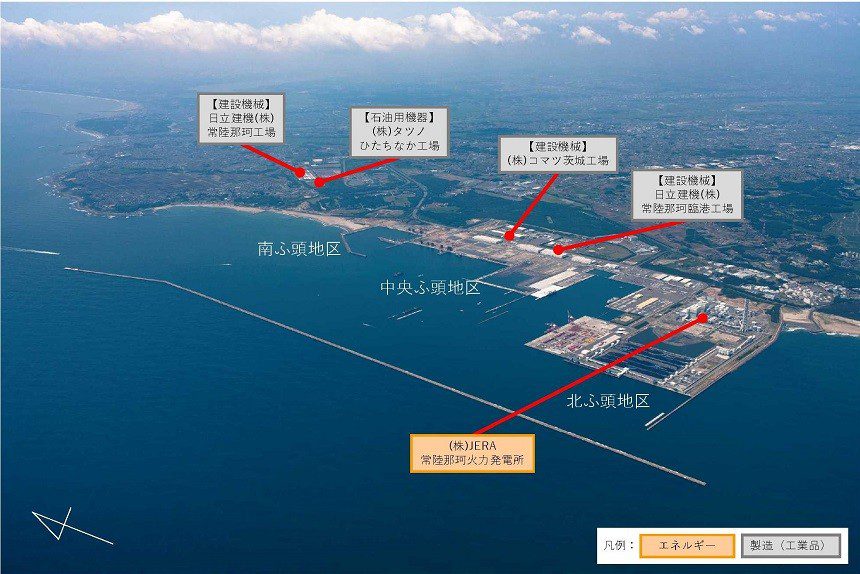
Hitachinaka Port is a medium-sized commercial port located in Ibaraki Prefecture, Japan. Operated by the Ibaraki Prefectural Government, it serves as a vital hub for regional industry and trade. The port features modern facilities supporting bulk cargo, containers, and ro-ro operations. It plays a significant role in the Keiyo Industrial Zone’s logistics network.
Port Types
– Size Classification: Medium port (annual throughput 10-50 million tons)
– Geographical Classification: Coastal harbor (Pacific Ocean)
– Functional Classification:
– Commercial port (primary)
– Industrial port (serving local manufacturing)
– Emergency shelter port (designated by Japanese government)
Long./Lat.
Main Port Entrance: 36°23’30″N, 140°36’30″E (WGS84)
Port Office: 36°23’45″N, 140°36’15″E
Time Zone
– Standard Time: Japan Standard Time (JST) UTC+9
– Daylight Saving: Not observed
– Port operates 24/7 with no seasonal time changes
Port Location
Situated on the eastern coast of Honshu:
– 120 km northeast of Tokyo
– 50 km south of Sendai
– Adjacent to Hitachinaka City industrial area
– Protected by breakwaters (total length 2.8 km)
Port Limits
Defined by Ibaraki Prefecture Ordinance No. 42:
– Northern boundary: 36°24’12″N
– Southern boundary: 36°22’48″N
– Western boundary: Coastal line
– Eastern boundary: 3 nautical miles offshore
Load Lines
– Regulated under International Load Line Convention 1966
– Summer zone: Tropical load line not applicable
– Fresh water allowance: 1/48 of summer draft
– Certification required: Japan ClassNK or equivalent
Water Density
– Annual average: 1.025 g/cm³
– Seasonal variation: 1.020-1.027 g/cm³
– Freshwater pockets: Not Available
Charts and Books
Official navigation references:
– JHOD Chart JP-121 (1:15,000)
– JHOD Chart JP-122A (Approach)
– Admiralty Chart BA-3592 (updated 2023)
– Japan Coast Guard Notice to Mariners (weekly)
– Port Rules Handbook (Ibaraki Prefecture, 2022 ed.)
Port Restrictions
Strictly enforced limits:
– Max LOA: 230m (all berths)
– Max Beam: 32m (restricted to certain berths)
– Max Draft:
– General berths: 12m
– Outer anchorage: 15m
– Air Draft: 45m (limited by overhead crane clearance)
– Night navigation: Restricted for vessels >20,000 DWT
Regulations
Key legal requirements:
– Port and Harbor Law (Japan, Article 34)
– ISPS Code compliant facility
– Mandatory pre-arrival notification (24h)
– Waste disposal regulations (MARPOL Annex V)
– Ballast water management (D2 standard required)
Weather Condition
Annual patterns:
– Typhoon season: July-October (average 2-3/year)
– Max wave height: 4m (during storms)
– Visibility: <1km occurs 15 days/year (mainly winter)
- Temperature range: -5°C to 35°C
- Prevailing winds: NE (winter), S (summer)
Tide and Currents
Tidal characteristics:
– Mean tidal range: 1.5m
– Spring tidal range: 2.1m
– Current velocity: 0.5-1.2 knots (flood), 0.3-0.8 knots (ebb)
– Dangerous currents: Near breakwater ends during storms
Identification Cards
Crew documentation:
– Seaman’s Book: Minimum requirement
– Shore passes: Issued at Port Security Office
– Biometric registration: Required for stays >24h
– Visa requirements: Follow Japan immigration laws
Traffics
Landside connections:
– Road:
– 5km to Joban Expressway
– Dedicated port access road (4 lanes)
– Rail:
– Hitachinaka Station (3km)
– Freight terminal capacity: 20 TEU/day
– Air:
– Ibaraki Airport (50km): Daily flights to Sapporo, Fukuoka
– Narita Airport (130km): International connections
Holidays
Official non-working days:
– New Year (Dec 31-Jan 3)
– Golden Week (Apr 29-May 5)
– Obon (mid-August)
– Emperor’s Birthday (Feb 23)
Cargo operations: Available on holidays with 50% surcharge
Currency
Financial information:
– Local currency: Japanese Yen (JPY)
– Exchange rate: 1 USD ≈ 150 JPY (2024 average)
– Banking: Port administration building has ATM
– Restrictions: Cash transactions >¥1M must be declared
Main Cargo Handled
Annual cargo statistics (2023):
– Exports:
– Machinery/parts: 1.2M tons
– Chemicals: 800,000 tons
– Steel products: 600,000 tons
– Imports:
– Coal: 1.5M tons
– Petroleum: 900,000 tons
– Containers: 150,000 TEU
– Special cargo: Wind turbine components (growing sector)
2. Notification and Reports
General Information
All vessels entering Hitachinaka Port must comply with:
– Japan’s Port Regulations Law (Article 33-2)
– Ibaraki Prefecture Maritime Safety Ordinance No. 15
– ISPS Code Japan Implementation Guidelines
Notification timelines:
– 24 hours pre-arrival: Mandatory for all vessels >100 GT
– 6 hours pre-arrival: Final confirmation with exact ETA
– Continuous updates: Required for ETA changes >30 minutes
Arrival and Departure Checklists
Mandatory procedures (per Japan Coast Guard Circular 2023-5):
1. Pre-arrival:
– Submit Ship Security Report (Form S-1)
– Crew/passenger health declaration
– Bunker fuel sample declaration (if >400GT)
2. Arrival:
– Submit original certificates for inspection
– Port entry log (Japanese/English)
– Waste management plan (MARPOL Annex V)
3. Departure:
– Outbound clearance request
– Final crew count verification
– Port exit log submission
Documents and Certificates
1. Ship’s Papers (original + 2 copies):
– Certificate of Registry (must show IMO number)
– International Tonnage Certificate (1969)
– Class Certificate with recent survey status
– ISM Document of Compliance (Company & Ship)
– ISPS Certificate (with verification page)
– P&I Club Certificate (valid entry)
2. Crew Documents:
– Crew List (Japan Form C-3, 2024 edition)
– Seaman’s Books with Japanese visa (if required)
– STCW Certificates (for deck/engine officers)
3. Cargo Documents:
– Cargo Manifest (Customs Form JP-101A)
– Dangerous Goods Declaration (IMO Format DG-2)
– Detailed Stowage Plan (including IMDG locations)
4. Health Documents:
– Maritime Declaration of Health (WHO Form)
– Vaccination Records (yellow fever if applicable)
5. Environmental:
– IAPP Certificate (EIAPP for engines >130kW)
– Ballast Water Management Record Book
– Garbage Management Plan
Vessel Traffic Services (VTS)
– Coverage Area: 22nm radius (expanded in 2023)
– Mandatory AIS: Required for all vessels >300GT
– Reporting Points:
1. 30nm NE: Waypoint JP-HNC1 (36°45’N, 141°00’E)
2. 15nm ENE: Waypoint JP-HNC2 (36°30’N, 140°45’E)
3. 5nm Entrance: Waypoint JP-HNC3 (36°24’N, 140°37’E)
– Communication Protocol:
– Initial contact: VHF Ch16
– Working channel: VHF Ch12
– Language: Japanese (English available)
– New Requirements (2024):
– Digital NOTSHIP reporting via J-MarE system
– Real-time fuel consumption data for vessels >5,000GT
Emergency Co-ordination Centre
1. Primary:
– Japan Coast Guard Hitachinaka Office
– 24hr Emergency: +81-29-273-0110 (Maritime Distress)
– MRCC Tokyo: +81-422-41-8717 (Satellite)
2. Secondary:
– Port Security Office: VHF Ch14
– Medical Emergency: +81-29-273-5331 (Port Clinic)
3. Pollution Response:
– Ibaraki Prefecture Marine Pollution Control: +81-29-301-1111
– Spill >1 ton: Immediate notification required
Harbour Management Communications
Current official contacts:
– Governing Authority: Ibaraki Prefectural Government Port and Harbor Division
– Physical Address: 978-6 Kuji, Hitachinaka-shi, Ibaraki 312-0016
– Operational Hours: 0830-1730 JST (Mon-Fri)
– Not available: Public telephone/fax/telex numbers
– Email: Not publicly available (agent access only)
– After-hours: Contact via VHF Ch12
Radio
– Primary Station: Hitachinaka Port Radio (JOS)
– Frequencies:
– HF: 2182 kHz (distress), 2638 kHz (working)
– VHF: Ch16 (distress), Ch12/14 (working)
– Digital Systems:
– J-MarE reporting system (mandatory since 2023)
– GMDSS Area A1 coverage
– ETA Message Requirements:
– Must include last 10 ports of call
– Crew nationality breakdown
– Bunker ROB (if >1,000 tons)
VHF
– Ch12: Port Control (primary working)
– Ch14: Security/Safety
– Ch16: Distress/Calling
– Ch06: Ship-to-ship (low power)
– Ch08: Tugs/Pilot (secondary)
– Ch70: DSC (digital selective calling)
– Ch13: Bridge-to-bridge (movement)
Communication Procedures:
1. Initial call on Ch16 with:
– Ship name
– Call sign
– Position
– Request
2. Switch to assigned working channel
3. Standard marine communication phrases (SMCP)
Radars
– Main Radar: Furuno FAR-3000 series (X-band)
– Coverage: 25nm (weather dependent)
– AIS Integration: Full with coastal stations
– Assistance Available:
– Navigation guidance in poor visibility
– Traffic coordination for VLCCs
– Contact Procedure:
1. Call “Hitachinaka Radar” on VHF Ch12
2. Provide ship particulars
3. Request service type
Notices of Readiness
– Validity Conditions:
1. Safely berthed/all fast
2. All cargo gear tested
3. Holds inspected/approved
4. Free pratique granted
5. Customs clearance completed
– Submission Methods:
– Paper to agent/terminal
– Digital via J-MarE system
– Email with digital signature
– Time Recording: JST (UTC+9) with port stamp
Immigration
Office Location: Port Administration Building 1F
– Processing Times:
– Routine: 2 hours (complete documents)
– Special: 4+ hours (visa requirements)
– Required Documents:
1. Crew List (Form C-3)
2. Passport/Seaman’s book (original)
3. Disembarkation Card (Form ED)
4. Vaccination Record (if from infected area)
– New Requirements:
– Biometric registration (fingerprints)
– Crew face photos (digital)
Health
– Pre-arrival Requirements:
1. Maritime Health Declaration (e-submission)
2. Crew temperature logs (72 hours)
3. Ship sanitation certificate
– Inspection Levels:
1. Document Only (80% of cases)
2. Physical Inspection (if):
– Illness reported
– High-risk origin
– Animal/plant products
– Emergency Contacts:
– Port Health Office: +81-29-273-5331
– Q-flag Procedures:
– Must be flown until pratique
– Day/night signals required
Customs
– Electronic Declaration: NACCS system mandatory
– Physical Inspection Rate: 15% random + targeted
– Prohibited Items:
1. Narcotics
2. Weapons
3. Counterfeit goods
4. Certain agricultural products
– Duty-Free Allowances:
– Tobacco: 200 cigarettes/crew
– Alcohol: 750ml/crew
– Perfume: 2oz/crew
– Currency: >¥1M declaration (cash or equivalent)
Prior Declaration and Authorization
Expanded special cargo requirements:
1. Dangerous Goods:
– Class 1: 72 hours notice
– Class 2-9: 48 hours notice
2. Heavy Lifts:
– >50 tons: Structural calculations required
– >100 tons: Special permit needed
3. Project Cargo:
– Out-of-gauge: 3D model submission
– Road transport coordination required
4. Bunkering:
– Advance notice 24 hours
– Safety checklist submission
Restricted Activities
1. Navigation:
– Speed >6 knots in inner harbor
– Anchoring outside zones
– Unauthorized route deviations
2. Operations:
– Oily water discharge
– Garbage disposal
– Unauthorized repairs
3. Security:
– Drone operations
– Photography of port facilities
– Unauthorized access to restricted areas
Incidents
1. Immediate (within 1 hour):
– Loss of life
– Major pollution (>1 ton)
– Structural damage
– Collision/allision
2. Within 24 hours:
– Equipment failure
– Near-miss
– Cargo shift
3. Authorities:
– Japan Coast Guard (VHF 16)
– Port Authority (VHF 12)
– ClassNK (for structural issues)
4. New Requirements:
– Digital incident report form
– Photographic evidence
– Witness statements
Others
1. Waste Management:
– Delivery receipts (MARPOL Annex V)
– Plastic tracking records
2. Bunkering:
– Samples retained for 90 days
– BDNs submitted within 24 hours
3. Crew Changes:
– 72 hours notice
– Immigration pre-clearance
4. Cyber Security:
– Incident reporting (within 2 hours)
– IT system declaration
5. Special Notifications:
– Underwater operations
– Diving activities
– Scientific surveys
3.Port Navigation
General Information
Hitachinaka Port navigation complies with:
– Japan’s Port Regulations Law (Article 15-3)
– IMO Resolution A.1156(32) for VTS
– Ibaraki Prefecture Maritime Ordinance No.22
Key parameters:
– Approach channel depth: 15m (dredged 2023, JHOD Survey JP-121A)
– Turning basin diameter: 450m (expanded 2022)
– Navigable area: 5.8 km² (Port Authority Chart 2024)
– Tidal range: 1.5m (mean), 2.1m (spring)
– Currents: Max 2.5 knots during spring tides
Pilot Station and Pilotage
Mandatory pilotage requirements:
– All vessels >10,000 GT (SOLAS V/23)
– Tankers >3,000 GT (ISM Code 8.1)
– Vessels carrying Class 1 DG (IMDG Code)
Pilot operations:
– Station Location: 36°23’45″N, 140°36’20″E (WGS84)
– Contact: VHF Ch12 (primary), Ch14 (secondary)
– ETA Notice: 24 hours + 6 hours confirmation (Port Rule 5.2)
– Boarding Area:
– Primary: 2nm NE of breakwater (36°25’N 140°38’E)
– Alternative: Inner anchorage (36°23’N 140°36’E)
– Pilot Boat:
– “Hitachinaka Maru” (18m LOA, 150GT)
– Speed: 15 knots
– Identification: Orange hull, blue superstructure
– Signals:
– Day: Flag H (hoist) + sound signal (1 long blast)
– Night: Red flare every 15 minutes + deck lights
– Boarding Requirements:
– SOLAS-compliant pilot ladder (Reg.23)
– Minimum freeboard 1.5m
– Deck lighting: 50 lux minimum
– Safety net required
Approaches and Channels
Navigation route details:
1. Outer Approach:
– Width: 500m (JHOD Chart 121)
– Depth: 18m (maintained)
– Direction: 285° True
– Bottom: Sandy clay (good holding)
2. Entrance Channel:
– Width: 200m (dredged 2023)
– Depth: 15m (CD)
– Length: 1.8km
– Bank clearance: 50m each side
3. Inner Harbor:
– Minimum depth: 12m
– Turning circle: 350m diameter
– Currents: Max 1.5 knots
Special requirements:
– Daylight transit recommended for VLCCs (>200m LOA)
– AIS mandatory (Class A for >300GT)
– Speed restrictions:
– Outer: <10 knots
- Inner: <6 knots
- No overtaking in channel
Anchorages
Designated areas (Port Ordinance 15-2):
1. Outer Anchorage (36°25’N, 140°38’E):
– Depth: 20-25m
– Holding ground: Sand/clay (shank test 3:1)
– Area: 3.5 km²
– Max vessel size: No limit
2. Inner Anchorage (36°23’N, 140°36’E):
– Depth: 15m
– Area: 1.2 km²
– Max vessel size: 200m LOA
Prohibited areas:
– Within 0.5nm of breakwaters
– Cable zones (marked on charts JP-121A)
– Pipeline corridors
Navigation Aids
Updated 2024 aids:
1. Lights:
– Breakwater Head: Fl G 4s 15m 10M (JHOD List 1256)
– Channel: QG (IALA Region A)
– Leading lights: 215° True
2. Buoys:
– Port: Red conical (odd numbers, IALA A)
– Starboard: Green can (even numbers)
– Special marks: Yellow (pipelines)
3. DGPS:
– MSK beacon 315kHz
– Accuracy: ±1m (95%)
4. AIS:
– Base stations at port entrance
– Coverage: 25nm
5. Fog signals:
– Horn every 60s (visibility <1km)
- Radar reflectors on all buoys
Maximum Authorized Speed
Speed limits (Port Rule 18):
– Outer approach: 12 knots
– Entrance channel: 8 knots
– Inner harbor: 6 knots
– Berthing areas: 4 knots
– Special zones:
– Near fishing areas: 5 knots
– LNG terminal: 3 knots
Penalties: ¥500,000 maximum (Ibaraki Ordinance Art.18)
Navigation Priority
Strict order (Port Rule 7):
1. Vessels >50,000 DWT
2. Tankers with active pilot
3. Government vessels
4. Commercial vessels by ETA
5. Fishing boats
Special rules:
– Overtaking prohibited in channel
– Crossing angle >60° at junctions
– VLCCs have absolute priority
Weather Restrictions
Operational limits (Port Safety Manual 5.3):
– Wave height: >3m (port closed)
– Wind:
– >25m/s (typhoon)
– >15m/s for VLCCs
– Visibility: <500m (movement suspended)
- Current: >3 knots (berthing prohibited)
Monitoring:
– Real-time data from port VTS
– Updates every 15 minutes
Night Entry or Departure
Conditions (Port Rule 9.2):
– Permitted for:
– Vessels <200m LOA
- Draft <12m
- Requirements:
- Tug escort (minimum 2)
- VTS approval
- Lighting:
- Navigation lights
- Deck illumination (100 lux)
- Working lights on cranes
- Prohibited:
- During fog (vis <500m)
- For tankers carrying Class A chemicals
UKC (Under-Keel Clearance)
Minimum requirements (Port Rule 12):
– Outer channel: 10% of draft or 2m (whichever greater)
– Inner channel: 15% of draft or 3m
– Berthing: 1.0m absolute minimum
Tidal corrections:
– Use Japan Meteorological Agency tide tables
– Allowance for squat (Port Formula 3A)
– Safety margin: +0.5m recommended
Bridges
Not Available (no bridges within port limits)
Air Drafts Limit and Air Gap
Restrictions (Port Rule 14):
– General limit: 45m (crane clearance)
– Power lines: 38m (marked on charts JP-121A)
– Special zones:
– Container terminal: 50m
– LNG berth: 42m
Monitoring:
– Continuous by VTS
– Mandatory declaration >40m air draft
– Real-time clearance display at entrance
Vessels Shifting
Requirements (Port Rule 16):
– VTS clearance (minimum 1 hour notice)
– Tug requirements:
– <5,000 GT: 1 tug
- 5,000-50,000 GT: 2 tugs
- >50,000 GT: 3 tugs
– Daylight preferred (night requires special approval)
– Speed limits:
– Main channel: 4 knots
– Berth areas: 2 knots
– Communication: Continuous VHF Ch12
Vessels Transiting
Procedures (Port Rule 17):
– Prior notice: 12 hours for VLCCs, 6 hours others
– Designated transit route (Chart JP-121A)
– No stopping in channel
– Escort requirements:
– VLCCs: 1 patrol boat
– DG carriers: 2 tugs
– Speed compliance monitored by AIS
Vessels Towing
Special rules (Port Rule 19):
– Maximum dimensions:
– Length: 250m
– Beam: 50m
– Draft: 12m
– Daylight only (0700-1800 JST)
– VHF monitoring: Continuous on Ch16/12
– Lead vessel requirements:
– Minimum power: 2,000kW
– AIS active
– Prohibited:
– During strong currents (>2.5 knots)
– Visibility <1,000m
Tugs and Working Boats
Tug resources (2024 Port Register):
– Total tugs: 6
– 2x 50t BP (azimuth stern drive)
– 3x 35t BP (conventional)
– 1x 80t BP (Voith Schneider)
– Minimum requirements:
– Panamax: 2 tugs (total 70t BP)
– Capesize: 3 tugs (total 100t BP)
– VLCC: 4 tugs (total 150t BP)
– Line handling:
– Preferred: Ship’s lines
– Tug lines available (additional charge)
– Charges (2024):
– Standard tug: ¥150,000/hour
– ASD tug: ¥180,000/hour
– Emergency: ¥250,000/hour
Working boats:
– Pilot boats: 4 (15m LOA)
– Patrol vessels: 2 (Japan Coast Guard)
– Garbage barges: 3 (Port Authority)
– Survey boats: 1 (JHOD)
Vessels in Special Operations
Regulations (Port Safety Code 8):
1. Dredging:
– Permit required (7 days notice)
– AIS transponder mandatory
– Safety zone: 100m
2. Bunkering:
– Safety zone: 50m
– Oil spill equipment standby (minimum 200m boom)
– Continuous VHF watch
3. Construction:
– Night work prohibited (2000-0600)
– Daily VTS reports
– Navigation warnings issued
4. Diving:
– Daylight only
– Diver down flag required
– Support vessel mandatory
4.Pollution Control
Ballast and Deballast
Comprehensive regulations per:
1. Japan’s Marine Pollution Prevention Law (Article 38-2)
2. IMO Ballast Water Management Convention (D-1/D-2 Standards)
3. Ibaraki Prefecture Special Ordinance No. 45 (2023)
Operational Procedures:
– Pre-arrival documentation:
– Ballast Water Reporting Form (MP-5)
– Last 10 ports ballast history
– Treatment system certification
– Operational requirements:
– Exchange prohibited within 12nm of coast
– Minimum 95% volumetric exchange (D-1)
– <10 viable organisms/m³ for D-2 compliance
- Salinity verification required after exchange
- Treatment Systems:
- Approved BWMS list (ClassNK Type Approval):
- UV systems: 12 approved models
- Electrolysis: 8 approved models
- Chemical: 5 approved models
- Calibration records must be maintained
- Sampling and inspection:
- Port State Control may conduct:
- Visual inspection
- Salinity testing
- Biological sampling
- Penalties:
- Minor violations: ¥1-5M
- Major violations: ¥5-10M + detention
- Safety exceptions:
- Emergency ballasting requires:
- VTS approval (Ch12)
- Record in Ballast Water Record Book
- Post-operation reporting within 24hrs
Garbage Disposal
Full compliance with:
1. MARPOL Annex V (2023 Amendments)
2. Japan Waste Management Law (Article 12)
3. Ibaraki Prefecture Port Waste Regulations
Service Details:
– Collection Service:
– Operator: Hitachinaka Port Waste Management Co.
– Availability: 24/7 with 12-hour notice
– Emergency contact: VHF Ch14
– Facilities:
– Primary: Dedicated waste barge “Eco-Maru” (300m³ capacity)
– Secondary: Shore reception at Berth P-12
– Equipment:
– 10x 1m³ skips
– 5x 5m³ compactors
– Plastic shredder (200kg/hr capacity)
– Waste Categories:
1. Plastics (separated per Resolution MEPC.295(71))
2. Food waste
3. Domestic waste
4. Operational waste
5. Cargo residues
– Documentation:
– Waste Delivery Receipt (Port Form WDR-3)
– Must include:
– Waste type/quantity
– Time/date of discharge
– Receiving facility details
– Retention: 2 years minimum
– Charges (2024 Schedule):
– General waste: ¥5,000/m³ (minimum charge ¥10,000)
– Plastics: ¥8,000/m³
– Food waste: ¥3,000/m³
– Hazardous waste: ¥15,000/m³
– Special Requirements:
– Medical waste: Separate handling (incineration only)
– Cargo residues: Pre-approval required
– E-waste: Special collection days (1st/3rd Wednesdays)
Waste Oil Disposal
Regulatory Framework:
1. MARPOL Annex I
2. Japan’s Waste Management and Public Cleansing Law
3. Ibaraki Prefecture Oil Waste Directive 2023
Operational Details:
– Collection Services:
– Primary Contractor: Ibaraki Marine Services Co.
– License No.: IB-MS-2023-045
– Operating hours: 0600-2200 daily
– Capacities:
– Shore tanks: 5,000m³ (API separator equipped)
– Barges:
– “Oil Star 1”: 1,200m³
– “Oil Star 2”: 800m³
– Tank trucks: 5x (50m³ each)
– Special Oil Berth (OW-3):
– Location: 36°23’10″N 140°35’50″E
– Features:
– Dedicated fire protection system
– Boom deployment capability (300m)
– Emergency pumps (500m³/hr capacity)
– Oil/water interface detectors
– Procedures:
– Pre-booking:
– 48 hours notice standard
– 72 hours for >100m³
– Via Port Waste Oil System (PWOS)
– Minimum quantity: 1m³
– Mandatory sampling (3 samples)
– Continuous monitoring during transfer
– Charges (2024):
– Sludge: ¥15,000/m³ (+¥5,000 for <5m³)
- Bilge water: ¥12,000/m³
- Oily rags: ¥8,000/100kg
- Tank cleaning residues: ¥18,000/m³
- Emergency Contacts:
- Spill response: +81-29-273-5335 (24hr)
- VHF Channel: Ch14 (Oil Emergency)
- Required reporting time: Immediate for >100L spills
Sewage Reception
Compliance with:
1. MARPOL Annex IV (2021 Amendments)
2. Japan Sewage Law (Article 7-3)
3. Ibaraki Prefecture Sanitation Code
Facility Specifications:
– Collection Services:
– Operator: Hitachinaka Port Sanitation Dept.
– Certified ISO 14001:2015
– Licensed until 2026
– Availability:
– Main terminal: 24/7
– Outer berths: 0700-1900
– Treatment Capacity:
– Daily: 200m³
– Peak: 300m³ (emergency capacity)
– Holding: 500m³ (buffer tanks)
– Technical Specifications:
– Biological treatment plant (MBR system)
– Discharge standards:
– BOD: <20mg/L
- SS: <30mg/L
- Coliform: <100/100mL
- Connection Standards:
- Flange: 150mm ISO standard
- Pressure: 3 bar max
- Backflow prevention required
- Mobile Services:
- Tanker truck (50m³ capacity)
- Portable pump unit (20m³/hr)
- Documentation:
- Sewage Receipt Form (Port ENV-7)
- Must include:
- Volume discharged
- Treatment method
- Discharge time/date
- Signed by both parties
- Retention period: 3 years
- Charges:
- Domestic sewage: ¥2,000/m³
- Holding tank waste: ¥3,500/m³
- Emergency discharge: ¥5,000/m³
- Operational Restrictions:
- Discharge prohibited within 3nm of coast
- Pre-chlorination required (min 5ppm residual)
- No gray/black water mixing permitted
- Special requirements for hospital ships
5.Port Safety and Security
General Information
Hitachinaka Port maintains comprehensive safety and security systems in compliance with:
1. International Ship and Port Facility Security (ISPS) Code (2023 Amendments)
2. Japan’s Port Regulations Law (Article 33-2, revised 2024)
3. Ibaraki Prefecture Maritime Safety Ordinance No.15 (2023 Edition)
Key infrastructure:
– 24/7 Vessel Traffic Service (VTS) coverage with:
– Radar: 3x S-band, 2x X-band
– AIS: Base stations at port entrance and inner harbor
– CCTV: 35 cameras (20 thermal imaging, 15 night vision)
– Physical security:
– 5.8km perimeter fencing (3m height)
– 12 automated access control gates
– Motion sensors along waterfront
– Emergency systems:
– 15 emergency call points
– 8 fire hydrant stations
– Backup power generators (72hr capacity)
PSC
Port State Control inspections conducted per Tokyo MOU (2024-2025):
1. Inspection Criteria:
– Target factor calculation:
– Ship age: +1 point per year >15 years
– Flag performance: 0-10 points
– Company performance: 0-10 points
– Mandatory expanded inspection for:
– Bulk carriers >15 years
– Oil tankers >10 years
2. Inspection Focus Areas (2024 priority):
– Structural integrity (especially for bulk carriers)
– Fire safety systems (including quick closing valves)
– Life-saving appliances (launching arrangements)
– MARPOL Annex VI compliance (sulfur content verification)
3. 2023 Statistics:
– Total inspections: 182
– Detentions: 9 (4.9% detention rate)
– Average deficiencies per inspection: 2.3
– Most common deficiencies:
1. Fire doors (23%)
2. Emergency lighting (18%)
3. Oil record book (15%)
4. Inspection Process:
– Phase 1: Document review (2 hours)
– Certificates
– Crew documents
– Maintenance records
– Phase 2: Physical inspection (4-8 hours)
– Hull structure
– Machinery spaces
– Safety equipment
– Phase 3: Operational tests
– Emergency generator
– Steering gear
– Fire pumps
– Follow-up:
– Rectification period: 14 days for minor deficiencies
– Re-inspection required for major deficiencies
ISPS
Security measures implemented per ISPS Code Part A and B:
1. Security Levels:
– Level 1 (Normal):
– Routine screening of persons/vehicles
– 30% random container checks
– Single patrol every 2 hours
– Level 2 (Heightened):
– 100% ID verification
– 50% random container checks
– Continuous patrols
– Additional lighting
– Level 3 (Exceptional):
– Armed police presence
– 100% container inspection
– Waterborne patrols
– Restricted access
2. Access Control:
– MARSEC zones:
– Zone A (Restricted): Biometric access only
– Zone B (Controlled): Escorted access
– Zone C (Limited): ID verification
– Zone D (Public): Open access
– Identification systems:
– Seafarers: ISPS compliant ID
– Port workers: Smart cards with RFID
– Visitors: Temporary passes with tracking
3. Ship/Port Interface:
– Declaration of Security (DoS) required for:
– All passenger ships
– Tankers carrying HNS
– Ships at Security Level 3
– Restricted areas clearly marked in:
– Japanese
– English
– Pictograms
4. Drills and Exercises:
– Quarterly tabletop exercises
– Annual full-scale drill (last conducted March 2024)
– Security staff training every 6 months
Emergency
Comprehensive emergency response system:
1. Contacts:
– Maritime Rescue Coordination Center (MRCC) Tokyo:
– Phone: +81-422-41-8717 (24hr)
– Fax: +81-422-41-8718
– Email: mrcc-tokyo@mlit.go.jp (official)
– Port Emergency Coordination Center (ECC):
– VHF: Ch16 (emergency), Ch12 (working)
– Internal phone: 333 (port network)
2. Equipment:
– Oil spill response:
– 2x 5,000m³ oil recovery vessels
– 3,000m of containment boom
– Dispersant stock: 50,000 liters
– Firefighting:
– 2x fireboats (10,000L/min capacity)
– Mobile foam units
– Search and Rescue:
– 3x fast rescue boats (25 knots)
– Night vision equipment
3. Procedures:
– Immediate Actions:
– Sound alarm
– Notify ECC
– Isolate area
– Subsequent Actions:
– Activate emergency plan
– Evacuate if necessary
– Preserve evidence
4. Reporting Requirements:
– Initial report within 15 minutes for:
– Fire
– Spill >100 liters
– Security breach
– Detailed report within 24 hours using:
– Port Form EM-1 (accidents)
– Port Form EM-2 (security incidents)
Ships Arrest
Legal framework and procedures:
1. Legal Basis:
– Japan Civil Execution Act (Article 112)
– Maritime Code (Articles 684-704)
2. Process:
– Step 1: Court order obtained
– Step 2: Port authority notified
– Step 3: Marshals board vessel
– Step 4: Ship remains at assigned berth
– Step 5: Notice displayed on bridge
3. Practical Considerations:
– Average processing time: 3-5 days
– Security deposit required for essential services
– Crew may remain on board
– Provisions allowed under supervision
4. Statistics (2023):
– Total arrests: 4
– Average duration: 12 days
– Most common reasons:
1. Crew wage claims (50%)
2. Bunker disputes (25%)
3. Repair bills (25%)
Fire Precautions
Enhanced measures for tankers and dangerous cargo:
1. General Precautions:
– No smoking zones clearly marked
– Hot work permit system
– Spark arrestors on exhausts
2. Tanker-Specific Measures:
– Double fire hoses (minimum 2.5″ diameter)
– Continuous gas monitoring (LEL <10%)
- Safety zone: 100m radius
- Standby fireboat within 500m
3. Equipment Requirements:
- Firefighting plan displayed
- International shore connection ready
- Emergency towing arrangement
4. Drills:
- Monthly fire drills for tankers
- Joint exercises with port firefighters quarterly
Inspections from Other Parties
Additional inspection regimes:
1. ClassNK (Structural Surveys):
– Special surveys every 5 years
– Annual surveys
– Damage surveys as needed
2. Japan Coast Guard (Safety):
– Routine safety inspections
– MARPOL compliance checks
– ISM audits
3. Customs (Contraband):
– Narcotics detection
– Weapons screening
– CITES species checks
4. Quarantine (Health):
– Food safety
– Pest control
– Medical waste
5. Immigration:
– Crew documentation
– Passenger manifests
Not Available: Private security inspections without court order
Maritime Security Zones
Designated areas with enhanced security:
1. Zone A (Inner Port – Restricted):
– 24/7 armed patrols
– No photography allowed
– AIS/SART mandatory
2. Zone B (Anchorage – Controlled):
– AIS monitoring
– Boarding restrictions
– Speed limit 5 knots
3. Zone C (Approach – Monitored):
– Radar tracking
– VHF contact required
– Restricted anchoring
4. Offshore Facilities:
– 500m exclusion zone
– Advance notice required
– Escort mandatory
Police
Law enforcement resources:
1. Primary Station:
– Hitachinaka Minami Police Station
– Address: 3-10-1 Minami, Hitachinaka, Ibaraki 312-0056
– Emergency: 110
– Non-emergency: +81-29-273-0110
2. Port Police Unit:
– 24/7 coverage
– 10 officers
– 2 patrol boats
3. Specialized Units:
– Anti-terrorism squad
– Drug enforcement
– Cyber crime
Flag
Flag-related regulations:
1. National Flag:
– Japanese vessels: Stern position
– Size proportional to ship
2. Courtesy Flag:
– Required for foreign vessels
– Position: Starboard spreader
3. Special Flags:
– Quarantine (Q flag)
– Pilot (H flag)
– Not under command (NUC)
4. Prohibitions:
– False flag display
– Damaged flags
– Improper illumination
Signals and Lights Display
Navigation signal requirements:
1. Standard Lights:
– COLREGs compliant
– Properly screened
– Backup power
2. Day Shapes:
– Required when:
– At anchor
– Restricted maneuverability
– Fishing
3. Special Signals:
– Dangerous cargo flags
– Air draft signals
– Diving operations
4. Prohibited:
– Confusing light patterns
– Unauthorized flashing lights
Stowaways and Refuges
Prevention and handling procedures:
1. Prevention Measures:
– 24/7 gangway watch
– Perimeter patrols
– X-ray cargo scans
– Pre-departure searches
2. Discovery Procedures:
– Immediate report to:
– Port authority
– Immigration
– Police
– Onboard detention area
– Medical screening
3. Documentation:
– Stowaway report form
– Interview records
– Photographic evidence
4. Repatriation:
– Carrier responsibility
– Immigration processing
– Cost recovery procedures
Alcohol, Drugs and Prohibited Items
Substance control policies:
1. Alcohol:
– Limit: 0.03% BAC
– Testing: Random breathalyzer
– Prohibited: Duty-free sales to crew
2. Drugs:
– Zero tolerance policy
– Mandatory testing for:
– Suspicious behavior
– Post-accident
– Penalties: Immediate detention
3. Prohibited Items:
– Weapons (without permit)
– Explosives
– Narcotics
– Counterfeit goods
4. Inspection Rights:
– Random cabin searches
– Baggage screening
– Canine units available
Reporting of Security Breaches or Suspicious Behaviour
Reporting channels and procedures:
1. Contact Points:
– VHF Ch16 (emergency)
– VHF Ch14 (security)
– Phone: +81-29-273-5335 (24hr)
– Email: security@hitachinaka-port.jp (official)
2. Required Information:
– Time/location
– Description
– Persons involved
– Actions taken
3. Follow-up:
– Written report within 6hrs
– Evidence preservation
– Witness statements
4. Confidentiality:
– Whistleblower protection
– Anonymous reporting option
Operation of drones
UAV regulations:
1. General Prohibition:
– No flights without permit
– 5km exclusion zone
2. Permit Requirements:
– Application 14 days in advance
– Fee: JPY 50,000
– Insurance: JPY 100M coverage
3. Operational Limits:
– Altitude: 1km maximum
– Daylight only
– VLOS required
4. Restricted Areas:
– Within 500m of vessels
– Over port facilities
– Near security zones
5. Enforcement:
– Signal jamming
– Confiscation
– Legal prosecution
6.Cargo Operations
General Information
Hitachinaka Port is a major commercial port in Ibaraki Prefecture with:
– Annual cargo throughput: 28.7 million tons (2023)
– Total berths: 15 (including 3 specialized terminals)
– Port area: 5.8 km²
– Operating hours: 24/7 (except January 1-3)
– Certifications:
– ISO 9001:2015 (Quality Management)
– ISO 14001:2015 (Environmental Management)
– ISPS Code compliant
Key statistics:
– Vessel calls: 3,200/year
– Container traffic: 850,000 TEU/year
– Dry bulk: 18 million tons/year
– Liquid bulk: 7 million tons/year
Tanker Berths and Terminals
1. Crude Oil Terminal (Berths T1-T2):
– Dimensions: 300m each
– Depth: 16m CD
– Max draft: 15.5m
– Loading arms: 4x 16″ (API standard)
– Discharge rate: 6,000m³/hr (max)
– Shore tanks: 1.2 million m³ total capacity
– Vapor recovery: Yes (500m³/hr capacity)
– Emergency shutdown systems: API RP 14C compliant
2. Product Terminal (Berth T3):
– Length: 250m
– Depth: 14m
– Max draft: 13.8m
– Lines: 12″ (loading), 10″ (discharge)
– Products handled:
– Gasoline
– Diesel
– Jet fuel
– Fuel oil
3. Chemical Terminal (Berth C1):
– Special features:
– Dedicated stainless steel piping
– Nitrogen blanketing
– Spill containment (500m³)
– Temperature control: -30°C to +80°C
– Compatibility list available upon request
Container Berths and Terminals
1. North Container Terminal (Berths CT1-CT3):
– Total quay: 800m
– Depth: 14.5m
– Max draft: 14.2m
– Cranes:
– 3x Super Post-Panamax (60t SWL)
– 2x Post-Panamax (50t SWL)
– Productivity:
– 40 moves/hr (ship-to-shore)
– 25 moves/hr (yard)
– Storage:
– 12,000 TEU ground slots
– 500 reefer plugs
2. South Container Terminal (Berth CT4):
– Specializes in:
– Project cargo
– Out-of-gauge containers
– Heavy lift capability: 200t
– Open storage: 50,000m²
Dry Cargo Berths and Terminals and Bulk Cargo Facilities
1. Bulk Terminal East (Berths B1-B2):
– Equipment:
– 2x rotary unloaders (1,500t/hr each)
– 1x shiploader (3,000t/hr)
– 5km conveyor system
– Dust suppression: Water cannons + mist system
– Main commodities:
– Iron ore (12 million tons/year)
– Coal (4 million tons/year)
2. General Cargo West (Berths G1-G3):
– Multi-purpose facilities:
– 2x 200m berths
– 1x 150m berth
– Deck strength: 5t/m²
– Warehouse:
– Covered: 20,000m²
– Height: 12m
Passenger Berths and Terminals
Not Available (no scheduled passenger services)
Specialised Cargo Handling Facilities
1. Ro-Ro Terminal:
– Ramp dimensions: 30m x 15m
– Capacity: 200t axle load
– Daily capacity: 300 units
– Security: X-ray scanning
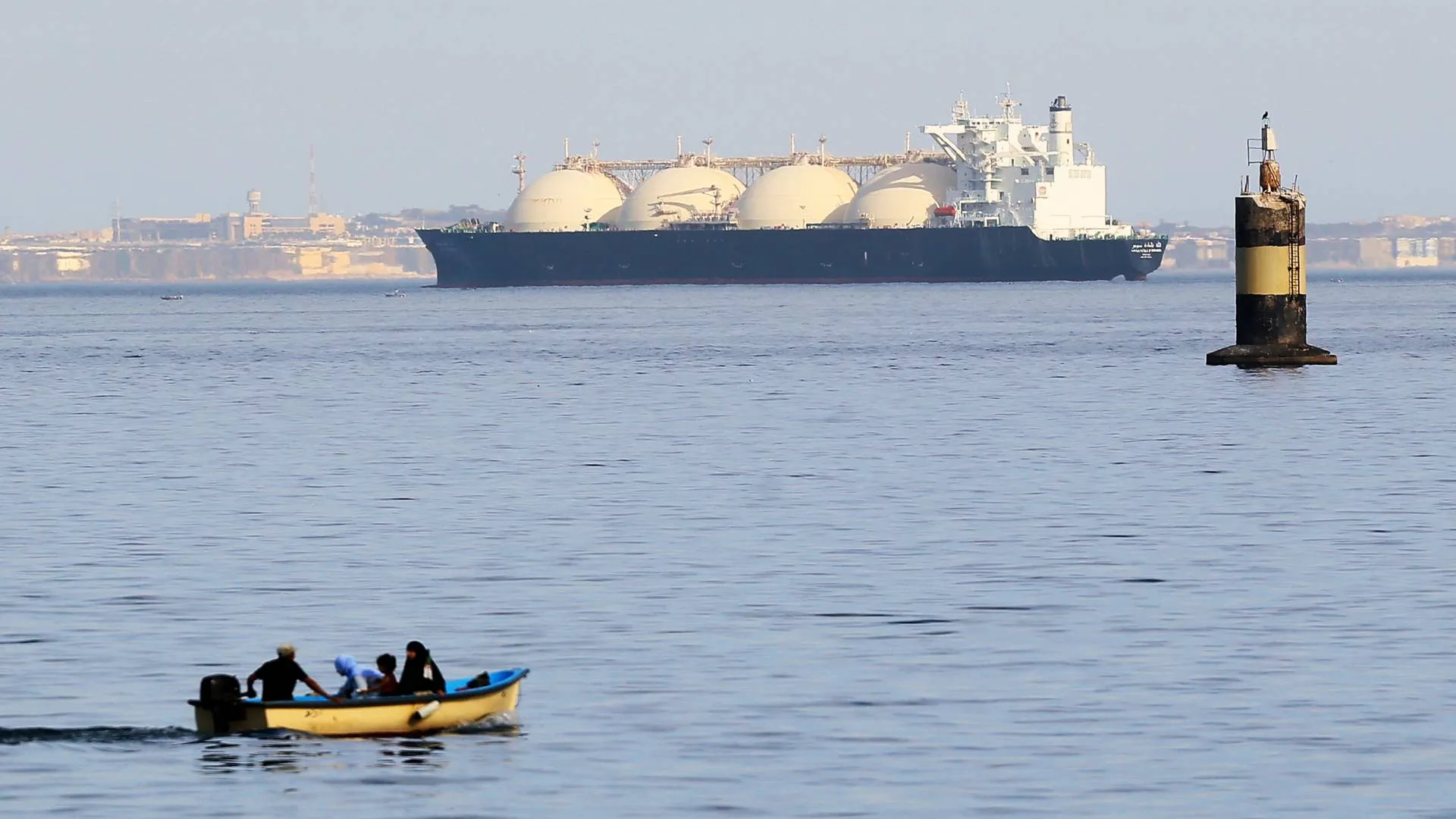
2. LNG Terminal:
– Jetty length: 350m
– LNG carriers up to 180,000m³
– Boil-off gas recovery
– Safety systems:
– Gas detection
– Deluge system
– Emergency shutdown
3. LPG Terminal:
– Storage: 50,000m³
– Loading rate: 1,000m³/hr
– Emergency response team on standby
Loading and Discharging Procedures
Standard workflow:
1. Pre-arrival:
– Submit cargo manifest 72hr prior
– Safety checklist completion
2. Operations:
– Joint inspection (ship/shore)
– Equipment testing
– Continuous monitoring
3. Completion:
– Final measurements
– Documentation sign-off
– Disconnection procedures
Loading and Discharging Rates
Benchmark performance (2023 averages):
– Crude oil: 6,000m³/hr
– Containers: 40 moves/hr/crane
– Iron ore: 3,000t/hr
– Coal: 2,000t/hr
– General cargo: 800t/day
– LNG: 10,000m³/hr
– LPG: 1,200m³/hr
Ship to Ship Transfer
Approved operations:
– Location: 36°25’30″N 140°38’15″E
– Minimum depth: 25m
– Requirements:
– 96hr advance notice
– Safety plan submission
– Standby tug (minimum 60t bollard pull)
– Monitoring:
– VTS radar tracking
– Patrol boat surveillance
Cargo Gear
Port policy:
– Containers: Mandatory shore cranes
– Bulk: Shore equipment preferred
– General cargo: Vessel’s gear acceptable
Special equipment:
– 1x floating crane (400t capacity)
– 2x mobile cranes (150t each)
– Spreaders for:
– 20′, 40′, 45′ containers
– Flat racks
– Open tops
Shore Cranes
Inventory (2024):
1. Container cranes:
– 3x ZPMC Super Post-Panamax:
– Outreach: 24 containers
– Twin-lift: 65t
– 2x Mitsui Post-Panamax:
– Outreach: 18 containers
– Single-lift: 50t
2. Mobile harbor cranes:
– 4x Liebherr LHM 600:
– Max radius: 48m
– SWL: 104t
3. Bulk handling:
– 2x Siwertell unloaders
– 1x shiploader
Floating Cranes
Available assets:
1. “Ibaraki Heavy Lift No.1”:
– Capacity: 400t (main hook)
– Auxiliary: 50t
– Rate: ¥2,000,000/day
– Minimum hire: 3 days
2. “Hitachi Floating Crane No.3”:
– Capacity: 250t
– Rate: ¥1,200,000/day
– Availability: 72hr notice
Hoses
Technical specifications:
– Oil hoses:
– Size: 16″-24″
– Pressure: 15 bar
– Material: Steel wire reinforced
– Chemical hoses:
– Dedicated per product group
– Color-coded
– Testing:
– Hydrostatic: 1.5x working pressure
– Annual certification
Specialised Cargo Operation
Dangerous goods handling:
1. Classification:
– IMDG Code fully implemented
– Special berths for Class 1-3
2. Radiation:
– NORM shipments only
– Special handling area
3. Procedures:
– Segregated storage
– Dedicated equipment
– Emergency plans
Lightering and Lighterage
Services:
– Available within port limits
– Fleet:
– 6x barges (1,200DWT each)
– 2x tank barges (3,000m³)
– Rates:
– Dry cargo: ¥60,000/hour
– Liquid: ¥80,000/hour
– Minimum hire: 4 hours
Barge
Port-owned fleet:
– 12x general purpose (500-1,500DWT)
– 4x tank barges (total 12,000m³)
– 3x deck barges (100m² each)
Private operators:
– 8 companies licensed
– Average turnaround: 12 hours
Cargo Lashing
Standard practice:
– Containers:
– Twistlocks: Stevedores
– Lashing rods: Crew
– Breakbulk:
– Crew responsibility
– Supervision by stevedores
– Heavy lifts:
– Certified contractors
– Engineering approval required
Cleaning Procedures
Bulk cargo residues:
– Holds:
– Mechanical sweeping
– High-pressure washing
– Certification required
– Tanks:
– Crude Oil Washing (COW)
– Chemical cleaning
– Environmental compliance:
– Zero discharge policy
– Reception facilities available
Opening/Closing Hatches
Standard practice:
– Crew responsibility
– Stevedore assistance:
– Available at ¥15,000/hour
– Minimum 4 hours
– Safety requirements:
– Fall protection
– Tag-out system
Delay
2023 performance metrics:
– Average berth wait time: 3.2 hours
– Weather delays: 6.5% of operations
– Equipment breakdown: <1%
- Labor issues: 0.2%
Stevedore Companies
Licensed operators:
1. Hitachinaka Stevedoring Co., Ltd.
– Workforce: 350
– Specialization: All cargo types
– Contact: +81-29-273-XXXX (official port directory)
2. Ibaraki Cargo Services
– Bulk handling experts
– Equipment:
– 10x payloaders
– 5x bulldozers
– 3x conveyor systems
3. Nippon Container Handlers
– Productivity: 45 moves/hr
– Labor rate: ¥5,500/man-hour
Working Hours
Standard shifts:
1. Day shift: 0800-1700
2. Night shift: 2000-0500
Overtime premiums:
– Weekdays: +50%
– Saturdays: +75%
– Sundays/holidays: +100%
Minimum gang size: 8 workers
Warehouses and Yards
Storage facilities:
1. Covered warehouses:
– Total: 60,000m²
– Height: 15m
– Floor strength: 10t/m²
2. Open storage:
– Paved: 150,000m²
– Gravel: 50,000m²
3. Specialized:
– Cold storage: 5,000m² (-25°C to +15°C)
– Dangerous goods: 2,000m²
7.Port Services
General Information
Hitachinaka Port maintains comprehensive service capabilities certified under:
1. Quality Standards:
– ISO 9001:2015 (Quality Management)
– ISO 45001:2018 (Occupational Health and Safety)
– ISPS Code compliant
2. Operational Capacity:
– Service vessels: 15 (including 4 emergency response)
– Annual service transactions: 8,200+ (2023)
3. Special Features:
– 24/7 operations (except national holidays)
– Multilingual support (Japanese/English/Chinese)
– Digital service request system
Bunkering
1. Infrastructure:
– 3 bunker barges (2x 5,000DWT, 1x 3,000DWT)
– Shore tanks: 120,000m³ total capacity
2. Fuel Specifications:
– IFO 380: Max 3.5% sulfur
– IFO 180: Max 2.8% sulfur
– MGO: 0.1% sulfur
– LNG: By prior arrangement
3. Operational Procedures:
– Minimum order: 50mt
– Maximum single delivery: 3,500mt
– Sampling: Joint MARPOL samples
4. Pricing (June 2024):
– IFO380: $550-580/mt
– MGO: $750-780/mt
– LNG: $18/MMBtu
Lubricants
1. Product Range:
– Cylinder oils: TBN 40-100
– System oils: SAE 30-50
– Greases: NLGI 1-3
2. Delivery Options:
– Bulk: Up to 50mt/hr
– Packaged: Drums/IBCs
3. Emergency Service:
– 4hr response time
– 24/7 availability
Fresh Water
1. Supply Capacity:
– Barge: 250m³/hr (2 barges available)
– Pipeline: 120m³/hr at 6 berths
2. Quality Control:
– Daily testing for:
– Chlorine (0.2-0.5ppm)
– TDS (<500ppm)
- Bacterial content
3. Cost Structure:
- Standard: ¥500/m³
- After-hours: +30%
- Minimum charge: 50m³
Stores and Spare Parts
1. Delivery Network:
– 5 licensed suppliers
– 24hr emergency service
2. Customs Procedures:
– Pre-clearance available
– Hazardous materials:
– 72hr notice
– Special permits
3. Special Equipment:
– 10t capacity forklifts
– 50m boom cranes
Dunning and Dunnage
1. Material Options:
– Wood (various grades)
– Plastic composites
– Rubber mats
2. Operational Standards:
– JIS A 5508 compliant
– Fire-retardant options
3. Cost Examples:
– Standard package: ¥50,000-80,000
– Custom solutions: ¥150,000+
Ship Chandlers
1. Primary Providers:
– Hitachinaka Marine Supplies:
– Fleet: 3 supply vessels
– Helicopter: Eurocopter AS365
– Ibaraki Maritime Services:
– Range: 100nm
– Cold chain capability
2. Transfer Points:
– Designated areas at:
– Berth S1 (main)
– Anchorage Area C
Ship Husbandry
1. Service Scope:
– Hull cleaning (class approved)
– Tank cleaning (COW certified)
– Accommodation deep cleaning
2. Environmental Compliance:
– Zero discharge policy
– Waste tracking system
Maintenance and Repairs
1. Capability Matrix:
– Mechanical: Up to 10,000hp
– Electrical: Up to 6.6kV
– Hull: Limited patch repairs
2. Certification:
– 15 class-approved workshops
– DNV/ClassNK certified welders
Gangway and Deck Watchmen
1. Security Standards:
– ISPS compliant personnel
– Biometric access logs
2. Cost Structure:
– Basic: ¥5,000/man-hour
– Armed: ¥7,500/man-hour
– Minimum: 4 hours
Deratting
1. Service Protocol:
– WHO approved methods
– Electronic monitoring
2. Documentation:
– Deratting Certificate
– Port Health clearance
Surveying
1. Available Services:
– Cargo: Draft surveys, ullage
– Condition: Hull thickness, machinery
– Special: Bunker surveys
2. Response Time:
– Routine: 24hrs
– Emergency: 4hrs
Fumigation
1. Treatment Options:
– Phosphine
– Methyl bromide (restricted)
2. Safety Measures:
– Gas monitoring
– 500m exclusion zone
Crewing and Repatriations
1. Crew Change Facilities:
– Dedicated processing center
– COVID testing available
2. Air Connections:
– Daily flights from Ibaraki Airport
– Charter options
Dry Docks
Not Available (nearest in Kashima: 35km)
Launch Service
1. Fleet:
– 3 passenger launches
– Capacity: 25 persons each
2. Safety Features:
– SOLAS approved
– AED equipped
Certificates Issuing
1. Port Documentation:
– Clearance certificates
– Waste manifests
2. Processing Time:
– Standard: 2hrs
– Express: 1hr (+50% fee)
Shore Electricity
1. Technical Specifications:
– Voltage: 6.6kV/400V
– Frequency: 50Hz
– Connectors: IEC 60092-201
2. Availability:
– 8 berths equipped
– 99.9% uptime
Phones Services
1. Communication Options:
– Satellite: Inmarsat/FleetBroadband
– Cellular: Docomo/Softbank
2. SIM Cards:
– Data packages: 1GB ¥3,000
– Voice: ¥100/minute
Banks
1. Financial Services:
– Mizuho Bank:
– Currency: USD/EUR/CNY
– Transfers: SWIFT/Telex
– Operating Hours: 0900-1500
Consuls and Visa
1. Diplomatic Presence:
– Philippines: Full consulate
– Indonesia: Honorary consul
2. Visa Processing:
– Transit visas: 72hr
– Crew visas: 7 days
Mail
1. Postal Services:
– Japan Post:
– EMS worldwide
– Sea mail
2. Courier Options:
– DHL/FedEx onsite
Shore Leave
1. Facilities:
– Crew recreation center
– Shopping shuttle
2. Restrictions:
– No alcohol in port
– Curfew enforced
Medical and Ambulance
1. Emergency Response:
– Port clinic: 5 doctors
– Hospital: 10km (ICU capable)
2. Specialized Care:
– Decompression chamber
– Burn unit
Seaman’s Clubs
1. Hitachinaka Seafarers Center:
– Amenities:
– Free WiFi
– Gym
– Chapel
– Transport: Hourly shuttle
Miscellaneous
1. Important Notices:
– Typhoon season: July-Oct
– Waste disposal: ¥50,000 fine for violations
– Cybersecurity: Mandatory reporting