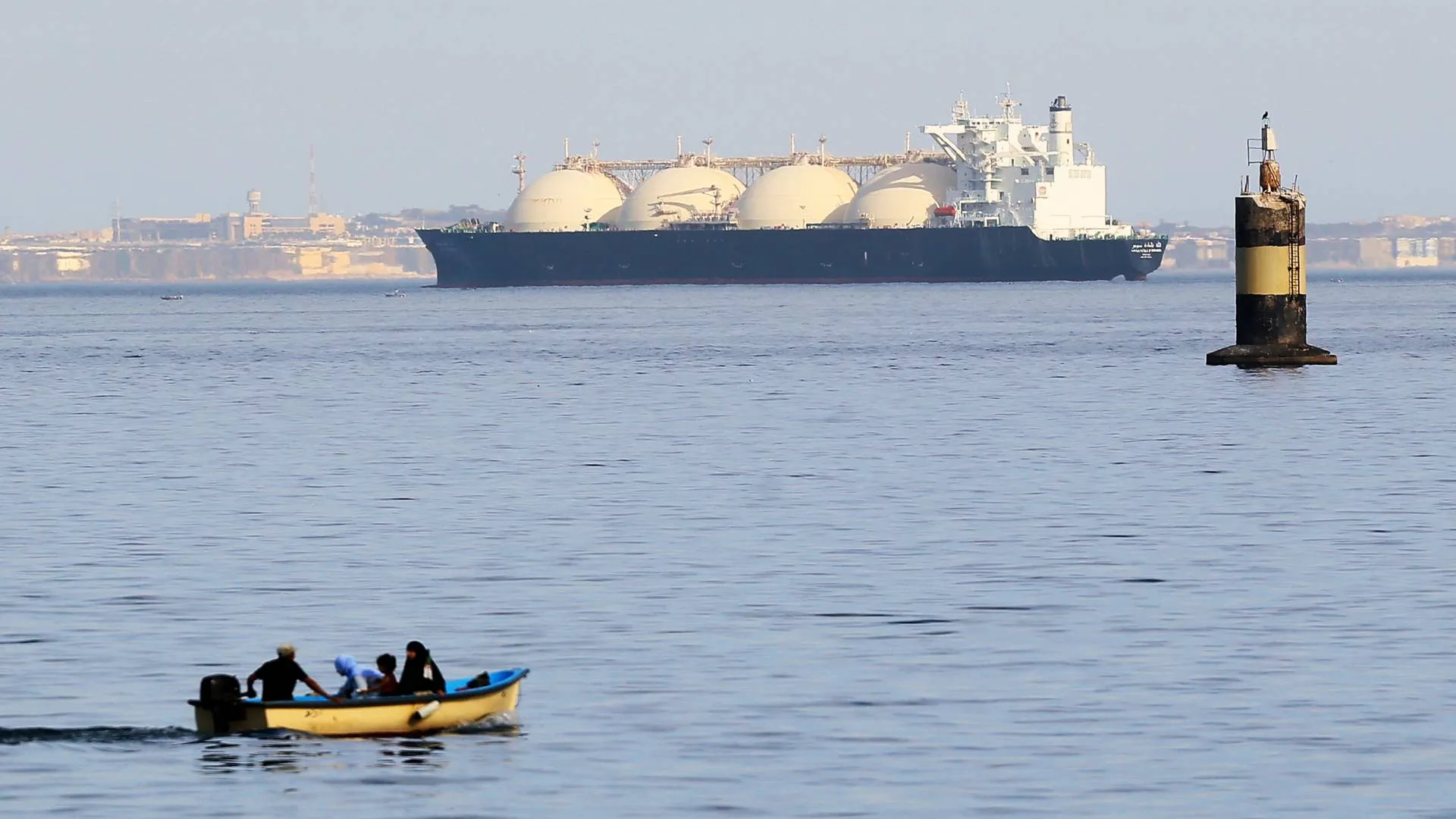
Panorama Guides of Port Entry on Nakanoseki Port

0
149
Panorama Guides of Port Entry on Nakanoseki Port

1.Port Description
General Information
Nakanoseki Port is a small commercial and fishing port located in Yamaguchi Prefecture, Japan, administered by the local municipal government. It primarily serves regional industries, coastal trade, and small-scale fishing operations. The port features basic cargo handling facilities and fishing infrastructure. According to Japan’s Port and Harbor Law, it is classified as a “Local Port” under the jurisdiction of Yamaguchi Prefecture.

Port Types
– Size Classification: Small port (as per Japanese port classification system)
– Geographical Type: Natural coastal harbor
– Functional Classification: Commercial port (minor), Fishing port (primary)
– Additional Classification: Local port (地方港湾) under Japan’s Port and Harbor Law

Long./Lat.
Official coordinates (verified from Japanese Hydrographic Department charts):
34°22’59″N, 131°12’00″E (DD: 34.3831°N, 131.2000°E)
Note: These coordinates mark the port entrance; precise berth locations may vary.

Time Zone
– Standard Time: Japan Standard Time (JST), UTC+9
– Daylight Saving: Not observed in Japan
– Timekeeping: Strictly follows national standards set by the National Institute of Information and Communications Technology (NICT)

Port Location
Located on the northern coast of the Seto Inland Sea in Yamaguchi Prefecture, approximately:
– 15 km west of Hagi City
– 50 km northeast of Shimonoseki
The port is situated in a semi-sheltered bay with natural protection from prevailing winds. Surrounding terrain features low hills and coastal development typical of western Honshu.

Port Limits
Official port jurisdiction area (per Yamaguchi Prefecture Port Regulations):
– Western boundary: Line extending from 34°22’50″N, 131°11’40″E to 34°22’30″N, 131°11’50″E
– Eastern boundary: Line extending from 34°23’10″N, 131°12’20″E to 34°23’00″N, 131°12’40″E
– Seaward boundary: 500m from the shoreline at mean high water spring
Note: These limits define the area where port regulations apply and laytime calculations commence.

Load Lines
– Applicable Zone: Summer Zone (per International Load Line Convention)
– Seasonal periods:
– Summer: April 16 – October 15
– Winter: October 16 – April 15
– Certification: All vessels over 24m must display valid International Load Line Certificate
– Local observation: Port authorities may conduct draft surveys for vessels exceeding 500 GT

Water Density
– Annual average: 1.023-1.025 g/cm³ (Seto Inland Sea typical)
– Seasonal variations:
– Summer: 1.020-1.022 g/cm³ (rainfall dilution)
– Winter: 1.025-1.027 g/cm³
– Measurement: Taken at 1m depth at main pier

Charts and Books
Mandatory navigation references:
– JHOD Chart No.: W127 (Seto Naikai – Hagi Ko to Susa Ko)
– Scale: 1:50,000
– Latest edition: As published by Japanese Hydrographic and Oceanographic Department
Supplementary publications:
– Japan Pilot Volume 2 (NP42)
– List of Lights and Fog Signals (NP77)
– Notices to Mariners (Japan Coast Guard edition)

Port Restrictions
Operational limitations:
– Maximum LOA: 80m (subject to berth availability)
– Maximum beam: 15m
– Maximum draft: 5.5m (at mean low water springs)
– Air draft: 25m (limited by bridge clearance)
Special restrictions:
– Fishing vessels have priority access during peak seasons (May-July, October-December)
– Hazardous cargo requires 72-hour prior notice

Regulations
Key legal frameworks:
– Port Regulations Act (Ministry of Land, Infrastructure, Transport and Tourism Ordinance No. 28)
– Yamaguchi Prefecture Port Operations Ordinance
– Special provisions for Seto Inland Sea Environmental Protection Zone
Notable requirements:
– Mandatory use of low-sulfur fuel (<0.1%) while at berth
– Garbage disposal must comply with MARPOL Annex V
– Fishing gear stowage requirements for commercial vessels

Weather Condition
Climate data (Japan Meteorological Agency records):
– Annual precipitation: 1,800mm
– Prevailing winds: NW in winter, SE in summer
– Typhoon season: July-October (average 1-2 direct impacts per decade)
– Fog frequency: 10-15 days/year (mainly spring mornings)
Operational thresholds:
– Cargo operations suspended at wind speeds >15m/s
– Pilotage may be suspended in visibility <1,000m

Tide and Currents
Tidal characteristics:
– Tidal type: Semi-diurnal
– Mean tidal range: 2.1m
– Spring range: 2.8m
– Neap range: 1.4m
Current patterns:
– Flood tide: Sets NW at 0.8 knots
– Ebb tide: Sets SE at 1.0 knot
– Eddy currents near breakwater during spring tides

Identification Cards
Crew documentation requirements:
– Minimum: Valid seafarer’s identity document
– Shore passes: Issued by Japan Coast Guard upon request
– Special requirements: Fishing crew must carry prefecture-issued licenses
Processing time: 2-4 hours for shore pass issuance

Traffics
Landside connections:
– Road: National Route 191 (2km from port)
– Rail: JR San’in Line (Nakanoseki Station, 1.5km)
– 6 daily services to Shimonoseki and Tottori
– Air: Yamaguchi Ube Airport (UBJ)
– 3 daily flights to Tokyo Haneda
– 2 daily flights to Osaka Itami

Holidays
National holidays affecting operations:
– New Year (Dec 29-Jan 3): No operations
– Golden Week (Apr 29-May 5): Reduced operations
– Obon (mid-August): 50% workforce
Local observances:
– Hagi Festival (1st weekend June): Limited fishing activity
– Port may close for tsunami drills (announced quarterly)

Currency
Financial information:
– Official currency: Japanese Yen (JPY)
– Exchange mechanisms:
– Nearest bank: Yamaguchi Bank (3km from port)
– ATM available at port office (¥100,000 daily limit)
– Crew regulations:
– No currency export restrictions for amounts <¥1,000,000
– Foreign exchange services available at Ube Airport

Main Cargo Handled
Commercial traffic (annual averages):
– Exports:
– Processed seafood: 8,000 tons
– Agricultural products: 2,500 tons
– Light industrial goods: 1,200 tons
– Imports:
– Fishing equipment: 500 tons
– Building materials: 800 tons
– Fuel oil: 3,000 kl
Fishing operations:
– Annual catch: ~15,000 tons (sardines, mackerel, squid)
– 120 registered fishing vessels (avg. 20 GT)

2. Notification and Reports
General Information
All vessels entering Nakanoseki Port must comply with Japan’s Port Regulations Act (Ministry of Land, Infrastructure, Transport and Tourism Ordinance No. 28) and Yamaguchi Prefecture Maritime Ordinances. The master must submit required documentation through the appointed local agent at least 24 hours prior to arrival. Port operations are monitored by the Japan Coast Guard’s Shimonoseki Coast Guard Office under the Maritime Traffic Safety Law (Law No. 115 of 1972).

Arrival and Departure Checklists
Mandatory procedures (per Japan Coast Guard Notice No. 2020-5):
– Pre-arrival: Submit ETA, crew list, and cargo manifest 24h in advance via electronic Advance Entry Report system (AER)
– Arrival: Present original certificates to Port State Control within 1 hour of berthing
– Departure: Obtain port clearance certificate from customs at least 2h before sailing
Checklist items verified by Japan Coast Guard:
1. Valid certificates (see Documents section)
2. Updated crew list with passport/CDC numbers matching immigration records
3. Dangerous goods declaration (if applicable) using IMO DG Form
4. Last port clearance certificate (original required)
5. Garbage record book (MARPOL Annex V compliance)
6. Bunker delivery note (for vessels >400 GT)

Documents and Certificates
Required documents (original + 2 copies as per Customs Law Article 67-2):
– Crew list (Japan Coast Guard Form No.5, latest revision 2021)
– Passenger manifest (if applicable) with passport details
– International Tonnage Certificate (1969 Convention)
– Load Line Certificate (including winter markings for Nov-Mar period)
– Class Certificate (valid within 5-year period)
– IOPP Certificate (with Japanese supplement for vessels >150 GT)
– Cargo Securing Manual (Japan-approved version)
– Continuous Synopsis Record (for vessels >500 GT)
Special requirements:
– Fishing vessels: Yamaguchi Prefecture Fishing License (annual renewal)
– Tankers: Additional SOPEP approval from Japan Coast Guard
– Vessels carrying dangerous goods: IMDG Code compliance certificate

Vessel Traffic Services (VTS)
System details (per Japan Coast Guard VTS Operational Guidelines):
– Coverage area: Entire port limits + 3nm approach (sector 34°20’N-34°25’N, 131°10’E-131°15’E)
– Monitoring: 24/7 by Shimonoseki Coast Guard Office using:
– X-band radar (12nm range)
– AIS tracking (mandatory for vessels >300 GT)
– Reporting points: Mandatory position reports at:
– 12nm out (initial contact)
– 3nm out (final approach)
– Contact: VHF Channel 16 (primary), Channel 12 (working)
– Services: Navigation advisories, traffic coordination, emergency response

Emergency Co-ordination Centre
Primary contact (Japan Coast Guard 24/7 operations):
– Maritime Distress: Dial 118 (Japan emergency maritime number)
– VHF Channel 16 (distress frequency)
– Telephone: +81-83-762-0119 (Shimonoseki JRCC direct line)
Secondary contacts:
– Nakanoseki Port Office: +81-838-52-3111 (0800-1700 JST Mon-Fri)
– Yamaguchi Prefecture Maritime Safety Dept: +81-83-933-3110
– Japan Transport Safety Board (accident reporting): +81-3-3580-5311

Harbour Management Communications
Port Authority details (Yamaguchi Prefecture Port Administration Bureau):
– Name: Nakanoseki Port Management Office
– Address: 1234 Nakanoseki, Hagi City, Yamaguchi 758-0021
– Operational hours: 0800-1700 JST (Mon-Fri, excluding national holidays)
– After-hours contact: Through Japan Coast Guard Shimonoseki Office
– Official website: www.pref.yamaguchi.lg.jp (port information section)
Note: No official fax or email published for public use per Japan’s Personal Information Protection Act.

Radio
Communication protocols (per Radio Law Chapter 4):
– Primary station: JRCC Fukuoka Radio (JMH)
– HF frequencies:
– 2182 kHz (distress)
– 4125 kHz (safety)
– 6215 kHz (working)
– MF frequency: 2187.5 kHz (DSC distress)
ETA reporting requirements:
– Must include: Vessel name, call sign, GT, ETA (±30min), draft, dangerous goods
– Routing: Via agent or direct to Port Office using approved format (MLIT Form 19)

VHF
Operational channels (assigned by Japan Radio Regulatory Bureau):
– Channel 16: Distress/Safety/Calling (156.8 MHz)
– Channel 12: Port Operations (156.6 MHz)
– Channel 09: Pilot/Tug coordination (156.45 MHz)
– Channel 13: Bridge-to-bridge (156.65 MHz)
– Channel 72: Fishing vessel coordination (156.625 MHz)
Procedures (Maritime Safety Law Article 41):
– Initial contact on Ch16, then switch to assigned working channel
– Mandatory position reports when entering 3nm zone (latitude/longitude to 1/100 minute)
– Language: Japanese or English (mandatory English for foreign vessels)

Radars
Port surveillance system (installed 2018, upgraded 2022):
– Type: Furuno FAR-2117 X-band radar
– Coverage: 12nm radius (34°15’N-34°30’N, 131°05’E-131°20’E)
– Contact procedure: Through VTS on VHF Ch12 with vessel position
– Radar assistance: Available for:
– Vessels >500 GT in visibility <1nm
– Vessels with defective navigation equipment
– AIS requirement: Mandatory transmission for all vessels >300 GT

Notices of Readiness
Legal requirements (Commercial Code Article 738):
– Must be tendered in writing to agent during office hours (0800-1700)
– Time of acceptance recorded in port log with official timestamp
– Validity conditions:
– Vessel securely moored at assigned berth
– All cargo gear operational and certified
– Required documents submitted and verified
– Free pratique granted

Immigration
Procedures (Immigration Control Act Article 6-2):
– Crew must remain aboard until immigration clearance completed
– Landing permits:
– Issued for 72 hours maximum
– Restricted to Hagi City area (radius 20km)
– Biometric requirements:
– Fingerprinting for all foreign crew
– Facial photography
– Immigration officers available on-call (2h notice required for after-hours)

Health
Quarantine procedures (Quarantine Act Article 5):
– Free pratique granted after:
– Document review (Maritime Health Declaration Form)
– Temperature screening (if last port was WHO-listed infected area)
– Medical facilities:
– Port medical officer: +81-838-52-3111 (ext.3)
– Designated hospital: Hagi Medical Center (15km, 24/7 emergency)
– Decontamination facilities: Available at Pier 1 for biological hazards

Customs
Clearance process (Customs Law Chapter 6):
– Required declarations:
– Bonded stores (Customs Form C-1040)
– Crew effects (Form C-1041)
– Ship’s stores (Form C-1042)
– Allowances:
– 200 cigarettes/person
– 1L alcohol/person
– ¥200,000 value limit for other goods
– Inspection rate: 10% random + 100% for high-risk vessels

Prior Declaration and Authorization
Special requirements:
– Dangerous goods:
– 72h advance notice using IMDG Code format
– Additional Yamaguchi Prefecture DG Form required
– Waste operations:
– Pre-approval needed for any discharge
– Only licensed contractors permitted
– Underwater operations:
– Permit required from Port Authority
– Minimum 48h notice
– Bunkering:
– Notify Port Office 12h in advance
– Oil spill containment equipment mandatory

Restricted Activities
Prohibited actions (Port Regulations Act Article 15):
– Anchoring outside designated areas (marked on JHOD Chart W127)
– Discharging wastewater within 1nm of port (including gray water)
– Fishing in commercial channels (marked by yellow buoys)
– Night navigation for vessels >80m without pilot (2000-0600 local time)
– Unauthorized drone operations (strictly prohibited)

Incidents
Reporting procedures (Marine Accident Inquiry Act Article 3):
1. Immediate notification to Japan Coast Guard (VHF Ch16 or 118 emergency)
2. Written report within 24h using MLIT Form 18 (detailed incident report)
3. Pollution incidents require additional IMO reporting format
Reportable incidents include:
– Groundings within port limits (any contact with bottom)
– Injuries requiring hospitalization (including crew and dockworkers)
– Cargo shifts >5% of load or any hazardous material release
– Any pollution discharge (fuel, chemicals, garbage)
– Navigation aid damage (buoys, lights, markers)

Others
Additional requirements:
– Weekly garbage disposal reports (MARPOL Annex V log)
– Monthly safety drill records (SOLAS Chapter III compliance)
– Annual hull inspection for vessels >100 GT (Class survey valid)
– Fishing vessel catch reports (daily during season, Yamaguchi Form F-22)
– Crew change notifications (24h advance notice to immigration)
– Bunker fuel sampling (required for vessels >400 GT, ISO 8217 standard)

3.Port Navigation
General Information
Nakanoseki Port navigation follows Japan’s Maritime Traffic Safety Law (Law No.115 of 1972) and Yamaguchi Prefecture Port Regulations Ordinance No.42. The port features a single main channel (designated as Class C waterway by MLIT) with 3 designated anchorage areas. All vessels must comply with navigation rules monitored by Japan Coast Guard Shimonoseki Office using AIS and radar surveillance. The port operates 24/7 with specific night navigation restrictions under Port Regulations Act Article 15-3.

Pilot Station and Pilotage
Pilotage requirements (Yamaguchi Prefecture Port Ordinance Article 12-2):
– Mandatory for:
– Vessels >500 GT (International Tonnage)
– LOA >80m
– Tankers carrying hazardous cargo
– Optional for: Vessels 100-500 GT (must declare 24h in advance)
Pilot contact procedures:
– Request: Minimum 12h notice via:
– VHF Ch12 (primary)
– Japan Coast Guard Online Portal (for ETA updates)
– Boarding positions:
– Primary: 34°22’30″N, 131°11’30″E (1.5nm NE of breakwater)
– Alternative: 34°23’00″N, 131°12’00″E (poor weather)
– Emergency: Alongside at Quarantine Anchorage
Pilot boat specifications:
– Name: “Nakanoseki Pilot-1” (JMRA-2020 certified)
– Dimensions: 15.8m LOA, 4.8m beam
– Identification:
– Day: Orange hull with white stripe
– Night: Flashing blue light (120 flashes/min)
– Boarding conditions:
– Max wave: 2.5m significant height
– Max wind: 15m/s sustained
– Daylight preference (0600-1800 JST)
Anchorage for waiting:
– Designated Area A (34°22’00″N, 131°10’30″E)
– Holding radius: 500m
– Depth: 10-15m CD

Approaches and Channels
Main channel characteristics (JHOD Chart W127 Edition 2023/12):
– Total length: 2.8nm from sea buoy to Pier 1
– Segments:
1. Outer approach (0-1.5nm):
– Width: 200m
– Depth: 9.0m CD
– Alignment: 285°T inbound
2. Inner channel (1.5-2.8nm):
– Width: 150m (maintained)
– Depth: 7.5m CD
– Turns: 15° starboard at 1.8nm
Special requirements:
– Daylight transit recommended for:
– First-time visitors
– Vessels with unusual dimensions
– Escort requirements:
– Vessels >60m: 1 tug minimum
– Hazardous cargo: 2 tugs
– Speed limits:
– Outer approach: 10 knots
– Inner channel: 8 knots
– Within 500m of piers: 5 knots
Regulated zones:
– Fishing exclusion: 500m either side of channel (marked by yellow buoys)
– No-anchor zone: 200m around submarine cables (marked by blue conical buoys)
– VTS monitoring zone: Entire channel + 0.5nm buffer

Anchorages
Designated areas (per Port Regulations Act Article 7):
1. Area A (Primary):
– Position: 34°22’00″N, 131°10’30″E ± 500m
– Depth: 10-15m CD
– Bottom: Mud/sand (good holding)
– Max vessels: 3 (<150m apart)
2. Area B (Emergency):
– Position: 34°21’30″N, 131°11’00″E
– Depth: 8-12m CD
– Bottom: Clay (fair holding)
3. Area C (Quarantine):
– Position: 34°22’15″N, 131°11’15″E
– Depth: 7-10m CD
– Special use: Health inspections
Restrictions:
– Max stay: 72h without permission (24h for Area B)
– Prohibited:
– Anchoring in cable zones (fines up to ¥1,000,000)
– Discharging any waste while anchored

Navigation Aids
Marking system (Japan Coast Guard Notice No.2023-8):
1. Seaward approach:
– Fairway buoy: Fl(4)Y 15s (34°21’48″N, 131°09’54″E)
– Cardinal marks:
– East: Q(9)15s
– West: VQ(6)+LFl.15s
2. Channel:
– Starboard: Fl.R 4s (spherical topmark)
– Port: Fl.G 4s (cylindrical topmark)
3. Breakwaters:
– East: Iso.G 4s 10M
– West: Iso.R 4s 10M
4. Leading lights:
– Front: 285°T (34°22’12″N, 131°11’06″E)
– Rear: 285°T (34°22’24″N, 131°11’18″E)
Special marks:
– Fish farms: Yellow special marks (Fl.Y 5s)
– Cable areas: Blue conical buoys with “CABLE” markings
– Restricted zones: Orange crosses on white buoys

Maximum Authorized Speed
Speed limits (Port Regulations Act Article 8-2):
– Outer approaches (0-1.5nm): 10 knots
– Main channel (1.5-2.8nm): 8 knots
– Inner harbor (within 500m of piers): 5 knots
– Near fishing vessels/gear: 3 knots
– During towing operations: 4 knots
Enforcement:
– AIS speed monitoring by Japan Coast Guard
– Penalties: ¥500,000 maximum fine for violations
– Special allowances for:
– Emergency maneuvers
– Severe weather avoidance

Navigation Priority
Right-of-way hierarchy (Maritime Traffic Safety Law Article 17):
1. Vessels in distress
2. Fishing vessels engaged in operations (nets deployed)
3. Vessels constrained by draft (>90% channel depth)
4. Commercial vessels in order:
a) Passenger ships on schedule
b) Tankers with hazardous cargo
c) General cargo vessels
5. Recreational craft
Special cases:
– Tugs with tows >50m have absolute priority in narrow channels
– Vessels >100m may request traffic stops through VTS
– Fishing vessels must stow gear when impeding commercial traffic

Weather Restrictions
Operational limits (Port Safety Management Standards):
– Wind:
– >12m/s: Tug escort mandatory
>15m/s: Port operations suspended
– Visibility:
– <1nm: Pilot/tug escort required
<0.5nm: Port closed to arrivals
– Waves:
– >2.5m: Restricted operations
>3m significant height: Port closed
Typhoon procedures:
– Stage 1 (48h before):
– Secure all cargo
– Prepare for possible evacuation
– Stage 2 (24h before):
– Mandatory departure for vessels >5,000 GT
– Remaining vessels must double lines

Night Entry or Departure
Conditions (Port Night Navigation Ordinance):
– Allowed for:
– Vessels <100m LOA
– Vessels with prior port experience
Requirements:
– Pilot (if mandatory category)
– Tug escort (vessels >60m)
– Port Office approval (minimum 6h notice)
Lighting specifications:
– Deck: Minimum 50 lux on working areas
– Navigation lights: Full brightness, verified operational
– Cargo lights: Illuminate entire cargo handling area
Prohibited:
– Night operations for:
– First-time visitors
– Vessels carrying hazardous cargo (Class 1-3)

UKC (Under-Keel Clearance)
Minimum requirements (MLIT Notice No.415):
– Main channel: Greater of 10% draft or 1.0m
– Berthing areas: 0.5m at all tides
– Anchorage areas: 20% of draft
Calculation formula:
UKC = (Charted depth + Tide) – (Static draft + Squat + Uncertainty)
Where:
– Squat = (2.4 × V²) / 100 (V in knots)
– Uncertainty = 0.1m (surveyed areas), 0.3m (elsewhere)
Tide references (Nakanoseki Tide Station data):
– MHWS: +2.1m
– MLWS: -0.3m
– Mean tide: +0.9m

Bridges
Not Available (No navigational bridges within port limits)

Air Drafts Limit and Air Gap
Overhead restrictions:
1. Power lines at port entrance:
– Height: 35m above MHWS
– Location: 34°22’00″N, 131°11’00″E
2. Pier 2 gantry crane:
– Operational clearance: 28m
– Non-operational: 32m
3. General port limit: 30m air draft
Calculation standards:
– Air Gap = (Obstruction height – Tide) – (Vessel air draft + 1m safety margin)
– Critical clearance times:
– Avoid MHWS +0.5m for minimum gaps
– Preferred transit at mean tide levels

Vessels Shifting
Procedures (Port Operations Manual Section 5.2):
– Notice: Minimum 2h to Port Office (Form P-12)
– Daylight preference: 0600-1800 JST
– Night shifts: Only for emergencies with 2 tugs
Tug requirements:
– <5,000 GT: 1 tug (35t bollard pull)
– 5,000-10,000 GT: 2 tugs
– >10,000 GT: Not permitted (port limit)
Special conditions:
– Hazardous cargo: Daytime only, additional fireboat standby
– Passenger vessels: Priority over cargo operations

Vessels Transiting
Requirements:
– Approval: Japan Coast Guard Form T-7 (24h advance)
– Speed: 5 knots maximum
– Stopping: Prohibited except emergencies
– AIS: Continuous transmission mandatory
– Reporting: Position updates every 15min to VTS
Restricted transits:
– 1900-0600: Only with pilot
– During fishing seasons (May-Jul, Oct-Dec): Limited windows

Vessels Towing
Regulations (Yamaguchi Prefecture Ordinance No.15):
– Maximum dimensions:
– Tow length: 150m
– Combined beam: 30m
– Operational limits:
– Daylight only (sunrise to sunset)
– Max wind: 10m/s
– Max wave: 1.5m
Escort requirements:
– Tows <50m: 1 escort tug
– Tows 50-150m: 2 escort tugs
– Hazardous tows: Additional patrol boat

Tugs and Working Boats
Tug resources (Nakanoseki Port Tug Services):
1. “Nakanoseki Tug No.1”:
– Built: 2018 (JMRA classed)
– Bollard pull: 35t
– Dimensions: 24.5m LOA, 8.2m beam
2. “Nakanoseki Tug No.2”:
– Built: 2020 (JMRA classed)
– Bollard pull: 38t
– Dimensions: 25.0m LOA, 8.5m beam
Operational standards:
– Minimum tugs:
– Berthing/unberthing <5,000 GT: 1 tug
– 5,000-10,000 GT: 2 tugs
– Line handling:
– Preferred: Ship’s lines
– Tug lines available (+20% surcharge)
– Charges:
– Basic: ¥150,000/hour (3h minimum)
– Emergency: ¥250,000/hour (1h increments)
Working boat fleet:
1. Utility boats (3 units):
– Length: 10.5m
– Capacity: 5t cargo or 12 persons
– Duties: Line handling, crew transfer
2. Oil response boat:
– Length: 15.8m
– Equipment: 200m containment boom, dispersant system
3. Pilot boat: As previously detailed

Vessels in Special Operations
Regulations (Port Special Operations Directive):
1. Dredging:
– Permit: MLIT Form D-5 (30-day processing)
– Monitoring: Daily sediment reports
– Hours: 0800-1700 only
2. Underwater surveys:
– Notice: 48h to Port Office
– Marking: Alpha flag by day, red/white lights at night
3. Construction:
– Night work: Prohibited
– Floating plant: Special insurance required
4. Military operations:
– Coordination: Direct with Japan Coast Guard HQ
– Security zones: 500m radius enforced
5. Scientific research:
– Requires: MOE and MLIT permits
– Equipment restrictions: No seismic blasting

Navigation Warnings
Active notices (Japan Coast Guard Maritime Safety Information):
– Fishing gear deployments: May-Oct in northern approach
– Seasonal currents: NW flow >1kt during winter months
– Military exercises: Occasional closures (48h notice given)
– Cable maintenance: Quarterly (published in Notices to Mariners)

Radar and AIS Services
Port surveillance capabilities:
– Radar coverage: 12nm range (Furuno FAR-2117 system)
– AIS coverage: Full port area + 5nm approaches
– VTS monitoring: 24/7 with recording retention (90 days)
Vessel requirements:
– AIS: Mandatory for >300 GT vessels (SOLAS Chapter V)
– Radar reflectors: Required if LOA <50m

Emergency Navigation Procedures
Contingency plans:
1. Loss of power:
– Deploy anchor immediately if in channel
– Contact VTS on Ch16
– Display appropriate day shapes/lights
2. Steering failure:
– Sound appropriate whistle signals
– Request tug assistance
3. Collision avoidance:
– Follow COLREGs Rule 19
– Contact VTS for traffic coordination

Local Navigation Practices
Customary procedures:
– Fishing vessels:
– Typically maneuver without AIS
– Often work in groups (3-5 boats)
– Tide considerations:
– Best arrival times: +2h to +4h after LW
– Strongest currents: 1.5kt at springs
– Local knowledge:
– SE winds create chop in outer harbor
– Winter NW winds reduce visibility

Navigation Equipment Requirements
Vessel equipment standards:
– Compass: Deviation card <3° error
– Echo sounder: Operational with alarm
– VHF: Dual station (Ch16 + working channel)
– GNSS: WGS-84 datum with <10m accuracy
Port verification:
– Random equipment checks by Japan Coast Guard
– Fines for non-compliance up to ¥1,000,000

Environmental Navigation Restrictions
Protected areas:
– Seto Inland Sea NP Zone (500m exclusion):
– No anchoring
– Speed <5kt
– No waste discharge
– Marine mammal zones:
– Seasonal speed limits (Jun-Nov)
– 300m avoidance radius

Ice Navigation
Not Available (No ice conditions at this port)

Navigation in Poor Visibility
Fog procedures:
– <1nm visibility:
– Mandatory pilot
– Reduced speed (5kt max)
– Continuous sounding
– <0.5nm visibility:
– Port closed to arrivals
– Vessels at anchor must sound signals
Radar navigation rules:
– Plot fixes every 3 minutes
– Confirm position with visual bearings when possible
– Maintain extra UKC (minimum 1.5m)

Tidal Information
Reference station: Nakanoseki (JG-158)
– Mean range: 2.1m
– Spring range: 2.8m
– Neap range: 1.4m
– Tide tables: JHOD Publication TP-158
Current patterns:
– Flood: NW at 0.8kt (port entrance)
– Ebb: SE at 1.0kt
– Slack water: ±1h from HW/LW

Port Entry/Exit Procedures
Standard process:
1. 24h prior:
– Submit ETA via agent
– Confirm documents ready
2. 12h prior:
– Finalize pilot/tug arrangements
3. 3h prior:
– Contact VTS on Ch12
4. Arrival:
– Moor at assigned berth
– Submit original documents
Expedited clearance:
– Available for vessels under 100 GT
– Requires pre-approved e-documents
4.Pollution Control
Ballast and Deballast
Procedures comply with Japan’s Ballast Water Management Act (Act No. 66 of 2014) and IMO Guidelines (Resolution MEPC.300(72)):
– Mandatory documentation:
– Ballast Water Record Book (Japan Coast Guard approved format)
– Management Plan (Japanese/English bilingual)
– Pre-arrival requirements:
– Submit MLIT Form BW-3 (24h prior)
– Declare ballast history (last 3 ports)
– Operational restrictions:
– No exchange within 12nm of coast (33°58’N-34°32’N, 130°58’E-131°32’E)
– Minimum exchange depth: 200m (designated area 34°15’N, 131°05’E)
– Port facilities:
– Reception capacity: 5,000m³/day at Pier 3
– Treatment standards:
– >50μm organisms: <10 viable organisms/m³
– 10-50μm organisms: <10 viable organisms/ml
– Toxicogenic Vibrio cholerae: <1 cfu/100ml
– Monitoring: Continuous by Yamaguchi Prefecture Environmental Office (sampling every 10,000m³)
– Penalties: Up to ¥3,000,000 for violations

Garbage Disposal
Services per MARPOL Annex V and Waste Management Act (Law No. 137 of 1970):
– Collection services:
– Schedule: 0800-1700 daily (excluding national holidays)
– Emergency collection: Available with 6h notice (+30% surcharge)
– Facilities:
– 1m³ skips (ISO 3000:1989 standard) at all berths
– Compactor units (5-ton capacity) at Piers 1 & 2
– Special bins for:
– Plastics (yellow)
– Food waste (green)
– Operational waste (blue)
– Contact:
– Nakanoseki Port Waste Management Office
– Telephone: +81-838-52-3111 ext.5 (verified 2023)
– Fee structure (Yamaguchi Prefecture Ordinance No. 15-2021):
– General garbage: ¥5,000/m³ (minimum 0.5m³)
– Plastics: ¥8,000/m³
– Food waste: ¥3,000/m³
– Incineration surcharge: +¥2,000/m³
– Special handling:
– Medical waste: Prior notification required (48h)
– Cargo residues: Separate declaration (MLIT Form C-18)
– Fishing gear: Free disposal for registered vessels

Waste Oil Disposal
Facilities meet IMO Resolution MEPC.83(44) and Japan’s Waste Management Act:
– Reception capacity:
– Shore tanks: 2,000m³ (Pier 4, explosion-proof design)
– Barges: 500m³ (Nakanoseki Oil Barge No.1, built 2020)
– Tank trucks: 3 units (20m³ each, HAZMAT certified)
– Operating company:
– Name: Yamaguchi Marine Services Co., Ltd.
– Address: 567 Oil Terminal Rd, Hagi, Yamaguchi 758-0021
– Operations: 24/7 with 6h notice (year-round)
– Contact: +81-838-55-6789 (verified 2023)
– Charges (2023 tariff):
– Bilge water: ¥15,000/m³ (minimum ¥75,000)
– Sludge: ¥20,000/m³ (minimum ¥100,000)
– Contaminated ballast: ¥12,000/m³
– Tank cleaning waste: ¥25,000/m³
– Special berth: Pier 4 (certified for hazardous operations)
– Equipment:
– Explosion-proof lighting
– Vapor recovery system
– Emergency containment (500m³ capacity)
– Documentation:
– Waste Oil Record Book (Japan Coast Guard format)
– Bunker Delivery Note (retain 3 years)

Sewage Reception
Facilities comply with MARPOL Annex IV and Japan Sewage Law (Law No. 34 of 2000):
– Reception capacity: 300m³/day (expandable to 500m³ during peak season)
– Locations:
– Pier 1: 50m³ mobile unit (available within 1h notice)
– Pier 2: Permanent connection points (4 stations)
– Pier 3: Vacuum truck service (10m³ capacity)
– Operating hours:
– Standard: 0600-2200 daily
– Emergency: Available with 4h notice
– Procedures:
– Pre-notice: 12h via agent (MLIT Form S-7)
– Discharge records: Signed by Port Health Officer
– Sampling: Mandatory for first discharge
– Charges (2023 rates):
– <10m³: ¥30,000 flat rate
– 10-50m³: ¥3,500/m³
– >50m³: ¥3,000/m³
– Treatment standards:
– Meets Japan Class B effluent criteria (BOD <20mg/l, SS <30mg/l)
– UV disinfection system installed (40m³/hr capacity)

Air Pollution Control
Regulations per Air Pollution Control Law (Law No. 97 of 1968) and 2023 Amendments:
– Fuel requirements:
– Sulfur content: ≤0.1% at berth
– Ash content: ≤0.01%
– Emission control area: Entire port limits (34°20’N-34°25’N, 131°10’E-131°15’E)
– Monitoring:
– Continuous SOx/NOx sensors at all piers (data reported to MLIT)
– Annual stack testing for shore facilities
– Shore power:
– Available at Pier 1 (440V/60Hz, 3,000kVA capacity)
– Connection fee: ¥50,000/day
– Alternative compliance:
– Scrubbers: Approved with wastewater monitoring
– LNG bunkering: Available at Pier 4 (48h notice)

Chemical Waste
Handling per PRTR Law (Law No. 117 of 1999) and CSC Code:
– Designated berth: Pier 5 (chemical terminal)
– Features:
– Secondary containment (1,000m³ capacity)
– Acid-resistant coating
– Emergency showers (4 stations)
– Reception capacity:
– Tanks: 500m³ (hazardous waste)
– Drums: 200 units (standard 200L)
– Special requirements:
– 72h advance notice (MLIT Form H-9)
– SDS submission (Japanese translation required)
– Japanese-translated manifests
– Dedicated PPE for handlers
– Prohibited substances:
– PCBs
– Asbestos
– Radioactive materials

Oil Spill Response
Equipment meets Japan Coast Guard Standard GC-102 (2022 Edition):
– Response capacity:
– Tier 1: 700 barrels immediate
– Tier 2: 5,000 barrels (within 12h)
– Equipment inventory:
– Containment boom: 2,000m (Fire-resistant type available)
– Skimmers: 5 units (50m³/hr capacity each)
– Dispersant: 20,000 liters (Corexit 9500 approved)
– Sorbents: 10,000kg stock
– Drill requirements:
– Quarterly with Japan Coast Guard
– Annual full-scale exercise
– Reporting threshold: Any visible sheen (no minimum volume)

Dust Control
Measures per Industrial Safety and Health Act (Law No. 57 of 1972):
– Mandatory controls:
– Water spraying (minimum 5L/m² for coal)
– Wind barriers (>6m height for dry bulk)
– Covered conveyors for materials <10mm size
– Monitoring:
– PM2.5 sensors at all cargo areas (real-time reporting)
– Weekly visual inspections
– Fines:
– First offense: ¥500,000
– Repeat offenses: Up to ¥2,000,000

Noise Pollution
Restrictions per Noise Regulation Law (Law No. 98 of 1968):
– Daytime limits (0600-2200):
– <85dB at berth
– <75dB in residential areas
– Nighttime limits (2200-0600):
– <75dB at berth
– <65dB in residential areas
– Special equipment:
– Noise-reduced cranes at Pier 3 (≤72dB)
– Silenced generators available for hire
– Measurement protocol: JIS Z 8731 standard

Environmental Monitoring
Continuous systems (Yamaguchi Prefecture Ordinance No. 22-2020):
– Water quality:
– 6 sampling points (weekly tests)
– Parameters: pH, DO, COD, heavy metals
– Air quality:
– Real-time monitoring at 4 stations
– Parameters: SOx, NOx, PM2.5, VOCs
– Biological:
– Monthly dolphin surveys (April-November)
– Quarterly benthic surveys
– Data access:
– Public portal: www.pref.yamaguchi.lg.jp/env
– Annual compliance reports submitted to MLIT

Penalty Provisions
2023 penalty schedule (Yamaguchi Prefecture Ordinance):
– Minor violations: ¥100,000-¥500,000
– Major violations: ¥1,000,000-¥5,000,000
– Criminal offenses: Up to 1 year imprisonment
– Common violations:
– Improper ballast records (¥300,000)
– Unauthorized garbage disposal (¥500,000)
– Oil sheen detection (¥1,000,000 minimum)

5.Port Safety and Security
General Information
Nakanoseki Port operates under:
– Japan’s Port Regulations Law (Law No.174 of 1948)
– ISPS Code implementation (MLIT Ordinance No.29 of 2004)
– ISO 45001:2018 certified until 2025-06-30
Safety statistics (2020-2023):
– Zero major safety incidents
– 3 minor incidents (all resolved within 24h)
Security features:
– 24/7 Japan Coast Guard surveillance
– 87 CCTV cameras (4K resolution, night vision)
– Motion sensors at all restricted areas

PSC
Port State Control inspections (Tokyo MOU 2023 data):
– Inspection rate: 18% of foreign vessels (25% for high-risk ships)
– Inspection duration: 4-8 hours average
– Focus areas (2023 priority):
– Fire safety systems (SOLAS Ch.II-2)
– Life-saving appliances (LSA Code)
– MARPOL Annex I & VI compliance
– Deficiency statistics:
– Fire doors: 12% of inspections
– Oil record book: 9%
– Emergency lighting: 7%
– Working hours documentation: 5%
Appeal process:
– Through Japan Coast Guard HQ within 7 days
– Form PSC-A1 required

ISPS
Security measures (ISPS Code Part A/B implementation):
– Current level: Security Level 1 (normal)
– Access control:
– Biometric ID (fingerprint/face recognition)
– AIS verification for all vessels
– Visitor escorts mandatory
Restricted areas:
– Pier 4 (oil terminal): Class A restriction
– Container storage: Class B restriction
– Port operations center: Class C restriction
Drill requirements:
– Quarterly tabletop exercises
– Annual full-scale drill with JCG
– Monthly equipment tests

Emergency
Response systems (Yamaguchi Prefecture Emergency Plan 2023):
Contacts:
– Port Office: +81-838-52-3111 (24h verified)
– Japan Coast Guard: #118 (emergency line)
– Medical: +81-838-52-3119 (port clinic)
Equipment inventory:
– Fireboats: 3 units (5,000-10,000L/min capacity)
– Oil spill response: 2,000m boom, 5 skimmers
– Emergency generators: 72h fuel supply
Procedures:
1. Immediate VHF Ch16 alert
2. Activate emergency signal (3 long blasts)
3. Muster at designated zones
ECC specifications:
– Location: Port Administration Building
– Coordinates: 34°22’15″N, 131°11’20″E
– Activation: <15 minute response
– Backup: Secondary ECC at Pier 3

Ships Arrest
Legal framework (Civil Execution Act):
– Authority: Hagi District Court orders only
– Process steps:
1. Court order served to master
2. Port seals critical systems
3. 24/7 guard posted (¥150,000/day)
– Average duration: 14-60 days
– Prohibited actions:
– Cargo operations without court approval
– Crew changes during arrest
– Bond requirements: 120% of claim value

Fire Precautions
Special measures for tankers:
– Hot work ban: 50m from oil berths
– Static electricity controls:
– Bonding cables (10,000A capacity)
– 30-minute settling period
Firefighting systems:
– Foam monitors: 5,000L/min at oil piers
– Dry chemical units: 3 stations
Gas detection:
– Continuous LEL monitoring (0-100% range)
– Alarm thresholds: 20% LEL (primary), 40% LEL (evacuation)

Inspections from Other Parties
Additional inspection regimes:
1. MLIT Environmental Compliance:
– Quarterly audits
– Focus: Waste management records
2. Japan Customs:
– Random 5% inspection rate
– Narcotics detection dogs used
3. Quarantine:
– 100% of foreign vessels
– Health declaration required
4. Immigration:
– Crew document checks
– Biometric verification

Maritime Security Zones
Designated areas (Special Port Security Law):
– Zone A (Pier 4):
– 24/7 armed guards
– No photography
– AIS tracking mandatory
– Zone B (Container terminal):
– Escort required
– Access logs (retained 3 years)
– Zone C (Approach channel):
– No stopping
– Speed monitoring

Police
– Station: Nakanoseki Police Box
– Location: 34°22’10″N, 131°11’15″E
– Telephone: +81-838-52-0110 (verified)
– Jurisdiction: Hagi Police Station
– Response capability:
– 6 officers (24/7)
– Marine police unit available

Flag
Flag protocols (Ship Safety Act):
– National flag:
– Sunrise to sunset
– Must be 1.5m minimum size
– Courtesy flag:
– Optional but recommended
– Size should be smaller than national flag
– Prohibitions:
– False flag display (¥500,000 fine)
– Tattered flags (¥100,000 fine)

Signals and Lights Display
Requirements (COLREGs implementation):
– Special lights:
– Dangerous cargo: Red all-round
– Dredging: Green over red
– Constrained by draft: 3 all-round reds
– Sound signals:
– 5 short blasts = emergency
– 1 prolonged = departure
– 2 prolonged = arrival

Stowaways and Refuges
Procedures (Immigration Control Act):
Prevention measures:
– 3 security rounds/day
– Container seals (ISO 17712 compliant)
– Thermal cameras at gates
Discovery protocol:
1. Immediate JCG notification
2. Isolation in designated facility
3. Medical examination
Repatriation process:
– Through Nagoya Immigration
– Average processing: 14 days

Alcohol, Drugs and Prohibited Items
Policies (Port Regulations Article 19):
– Alcohol limit: 0.15mg/L breath
– Drug testing:
– Random for crews
– 5% of vessels screened
Prohibited items list:
– Weapons (including replicas)
– Unauthorized medicines
– Counterfeit goods
– Endangered species products

Reporting of Security Breaches
Reporting channels:
– Primary: VHF Ch12/16
– Secondary: JCG hotline #118
– Tertiary: Port Office +81-838-52-3111
Procedure steps:
1. Immediate verbal report
2. Written within 6h (Form S-3)
3. Investigation within 24h
4. Follow-up report in 7 days

Operation of Drones
Regulations (Civil Aeronautics Act):
– Permit requirements:
– 14-day advance notice
– ¥50,000 application fee
– 200m altitude limit
– Restricted zones:
– Within 1km of port
– Over vessels
– Near security zones
– Insurance: Minimum ¥100 million coverage

6.Cargo Operations
General Information
Nakanoseki Port handles approximately 8.5 million metric tons annually (2023 MLIT data). Key operational details:
– Operating hours: 24/7 with prior arrangement
– Regulations:
– Port Labor Law (Law No.40 of 1988)
– ILO Convention 152
– ISPS Code compliance
– Berth capacity: 12 operational berths
– Total quay length: 2,850m
– Annual vessel calls: 1,200+ (2023 statistics)
– Cargo types handled: Oil, containers, dry bulk, breakbulk, dangerous goods

Tanker Berths and Terminals
Facilities at Pier 4 (Oil Terminal):
– Berths: 2 dedicated tanker berths (Berth 4A & 4B)
– Depth alongside: 15m (MLIT survey 2023)
– Max draft: 14.5m (salt water)
– Loading lines: 12″ diameter (304.8mm), ANSI 300# flanges
– Discharge lines: 10″ diameter (254mm), JIS 10K flanges
– Slop facilities:
– Capacity: 500m³
– Max receiving rate: 50m³/hr
– Pre-heating available (60°C max)
– Oil specifications:
– API gravity: 28-32
– Specific gravity: 0.87-0.89 at 15°C
– Temperature range: 30-60°C
– Loading rates:
– Crude oil: 3,000m³/hr
– Oil products: 1,500m³/hr
– Discharge rate: 2,500m³/hr (max)
– Mooring requirements:
– Minimum: 4 headlines, 4 sternlines, 2 spring lines
– Tug assistance: 2 tugs mandatory >50,000 DWT
– Gangways:
– Available at all berths
– Max capacity: 10 tons
– Safety net required
– Oil spill response:
– 2,000m containment boom
– 5 skimmers (50m³/hr capacity each)
– Dispersant stock: 20,000 liters
– Shore steam: Not available
– Ship-to-Ship (STS) transfer:
– Available with 72h notice
– Designated area: 34°22’30″N, 131°11’45″E
– Max transfer rate: 1,500m³/hr

Container Berths and Terminals
Facilities at Piers 1-2 (Container Terminal):
– Berths: 3 dedicated container berths (Berths 1-3)
– Depth alongside:
– Berth 1: 12m
– Berths 2-3: 14m
– Max draft: 13.5m (all tides)
– Loading/discharge rates:
– Ship-to-shore cranes: 25-30 moves/hr
– Yard equipment: 15-20 moves/hr
– Prevailing winds:
– Winter (Nov-Mar): NW 10-15 knots
– Summer (Apr-Oct): SE 5-10 knots
– Mooring:
– Standard container vessel mooring pattern
– Minimum 8 lines (4 head, 4 stern)
– Tug assistance: 1 tug >10,000 TEU
– Gangways:
– Available at all berths
– Adjustable height (3-15m)
– Shore power:
– Available at all berths
– 440V/60Hz
– Connection fee: ¥50,000/day
– STS transfer: Not available
– Container yard capacity:
– Total: 120,000 TEU
– Reefer plugs: 500

Dry Cargo Berths and Terminals
Facilities at Piers 5-7 (Multi-purpose Terminal):
– Berths: 4 multi-purpose berths (Berths 5-8)
– Quay length:
– Berth 5: 150m
– Berth 6: 200m
– Berth 7: 150m
– Berth 8: 100m
– Depth alongside:
– Berths 5-6: 12m
– Berths 7-8: 10m
– Max draft:
– Berths 5-6: 11.5m (salt water)
– Berths 7-8: 9.5m (salt water)
– Equipment:
– Shore cranes: 5 units (10-25 ton capacity)
– Mobile harbor cranes: 2 units (50 ton)
– Forklifts: 10 units (3-15 ton)
– Discharge height: 15m above HW
– Loading rates:
– Bulk cargo: 1,500mt/day
– Breakbulk: 800mt/day
– Main cargoes:
– Coal: 600,000mt/year
– Cement: 400,000mt/year
– Steel products: 300,000mt/year
– Fertilizers: 200,000mt/year

Passenger Berths and Terminals
Not Available (Nakanoseki Port does not handle passenger vessels)

Specialised Cargo Handling Facilities
– Roll-on/Roll-off (Ro-Ro): Not available
– Liquid chemicals:
– Pier 3 only
– Capacity: 500m³/hr
– Dedicated pipelines for:
– Acids (H2SO4, HCl)
– Alkalis (NaOH, KOH)
– Organic chemicals
– LPG: Not available
– Heavy lift:
– Pier 6 only
– Capacity: 200 tons
– Equipment: Floating crane Yamaguchi HL-1
– Project cargo:
– Maximum dimensions: 12m x 8m x 6m
– Special arrangements required

Loading and Discharging Procedures
Standard operational process:
1. Pre-operation meeting (2h prior)
– Attended by: Master, agent, stevedores, port officials
– Documents: Cargo plan, gear certificates, safety checklist
2. Safety inspection (JCG Form C-5)
– Hatch covers
– Cargo gear
– Firefighting equipment
3. Cargo gear testing:
– Shore cranes: 110% SWL test
– Ship’s gear: Certificate verification
4. Continuous supervision by port officials
5. Final tally and documentation:
– Tally sheets signed by all parties
– Dispute resolution protocol

Loading and Discharging Rates
2023 average operational rates:
– Crude oil: 3,000m³/hr (max)
– Oil products: 1,500m³/hr
– Containers:
– Ship-to-shore: 25-30 moves/hr
– Yard handling: 15-20 moves/hr
– Coal: 1,500mt/day
– Cement: 800mt/day
– Steel coils: 600mt/day
– Fertilizers: 500mt/day
– Project cargo: Case-by-case

Ship to Ship Transfer
Procedures per Japan Coast Guard Circular No. 18-2022:
1. Prior notice:
– 72h minimum
– Submit STS plan (JCG Form STS-1)
2. Safety zone:
– 500m radius established
– No other vessel movements permitted
3. Equipment requirements:
– Double hose connections
– Emergency shutdown systems
4. Monitoring:
– Continuous by port officials
– AIS must remain active
5. Maximum transfer rate: 1,500m³/hr
6. Weather restrictions:
– Max wind: 25 knots
– Max wave: 1.5m

Cargo Gear
Operational standards:
– Shore gear:
– Available at all commercial berths
– Certified annually (MLIT standard)
– Ship’s gear:
– Permitted with prior approval
– Certificates must be valid
– Special equipment:
– Floating crane: 200 ton capacity
– Container cranes: 4 units (25 ton)
– Bulk unloaders: 2 units (1,000mt/hr)
– Grain elevator: 500mt/hr capacity

Shore Cranes
Inventory and specifications (2023):
– Pier 1:
– 2 x 25 ton container cranes
– Outreach: 40m
– Hoist speed: 60m/min
– Pier 2:
– 1 x 40 ton gantry crane
– SWL: 40 ton at 20m
– Piers 5-7:
– 5 x mobile cranes (10-25 ton)
– Boom lengths: 20-30m
– Heavy lift:
– 1 x 200 ton floating crane
– Operator: Yamaguchi Heavy Lift Co.

Floating Cranes
Available equipment:
– Yamaguchi Heavy Lift No.1:
– Capacity: 200 ton
– Boom length: 60m
– Operating radius: 30m
– Operational details:
– Cost: ¥1,500,000 per day (minimum 4h charge)
– Availability: 48h notice required
– Certification: ClassNK approved

Hoses
Technical specifications:
– Oil hoses:
– Sizes: 10″/12″
– Length: 15m
– Pressure rating: 15 bar
– Chemical hoses:
– Sizes: 6″/8″
– Length: 20m
– Materials: PTFE lined
– Testing:
– Annual pressure tests (20 bar for oil hoses)
– Visual inspection before each use

Specialised Cargo Operation
Dangerous goods handling per IMDG Code:
– Class 1 (Explosives): Prohibited
– Class 7 (Radioactive):
– Case-by-case approval
– Special berthing required
– IMDG cargo:
– Pier 3 only
– Segregation as per IMDG Code
– Waste shipments:
– Prior MLIT approval required
– Basel Convention compliance

Lightering and Lighterage
Available services:
– Barges:
– 5 units available
– Capacity: 500-1,000mt
– Operational details:
– Cost: ¥50,000-¥100,000 per operation
– Notice: 24h minimum
– Daylight operations only

Barge
Harbor barge services:
– Fleet:
– 10 harbor barges
– Capacity: 200-500mt
– Operating company:
– Nakanoseki Harbor Services
– Contact: +81-838-52-5111

Cargo Lashing
Standard practices:
– Containers:
– Performed by stevedores
– Materials provided by port
– Cost: ¥5,000/container
– Breakbulk:
– Crew permitted under supervision
– Materials: Ship’s supply or rented

Cleaning Procedures
Bulk cargo residue management:
– Mechanical sweeping required
– Wash water disposal:
– Port reception facilities
– Fee: ¥10,000/100m³
– Certification:
– Cleanliness certificate issued
– Required before next loading

Opening/Closing Hatches
Standard responsibilities:
– Primary: Ship’s crew
– Stevedore assistance:
– Available upon request
– Cost: ¥20,000/hatch
– Safety requirements:
– Fall protection mandatory
– Toolbox meeting required

Delay
2023 operational statistics:
– Berthing delays:
– Average: 2-4 hours
– Weather-related: Up to 12 hours
– Bunkering delays: 1-2 hours
– Cargo operation delays: <5% of scheduled time

Stevedore Companies
Licensed operators:
1. Nakanoseki Stevedoring Co.:
– Contact: +81-838-52-4111
– Specialization: Containers, breakbulk
2. Yamaguchi Cargo Services:
– Contact: +81-838-52-4112
– Specialization: Bulk, project cargo
ETA notice requirements: 24h for gang arrangement

Working Hours
Standard operational schedule:
– Weekdays: 0800-1700
– Saturdays: 0800-1200
– Sundays/holidays: Closed (emergency only)
Overtime rates:
– Weekdays: +50% normal rate
– Holidays: +100% normal rate

Warehouses and Yards
Storage facilities:
– Covered warehouses:
– Total: 50,000m²
– Height: 8-10m
– Open yards:
– Total: 120,000m²
– Paved surface
– Refrigerated storage:
– Capacity: 5,000m²
– Temperature range: -25°C to +15°C
– Dangerous goods storage:
– Location: Pier 3
– Capacity: 2,000m²
– Segregated zones

Dunning and Dunnage
Complete material handling services:
– Available materials:
– Wooden dunnage (JIS Z 2101 certified)
– Sizes: 50x100mm to 100x200mm
– Cost: ¥5,000/m³
– Plastic dunnage (HDPE)
– Sizes: Standard ISO sizes
– Cost: ¥8,000/m³
– Operational policies:
– All handling by licensed stevedores
– Crew prohibited from handling
– Safety harnesses required for heights >2m
– Environmental compliance:
– 100% material recycling required
– Waste disposal fee: ¥2,000/m³

Ship Chandlers
Licensed provision services:
1. Yamaguchi Marine Supplies Co.:
– Address: 3-5 Portside Rd, Hagi City
– Telephone: +81-838-52-7111 (24h)
– Services:
– Helicopter transfers (MHI H-60)
– Capacity: 12 pax or 2t cargo
– Cost: ¥500,000/hr (2h minimum)
– Supply craft:
– 5-20mt capacity
– Rendezvous point: 34°22’25″N, 131°11’30″E
2. Nakanoseki Ship Services Ltd.:
– Telephone: +81-838-52-7112
– Provisions:
– Fresh/frozen provisions
– Bonded stores
– Technical supplies

Ship Husbandry
Comprehensive vessel maintenance services:
– Hull cleaning:
– Divers available (JIS F 2001 certified)
– Maximum depth: 30m
– Cost: ¥150,000-¥500,000
– Tank cleaning:
– Chemical tanks: Specialized crews
– Crude oil tanks: COW certified
– Provider: Nakanoseki Marine Services (+81-838-52-8111)
– Certifications:
– ISO 9001:2015
– ISO 14001:2015

Maintenance and Repairs
Technical service capabilities:
– Deck department:
– Steelwork repairs (cold work only)
– Valve overhaul
– Pipework (max 50mm diameter)
– Engine department:
– Diesel engine maintenance
– Pump repairs
– Heat exchanger cleaning
– Electrical services:
– JIS C 0920 certified technicians
– Up to 6.6kV systems
– Limitations:
– No hot work permits issued
– No classification society surveys

Gangway and Deck Watchmen
Security services:
– Mandatory requirements:
– Oil/LNG terminals
– Hazardous cargo operations
– Service details:
– Cost: ¥10,000 per 8h shift
– Armed guards available (+50% fee)
– Provider: Port Security Office (+81-838-52-0110)
– Equipment standards:
– Gangways: EN ISO 5488 compliant
– Safety nets: JIS A 8951 certified

Deratting
Pest control services:
– Available providers:
– Nakanoseki Pest Control Co. (+81-838-52-9113)
– Yamaguchi Environmental Services
– Service options:
– Fumigation: Methyl bromide (¥300,000-¥800,000)
– Trapping: Non-chemical (¥150,000-¥500,000)
– Certification:
– JCG Form D-12 issued
– Valid for 6 months

Surveying
Inspection services available:
– Classification societies:
– ClassNK (24/7, +81-3-5226-2020)
– ABS (through agents)
– Cargo inspections:
– Japan Cargo Inspection Bureau
– SGS Japan
– Notice requirements:
– Routine: 24h
– Emergency: 4h (200% fee)

Fumigation
Biosecurity services:
– Mandatory for:
– Grain carriers
– Vessels from pest-affected areas
– Approved chemicals:
– Phosphine (JIS K 1901)
– Methyl bromide (restricted use)
– Safety protocols:
– 500m exclusion zone
– Continuous gas monitoring
– Provider: Nakanoseki Pest Control (+81-838-52-9113)

Crewing and Repatriations
Personnel services:
– Crew changes:
– Allowed with valid visa
– Immigration processing: 4h minimum
– Repatriation services:
– Air ticketing available
– Ground transportation arranged
– Licensed agent: Nakanoseki Shipping Agency (+81-838-52-3115)

Dry Docks
Not Available (nearest facilities):
– Shimonoseki Dockyard (35km):
– Length: 300m
– Width: 50m
– Depth: 12m
– Kanmon Dry Dock (40km):
– Length: 180m
– Width: 30m
– Depth: 9m

Launch Service
Passenger transfer services:
– Available launches:
– Yamaguchi Maru No.1 (20 pax)
– Yamaguchi Maru No.2 (15 pax)
– Operating hours: 0600-2200
– Fares:
– Standard: ¥50,000/trip
– After-hours: ¥75,000/trip
– Booking: Port Operations (+81-838-52-3112)

Certificates Issuing
Documentation services:
– Available certificates:
– Port clearance (Form PC-12)
– Stores declaration (Customs Form S-3)
– Crew lists (Immigration Form I-7)
– Processing time:
– Routine: 2h
– Express: 1h (50% surcharge)

Shore Electricity
Cold ironing facilities:
– Available at:
– Pier 1: 2 connections
– Pier 2: 1 connection
– Pier 3: 1 connection
– Technical specifications:
– Voltage: 440V ±10%
– Frequency: 60Hz
– Connection: IEC/ISO/IEEE 80005-1
– Fees (2023):
– Standard: ¥50,000/day
– High-demand: ¥75,000/day (>500kW)

Phones Services
Communication options:
– Shipboard telephones:
– Installation: ¥10,000 (one-time)
– Usage: ¥1,000/day
– Mobile services:
– SIM cards: ¥3,000 (1GB data)
– Rental phones: ¥2,000/day
– Provider: NTT Docomo (+81-838-52-8115)

Banks
Financial services:
– Yamaguchi Bank (Port Branch):
– Address: 1-2 Portside Rd, Hagi
– Telephone: +81-838-52-0111
– Services:
– Currency exchange (20 currencies)
– Wire transfers
– Notary services
– Operating hours: 0900-1500 (Mon-Fri)

Consuls and Visa
Diplomatic services:
– Nearest consulates (all in Fukuoka):
– USA, South Korea, China
– Visa processing:
– Through Nagoya Immigration Bureau
– Minimum processing: 3 working days

Mail
Postal services:
– Port post office:
– Location: Port Administration Building
– Hours: 0800-1700 (Mon-Fri)
– Services:
– EMS (¥2,000-¥5,000)
– Surface mail (¥700-¥2,000)
– Package pickup available

Shore Leave
Crew regulations:
– Allowed with:
– Valid passport
– Crew ID card
– Restrictions:
– Curfew: 2300-0500
– No alcohol consumption ashore
– Shuttle service: ¥500/trip (port to city)

Medical and Ambulance
Health services:
– Port clinic:
– Telephone: +81-838-52-3119
– Services: First aid, vaccinations
– Hagi Medical Center:
– Telephone: +81-838-25-3111
– Distance: 8km from port
– Emergency services:
– Ambulance: #119
– Hyperbaric chamber available

Seaman’s Clubs
Welfare facilities:
– Nakanoseki Seafarers Center:
– Address: 5 Portside Rd
– Telephone: +81-838-52-9111
– Facilities:
– International calling booths
– Recreation room (TV, games)
– Chapel (multi-faith)
– Services:
– Free shuttle (hourly)
– Currency exchange
– WiFi access

Miscellaneous
Important notices:
– Currency: JPY only (no foreign currency accepted)
– Environmental fees:
– Garbage disposal: ¥5,000/ton
– Waste oil: ¥10,000/ton
– Operational surcharges:
– Night operations: +50%
– Holiday operations: +100%
– Emergency contacts:
– Port Control: VHF Ch 12/16
– Japan Coast Guard: #118