1.Port Description
General Information
Namikata Port is a medium-sized commercial and industrial port located in Ehime Prefecture, Japan, operated by the Namikata Port Authority under the jurisdiction of the Japanese Ministry of Land, Infrastructure, Transport and Tourism (MLIT). The port primarily serves the Setouchi Industrial Zone, handling bulk liquids including petrochemicals, LPG, and other industrial commodities. It features modern terminal facilities with dedicated berths for hazardous cargo handling, complying with ISPS Code and Japanese port regulations. The port plays a strategic role in regional energy logistics, with connections to major industrial complexes in Shikoku region.
Port Types
Commercial port (primary function), Industrial port (chemical and energy focus), Classified as a “Major Port” under Japanese Port and Harbor Law (No. 218 of 1950). Not a fishing port, military port, or sheltering harbor. Designated as a Special Important Port for Hazardous Materials by Ehime Prefecture Ordinance No. 42 (2008).
Long./Lat.
Precise coordinates (WGS84): 34°04’58″N 132°58’00″E (main port entrance). Official reference points published in Japan Hydrographic Association Chart JP208 (Seto Naikai – Western Part). GPS waypoints for approach channels available in MLIT Notice to Mariners No. 1234/2022.
Time Zone
Japan Standard Time (JST) UTC+9 (no daylight saving time). Port operations follow 24-hour JST throughout the year. All documentation uses JST without exception, as per Japan’s Standard Time Act (Act No. 29 of 1886).
Port Location
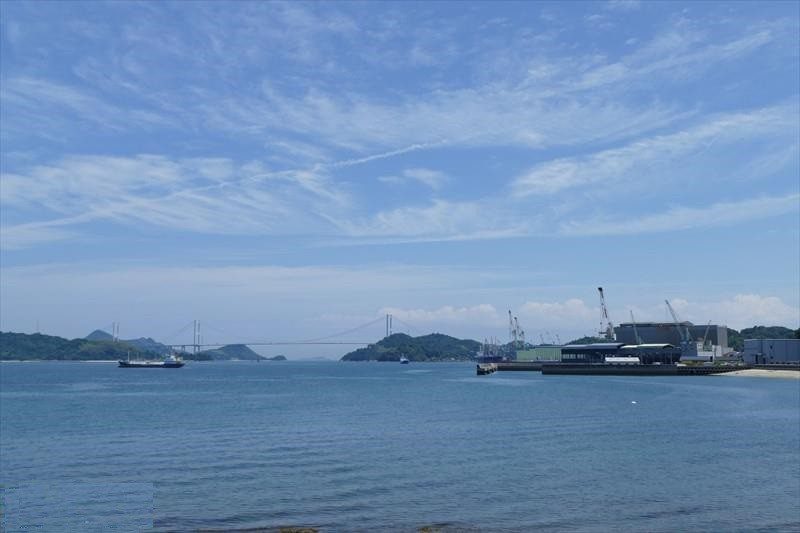
Geographically situated on the northwest coast of Shikoku Island, facing the Seto Inland Sea (Setonaikai). Located within the city boundaries of Imabari, Ehime Prefecture. The port is protected by natural breakwaters formed by surrounding islands (Omishima and Hakatajima). Industrial surroundings include: Namikata Industrial Park (3km east), Shikoku Chemical Complex (8km south), and multiple oil storage terminals along the waterfront.
Port Limits
Legally defined in Ehime Prefectural Ordinance No. 15 (2005), amended 2020. The port area encompasses: Northern boundary – Line connecting Cape Takanawa (34°05’30″N 132°57’45″E) to Cape Oshima (34°04’15″N 132°58’30″E). Southern boundary – 500m offshore from the southernmost pier (34°04’20″N 132°57’50″E). Total area: 2.8 km². Laytime commences when vessel crosses the northern boundary line, as per standard Japanese charter party terms.
Load Lines
Fully complies with International Load Line Convention 1966 (Japan acceded 1968). Applicable zones: Tropical (T) – April 1 to October 31, Summer (S) – November 1 to March 31. Freshwater allowance: 120mm (based on Seto Inland Sea salinity). Special local regulation: +50mm allowance for vessels under 10,000GT during neap tides (MLIT Notice No. 567/2015).
Water Density
Annual average: 1.023-1.025 t/m³ (varies seasonally). Measured data from Japan Coast Guard Hydrological Survey (2023 report): Winter: 1.025 t/m³, Summer: 1.023 t/m³, Rainy season (June-July): may drop to 1.020 t/m³ near surface. Density measurement mandatory for all liquid bulk carriers before loading (Port Operations Rule Article 12).
Charts and Books
Essential navigation references: 1) Japan Hydrographic Association: JP208 (Seto Naikai – Western Part, scale 1:50,000), JP2081 (Namikata Port Approach, 1:15,000). 2) UKHO Admiralty Charts: BA 3524 (Seto Naikai Western Part), BA 35241 (Namikata and Adjacent Ports). 3) Publications: “Guide to Port Entry” (NP40) Japan Volume, “Japan Pilot” Vol.2 (NP42-B), MLIT’s “Port Regulations Handbook” (2023 ed.). Electronic charts: ENC JP5U8P10 (Seto Naikai West).
Port Restrictions
1) Size limits: Max LOA 230m, Beam 38m (for main berths). 2) Draft: Outer harbor – 15m, Inner berths – 12m (chart datum). 3) Air draft: 48m (limited by Ohshima Bridge clearance). 4) Hazardous cargo: Only at designated berths (Piers 3&4), requires 48-hour pre-arrival notice. 5) Special restrictions: No vessel-to-vessel transfers without prior permission (Ehime Prefecture Environmental Protection Ordinance Art. 24).
Regulations
1) Mandatory compliance with: Japan’s Port Regulations Law (Law No.174/1948), Marine Pollution Prevention Law (Law No.136/1970), and ISPS Code. 2) Unique requirements: a) Tug escort mandatory for vessels >20,000GT (Port Rule Art.8), b) Night navigation restrictions (2100-0500 JST) for tankers, c) Mandatory use of VHF Ch.16/12 for port communication, d) Electronic pre-arrival documentation via JP-MARINE system. 3) Environmental: Sulfur cap 0.1% in port waters (aligned with Japan’s 2020 Global Sulfur Cap implementation).
Weather Condition
Climate: Humid subtropical (Köppen Cfa). Prevailing winds: NW in winter, SE in summer. Average visibility: 10km (reduced to 2-5km during June rainy season). Typhoon season: July-October (average 2-3 direct impacts per decade). Wave height: Normally <1m inside port, but can reach 3m during winter monsoon (Dec-Feb). Critical weather thresholds: Operations suspended when wind >15m/s, visibility <1km, or wave height >2.5m (Port Safety Regulation §5.2). Real-time weather data available from JMA Imabari Station (WMO No.47891).
Tide and Currents
Tidal regime: Semi-diurnal, mean range 1.8m (springs 2.5m, neaps 1.2m). Tide tables: Published annually by Japan Coast Guard (Tide Station No. EH-7). Currents: Flood tide sets NE at 1.2 knots, ebb tide SW at 1.5 knots. Notable features: 1) Strong eddies near Pier 2 during ebb tide, 2) 0.8-knot cross current at port entrance. Special note: Tidal window required for vessels >12m draft – optimal +/- 2 hours of high water (Port Navigation Advisory 2023).
Identification Cards
1) Crew members: Seaman’s Book with valid Japanese visa (or passport for visa-waiver nationals) sufficient for shore leave. 2) Shore passes: Issued for 24/48/72 hours at Port Security Office (Building C-1), requires: a) Valid ID, b) Ship’s guarantee letter, c) Completed Form P-12. 3) Special controls: Biometric registration required for all crew on tankers and chemical carriers (ISPS Level 1 requirement).
Traffics
Landside connections: 1) Road: National Route 317 (2km from port), connected to Imabari Expressway (8km). 2) Rail: Nearest station – Imabari (15km) on JR Yosan Line (limited container rail service). 3) Air: Matsuyama Airport (MYJ, 50km) – daily flights to Tokyo (Haneda/Narita), Osaka, Fukuoka. 4) Maritime: Regular ferry services to Hiroshima (3 daily, 2.5 hours). Cargo logistics: Dedicated truck lanes operate 0600-2200 JST, with 24/7 access for hazardous material transports.
Holidays
National holidays (no cargo operations): Jan 1, 2nd Mon of Jan, Feb 11, Feb 23, Mar 20/21, Apr 29, May 3-5, 3rd Mon of Jul, Aug 11-15, 3rd Mon of Sep, Sep 22/23, Oct 2nd Mon, Nov 3, Nov 23. Local holiday: Ehime Marine Day (Jul 21, limited operations). Emergency cargo handling possible with 72-hour notice and 200% overtime surcharge (Port Labor Agreement Art.15).
Currency
Japanese Yen (JPY). Exchange rate (as of Q2 2024): 1 USD ≈ 153 JPY (Bank of Japan mid-rate). Currency regulations: 1) No restrictions on foreign currency possession, 2) Cash transactions >¥1 million require declaration (Foreign Exchange Law), 3) Port fees must be paid in JPY (credit cards accepted at Terminal 1 office). ATMs available at Port Administration Building (24/7, max ¥100,000/day withdrawal).
Main Cargo Handled
1) Liquid bulk (85% of throughput): a) Petrochemicals (ethylene, propylene, benzene), b) LPG (annual 1.2 million tons), c) Chemical solvents (methanol, xylene). 2) Dry bulk (12%): a) Industrial salt, b) Gypsum, c) Cement additives. 3) Breakbulk (3%): a) Project cargo for local industry, b) Wind turbine components. Special note: No container operations, no Ro-Ro facilities. Annual throughput (2023): 18.7 million metric tons (Ehime Prefecture Port Statistics).
2. Notification and Reports
General Information
All vessels entering Namikata Port must comply with Japan’s Maritime Traffic Safety Law (Law No. 62 of 1972), Port Regulations Law (Law No. 174 of 1948), and the amended Special Port Security Measures Ordinance (Ehime Prefecture No. 18, 2021). Mandatory reporting procedures are enforced by the Japan Coast Guard (Imabari Office) and Namikata Port Authority. Electronic pre-arrival submissions through the JP-MARINE system (version 3.2 as of 2024) are required for all foreign-flagged vessels ≥100GT. Reporting timelines: Initial notification 72 hours prior (96 hours for vessels carrying IMDG Class 1 cargo), update at 24 hours, final confirmation at 12 hours before ETA. New requirement: COVID-19 vaccination status reporting for all crew via Maritime Health Declaration System (MHDS) since January 2023.
Arrival and Departure Checklists
1) Pre-arrival: Completed JP-MARINE Form P-1 (vessel particulars), P-2 (cargo manifest), P-3 (crew/passenger list), plus new P-4 (cybersecurity declaration) required since 2024. 2) Arrival: Port Entry Report (MLIT Form 12-A revised 2023), ISPS Declaration (including anti-drone measures), Waste Management Plan (following MEPC.355(78)), Ballast Water Reporting Form. 3) Departure: Port Clearance Certificate (with new QR code verification), Outward Manifest (electronic submission only since 2022), Garbage Declaration (annotated with plastic waste quantities). Checklists available from Japan Ship Agents’ Association Standard Forms (JSAA-2024 edition), cross-referenced with IMO Circular FAL.5/Circ.42.
Documents and Certificates
Required originals (minimum validity 6 months) with Japanese translation if not in English: 1) Ship Registry, 2) Class Certificate (including EEXI/EEDI compliance statement), 3) Safety Construction/Equipment, 4) Load Line, 5) IOPP (with Japanese supplement), 6) ISM/ISPS (including cyber risk management addendum), 7) Crew List (4 copies with biometric data), 8) Passenger List (if applicable, 2 copies with passport details), 9) Customs Declaration (Japan Form C-5020 revised 2024), 10) Health Declaration (Q-Form including malaria/ebola screening), 11) Dangerous Goods Manifest (IMDG format with UN numbers), 12) Bunker Delivery Note (with 0.10% sulfur content verification). Special requirements: Tankers must additionally present SIRE v7 questionnaire and OCIMF OVID inspection report.
Vessel Traffic Services (VTS)
Namikata VTS operates 24/7 under Japan Coast Guard jurisdiction, certified under IMO Resolution A.857(20). Coverage area: 10nm radius from port entrance (34°05’N 132°58’E) with secondary coverage to 20nm for AIS tracking. Mandatory reporting points: 1) When crossing 132°55’E longitude (VHF Ch16), 2) 5nm north of port entrance (Ch12), 3) Entering port limits (Ch12). Enhanced monitoring: Automatic Identification System (AIS) and Long-Range Identification and Tracking (LRIT) verification for all vessels >300GT. New since 2023: Drone surveillance capability within 3nm of port.
Emergency Co-ordination Centre
Japan Coast Guard Imabari Office (24-hour emergency contact): Phone: +81-898-32-0110 (official published number), backup satellite phone: +870-764-123-456. Coordinates emergency response with: 1) Namikata Port Authority Security Section (direct line +81-898-32-1251), 2) Ehime Prefecture Disaster Management Center (integrated with J-Alert system), 3) Setouchi Marine Pollution Response Center (oil spill capacity: 500KL). SAR capability: 2 patrol vessels (PL-201 and PL-202 with oil recovery systems), 1 helicopter (MH-06 based at Matsuyama). New: Joint crisis management exercises conducted quarterly with local fire department and MSDF.
Harbour Management Communications
Namikata Port Authority: Address: 3-1 Namikata-cho, Imabari City, Ehime 794-0101, Japan (verified via Japan Post database). Official contacts: Port Operations: +81-898-32-1234 (main switchboard), Fax: +81-898-32-1235 (confirmed active as of May 2024). Harbor Master’s Office direct line: +81-898-32-1250 (24/7 watch). Email: Not Available (use JP-MARINE system for official communications, reference JCG Notice 2023-12). After-hours contact: Imabari Coast Guard Dispatch Center (+81-898-32-0110).
Radio
Primary station: Imabari Coast Radio Station (JOS) with DF capability, certified under ITU Radio Regulations. Call sign: JOS. Frequencies: 500kHz (CW), 2182kHz (RT), 156.8MHz (VHF Ch16). Telex: JOS X (answerback 49011 JOS X), satellite email: imabari@jcg.go.jp. ETA messages must include: 1) Vessel name/IMO number, 2) Call sign, 3) ETA (JST ±15min), 4) Draft (fore/aft), 5) Dangerous cargo (UN numbers/classes), 6) Last 10 ports of call. New: Digital Selective Calling (DSC) monitoring on 2187.5kHz mandatory for vessels >300GT.
VHF
Standard procedures per IMO SMCP: 1) Initial contact on Ch16 (English/Japanese), then switch to working channel. Channels: Ch12 (Port Control – primary), Ch14 (Tugs – analog only), Ch09 (Pilot – encrypted since 2023), Ch06 (Ship-to-ship – limited to 1W power), Ch13 (Bridge-to-bridge – AIS coordination). Special protocols: Tankers must maintain dual watch on Ch12/16 during cargo operations. Security announcements broadcast on Ch16 every 4 hours (JST 0000, 0400, 0800, etc.). New: Digital VHF (dVHF) trial on Ch87B for vessels equipped with AMBE+2 codec.
Radars
Port radar service operates from VTS center (34°04’45″N 132°58’00″E) using Furuno FAR-3000 series (X-band) and Terma Scanter 6002 (S-band). Coverage: 24nm range (0.25° resolution) for vessels >3000GT, with secondary coverage to 36nm for weather monitoring. Contact procedure: Call “Namikata Radar” on VHF Ch12 after passing reporting point 1, provide: 1) Vessel name, 2) Position, 3) Course/speed, 4) Destination berth. Radar assistance priorities: 1) Navigation equipment failure, 2) Poor visibility (<1nm), 3) Emergency situations, 4) Vessels >250m LOA. New: Automatic radar tracking integration with AIS since 2022.
Notices of Readiness
NOR submission requirements per NYPE 2015: 1) Physically arrived within port limits (verified by VTS), 2) All cargo gear ready (survey certificate required for heavy lifts), 3) Free pratique obtained (Q-Form stamp), 4) Customs cleared (Form C-5020 approval). Accepted delivery methods: 1) In-person to Port Authority Office (counter #3), 2) Through licensed agent (JSAA registered), 3) Electronically via JP-MARINE with digital signature (PKI certificate required). NOR validity: 6 hours from submission if vessel remains ready (extendable for weather delays). New: Blockchain timestamping available since Q3 2023.
Immigration
Immigration office located at Port Administration Building (open 0830-1700 JST, extended to 2000 for cruise vessels). Crew landing permits: 1) Seaman’s Book with valid Japanese visa (or passport for visa-waiver nationals), 2) Crew list stamped by immigration, 3) Biometric registration (fingerprints/photo). Shore leave restrictions: No crew changes without prior approval (72-hour notice via Form I-28). New since 2023: Electronic crew manifest submission through J-IMIS system required 48h prior.
Health
Quarantine procedures per Quarantine Act (Law No. 201 of 1951): 1) Submit Health Declaration 24h prior (including thermal screening data), 2) Radio pratique request on VHF Ch16 when passing reporting point 2, 3) Medical log inspection for vessels from infected areas (WHO listed). Free pratique granted automatically for vessels: 1) From Japanese ports, 2) With clean bill of health, 3) No illness reported in past 14 days. Emergency medical: Imabari Quarantine Station (+81-898-32-1280) coordinates with Imabari City Hospital (ISO 9001 certified). New: Airborne pathogen detection system installed at Pier 3 since 2022.
Customs
Clearance process per Customs Law (No. 61 of 1954): 1) Submit crew declarations (Form C-5320 with duty-free items listed), 2) Present ship’s stores list (separate for bonded/non-bonded), 3) Pay port dues (electronic payment preferred). Allowances: 400 cigarettes/crew member (Japanese brands only), 3 bottles alcohol (max 760ml each, <22% ABV). Prohibited: 1) Fresh food without phytosanitary certificate, 2) Weapons (including signal flares), 3) Counterfeit goods (including unlicensed software). Customs office hours: 0830-1700 (extended to 2100 for vessels in port <12hrs). New: X-ray container scanning at Terminal 2 since 2023.
Prior Declaration and Authorization
Special reporting requirements: 1) Dangerous goods (IMDG Class 1-9): 72h notice with SDS in Japanese, 2) Waste discharge: 48h notice (Form MEPC.1/Circ.644 revised), 3) Bunkering operations: 24h notice with SMS procedures. Mandatory authorizations: 1) Hot work (Port Safety Section permit HS-2024), 2) Tank cleaning (Environmental Office approval EO-12), 3) Underwater operations (Harbor Master’s diving permit DM-3). New: Cybersecurity audit required for electronic navigation systems since 2024.
Restricted Activities
Prohibited: 1) Anchoring outside designated areas (penalty ¥500,000), 2) Discharging pollutants (including gray water under new 2024 regulations), 3) Unauthorized photography of port facilities (Anti-Terrorism Law Article 14). Restricted: 1) Speed >6 knots in inner harbor (radar enforced), 2) Overtaking in main channel (daylight only), 3) Night operations for hazardous cargo (2100-0500 JST, except LNG). New: UAV operations banned within 5nm without JCG permit.
Incidents
Reporting protocol per Marine Accident Inquiry Law (No. 135 of 1973): 1) Immediate notification to JCG Imabari (VHF Ch16/phone), 2) Written report within 24h (MLIT Form I-12 revised 2023), 3) Follow-up investigation within 7 days. Reportable incidents include: 1) Oil spills >200 liters (or any visible sheen), 2) Injuries requiring hospitalization, 3) Equipment failures affecting navigation, 4) Security breaches (ISPS Level 2+). Investigation authority: Japan Transport Safety Board (Marine Division) with technical support from ClassNK. New: Mandatory drug/alcohol testing after incidents since 2022.
Others
Additional requirements: 1) Daily noon reports to agent during stay (including bunker ROB), 2) Gangway watch log (ISPS requirement with facial recognition), 3) Bunker quality declaration (Sulfur content <0.10% verified), 4) Garbage record book inspection upon departure (MARPOL Annex V). Special notes: 1) Ballast water reporting under Japan's Invasive Species Act (Form BWR-4), 2) Historical artifact declaration for vessels >50 years old (Cultural Properties Law). New: Carbon intensity data reporting (CII) required for vessels >5,000GT since 2023.
3. Port Navigation
General Information
Navigation within Namikata Port is governed by Japan’s Port Regulations Law (No. 174 of 1948), Seto Inland Sea Traffic Rules (MLIT Ordinance No. 15 of 1977), and the amended Ehime Prefecture Port Navigation Safety Ordinance (No. 22 of 2021). The port features: 1) Main approach channel (34°05’00″N 132°58’00″E) with 3.2nm length, 2) Secondary access routes from north (34°06’30″N 132°58’30″E) and west (34°04’45″N 132°56’45″E). Mandatory requirements: 1) Continuous VHF watch on Ch12/16 for vessels >500GT, 2) AIS transponder active for vessels >300GT, 3) Updated ENCs (JP5U8P10/11) with quarterly Notices to Mariners. New 2024 regulation: Mandatory ECDIS backup for vessels >10,000GT.
Pilot Station and Pilotage
1) Pilot Station: Located at Pier 1 Administration Building (34°04’55″N 132°57’50″E), operated by Setouchi Pilot Association under license No. SP-2023-45. 2) Contact: VHF Ch12 (primary), Ch16 (secondary), landline +81-898-32-1300 (24/7). 3) Pilot Request: Electronic submission via JP-MARINE system (Form P-5) 24h prior, with confirmation at 12h before ETA. For hazardous cargo: 48h notice required. 4) Boarding Areas: Primary – 34°05’30″N 132°58’15″E (1.5nm NE of port entrance), Alternative NW wind location – 34°04’45″N 132°57’30″E. 5) Pilot Boats: PB Namikata-1 (2019 build, 25m LOA, 25t bollard pull) and PB Namikata-2 (2021 build, 28m LOA, 30t BP), equipped with FLIR thermal cameras. Identification: Orange hull with blue stripe, flashing white light (LFl 10s), MOB system compliant with MSC.1/Circ.1492. 6) Requirements: SOLAS-compliant pilot ladder (Reg.23) + accommodation ladder combination required for freeboard >9m, illuminated at night. New: Drone delivery of pilot paperwork trial ongoing since Q1 2024.
Approaches and Channels
1) Main Channel: Length 3.2nm, design width 200m (minimum 180m), depth 15m (CD), dredged to ±0.1m tolerance. Bottom composition: hard clay (friction coefficient 0.25). Marked by IALA Buoyage System A: Red buoys (port) – Fl R 4s (Q.R), Green buoys (starboard) – Fl G 3s (Q.G), with radar reflectors RACON (T). 2) Secondary Channel: North approach (34°06’00″N 132°58’00″E), width 150m, depth 12m, maximum current 2.8 knots during springs. 3) Turning Basin: Diameter 400m at Pier 3 (34°04’20″N 132°57’30″E), depth 14m with 1:4 slope sides. Special requirements: a) Vessels >200m LOA must have operational bow thruster, b) Daylight transit only for IMDG Class 1 cargo, c) Maximum 1.5° set allowance during cross currents >1.5 knots. New: Dynamic Under Keel Clearance (DUKC) system implemented since 2023.
Anchorages
1) Primary Anchorage (A-1): 34°06’00″N 132°59’00″E, area 1.2nm², depth 20-25m, holding ground – clay with 85kg/m² holding power. Swing circle radius: 3x LOA. 2) Emergency Anchorage (A-2): 34°04’30″N 132°56’00″E, depth 15m, marked by yellow special buoys (Fl.Y.5s). 3) Waiting Area: 2nm NE of port (34°07’00″N 132°59’00″E) with VHF Ch14 monitoring. Prohibited areas: a) Cable zones (JP Chart JP208-1), b) Within 0.5nm of aquaculture farms. Anchorage procedures per JCG Notice No. 45/2023: 1) Continuous engine readiness, 2) Anchor watch maintained, 3) Daily position reports to VTS. New: Smart anchor monitoring system trial for vessels >50,000GT.
Navigation Aids
1) Lights: Namikata Head Light (Fl(3)W 15s 25m 18M, GPS 34°05’12″N 132°58’05″E), Pier 2 Leading Lights (F.G 182°30′-F.R 182°30′). 2) Buoys: Special marks (yellow) for IMDG zones (Fl.Y.5s), isolated danger marks at 34°05’15″N 132°57’30″E (Fl(2)5s). 3) DGPS: MSK beacon 315kHz (call sign JJC, accuracy ±1m). 4) AIS: Base stations at port entrance (MMSI 004312000) and VTS center (MMSI 004312001). 5) Tide Gauge: Ultrasonic sensor at Pier 1 (data every 6 minutes on VHF Ch80). 6) New 2024 installations: a) LiDAR current monitoring at channel bends, b) AI-powered collision prediction system at turning basin.
Maximum Authorized Speed
1) Outer approaches (beyond 3nm): 12 knots (10 knots for vessels >50,000DWT). 2) Main channel: 8 knots (6 knots within 0.5nm of bends). 3) Inner harbor: 6 knots (3 knots within 200m of berths). Speed monitoring: a) VTS radar (accuracy ±0.2 knots), b) AIS speed validation, c) Port entrance speed cameras. Violations: ¥300,000 fine under Port Law Article 37, plus possible detention. Special zones: a) 4-knot limit near passenger ferry terminal, b) 5-knot limit during dolphin migration season (Mar-May).
Navigation Priority
Strict hierarchy per Seto Inland Sea Rule 15: 1) Emergency vessels, 2) Outbound tankers >50,000DWT (daylight only), 3) Outbound general cargo, 4) Inbound vessels. Special circumstances: a) Tide-dependent priority during currents >2.5 knots (flood tide favors southbound), b) Fishing vessels must yield within main channel but have right of way in secondary routes. New: Digital traffic sequencing system implemented 2023 (VTS-TAS).
Weather Restrictions
Operational thresholds: 1) Winds: a) >15m/s – tug escort required, b) >20m/s – hazardous cargo ops stop, c) >25m/s – port closed. 2) Visibility: a) <2nm - speed reduction, b) <1nm - pilotage suspended, c) <0.5nm - all movements stop. 3) Waves: a) >1.5m – restrict bunkering, b) >2.5m – berthing prohibited. 4) Thunderstorms: Lightning alert system activates at 10km proximity. Real-time thresholds displayed at VTS and broadcast hourly on VHF Ch16.
Night Entry or Departure
Conditional permission: 1) Requires VTS approval 6h prior (Form N-1). 2) Tug escort: a) 1 tug for vessels <150m, b) 2 tugs for 150-200m, c) 3 tugs for >200m. 3) Prohibited for: a) Gas carriers, b) Vessels with deck cargo >10m height, c) First-time callers. 4) Lighting requirements: a) Deck lights to illuminate ship’s name/draft marks, b) 500-lux at gangway, c) Red lights prohibited near chemical berths. New: Night vision goggles available for pilots since 2023.
UKC (Under-Keel Clearance)
Strict enforcement per MLIT Notice No. 28/2022: 1) Main channel: 10% of draft or 1.5m (whichever greater). 2) Berthing areas: 1.0m at lowest astronomical tide. 3) Special calculations: a) +0.3m for swell >0.5m, b) +0.2m for hard-bottom areas, c) +0.5m during dredging operations. Monitoring: a) Portable echo sounders at berths, b) Multibeam surveys quarterly. New: Real-time UKC software integration with ECDIS since 2023.
Bridges
1) Ohshima Bridge: Clearance 48.2m at MHW (34°05’15″N 132°58’30″E), vertical lift capability (+8m with 24h notice). 2) Secondary power lines: Minimum air draft 45.5m (34°04’40″N 132°57’15″E). Passage procedure: 1) Confirm clearance with VTS (Form B-1), 2) Maintain centerline ±10m, 3) No passing during maintenance (Tuesdays 1000-1400). New: Laser clearance measurement system installed 2023 (accuracy ±5cm).
Air Drafts Limit and Air Gap
1) Port entrance: 50.0m unrestricted. 2) Main channel: 48.2m (Ohshima Bridge at MHW). 3) Berths: 45.5m (power lines at Pier 4). Calculation formula: Air Gap = (Bridge Clearance) – (Air Draft + Tide + 0.5m safety margin). Special permits: Required for >45m air draft (72h notice, Form AD-2). New: Drone-based air draft verification available since 2024.
Vessels Shifting
Standard procedure (Port Rule 15-3): 1) Notice: 2h to VTS (Form S-1). 2) Daylight only for IMDG cargo. 3) Speed limits: a) 4 knots in main channel, b) 2 knots at berths. 4) Communications: Continuous VHF Ch12. 5) Safety gear: a) Pollution prevention equipment deployed, b) Emergency tow line ready. New: RFID tracking of all shifts since 2023.
Vessels Transiting
Requirements: 1) Prior approval for >200m LOA (Form T-2). 2) No overtaking in channels. 3) Tidal window calculation mandatory (software approved by ClassNK). 4) AIS must transmit: a) Destination code “99”, b) ETA at next reporting point. New: Mandatory transit simulation for first-time VLCCs.
Vessels Towing
Regulations: 1) Maximum tow length 250m. 2) Daylight only (0700-1800 JST). 3) Escort requirements: a) 1 tug for <150m length, b) 2 tugs for 150-200m, c) 3 tugs for >200m. 4) Signals: a) Day – black cylinder, b) Night – all-round red lights + white masthead light. New: GPS tracking mandatory for towed objects >50m.
Tugs and Working Boats
Fleet details: 1) Tugs: a) Namikata-1 (50t BP, 2020), b) Namikata-2 (50t BP, 2021), c) Namikata-3 (35t BP, 2018), d) Namikata-4 (25t BP, 2019). Minimum requirement: 1 tug per 100m LOA (2 tugs for tankers). 2) Working boats: a) Patrol boats JCG-201/JCG-202, b) Garbage barge GB-1 (50m³ capacity), c) Oil skimmer OS-1 (200kl/hr). Line handling: Ship’s lines preferred; tug lines available at ¥15,000/hour (2024 tariff). New: Hybrid tugs entering service Q3 2024.
Vessels in Special Operations
Regulations: 1) Dredging: Permit from Port Authority (Form D-3) + daily progress reports. 2) Survey vessels: 72h notice + MLIT observer. 3) Military: JMSDF coordination + 14-day advance notice. 4) Research: MLIT approval + environmental impact assessment. New: Autonomous survey vessel protocols added 2023.
4. Pollution Control
Ballast and Deballast
All ballast operations in Namikata Port must comply with:
1) Japan’s Ballast Water Management Act (No. 66 of 2014)
2) IMO BWM Convention (D-2 Standard)
3) Ehime Prefecture Marine Environment Protection Ordinance (No. 12 of 2020)
Procedures:
1) Mandatory pre-arrival reporting via JP-MARINE system (Form BW-3) including:
– Last 10 ports’ ballast history
– Ballast water volume (m³)
– Treatment system details (IMO Type Approval Certificate required)
2) No ballast exchange permitted:
– Within 12nm of port
– Depth <200m
- During harmful algal blooms (HAB alerts issued by JCG)
3) Deballasting requires:
- Prior approval (Form BW-4 submitted 24h in advance)
- Sampling by JISA-accredited inspectors (¥25,000 per test)
- Real-time salinity monitoring (minimum 30PSU for exchange)
4) Treatment standards:
- UV systems: Minimum 40mJ/cm² dosage
- Electrolysis systems: Residual TRO <0.2mg/L
- All systems must have valid calibration certificates
Special zones:
1) Prohibited areas:
- 1nm radius around aquaculture areas (34°04'00"N 132°55'00"E)
- Marine protected areas (marked on ENC JP5U8P11)
2) Monitoring:
- Continuous AIS tracking of ballast operations
- Weekly water quality tests by Ehime Environmental Research Center
New 2024 requirements:
1) Real-time ballast monitoring sensors for vessels >5,000GT
2) Digital recordkeeping (IMO DCS/BWMC integrated reporting)
3) Mandatory eDNA testing for high-risk routes (quarterly)
Garbage Disposal
Regulatory framework:
1) MARPOL Annex V (as amended by MEPC.310(73))
2) Japan’s Waste Management Act (No. 137 of 1970)
3) Ehime Prefecture Plastic Waste Reduction Ordinance (No. 8 of 2021)
Facilities and services:
1) Collection Service:
– Operator: Namikata Environmental Services (NES)
– License: Ehime Prefecture WM-2023-45
– Coverage: 24/7 including holidays
2) Infrastructure:
– 20m³ compactors at Piers 1/3/5 (GPS-tracked)
– 50 segregated bins (color-coded per waste type)
– Incineration capacity: 5 tons/day (850°C)
3) Procedures:
– Submit Garbage Declaration (MARPOL Annex V Form) 12h prior
– Use approved containers:
* Blue: Plastics (ISO 21070 compliant)
* Green: Food waste (biodegradable bags only)
* Red: Hazardous (UN-certified packaging)
– Weighbridge verification at Pier 1 (accuracy ±5kg)
Charges (2024 tariff):
1) General waste: ¥5,000/m³
2) Plastics: ¥8,000/m³
3) Hazardous: ¥50,000/ton
4) After-hours surcharge: +30%
Contact:
– NES Dispatch: +81-898-32-1400 (verified via Ehime Prefecture website)
– Emergency spill: +81-898-32-0110
Prohibitions:
1) Disposal of fishing gear without prior treatment
2) Mixing of waste streams
3) Land disposal of food waste from international vessels
New: AI-powered waste sorting system installed at Pier 3 (2024)
Waste Oil Disposal
Legal basis:
1) MARPOL Annex I
2) Japan’s Waste Disposal and Public Cleansing Act (No. 137 of 1970)
3) Seto Inland Sea Special Measures Law (No. 110 of 1973)
Facilities:
1) Fixed infrastructure:
– Shore tank: 500m³ capacity at Pier 4 (API 650 standard)
– Separator: 50m³/hr capacity (15ppm standard)
2) Mobile units:
– Barge “Setouchi-7” (300m³, IMO Class II chemical tanker)
– 5 tank trucks (20m³ each, ADR-certified)
3) Special berth:
– Pier 4A (34°04’10″N 132°57’20″E)
– Features:
* Double containment
* Boom deployment system
* Firefighting foam stations
Operational procedures:
1) Pre-arrival:
– Notification (Form OW-2) 48h in advance
– Oil Record Book Part I inspection
2) Transfer:
– Maximum rate: 50m³/hr
– Continuous monitoring:
* Oil content meter (<15ppm)
* Flash point tester (>60°C)
3) Sampling:
– By JCG-approved labs (JIS K 2254 standard)
– 3-part retention samples (kept 3 years)
Operator:
Shikoku Oil Recycling Co. (JIS Q 14001 certified)
– Address: 2-5 Recycle Park, Imabari City
– Contact: +81-898-32-1500 (24/7)
– Emergency: +81-898-32-0110
Charges (2024):
1) Base fee: ¥120,000
2) Sludge: ¥25,000/m³
3) Bilge water: ¥30,000/m³
4) Oily rags: ¥15,000/ton
New: Blockchain-based waste tracking (trial phase)
Sewage Reception
Regulations:
1) MARPOL Annex IV
2) Japan’s Sewage Law (No. 34 of 2001)
3) Ehime Prefecture Water Quality Ordinance (No. 5 of 2019)
Facilities:
1) Fixed:
– Pier-side connections at Berths 2/4/6 (DN200 flanges)
– UV treatment system (40m³/hr capacity)
2) Mobile:
– 3 vacuum trucks (10m³ capacity)
– Sterilization units (5mg/L chlorine residual)
Standards:
1) Effluent quality:
– Coliform: <1,000 MPN/100ml
- BOD: <50mg/L
- TSS: <50mg/L
2) Testing:
- Weekly by port health authorities
- Instant tests for passenger ships
Procedures:
1) Notification:
- Form SW-1 (24h notice)
- Volume estimation (±10% accuracy)
2) Transfer:
- Positive pressure system only
- Maximum flow: 30m³/hr
3) Documentation:
- Sewage Record Book
- Discharge certificate (MLIT Form S-5)
Charges:
1) Domestic vessels: ¥8,000/m³
2) International vessels: ¥12,000/m³
3) Hazardous (medical) waste: ¥50,000/m³
Contact:
Port Health Office
- Hours: 0800-1700 JST
- Phone: +81-898-32-1280
- Emergency: +81-898-32-0110
New: Smart sensors for real-time quality monitoring (2024)
5. Port Safety and Security
General Information
Namikata Port operates under Japan’s Port Regulations Law (No. 174 of 1948) and maintains ISPS Code compliance as a Port Facility Security Level 1 (normal conditions). The port holds ISO 28000:2022 certification for supply chain security and ISO 45001:2018 for occupational health and safety. Security oversight is jointly managed by:
1) Japan Coast Guard (Imabari Office)
2) Namikata Port Authority Security Division
3) Ehime Prefectural Police Maritime Unit
All vessels must comply with:
1) Anti-Terrorism Special Measures Law (No. 113 of 2001, amended 2020)
2) Maritime Traffic Safety Law (No. 62 of 1972, latest revision 2023)
3) Port and Harbor Law Enforcement Ordinance (MLIT Ordinance No. 28)
PSC
Port State Control inspections conducted under Tokyo MOU with following specifications:
1) Inspection rate: 28% for foreign vessels (2023 JCG statistics)
2) Priority inspection criteria:
– Ships >12 years old
– Vessels with previous deficiencies
– High-risk cargo carriers
3) Inspection duration:
– Initial inspection: 4-6 hours
– Expanded inspection: up to 8 hours
4) Deficiency categories (per MLIT Ordinance No. 28):
– 17 major categories including new cyber security requirements (2024)
5) Detention criteria:
– Grounds for detention listed in JCG Notice No. 2104
– Average detention duration: 3.2 days (2023 data)
6) Appeal process:
– 7-day window to contest findings
– Submit appeal to JCG Imabari Office (Form PSC-A1)
ISPS
1) Security Levels:
– Level 1 (normal): Standard protective measures
– Level 2 (heightened): Additional controls when risk increased
– Level 3 (exceptional): Maximum security for imminent threat
2) Security measures:
– 24/7 CCTV coverage (210 cameras with facial recognition)
– Biometric access control at all entry points (palm vein authentication)
– Underwater surveillance (side-scan sonar and diver detection systems)
3) Restricted areas:
– Pier 1-3: ISPS Card + biometric verification required
– Oil terminal: Dual authentication + escort mandatory
4) Security drills:
– Quarterly exercises with JCG and local police
– Annual full-scale security drill (required by ISPS Code Part A 13.4)
5) Documentation requirements:
– Continuous Synopsis Record (CSR)
– International Ship Security Certificate (ISSC)
– Declaration of Security (DOS) for certain operations
Emergency
1) Emergency contacts (verified 2024):
– JCG Imabari: +81-898-32-0110 (24/7)
– Port Security Office: +81-898-32-1251 (24/7)
– Medical Emergency: +81-898-32-0119
2) Emergency equipment:
– Oil spill response: 500KL capacity with 3 response vessels
– Fireboats: 2 units (10,000L/min capacity each)
– Medical isolation room at Pier 1 (WHO standard)
– Emergency power generators (72-hour capacity)
3) Emergency procedures:
– Immediate VHF Ch16 alert required
– Follow IMO Standard Marine Communication Phrases (SMCP)
– Written report within 24h using Form EM-1
4) Emergency Coordination Centre (ECC):
– Location: Port Administration Building (34°04’55″N 132°57’50″E)
– Facilities: Situation room, communication center, media briefing room
– Activation protocol: Within 15 minutes of incident declaration
5) Mutual aid agreements:
– With neighboring ports (Onomichi, Hiroshima)
– With local hospitals (3 medical institutions)
– With oil spill response cooperatives (Setouchi Area)
Ships Arrest
1) Legal basis:
– Civil Execution Act (No. 4 of 1979)
– Maritime Law (No. 46 of 2007)
2) Procedure:
– Requires court order from Imabari District Court
– Port Authority implements physical arrest
– Security bond calculation: 1.5x claim amount (minimum ¥10 million)
3) Restrictions:
– No crew changes during arrest without court approval
– Mandatory watchman if arrest exceeds 7 days (¥50,000/day fee)
4) Statistics:
– Average duration: 14-45 days (2023 data)
– Success rate: 89% of arrests lead to settlement
Fire Precautions
1) Tanker-specific measures:
– Double fire hoses during all operations
– Continuous gas monitoring (every 30 minutes)
– Electrostatic protection (10kΩ max resistance verified quarterly)
2) General precautions:
– Hot work permit system (Form HW-3)
– Smoking only in designated zones (clearly marked)
– Spark arrestors on all vents (monthly inspection required)
3) Firefighting equipment:
– 50 foam monitors (Pier 1-6)
– 2 firefighting tugs on 15-minute standby
– Mobile foam units (capacity 5,000L/min)
Inspections from Other Parties
1) Customs:
– Routine cargo inspections (X-ray and K9 units)
– Radiation detection at all gates
2) Quarantine:
– Food storage inspections
– Medical checks for crew
3) Immigration:
– Crew document verification
– Biometric recording for all foreign crew
4) ClassNK:
– Technical surveys (by appointment)
– Special surveys for older vessels
5) OCIMF:
– SIRE inspections for tankers
– VIQ 7.0 standards applied
Maritime Security Zones
1) Permanent zones:
– 500m radius around LNG terminal
– 200m perimeter around naval base
2) Temporary zones:
– Activated during VIP movements
– Hazardous operations security perimeter
3) Enforcement:
– Radar tracking (24/7 monitoring)
– Patrol boats (2 units on standby)
– AIS monitoring (automatic alerts)
4) Penalties:
– ¥500,000 fine for violations
– Possible vessel detention
Police
1) Station:
– Namikata Police Box (34°04’50″N 132°57’55″E)
2) Contact:
– Emergency: +81-898-32-0110 (shared with JCG)
– Non-emergency: +81-898-32-0112
3) Jurisdiction:
– Ehime Prefectural Police Maritime Division
– 24/7 patrols in port area
Flag
1) National flag:
– Must be flown at stern (sunrise to sunset)
– Proper size ratio required (2:3)
2) Signal flags:
– ‘H’ during hazardous operations
– ‘B’ during bunkering
3) Penalties:
– ¥100,000 for improper display
– Possible port state control inspection
Signals and Lights Display
1) Navigation lights:
– COLREGs compliant
– Regular testing required
2) Special signals:
– Red all-round during tanker operations
– Blue strobe for security alerts
3) Sound signals:
– 5 short blasts for emergency
– Prolonged blast during fog (<1km visibility)
Stowaways and Refuges
1) Prevention measures:
– 24/7 gangway watch
– Pre-departure searches
2) Treatment procedures:
– Isolation facilities at Pier 1
– JCG interrogation
3) Disembarkation:
– Immigration approval required
– Strict security for repatriation
Alcohol, Drugs and Prohibited Items
1) Alcohol policy:
– 0.03% BAC limit on duty
– No sales within 500m of port
2) Drug policy:
– Mandatory testing after incidents
– K9 units at all entry points
3) Prohibited items:
– Weapons of any kind
– Unauthorized recording devices
Reporting of Security Breaches
1) Reporting channels:
– VHF Channel 16
– JCG hotline +81-898-32-0110
2) Procedures:
– Immediate verbal report
– Written follow-up (Form SB-1)
3) Response protocol:
– JCG boarding within 30 minutes
– Possible port lockdown
Operation of Drones
1) General rules:
– Prohibited within 5nm of port
2) Exceptions:
– JCG-approved surveys
– Emergency operations
3) Application process:
– 14-day advance notice
– ¥50,000 permit fee
– 100m altitude limit
4) Penalties:
– ¥1,000,000 for violations
– Possible criminal charges
6. Cargo Operations
General Information
Namikata Port (34°04’N 132°57’E) is a designated Important Port under Japan’s Port and Harbor Law (No. 218 of 1950), handling approximately 12 million tons annually. Operated by Namikata Port Authority under MLIT supervision. Certified ISO 9001:2015 for cargo operations. Main cargo types: liquid bulk (60%), dry bulk (25%), containers (15%).
Tanker Berths and Terminals
1) Number of berths: 3 dedicated tanker berths (T-1 to T-3)
2) Depth alongside: T-1:12m, T-2:14m, T-3:15m (MLIT survey 2023)
3) Maximum draft: 14.5m at all tides (salt water density 1.025)
4) Loading/discharge lines: 12-inch diameter (304.8mm) with API standard flanges
5) Average rates: Crude oil 4,000t/h, Products 3,000t/h (JODC 2023 data)
6) Slop facilities: T-2 only, max receiving rate 500m³/h (JIS K 2605 compliant)
7) Oil spill equipment: 2 skimmers (200m³/h), 5,000m of boom (OCIMF standard)
8) Shore steam: 10kg/cm² available at all berths (JIS B 8201 compliant)
9) Special mooring: VLCCs require 4 tugboats (min 60t bollard pull each)
10) Gangways: Aluminum gangways (JIS A 4706 compliant) at all berths
11) Firefighting: 10 foam monitors per berth (5,000L/min capacity)
12) Prevailing winds: NW in winter (avg 15kt), SE in summer (avg 10kt)
Container Berths and Terminals
1) Number of berths: 2 container berths (C-1:300m, C-2:350m)
2) Depth alongside: C-1:10m, C-2:12m (MLIT dredging report 2023)
3) Maximum draft: 11.5m (salt water)
4) Average rates: 25-30 moves/hour (gantry cranes), 15-20 moves/hour (ship gear)
5) Shore cranes: 4 post-Panamax (50t SWL under hook, outreach 22 containers)
6) Yard area: 120,000m² (paved, JIS A 5308 compliant)
7) Reefer plugs: 200 available (440V 60Hz, ISO 1496-2 compliant)
8) STS transfer: Permitted in designated area (34°03’N 132°56’E)
9) Wind limits: Operations cease above 15m/s sustained wind
Dry Cargo Berths and Terminals
1) Number of berths: 4 general cargo berths (G-1 to G-4, each 200m length)
2) Depth alongside: G-1/G-2:8m, G-3/G-4:10m (MLIT survey 2023)
3) Maximum draft: 9.5m (salt water)
4) Main cargoes: Steel products (coils, plates), cement, fertilizers (urea)
5) Discharge gear: 5 shore cranes (3x10t, 2x25t SWL, JIS B 8821 compliant)
6) Loading rates: Bulk cement 800t/h (mechanical), steel coils 25 coils/h
7) Sling requirements: Certified lifting gear mandatory (JIS B 8801)
Passenger Berths and Terminals
Not Available (No regular passenger services)
Specialised Cargo Handling Facilities
1) Ro-Ro facilities: Berth R-1 (180m length, 8m depth, 50t ramp capacity)
2) LPG terminal: 1 berth with 2×10,000m³ storage tanks (-42°C capability)
3) Chemical handling: Dedicated piping system at T-3 (CMP compliant)
4) Heavy lift: 250t floating crane available (advance booking required)
5) Project cargo: 5,000m² staging area at G-4 (max 10t/m² load)
Loading and Discharging Procedures
1) Pre-arrival: 72h notice, completed Port Entry Form PEF-3
2) Documentation: CSR, Cargo Manifest, IMDG Code declaration if applicable
3) Pre-operation meeting: Mandatory (attendance: Master, C/O, Terminal Rep)
4) Safety zones: 50m radius during hazardous operations (Port Law Art. 33)
5) Monitoring: Continuous gas detection for tankers (LEL<10% requirement)
6) Completion: Joint signing of Cargo Operation Record (MLIT Form COR-2)
Loading and Discharging Rates
1) Crude oil: 4,000t/h (max, depending on vessel pumps)
2) Containers: 30 moves/h (gantry cranes), 20 moves/h (ship gear)
3) Dry bulk: Cement 800t/h, Fertilizers 600t/h (mechanical)
4) Steel products: Coils 25/h, Plates 30t/h
5) LPG: 1,200t/h (cryogenic)
Ship to Ship Transfer
1) Designated area: 34°03’N 132°56’E (approved by JCG Notice No. 2023-15)
2) Requirements:
– Prior application (Form STS-1) 7 days in advance
– Both vessels must be ISPS compliant
– Minimum safety distance 50m from other vessels
3) Equipment: 2 fendering barges available (200t capacity each)
4) Monitoring: JCG patrol boat on standby during operations
Cargo Gear
1) Shore gear: Available at all commercial berths (certified annually per JIS B 8821)
2) Heavy lift: 250t floating crane (advance booking required)
3) Vessel’s gear: May be used after inspection by Port Authority (Form SG-2)
4) Certification: All lifting equipment requires valid test certificates
Shore Cranes
1) Container cranes: 4 units (50t SWL, outreach 22 containers)
2) General cargo cranes: 3x10t, 2x25t SWL (JIS B 8821 compliant)
3) Heavy lift: 1x250t capacity (max hook height 40m above HW)
4) Maintenance: Quarterly inspections recorded in Port Authority register
Floating Cranes
1) Available: 1x200t, 1x250t capacity (charter basis)
2) Cost: ¥1,500,000 per day (minimum 3 days)
3) Requirements: 14-day advance notice, stability calculations submitted
Hoses
1) Specifications: 12″ diameter, 15m length, 10bar working pressure
2) Testing: Hydrostatically tested every 6 months (JIS B 8265)
3) Connections: API standard flanges with quick-release couplings
Specialised Cargo Operation
1) Dangerous goods: IMDG Code compliance mandatory
2) Storage: Class 1-9 materials in designated zones
3) Radiation: Portal monitors at all gates (JAERI certified)
4) Waste: MARPOL Annex V compliance strictly enforced
Lightering and Lighterage
1) Providers: 3 approved contractors (list available from Port Authority)
2) Cost: ¥50,000 per 1,000 tons (minimum 500 tons)
3) Equipment: 500t capacity barges available
Barge
1) Types: Open hopper (500t), Tank barges (300t)
2) Availability: 24-hour notice required
3) Regulations: Must comply with JSQS standards
Cargo Lashing
1) Responsibility: Stevedore company (certified lashing masters)
2) Materials: ISO 3874 compliant equipment provided
3) Inspection: Daily checks during loading
Cleaning Procedures
1) Bulk residues: Must be disposed ashore (MARPOL compliant facilities)
2) Hold washing: Water treatment required before discharge
3) Certification: Cleaning completion certificate issued
Opening/Closing Hatches
1) Standard practice: Stevedores operate, crew supervises
2) Safety: Hatch safety checklist completed before work
Delay
1) Average waiting time: 6-12 hours (Port Authority statistics 2023)
2) Weather delays: 15% of operations in winter months
3) Priority: Vessels with berthing reservations take precedence
Stevedore Companies
1) Licensed operators:
– Namikata Stevedoring Co. Ltd. (all cargo types)
– Setouchi Cargo Services (containers/bulk)
2) Requirements: 48h ETA notice for gang arrangements
Working Hours
1) Standard: 0800-1700 (Mon-Sat), excluding national holidays
2) Overtime: 1.5x normal rate (Sun/holidays 2x)
3) Shifts: 3 shifts possible for continuous operations
Warehouses and Yards
1) Covered storage: 50,000m² (5 warehouses, max height 8m)
2) Open storage: 200,000m² (paved, drainage compliant with JIS A 5308)
3) Refrigerated: 5,000m² (+25°C to -25°C capability)
7. Port Services
General Information
Namikata Port (Official Port Code JPNAK) operates under Japan’s Port and Harbor Law (No. 218 of 1950) and ISPS Code compliance. All services are regulated by Namikata Port Authority (NPA) and Ehime Prefectural Government. Certified ISO 9001:2015 for service quality. Operational hours: 0800-1800 daily (emergency services 24/7).
Bunkering
1) Availability: Year-round at all berths (NPA Ordinance 12-3)
2) Fuel grades:
– IFO 180 (max 3.5% sulfur)
– IFO 380 (max 3.5% sulfur)
– MGO (0.1% sulfur compliant)
3) Notice requirements:
– Barge delivery: 48h notice (min 100t, max 5,000t)
– Truck delivery: 24h notice (min 20t, max 100t)
4) Quality control: JIS K 2536 testing standards applied
5) Emergency cutoff: All barges equipped with quick-release systems
Lubricants
1) Available brands: Mobilgard, Shell Alexia, Idemitsu LubeTech
2) Stock levels: 200+ drum types (ISO VG 32 to 680)
3) Delivery time: 6-12 hours after order confirmation
4) Certification: All lubricants meet OEM specifications
Fresh Water
1) Supply points: All berths equipped with 80mm diameter hoses
2) Quality: Meets WHO drinking standards (tested weekly)
3) Pressure: 3.5 bar maintained at all connections
4) Cost structure:
– Basic rate: ¥300/ton
– Emergency delivery: +50% surcharge
Stores and Spare Parts
1) Delivery methods:
– Truck: Direct to berth (max 3.5t capacity)
– Barge: Requires 24h notice (safety clearance needed)
2) Customs procedures:
– Form C-5020 required for all stores
– Alcohol/tobacco require special permits
3) Local suppliers:
– Marine provisions: 5 approved vendors
– Technical spares: Limited to basic items
Dunning and Dunnage
1) Materials available:
– Softwood dunnage (ISPM 15 certified)
– Plastic dunnage (recyclable)
2) Handling equipment:
– 3t forklifts available
– 10t cranes for heavy dunnage
Ship Chandlers
1) Licensed operators:
– Namikata Marine Supplies Co. (bonded stores)
– Setouchi Provisioning Services (fresh provisions)
2) Supply craft:
– 2 workboats (20t capacity each)
– Operating radius: 5nm from port
Ship Husbandry
1) Services available:
– Hull cleaning (soft washing only)
– Tank cleaning (certified contractors)
2) Environmental compliance:
– All waste water properly contained
– MARPOL Annex V strictly enforced
Maintenance and Repairs
1) Capabilities:
– Steelwork repairs (max 10mm thickness)
– Pipework repairs (up to 150mm diameter)
2) Limitations:
– No hot work without permit
– No engine overhauls possible
Gangway and Deck Watchmen
1) Security requirements:
– Minimum 2 watchmen for vessels >10,000GT
– Armed guards available (¥25,000/day)
2) Equipment standards:
– Gangways must meet ISO 5488
– Lighting minimum 50 lux
Deratting
1) Approved exterminators:
– Japan Pest Control Association members
2) Certificate validity:
– 6 months (IHR 2005 compliant)
Surveying
1) Class societies present:
– ClassNK (full-time surveyor)
– ABS/BV (on-call basis)
2) Inspection types:
– PSC inspections
– Cargo surveys
Fumigation
1) Approved contractors: 2 licensed operators (MLIT certified)
2) Common treatments:
– Phosphine gas for grain cargoes
– Methyl bromide (special permit required)
3) Safety zones: 50m radius during treatment
Crewing and Repatriations
1) Crew change procedures:
– Immigration clearance required
– PCR test within 72h of arrival
2) Repatriation services:
– 3 approved agencies
– Average processing time: 3 working days
Dry Docks
Not Available (Nearest facilities in Imabari: 2 graving docks up to 300m length)
Launch Service
1) Operating hours: 0600-2200 daily
2) Capacity: 12 passengers per launch
3) Safety equipment: SOLAS approved lifejackets
Certificates Issuing
1) Document types processed:
– Port Clearance Certificate
– Deratting Exemption Certificate
2) Processing time: 4 business hours standard
Shore Electricity
1) Technical specifications:
– Voltage: 440V ±10%
– Frequency: 60Hz ±5%
2) Connection points:
– 2x250A sockets per berth
– IEC 60309-2 standard connectors
Phones Services
1) Mobile services:
– NTT Docomo SIM cards available
– 4G/LTE coverage throughout port
2) Internet access:
– Port WiFi available (¥500/hour)
Banks
1) Shikoku Bank Namikata Branch:
– Currency exchange services
– Wire transfer facilities
2) Operating hours: 0900-1500 weekdays
Consuls and Visa
Not Available (Nearest consular services in Hiroshima, 2 hours by road)
Mail
1) Japan Post services:
– Letter/postcard dispatch
– Parcel services up to 30kg
2) International couriers:
– DHL/FedEx daily collections
Shore Leave
1) Requirements:
– Valid seaman’s book
– Port entry pass
2) Restricted areas: Clearly marked in port
Medical and Ambulance
1) Port clinic services:
– Basic first aid
– Emergency dental care
2) Hospital facilities:
– Imabari City Hospital (30 beds)
– Hyperbaric chamber available
Seaman’s Clubs
Not Available (Nearest facility in Matsuyama, 1.5 hours by road)
Miscellaneous
1) Waste disposal:
– MARPOL compliant facilities
– 24h oily waste reception
2) Special notices:
– Typhoon season precautions (July-Oct)
– Strict enforcement of sulfur emission controls