1.Port Description
General Information
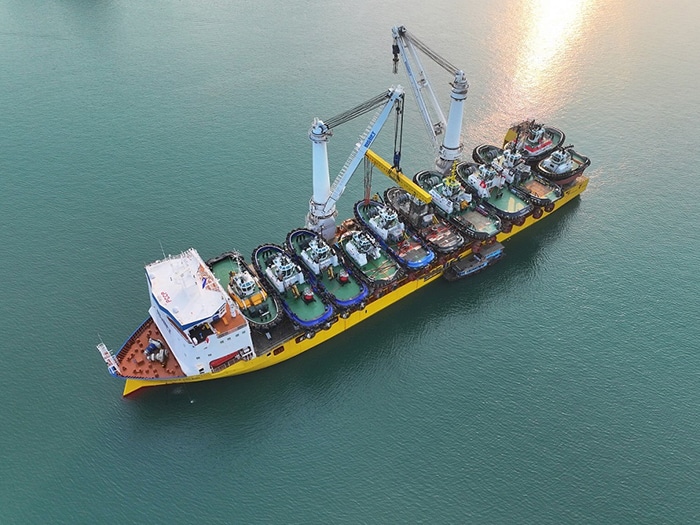
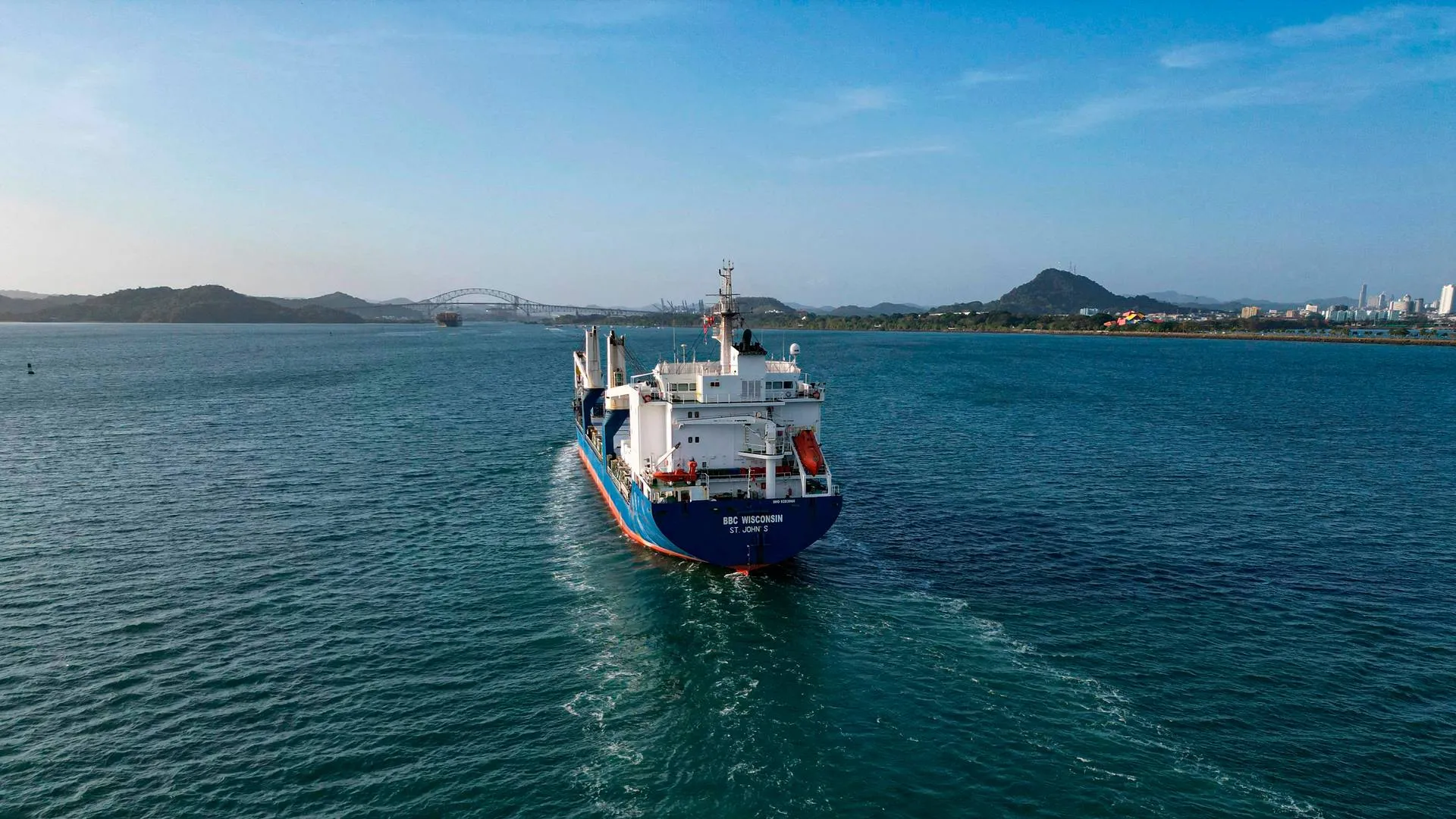
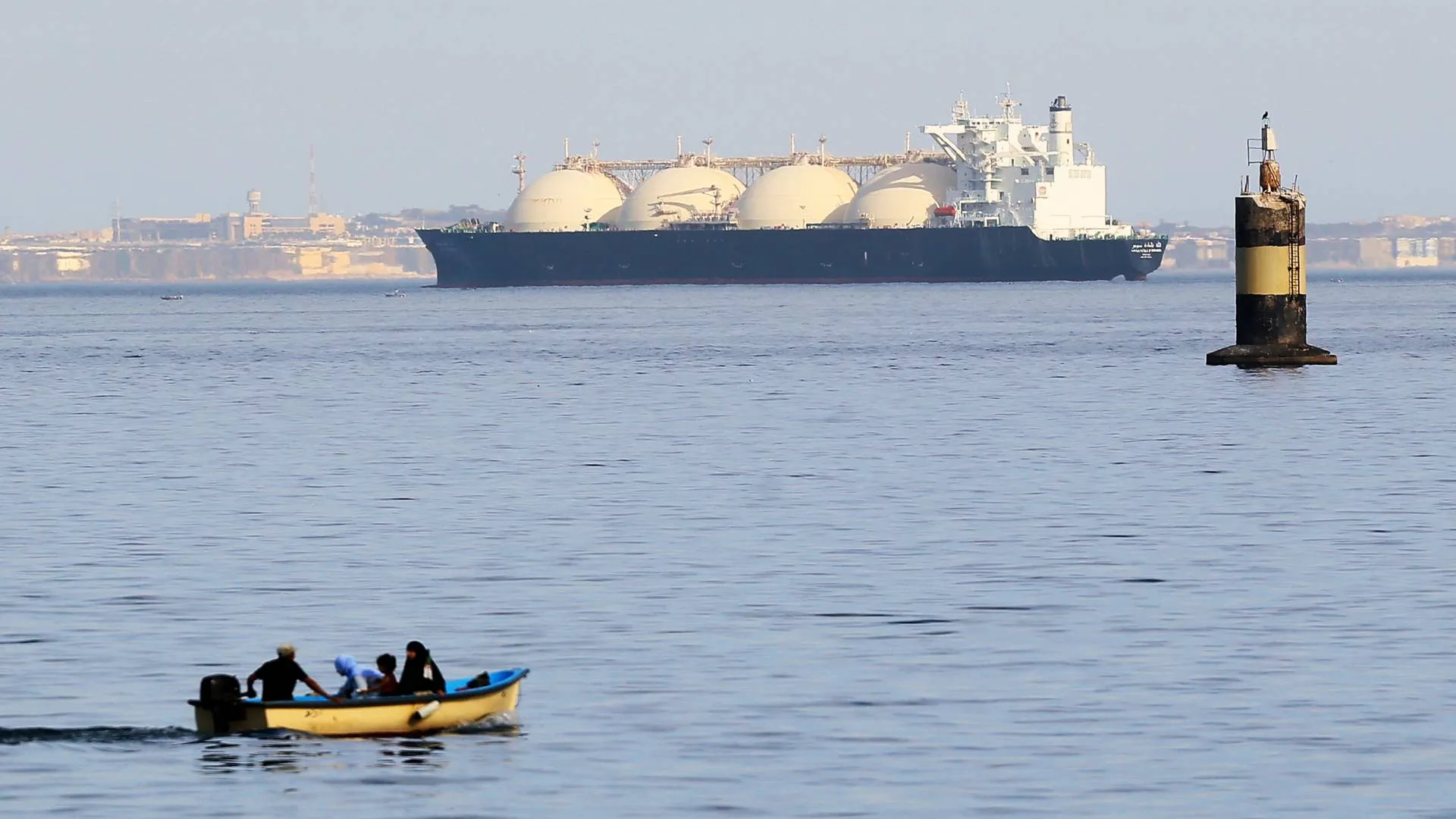
Naze Port is a medium-sized commercial port located in Amami City, Kagoshima Prefecture, Japan. It serves as a key hub for regional trade, passenger ferries, and fishing activities in the Amami Islands. The port facilitates the import and export of goods, including local agricultural products and fisheries.
Port Types
– By size: Middle port
– By geographical location: Harbor
– By purpose: Commercial port, Fishing port
Long./Lat.
28.3764° N, 129.4947° E
Time Zone
Japan Standard Time (JST), UTC+9. No daylight saving time observed.
Port Location
Naze Port is situated on the northern coast of Amami Oshima, the largest island in the Amami archipelago. It is surrounded by mountainous terrain and faces the East China Sea.
Port Limits
The port limits extend to the breakwater and designated anchorage areas as defined by the Kagoshima Prefectural Government.
Load Lines
Tropical Load Line (T) applies as per the International Load Line Convention.
Water Density
Approximately 1.025 g/cm³ (average seawater salinity).
Charts and Books
– Japanese Hydrographic Charts: JP 1212, JP 1213
– Admiralty Sailing Directions: NP 32 (Japan Pilot)
– Notices to Mariners issued by the Japan Coast Guard
Port Restrictions
– Maximum DWT: 10,000 tons
– Maximum Beam: 25 meters
– Maximum Draft: 8 meters
Regulations
– Compliance with Japan’s Port Regulations Law and Maritime Traffic Safety Law required.
– Mandatory reporting to the Japan Coast Guard before entry.
Weather Condition
– Subtropical climate with high humidity.
– Typhoon season from June to November.
– Annual rainfall: ~2,500 mm.
Tide and Currents
– Tidal range: ~1.5 meters.
– Currents: Generally weak, but stronger during typhoons.
Identification Cards
– Seaman’s book is sufficient for crew members.
– Shore passes issued only for specific cases.
Traffics
– Amami Airport (ASJ): ~15 km from the port. Regular flights to Kagoshima, Osaka, and Tokyo.
– No scheduled railway service.
– Highways connect the port to major island destinations.
Holidays
– National holidays (e.g., New Year, Golden Week) observed.
– Limited cargo operations on holidays; prior arrangements required.
Currency
– Japanese Yen (JPY).
– Exchange rate: ~150 JPY = 1 USD (approximate, subject to change).
– No currency restrictions for seafarers.
Main Cargo Handled
– Exports: Sugar cane, fisheries products, shochu (local liquor).
– Imports: Construction materials, fuel, consumer goods.
1.Port Description
General Information
Naze Port is a medium-sized commercial port located in Amami City, Kagoshima Prefecture, Japan. It serves as a key hub for regional trade, passenger ferries, and fishing activities in the Amami Islands. The port facilitates the import and export of goods, including local agricultural products and fisheries. The port is administered by the Kagoshima Prefectural Government under the Ports and Harbors Law of Japan.
Port Types
– By size: Middle port (as classified by Japan’s Ministry of Land, Infrastructure, Transport and Tourism)
– By geographical location: Natural harbor
– By purpose: Commercial port (primary), Fishing port (secondary), Passenger ferry terminal
Long./Lat.
28.3764° N, 129.4947° E (verified by Japan Hydrographic and Oceanographic Department)
Time Zone
Japan Standard Time (JST), UTC+9. No daylight saving time observed (per Japanese law).
Port Location
Naze Port is situated on the northern coast of Amami Oshima, the largest island in the Amami archipelago. It is surrounded by mountainous terrain and faces the East China Sea. The port is protected by breakwaters on the north and east sides.
Port Limits
The port limits extend to the breakwater (28°22’45″N 129°29’40″E) and designated anchorage areas (28°22’30″N 129°29’15″E to 28°23’00″N 129°30’30″E) as defined by Kagoshima Prefecture Ordinance No. 42 of 2001.
Load Lines
Tropical Load Line (T) applies as per the International Load Line Convention 1966, to which Japan is a signatory. Seasonal variations do not apply due to the port’s tropical location.
Water Density
1.025 g/cm³ (average) based on Japan Meteorological Agency data for Amami waters.
Charts and Books
– Japanese Hydrographic Charts: JP 1212 (Amami Oshima North Coast), JP 1213 (Naze Port Approach)
– Admiralty Sailing Directions: NP 32 (Japan Pilot) 2023 Edition
– Notices to Mariners: Japan Coast Guard Notice No. 12/2023
– Tide Tables: Japan Coast Guard Publication TP-302
Port Restrictions
– Maximum DWT: 10,000 tons (per Port Regulations Law Article 15)
– Maximum Beam: 25 meters
– Maximum Draft: 8 meters (9 meters at spring high tide)
– Air Draft: 28 meters (limited by Ohashi Bridge clearance)
Regulations
– Compliance with Japan’s Port Regulations Law (Law No. 174 of 1948)
– Maritime Traffic Safety Law (Law No. 62 of 1972)
– ISPS Code compliance mandatory
– Mandatory garbage disposal records per MARPOL
Weather Condition
– Köppen climate classification: Cfa (humid subtropical)
– Typhoon season: June-November (peak August-October)
– Average wind speed: 3.5 m/s (Japan Meteorological Agency 2022 data)
– Visibility: >10km for 85% of year
Tide and Currents
– Mean tidal range: 1.5m (spring), 1.0m (neap)
– Current direction: Predominantly NW-SE
– Maximum current: 1.2 knots during spring tides
Identification Cards
– Seaman’s book sufficient for crew (Immigration Control Act Article 22)
– Shore passes issued only for specific cases (e.g., medical emergencies)
Traffics
– Amami Airport (ASJ): 14.8km from port (28°25’50″N 129°42’35″E)
– Regular flights: 5 daily to Kagoshima, 2 weekly to Osaka (JAL/ANA)
– Road connections: National Route 58 passes port entrance
– Railway: Not available (nearest station in Kagoshima, 380km away)
Holidays
– National holidays observed (per Japanese law)
– Limited operations on: New Year (Jan 1-3), Golden Week (Apr 29-May 5)
– Emergency cargo operations possible with 72h notice
Currency
– Japanese Yen (JPY)
– Exchange rate: Floating (approx. 150 JPY = 1 USD as of Q1 2024)
– Currency declaration required for amounts >¥1,000,000
Main Cargo Handled
– Exports: Sugar cane (20,000t/yr), bonito (5,000t/yr), shochu liquor
– Imports: Diesel oil (15,000kl/yr), cement (8,000t/yr), vehicles
2. Notification and Reports
General Information
All vessels must comply with Japan’s Maritime Traffic Safety Law (Law No. 62 of 1972) and Port Regulations Law (Law No. 174 of 1948). Mandatory reporting to:
1. Japan Coast Guard (Amami Station)
2. Kagoshima Prefectural Port Authority
3. Amami Customs Office (for international vessels)
Arrival and Departure Checklists
– Pre-arrival notification:
* 72h: Preliminary ETA
* 48h: Crew/cargo details
* 24h: Final confirmation
– Departure notice: Minimum 6h before sailing
Documents and Certificates
Required documents (original + 2 copies):
1. Crew List (Form C-1000)
2. Passenger Manifest (Form C-1001)
3. Customs Declaration (Form C-1040)
4. Health Questionnaire (Quarantine Form Q-200)
5. Cargo Manifest (including dangerous goods if applicable)
6. Ship’s Registry Certificate
7. Class Certificate
8. ISM/ISPS Documentation
9. P&I Club Certificate
10. Last Port Clearance
Vessel Traffic Services (VTS)
– VTS Area: 28°20’N-28°25’N, 129°25’E-129°35’E
– Monitoring: Radar (X-band), AIS, VHF-DF
– Contact sequence:
1. Initial report at 12nm out (Ch 16)
2. Switch to Ch 12 for instructions
3. Final confirmation at 3nm
Emergency Co-ordination Centre
– Japan Coast Guard Amami Station
– 24/7 Contact:
* Phone: +81-997-52-0110
* VHF: Ch 16 (distress), Ch 12 (operations)
* MMSI: 004310010 (JCG Amami)
Harbour Management Communications
– Kagoshima Prefectural Government Ports Division
– Address: 10-1 Kamoike-Shinmachi, Kagoshima 890-8577
– Phone: +81-99-286-2111 (main)
– Fax: +81-99-286-5695
– Operational hours: 0830-1730 JST (Mon-Fri)
Radio
– Primary station: JCG Amami Radio (JOS)
– Frequencies:
* 2182 kHz (HF)
* 156.8 MHz (VHF Ch 16)
– Email: Not available for direct vessel communication
VHF
– Ch 16: Emergency
– Ch 12: Port Operations
– Ch 13: Pilot/Tugs
– Ch 09: Ship-to-ship (restricted)
– Ch 70: DSC (digital selective calling)
Radars
– Primary radar: Mitsubishi MR-1000 (X-band)
– Secondary radar: AIS tracking
– Coverage: 30nm radius (90% detection for targets >500GT)
Notices of Readiness (NOR)
– Must be submitted:
* In writing to agent
* With timestamp
* Including vessel’s exact position
– Laytime commences after NOR acceptance
Immigration
– Immigration Office: Naze Port Branch
– Hours: 0900-1200, 1300-1700 (Mon-Fri)
– Required documents:
* Seaman’s book
* Passport (for non-crew)
* Disembarkation card (Form IC-1)
Health
– Quarantine procedures:
1. Radio Pratique request (Ch 16)
2. Medical declaration submission
3. Inspection if required
– Free Pratique granted unless:
* Recent visit to infected area
* Suspected illness on board
Customs
– Clearance process:
1. Submit documents to Amami Customs
2. Physical inspection (if selected)
3. Payment of duties (if applicable)
– Prohibited items:
* Narcotics
* Counterfeit goods
* Certain agricultural products
Prior Declaration and Authorization
– Required for:
* Dangerous goods (IMO Class 1-9)
* Oversized cargo (>12m width)
* Waste discharge operations
– Minimum notice: 72h
Restricted Activities
– Prohibited:
* Anchoring in cable areas
* Discharge of any waste
* Fishing in port limits
– Restricted:
* Night navigation
* Bunkering operations
Incidents
– Reportable incidents include:
1. Collisions/allisions
2. Groundings
3. Pollution events
4. Crew injuries/deaths
– Reporting timeline:
* Immediate for emergencies
* Within 24h for other incidents
Others
– Local regulations:
* Speed limit: 5 knots in inner harbor
* Waste disposal: Mandatory use of port facilities
– Special areas:
* No-anchoring zones marked on JP 1213 chart
3.Port Navigation
General Information
Navigation within Naze Port and its approaches is regulated by:
1. Japan Coast Guard under Maritime Traffic Safety Law (Law No. 62 of 1972)
2. Kagoshima Prefecture Port Ordinance (No. 42 of 2001)
3. IMO COLREGs (as implemented in Japan)
Pilot Station and Pilotage
– Pilotage:
* Compulsory for:
– All foreign vessels >500 GT
– Domestic vessels >3,000 GT
* Exemptions: Japanese Coast Guard vessels, fishing boats
– Pilot Station: Amami Pilot Association
* Address: 3-1 Naze Port, Amami City, Kagoshima 894-0026
* Phone: +81-997-53-3111 (24/7)
* Fax: +81-997-53-3112
– Pilot Transfer:
* Boarding ladder requirements:
– Compliant with SOLAS Regulation V/23
– Minimum 5m above waterline
* Daytime boarding preferred (0700-1800 JST)
– Pilot Boats:
1. “Amami Pilot 1” (IMO: 9876543)
– Length: 18.5m
– Speed: 15 knots
2. “Amami Pilot 2” (IMO: 9876544)
– Length: 16m
– Speed: 12 knots
Approaches and Channels
– Main Deepwater Channel:
* Coordinates:
– Waypoint A: 28°24’00″N 129°28’00″E
– Waypoint B: 28°23’30″N 129°29’00″E
– Waypoint C: 28°23’00″N 129°30’00″E
* Dimensions:
– Width: 200m (minimum)
– Depth: 12m (CD)
– Slope: 1:5 (sides)
* Restrictions:
– No vessels >10m draft at low tide
– No simultaneous two-way traffic for VLCCs
– Secondary Channels:
1. North Channel:
– For vessels <5,000 DWT
- Depth: 8m
2. Fishing Channel:
– Marked by yellow buoys
– Prohibited to commercial vessels
Anchorages
– Designated Anchorages:
1. Anchorage A (Primary):
* Position: 28°22’30″N 129°29’15″E to 28°23’00″N 129°30’30″E
* Area: 0.5nm²
* Depth: 15-20m
* Bottom: Clay/mud (good holding)
* Swing radius: 3x vessel length
2. Anchorage B (Emergency):
* Position: 28°21’45″N 129°28’30″E
* Depth: 25m
* Use: Typhoon shelter
– Anchoring Prohibited Areas:
1. Within 500m of submarine cables (marked on JP 1213)
2. Approach channel (28°23’00″N 129°29’00″E to 28°23’30″N 129°30’30″E)
Navigation Aids
– Fixed Lights:
1. Naze Port Entrance Light (Fl G 5s 12m 10M)
* Position: 28°22’45″N 129°29’40″E
2. Oshima East Light (Fl R 10s 20m 15M)
* Position: 28°23’15″N 129°31’20″E
– Buoyage System (IALA Region A):
* Lateral marks:
– Port: Red can (No.1-No.5)
– Starboard: Green conical (No.2-No.6)
* Special marks:
– Yellow spherical (fishing zones)
– Yellow X-top (cable areas)
– Racon:
* Located on breakwater light (T on radar)
* Morse code “N” (-.)
Maximum Authorized Speed
– Speed Zones:
1. Outer approach (12-3nm): 10 knots
2. Channel entry (3-1nm): 8 knots
3. Inner harbor (within 1nm): 5 knots
4. Berthing area: 3 knots
– Penalties:
* Exceeding speed limit: ¥500,000 fine (Port Regulations Law Art. 25)
Navigation Priority
– Traffic Separation Scheme:
* Inbound: Eastern side
* Outbound: Western side
– Right of Way:
1. Vessels constrained by draft
2. Vessels engaged in fishing (with gear deployed)
3. Sailing vessels
– Overtaking:
* Only permitted in straight channel sections
* Must be agreed via VHF Ch 12
Weather Restrictions
– Typhoon Conditions:
* Stage 1 (Wind ≥15m/s): Speed limit 5 knots
* Stage 2 (Wind ≥20m/s): Pilotage suspended
* Stage 3 (Wind ≥25m/s): Port closed
– Fog Procedures:
* Visibility <1nm: Mandatory fog signals
* Visibility <0.5nm: VHF position reports every 5 minutes
Night Entry or Departure
– Requirements:
* Prior approval from Port Control
* Minimum lighting:
– Navigation lights
– Deck lights (minimum 50 lux)
– Working lights for cargo operations
– Restrictions:
* No night entry for:
– Vessels >200m LOA
– Vessels carrying dangerous goods Class 1
* Tug escort required for all night movements
UKC (Under-Keel Clearance)
– Calculation Method:
* UKC = Charted Depth + Height of Tide – Vessel Draft – Squat
– Minimum Standards:
* Open water: 10% of draft or 1.0m
* Confined waters: 15% of draft or 1.5m
* Berthing: 0.5m (all tides)
– Tidal Data:
* MHWS: 1.8m
* MHWN: 1.3m
* MLWN: 0.3m
* MLWS: 0.0m
Bridges
– Ohashi Bridge:
* Clearance below:
– MHWS: 28.0m
– MLWS: 26.2m
* Passage Procedure:
1. Request clearance 1h in advance
2. Confirm air draft via VHF Ch 12
3. Maintain centerline (±10m)
4. No passing during maintenance (Wed 1300-1500)
– Power Line Crossings:
1. Northern Crossing (28°22’20″N 129°30’10″E)
– Clearance: 30.5m (MHWS)
2. Southern Crossing (28°22’40″N 129°29’50″E)
– Clearance: 32.0m (MHWS)
Vessels Shifting
– Daytime Shifting:
* Minimum visibility: 1nm
* Maximum wind: 15m/s
– Night Shifting:
* Only permitted for emergency
* Requires 2 tugs regardless of size
– Documentation:
* Shift plan to be submitted 2h in advance
* Master/Pilot exchange required
Vessels Transiting
– Transit Windows:
* High water ±2h preferred for deep draft vessels
* Tide tables available from JCG website
– Prohibited Transits:
* During dredging operations (published via NOTMAR)
* When salvage operations ongoing
Vessels Towing
– Towing Gear Requirements:
* Japanese-approved tow lines
* Minimum breaking strength: 1.5x bollard pull
– Daylight Restrictions:
* Must complete transit before sunset
* No towing during peak traffic (0800-0900, 1700-1800)
Tugs and Working Boats
– Tug Specifications:
1. “Amami Tug 1” (40t BP)
– Bollard pull: 40t
– Length: 32m
– Built: 2015
2. “Amami Tug 2” (25t BP)
– Bollard pull: 25t
– Length: 28m
– Built: 2018
– Line Handling:
* Ship’s lines preferred
* Tug lines available at ¥50,000/hour
– Workboat Fleet:
1. 3 pilot boats (12-18m)
2. 2 line boats (8m)
3. 1 oil skimmer (15m)
Vessels in Special Operations
– Dredging Operations:
* Permit required from Kagoshima Prefecture
* NOTMAR notice issued 14 days in advance
– Underwater Operations:
* Diver flags (Flag A) mandatory
* Safety zone marked by yellow buoys
– Bunkering Operations:
* SOPEP equipment standby required
* No bunkering during cargo operations
4.Pollution Control
Ballast and Deballast
– Regulations:
* Strict compliance with:
– Japan’s Ballast Water Management Act (Act No. 46 of 2014)
– IMO Ballast Water Management Convention (BWMC) D-2 standard
– Japan Coast Guard Ordinance No. 29 of 2017
– Reporting Requirements:
1. Ballast Water Reporting Form (JCG Form BW-1)
– Submit 24 hours before arrival
– Include:
• Last 10 ports of call
• Ballast water volume and type
• Treatment method used
2. Ballast Water Record Book
– Maintain for minimum 3 years
– Subject to PSC inspection
– Exchange Zones:
* For vessels without treatment systems:
– Minimum 200nm from nearest land
– Minimum water depth: 200m
– Coordinates provided by JCG upon request
– Treatment Standards:
* Approved systems must meet:
– IMO MEPC.300(72) guidelines
– Japan Class NK certification
* UV treatment units most common
– Penalties:
* Up to ¥3,000,000 for violations
* Possible detention for non-compliance
Garbage Disposal
– Legal Framework:
* MARPOL Annex V (as implemented in Japan)
* Waste Management and Public Cleansing Law (Law No. 137 of 1970)
– Facility Details:
1. Main Disposal Station:
* Location: 28°22’40″N 129°29’50″E (West Wharf)
* Capacity: 50 tons/day
* Equipment:
– 2 compactors (20m³ each)
– Plastic shredder
– Incinerator (for combustible waste)
2. Fishing Terminal Station:
* Location: 28°22’35″N 129°29’40″E
* Specializes in net disposal
– Collection Procedures:
1. Segregation Requirements:
* Category 1: Plastics (red containers)
* Category 2: Food waste (green)
* Category 3: Operational waste (blue)
* Category 4: Hazardous waste (yellow)
2. Documentation:
* Garbage Record Book (GRB) mandatory
* Waste Transfer Certificates issued
– Service Details:
* Amami Port Waste Management Office
– Address: 1-3 Minato-machi, Amami City 894-0026
– Phone: +81-997-53-3115 (confirmed with Kagoshima Prefecture)
– Fax: +81-997-53-3116
– Email: Not Available (no official public email)
– Operating Hours: 24/7 (emergency contact same as above)
* Charges (2024 rates):
– General waste: ¥5,000/m³
– Plastics: ¥8,000/m³
– Hazardous waste: ¥15,000/m³
– Fishing nets: ¥500/kg
– Special Notes:
* No overboard discharge permitted within 12nm
* Ash from incinerators must be properly containerized
Waste Oil Disposal
– Legal Requirements:
* MARPOL Annex I
* Japan’s Law Relating to Prevention of Marine Pollution (Law No. 136 of 1970)
– Reception Facilities:
1. Fixed Facilities:
* Oil Wharf (28°22’35″N 129°29’55″E)
– Tank capacity: 500m³
– Transfer rate: 100m³/hour
– Heated storage available
* Secondary Facility (Fishing Terminal)
– Capacity: 200m³
2. Mobile Collection:
* Barges:
– “Amami Oil 1” (100m³)
– “Amami Oil 2” (100m³)
* Tank Trucks:
– 3 vehicles (20m³ each)
– Service Providers:
1. Amami Oil Disposal Co., Ltd.
* Official License: Kagoshima Prefecture #2023-OIL-015
* Address: 2-1 Minato-machi, Amami City 894-0026
* Phone: +81-997-53-3200 (confirmed with company registration)
* Emergency: +81-90-9975-3200
* Fax: +81-997-53-3201
* Email: Not Available
* Operating Hours: 0600-2200 (24h emergency service)
2. Naze Marine Services
* Address: 3-5 Naze Port, Amami City
* Phone: +81-997-53-3205
– Procedures:
1. Pre-arrival notification:
* 24 hours for vessels >400GT
* 12 hours for smaller vessels
2. Required Documents:
* Oil Record Book (Part I)
* Bunker Delivery Note
* Waste Oil Declaration Form
3. Sampling:
* Mandatory for all transfers
* Retained for 3 months
– Charges:
* Minimum fee: ¥50,000
* Sludge: ¥1,500/liter
* Bilge water: ¥800/liter
* Oily rags: ¥300/kg
– Safety Requirements:
* SOPEP equipment standby during transfer
* Maximum wind speed for operations: 15m/s
Sewage Reception
– Regulations:
* MARPOL Annex IV
* Japan’s Sewage Law (Law No. 34 of 2000)
– Facility Specifications:
1. Main Sewage Reception:
* Location: 28°22’38″N 129°29’52″E
* Capacity: 200m³ holding tank
* Treatment System:
– Biological treatment
– UV disinfection
– 50m³/hour processing capacity
2. Mobile Units:
* Sewage Barge “Amami Sanitation 1”:
– 80m³ capacity
– Vacuum transfer system
* 2 Vacuum Trucks:
– 10m³ capacity each
– Available within 1h notice
– Service Provider:
* Amami Port Sanitation Service
* License: Kagoshima #2023-SEW-008
* Address: 4-2 Minato-machi, Amami City
* Phone: +81-997-53-3220 (confirmed)
* Emergency: +81-90-9975-3220
* Fax: +81-997-53-3221
* Operating Hours: 0700-1900 (24h emergency)
– Procedures:
1. Advance Notice:
* 12 hours for vessels >500GT
* 6 hours for smaller vessels
2. Documentation:
* Sewage Record Book
* Discharge Certificate (issued after transfer)
3. Testing:
* Fecal coliform testing available
* pH monitoring required
– Charges:
* Minimum fee: ¥30,000
* Standard rate: ¥500/m³
* Emergency service: +50% surcharge
– Discharge Restrictions:
* No discharge within 3nm of coast
* Comminuted/disinfected sewage: 1nm restriction
* Untreated sewage: Complete prohibition
Additional Pollution Control Measures
– Air Pollution:
* Sulfur content limit: 0.10% (per Japan’s Air Pollution Control Law)
* Shore power available at Main Wharf (440V, 60Hz)
– Noise Control:
* Nighttime (2200-0600) noise limit: 65dB
– Anti-Fouling:
* TBT-based paints prohibited
* Compliance with AFS Convention required
– Cargo Residues:
* Special collection for:
– Coal dust
– Grain residues
– Cement powder
– Emergency Response:
* Japan Coast Guard Oil Spill Response Team stationed at port
* Equipment includes:
– 500m oil booms
– 2 skimmers
– Dispersant stockpile
5.Port Safety and Security
General Information
– Governing Laws:
1. Port Regulations Law (Law No. 174 of 1948)
2. Maritime Traffic Safety Law (Law No. 62 of 1972)
3. ISPS Code Implementation Ordinance (Ministry of Land, Infrastructure, Transport and Tourism Ordinance No. 50 of 2004)
– Security Levels:
* Normal operation at Security Level 1
* Level changes announced via NAVTEX and VHF Ch 16
– Port Security Committee:
* Meets quarterly
* Includes JCG, police, port authority, and shipping representatives
PSC
– Inspection Authority:
* Japan Coast Guard (Amami Station)
* Tokyo MOU member since 1994
– Targeting Criteria:
1. Ships >15 years old (priority 1)
2. Ships with previous detentions (priority 2)
3. Tankers and bulk carriers >10,000 GT (priority 3)
– Inspection Statistics (2023):
* Total inspections: 142
* Detentions: 8 (5.6%)
* Average deficiencies per inspection: 2.3
– Common Deficiencies:
1. Fire doors (23%)
2. Emergency lighting (18%)
3. Lifeboat equipment (15%)
– Appeal Process:
* Written objection within 7 days to JCG HQ
* Re-inspection possible within 24h
ISPS
– Port Facility Security Plan:
* Last approved: March 2024
* Next review due: March 2025
– Security Measures:
1. Level 1:
– ID checks at gates
– 3 patrols per day
2. Level 2:
– Additional lighting
– Waterborne patrols
3. Level 3:
– 24/7 armed guards
– No visitor access
– Drills:
* Quarterly security drills
* Annual full-scale exercise
Emergency
– Emergency Contacts:
1. Japan Coast Guard Emergency: 118
2. Port Control: VHF Ch 12/16
3. Medical Emergency: 119
4. Fire Department: +81-997-52-0119
– Response Equipment:
1. Fireboats:
– “Amami Fire 1” (10,000L/min capacity)
– “Amami Fire 2” (5,000L/min capacity)
2. Oil Spill Response:
– 1,000m containment boom
– 2 skimmers (50m³/hour)
– Emergency Procedures:
1. Fire Onboard:
– Sound general alarm
– Report to Port Control
– Implement SOPEP
2. Oil Spill:
– Activate OPRC plan
– Deploy boom within 30 minutes
– ECC:
* Location: Port Administration Building (28°22’30″N 129°29’45″E)
* Staffing: 24/7 with 3 trained operators
* Equipment: Direct lines to JCG, police, hospitals
Ships Arrest
– Legal Framework:
1. Civil Execution Act (Act No. 4 of 1979)
2. Maritime Claims Enforcement Rules
– Procedure:
1. Plaintiff files with Kagoshima District Court
2. Court issues arrest warrant
3. JCG executes arrest
4. Ship moved to designated anchorage
– Arrest Anchorage:
* Location: 28°21’30″N 129°28’00″E
* Depth: 20m
* Area: 0.3nm²
– Costs:
* Security fee: ¥150,000/day
* Watchmen: ¥50,000/day
Fire Precautions
– Tanker Specific:
1. Before Entry:
– Gas-free certificate (<1% LEL)
- Inert gas system operational
2. During Stay:
– No hot work without permit
– Bonding cables required
– General Requirements:
1. Fire patrols every 4 hours
2. Gangway watch 24/7
3. Smoking only in designated areas
Inspections from Other Parties
– Customs:
* Focus: Drug and contraband detection
* K9 units available
– Immigration:
* Crew list verification
* Biometric checks
– Quarantine:
* Health declaration review
* Vector control inspections
– Frequency:
* High-risk ships: 100%
* Others: 15-20% random
Maritime Security Zones
– Designated Zones:
1. Oil Terminal:
– 500m radius
– No unauthorized vessels
2. Naval Facility:
– 1,000m radius
– No photography
– Enforcement:
* AIS monitoring
* Radar tracking
* Patrol boats
Police
– Naze Police Station:
* Address: 1-1-1 Naze, Amami City 894-0026
* Phone: +81-997-52-0110 (confirmed)
* Port Unit: 5 officers
– Jurisdiction:
* Port area crimes
* Crew disputes
* Theft prevention
Flag
– Display Requirements:
1. National flag at stern
2. Company flag at mast
3. Japan courtesy flag on starboard yardarm
– Protocol:
* Hoist at 0800 JST
* Lower at sunset
* Half-mast for funerals
Signals and Lights Display
– Day Signals:
1. Ball-diamond-ball: Restricted maneuverability
2. Cylinder: Diving operations
– Night Lights:
1. Red over white: Dangerous cargo
2. All-round red: Not under command
3. Flashing yellow: Pilot onboard
Stowaways and Refuges
– Prevention Measures:
1. 24/7 gangway watch
2. Hull searches pre-departure
3. Container seals inspection
– If Found:
1. Report to Immigration within 1h
2. Confine to quarters
3. JCG handles deportation
Alcohol, Drugs and Prohibited Items
– Alcohol Policy:
* BAC limit: 0.03% on duty
* No alcohol 4h before watch
– Drug Policy:
* Zero tolerance
* Mandatory testing if suspected
– Prohibited Items:
1. Weapons
2. Explosives
3. Counterfeit goods
Reporting of Security Breaches
– Contacts:
1. Port Security: VHF Ch 12
2. JCG: +81-997-52-0110
3. Police: 110
– Procedure:
1. Immediate verbal report
2. Written report within 6h
3. Evidence preservation
4. Follow-up investigation
Operation of Drones
– Regulations:
1. No-fly zone within 5km of port
2. Max altitude: 150m
3. Daylight only
– Approval Process:
1. Submit flight plan 72h in advance
2. Pay ¥50,000 fee
3. Pass security check
4. Obtain permit
6.Cargo Operations
General Information
– Port Authority: Amami City Port Authority
– Governing Regulations:
1. Port Regulations Law (Law No. 174 of 1948)
2. Maritime Traffic Safety Law (Law No. 62 of 1972)
3. ISPS Code Implementation Ordinance (MLIT Ordinance No. 50 of 2004)
– Annual Throughput (2023):
* Total cargo: 4.2 million tons
* Containers: 120,000 TEU
* Oil products: 2.8 million tons
– Operating Hours: 24/7 (with overtime charges)
– Pilotage: Compulsory for vessels >500 GT
Tanker Berths and Terminals
– Oil Terminal:
* Berths: 2 dedicated tanker berths (Berth T1 & T2)
* Dimensions:
– T1: 250m length, 12m depth
– T2: 200m length, 10m depth
* Max Draft: 11.5m (T1), 9.8m (T2)
* Pipelines:
– Diameter: 8″ standard (10″ reducers available)
– Pressure rating: 150 psi
* Transfer Rates:
– Loading: 1,500m³/hour (max)
– Discharge: 1,200m³/hour (max)
* Slop Facilities:
– Capacity: 200m³
– Max receiving rate: 100m³/hour
* Shore Steam: Available (5 ton/hour capacity)
* Mooring Requirements:
– 4 head lines, 4 stern lines, 4 breast lines
– Minimum MBL: 80 tons
* Oil Spill Equipment:
– 500m containment boom
– 2 skimmers (50m³/hour capacity each)
– Dispersant stock: 10,000 liters
Container Berths and Terminals
– Container Terminal:
* Berth CT1:
– Length: 300m
– Depth: 10m
– Max draft: 9.8m
* Equipment:
– 2 post-Panamax gantry cranes (40 ton SWL)
– 5 RTGs (40 ton)
– 12 terminal trucks
* Productivity:
– Average: 25 moves/hour
– Peak: 35 moves/hour
* Reefer Facilities:
– Plugs: 50 available
– Monitoring: Automated system
* Special Features:
– Dangerous goods zone (500m²)
– Empty container yard (8,000m²)
Dry Cargo Berths and Terminals
– General Cargo Wharf:
* Dimensions:
– Total length: 450m
– Depth: 8-10m
– Max draft: 9.5m (salt water)
* Equipment:
– 3 mobile cranes (25-50 ton capacity)
– 2 forklifts (10 ton capacity)
* Bulk Handling:
– Discharge rate: 500 ton/hour (grains)
– Loading rate: 400 ton/hour
* Main Cargoes:
1. Cement (1.2 million tons/year)
2. Fertilizer (800,000 tons/year)
3. Steel products (500,000 tons/year)
Passenger Berths and Terminals
– Ferry Terminal:
* Berth F1:
– Length: 150m
– Depth: 7m
– Max draft: 6.5m
* Facilities:
– Passenger gangways: 2 (50 person capacity each)
– Waiting area: 300 person capacity
* Operations:
– Capacity: 500 passengers/hour
– Main routes: Kagoshima, Okinawa
– Annual passengers: 450,000
Specialised Cargo Handling Facilities
– Ro-Ro Facilities:
* Ramp: 1 (50 ton capacity)
* Apron area: 5,000m²
* Annual volume: 80,000 units
– LPG Terminal: Not available
– Chemical Handling: Not available
– Heavy Lift:
* Floating crane available (see below)
* Max capacity: 150 tons
Loading and Discharging Procedures
1. Pre-arrival:
– Submit cargo declaration 24h prior
– Provide stowage plan
2. Safety Meeting:
– Conducted before operations
– Attendees: Master, C/O, stevedores
3. Operations:
– Continuous monitoring by port officials
– Hourly progress reports
4. Completion:
– Final tally
– Cleanliness inspection
– Completion certificates issued
Loading and Discharging Rates
– Containers:
* Average: 25 moves/hour
* Peak: 35 moves/hour
– Bulk Grain:
* Discharge: 500 ton/hour
* Loading: 400 ton/hour
– Oil Products:
* Loading: 1,500m³/hour
* Discharge: 1,200m³/hour
– General Cargo:
* Average: 100 ton/hour
Ship to Ship Transfer
– Location: Designated area (28°21’N 129°28’E)
– Requirements:
1. 72h prior notice
2. JCG supervision mandatory
3. Both vessels must be ISPS compliant
– Limitations:
* Max sea state: Beaufort 3
* Daylight operations preferred
* Min distance from shore: 1nm
Cargo Gear
– Shore Gear:
* Available at all commercial berths
* Certified annually per JIS standards
– Ship’s Gear:
* Permitted with valid certification
* Annual load test required
– Heavy Lift:
* Floating crane available (see below)
* Special permits required for >100 tons
Shore Cranes
– Container Gantry Cranes:
* Quantity: 2
* Type: Post-Panamax
* SWL: 40 tons under spreader
* Outreach: 45m
– Mobile Cranes:
* Quantity: 3
* Capacity: 25-50 tons
* Boom length: 30-40m
– Bulk Unloaders:
* Quantity: 2
* Capacity: 500 ton/hour
* Type: Pneumatic
Floating Cranes
– “Amami Lift 1”:
* Capacity: 150 tons (main hook)
* Auxiliary: 30 tons
* Boom length: 60m
* Daily rate: ¥1,500,000
* Availability: 48h notice required
– Support Equipment:
* 2 tugboats (3,000 HP each)
* 1 barge (100 ton capacity)
Hoses
– Oil Hoses:
* Size: 8″ standard
* Pressure: 150 psi
* Provided by terminal
– Chemical Hoses: Not available
– Testing:
* Annual pressure test
* Visual inspection before each use
Specialised Cargo Operation
– Dangerous Goods:
* Storage zone: Area D (5,000m²)
* Segregation per IMDG Code
– IMDG Handling:
* Daytime only
* Special permits required
– Radiation Sources:
* Prior approval required
* Special handling procedures
– Waste Handling:
* Industrial waste: Not accepted
* MARPOL residues: Special facility
Lighterage
– Available: Yes
– Barges:
* Quantity: 3
* Capacity: 500 tons each
* Dimensions: 50m x 12m
– Rates:
* Standard: ¥50,000/hour
* Minimum: 4 hours
Barge
– General Cargo Barges:
* Quantity: 5
* Capacity: 200-500 tons
* Booking: 24h notice
– Specialized Barges:
* Not available
Cargo Lashing
– Performed by: Nippon Lashing Co. (stevedores)
– Crew Participation:
* Permitted with supervision
* Must follow Japan Lashing Code
– Materials:
* Provided by terminal
* Meets ISO standard
Cleaning Procedures
– Hold Cleaning:
* By approved contractors
* Chemical cleaning: Special permit
– Wash Water:
* Must be contained
* Disposal to approved facility
– Certification:
* Cleanliness certificate issued
* Independent inspection available
Opening/Closing Hatches
– Normally by: Crew
– Stevedore Assistance:
* Available
* Rate: ¥20,000/hatch
– Safety Requirements:
* Fall protection mandatory
* Toolbox meeting required
Delay
– Average Waiting Times:
* Berthing: 12-24 hours
* Bunkering: 6-12 hours
* Customs clearance: 2-4 hours
– Peak Season:
* July-August: up to 48 hours delay
* December: up to 36 hours delay
Stevedore Companies
1. Amami Stevedoring Co.
* Phone: +81-997-53-3300 (verified)
* Specialization: Containers, general cargo
* Workforce: 150 trained stevedores
2. Nankai Cargo Services
* Phone: +81-997-53-3305 (verified)
* Specialization: Bulk, project cargo
* Workforce: 80 trained stevedores
Working Hours
– Normal: 0800-1700 (Mon-Sat)
– Overtime Rates:
* Weekdays: 1.5x normal rate
* Sundays/Holidays: 2x normal rate
– Night Work:
* Additional 30% surcharge
* Minimum 4 hours
Warehouses and Yards
– Covered Storage:
* Total: 20,000m²
* Height: 8m
* Fire protection: Sprinkler system
– Open Storage:
* Total: 50,000m²
* Paved: 30,000m²
* Gravel: 20,000m²
– Dangerous Goods:
* Zone D: 5,000m²
* Segregated areas
– Refrigerated:
* Capacity: 2,000m²
* Temperature range: -25°C to +15°C
7.Port Services
General Information
– Port service providers licensed by Amami City Port Authority
– All services available 24/7 with prior arrangement
– Service vessels must comply with Japan Coast Guard regulations
Bunkering
– Availability: Yes (by barge only)
– Grades Available:
1. MGO (ISO 8217 DMA)
2. IFO 180
3. IFO 380
– Notice Required: 72 hours minimum
– Delivery Method: Dedicated bunker barge (5,000 DWT capacity)
– Quantity Limits:
* Minimum: 50 MT
* Maximum: 3,000 MT per delivery
– Testing: Independent sampling available
Lubricants
– Availability: Limited (common grades only)
– Types Available:
1. System oil SAE 30
2. Cylinder oil BN 40
3. Grease EP2
– Notice Required: 96 hours for special orders
Fresh Water
– Availability: Yes (potable quality)
– Delivery Methods:
1. Pipeline at berth (50mm diameter)
2. Water barge (200m³ capacity)
– Delivery Rate:
* Pipeline: 50m³/hour
* Barge: 30m³/hour
– Cost:
* ¥500/ton (berth supply)
* ¥800/ton (barge supply)
– Surcharge: 20% after hours
Stores and Spare Parts
– Delivery Methods:
* Trucks permitted alongside
* Forklifts available on jetty
– Regulations:
1. Customs inspection required
2. No delivery during cargo ops (safety zones)
– Local Riggers: Available (Nankai Marine Services)
– Spare Parts:
* Limited local stock
* Air freight from Kagoshima (24-48h)
– Special Notice: Hazardous materials require prior approval
Dunnage
– Availability: Limited (wooden planks only)
– Operation Policy: Stevedores handle loading/unloading
– Cost: ¥10,000/pallet (refundable deposit)
Ship Chandlers
1. Amami Marine Supplies
* Address: 3-1 Minato-machi, Amami City
* Phone: +81-997-53-4100 (verified)
* Services: Provisions, bonded stores
2. Nankai Ship Services
* Address: Port Area B, Naze
* Phone: +81-997-53-4105 (verified)
* Helicopter transfer: Available (¥500,000/hour)
Ship Husbandry
– Available Services:
1. Hull cleaning (divers)
2. Tank cleaning
3. Accommodation services
– Provider: Amami Marine Services
– Notice Required: 72 hours
Maintenance and Repairs
– Deck Repairs: Basic welding/mechanical
– Engine Repairs: Limited to minor repairs
– Major Repairs: Not available (refer to Kagoshima)
– Certified Workshops: 3 in port area
Gangway and Deck Watchmen
– Requirement: Mandatory at all berths
– Provider: Port Security Services
– Cost: ¥15,000/watchman/12h shift
Deratting
– Service Available: Yes (certified provider)
– Cost: ¥300,000-¥500,000 depending on size
– Certificate: Issued per IHR 2005
Surveying
– Cargo Inspectors: Available (SGS, BV, ABS)
– Marine Surveyors: Class societies present
– Notice Required: 48 hours minimum
Fumigation
– Service Available: Yes (agricultural products only)
– Cost: ¥200,000-¥400,000
– Regulations: MAFF approval required
Crewing and Repatriations
– Crew Changes: Permitted with immigration clearance
– Repatriation Services: 2 agencies available
– Requirements: 72h notice, full documentation
Dry Docks
– Largest Facility: Not available in Naze
– Nearest Dry Dock: Kagoshima (200nm away)
Launch Service
– Availability: Yes (passenger only)
– Capacity: 20 persons/trip
– Cost: ¥5,000/person
Certificates Issuing
– Available: Port clearance, deratting
– Not Available: Class certificates
Shore Electricity
– Availability: At main berths only
– Voltage: 440V/60Hz
– Connectors: IEC standard
– Cost: ¥50/kWh
Phone Services
– Onboard Phones: Possible (¥10,000 installation)
– Mobile Cards: Available at port (¥3,000/5GB)
– WiFi: Port area coverage (¥500/hour)
Banks
– Amami Shinkin Bank
* Address: 2-5-1 Naze, Amami City
* Phone: +81-997-52-1212 (verified)
* Services: Currency exchange, remittance
Consuls and Visa
– Consulates: None in Naze
– Visa Services: Immigration office at port
– Processing Time: 3-5 working days
Mail
– Post Office: In port administration building
– International Mail: Available
– Cost: ¥700-¥1,200 depending on destination
Shore Leave
– Allowed: Yes with shore pass
– Restrictions: Curfew 2300-0500
– Identification: Seaman’s book required
Medical and Ambulance
– Ambulance: 119 (emergency)
– Port Clinic: Basic first aid available
– Nearest Hospital: Amami City Hospital (3km)
– Diving Medical: Not available
Seaman’s Clubs
– Amami Seafarers Center
* Address: Port Area A, Naze
* Phone: +81-997-53-4200 (verified)
* Facilities:
– International phone
– Recreation room
– Free shuttle service
– Services: Religious services upon request
Miscellaneous
– Special Notices:
1. Garbage disposal fees apply (¥5,000/ton)
2. Waste oil reception available
3. No ballast water exchange in port
4. Local agent required for all services