1.Port Description
General Information
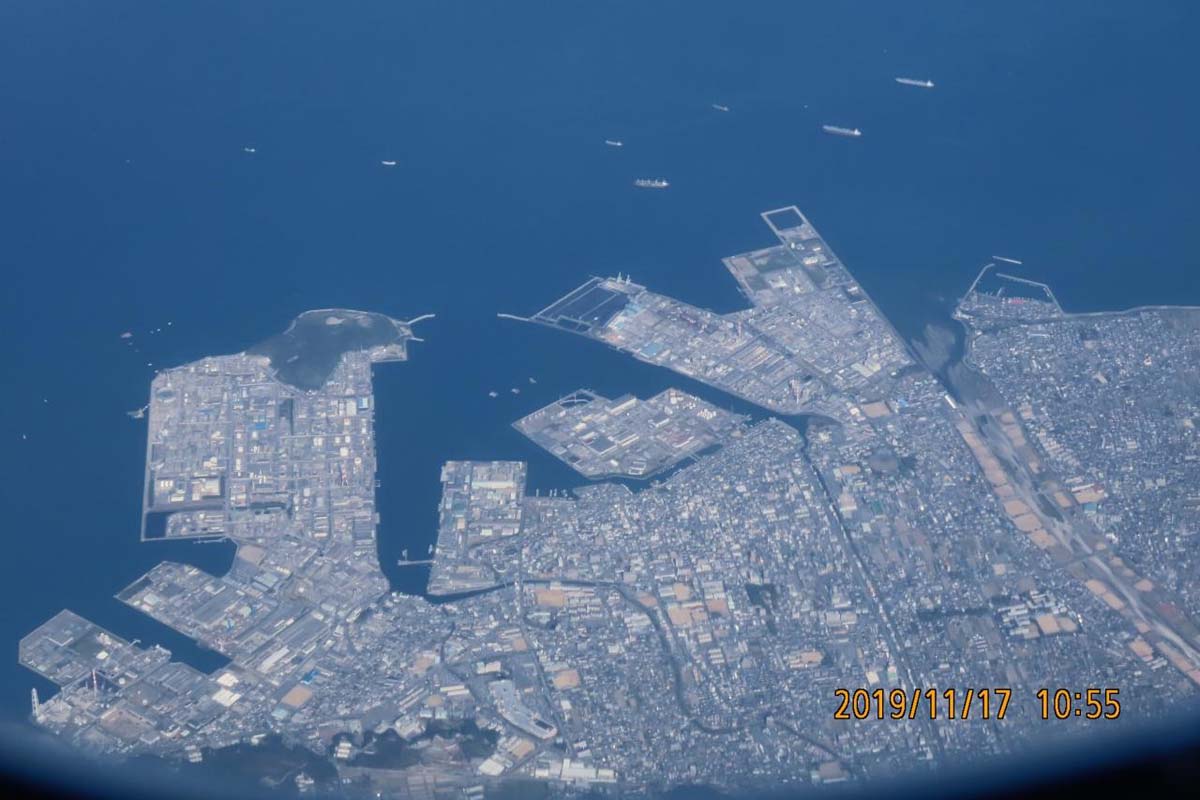
Niihama Port is a medium-sized industrial and commercial port located in Niihama City, Ehime Prefecture, Japan. It serves as a key hub for regional trade, handling bulk cargo, containers, and industrial materials. The port is managed by the Niihama Port Authority under the jurisdiction of the Japanese Ministry of Land, Infrastructure, Transport and Tourism (MLIT). It supports local industries including chemical production, metal manufacturing, and energy distribution. The port features modern cargo handling facilities and connects to major industrial zones in Shikoku region.
Port Types
– By size: Medium port (annual cargo throughput 10-50 million tons)
– By geographical location: Coastal harbor (Seto Inland Sea)
– By purpose: Commercial port (primary), Industrial port (secondary)
– Special classification: Designated Important Port by Japanese government
Long./Lat.
Main Port Entrance: 33°57’30″N, 133°16’30″E (WGS84 datum)
Port Administration Office: 33°57’45″N, 133°16’15″E
Time Zone
Japan Standard Time (JST), UTC+9. No daylight saving time observed. Port operations follow continuous 24-hour schedule.
Port Location
Niihama Port is situated on the northwestern coast of Shikoku Island, facing the Seto Inland Sea. The port area covers approximately 3.5 square kilometers of land and water area. It is bordered by:
– North: Seto Inland Sea
– East: Industrial zone (Shin-Niihama area)
– South: Urban area of Niihama City
– West: Coastal breakwater and reclaimed land
Port Limits
The official port limits as defined by MLIT Ordinance No. 32 (Port Regulations):
– Northern boundary: Line connecting 33°58’00″N, 133°16’00″E to 33°58’00″N, 133°17’00″E
– Southern boundary: Shoreline at mean high water spring
– Eastern boundary: 133°16’00″E meridian
– Western boundary: 133°17’00″E meridian
Vessel arrival is recognized when crossing these boundaries with proper notification to Niihama Port Control.
Load Lines
– Applicable zone: Summer Zone as per International Load Line Convention 1966 (Japan is signatory)
– Summer freeboard mark calculation based on Japanese Maritime Bureau standards
– Special local regulation: +50mm freeboard compensation for vessels carrying hazardous materials
– Certification: All vessels must display valid Load Line Certificate issued by flag state or recognized organization
Water Density
– Annual average: 1.025 g/cm³ (Seto Inland Sea standard)
– Seasonal variation: 1.023-1.027 g/cm³
– Measurement conducted daily by port authority at standard sampling point (33°57’35″N, 133°16’25″E)
Charts and Books
Mandatory navigation publications:
– Japanese Hydrographic Charts:
* No. 111 (Seto Inland Sea – Western Part) – Scale 1:200,000
* No. 1113 (Niihama Port Approach) – Scale 1:50,000
* No. 11131 (Niihama Port Details) – Scale 1:10,000
– Admiralty Publications:
* NP 32 (Japan Pilot Vol. 2)
* Admiralty Chart BA 3431
– Additional references:
* MLIT Port Regulations Handbook (latest edition)
* Japan Coast Guard Notice to Mariners (weekly updates)
Port Restrictions
Operational limitations:
– Maximum DWT: 50,000 tons (general cargo), 70,000 tons (bulk carriers at designated berths)
– Maximum LOA: 230 meters
– Maximum beam: 32 meters (40 meters at special berths with prior arrangement)
– Maximum draft: 12 meters (tidal dependent)
– Air draft: 45 meters (limited by Seto Ohashi Bridge clearance)
Special restrictions:
– Night navigation prohibited for vessels > 20,000 DWT without pilot
– Mandatory AIS transmission within port limits
– Bunkering operations require prior approval
Regulations
Primary regulatory framework:
– Port and Harbor Law (Law No. 218 of 1950)
– Marine Pollution Prevention Law (Law No. 136 of 1970)
– Ship Safety Law (Law No. 11 of 1933)
Specific requirements:
– 24-hour advance notice of arrival (via JP-MARINE system)
– Mandatory garbage management plan submission
– Oil record book inspection for vessels > 400 GT
– Ballast water management reporting (aligned with IMO BWM Convention)
Weather Condition
Climate characteristics:
– Annual temperature range: 5°C to 35°C
– Prevailing winds: NW in winter, SE in summer (average 5-10 knots)
– Typhoon season: July-October (average 1-2 direct impacts per decade)
– Fog occurrence: 10-15 days/year (mainly spring mornings)
Operational thresholds:
– Port closure when sustained winds exceed 25 m/s
– Cargo operations suspended when precipitation > 50 mm/hour
– Special measures during tsunami warnings (evacuation to outer roads)
Tide and Currents
Tidal data (referenced to Niihama Port Datum):
– Mean high water springs: +2.1m
– Mean low water springs: -0.2m
– Highest astronomical tide: +2.8m
Current patterns:
– Flood tide: ENE flow at 0.5-1.0 knot
– Ebb tide: WSW flow at 0.5-1.2 knots
– Eddy currents near breakwater heads during spring tides
Identification Cards
Crew shore access requirements:
– Standard procedure: Seaman’s book + passport (stamped by immigration)
– Temporary shore pass: Issued by Niihama Immigration Office for crew changes
– Restricted areas: Chemical terminal access requires additional safety training certification
Traffics
Landside connections:
– Road:
* National Route 11 (2km from port gates)
* Shikoku Expressway Niihama IC (8km)
– Rail:
* Niihama Station (JR Yosan Line, 3km) – freight service available
* Connecting to Takamatsu (120km) and Matsuyama (80km)
– Air:
* Matsuyama Airport (50km, 30-minute helicopter transfer available)
* Regular flights to Tokyo (Haneda), Osaka (Itami), Fukuoka
Holidays
Official port holidays (no cargo operations):
– National holidays (15 days/year including New Year, Golden Week)
– Local holidays: Niihama Taiko Festival (October 16-18)
Emergency operations:
– Available with 72-hour notice (150% overtime charges apply)
– Limited pilotage during holidays (prior arrangement required)
Currency
Financial information:
– Local currency: Japanese Yen (JPY)
– Current exchange: 1 USD ≈ 150 JPY (Bank of Japan reference rate)
– Port charges: JPY only (credit cards accepted for amounts >100,000 JPY)
– Crew facilities: ATM available at port administration building (24/7)
Main Cargo Handled
Annual throughput (2022 data):
– Total: 28.7 million metric tons
Breakdown:
– Exports:
* Chemical products: 45% (mainly from Sumitomo Chemical complex)
* Metal products: 30% (copper, aluminum alloys)
* Machinery: 15%
– Imports:
* Coal: 40% (for nearby power plants)
* Petroleum products: 25%
* Iron ore: 20%
* Others: 15%
Container traffic:
– Annual TEU: approx. 80,000 (mainly domestic feeder services)
2. Notification and Reports
General Information
All vessels entering Niihama Port must comply with Japan’s Port Regulations Law (Law No. 174 of 1948) and Maritime Traffic Safety Law (Law No. 115 of 1972). The following procedures are mandatory and must be completed through the JP-MARINE electronic reporting system administered by the Japan Coast Guard, in accordance with Ministerial Ordinance No. 28 of 2004. Non-compliance may result in administrative penalties under Article 56 of the Port Regulations Law.
Arrival and Departure Checklists
Mandatory pre-arrival documents (submitted 24 hours prior to ETA as per MLIT Ordinance No. 51):
– JP-MARINE Form A (General Declaration) – including last 10 ports of call
– JP-MARINE Form B (Cargo Declaration) – with HS codes for all commodities
– JP-MARINE Form C (Ship’s Stores Declaration) – including bunker quantities
– JP-MARINE Form D (Crew Effects Declaration) – individual declarations required
– ISPS Code Security Declaration (with SSAS details)
Post-arrival requirements:
– Physical submission of crew passports to Niihama Immigration Office within 6 hours of berthing
– Bunkering notification form (if applicable) – requires separate approval for nighttime operations
– Waste management declaration – specifying quantities by category (MARPOL Annexes I-V)
– Crew change notification (72 hours advance notice required under Immigration Control Act Article 22-4)
Documents and Certificates
Required original documents for port entry (as per Japan Coast Guard Circular No. 3050):
1. Ship’s Papers:
– Certificate of Registry (with current ownership details)
– International Tonnage Certificate (1969) – including any amendments
– Minimum Safe Manning Certificate – Japan-specific endorsement required for coastal trade
– Continuous Synopsis Record – updated to last modification
2. Safety Certificates:
– Class Certificate (with all interim surveys current)
– Safety Construction Certificate (SOLAS Chapter II-1)
– Safety Equipment Certificate (SOLAS Chapter III)
– International Load Line Certificate (including conditions of assignment)
– IOPP Certificate (with Supplement and Oil Record Book Part I)
3. Operational Documents:
– Cargo Securing Manual (Japan-approved version for vessels carrying containers)
– Garbage Management Plan (including Japanese waste categories)
– Ballast Water Management Plan (for vessels >400GT, approved by flag state)
– Procedures and Arrangements Manual (for chemical tankers)
4. Crew Documents:
– Crew list (5 copies) – with seaman’s book numbers and visa status
– Seafarers’ Identity Documents (ILO 185 compliant)
– Vaccination list (yellow fever if from endemic areas, per Quarantine Act Article 6)
– Training certificates (STCW as amended, including Japan-specific anti-piracy training)
5. Cargo Documents:
– Manifest (3 copies) – showing container numbers and seal status
– Dangerous Goods Declaration (if applicable) – IMDG Code format required
– Stowage Plan – showing hazardous materials locations
– Grain Loading Certificate (for bulk carriers)
Vessel Traffic Services (VTS)
Niihama VTS operates under Japan Coast Guard Order No. 20 with the following parameters:
– Coverage area: 33°55’N to 33°59’N, 133°15’E to 133°19’E (as charted on JCG Hydrographic Chart 1113)
– Mandatory reporting points:
* 10nm north of port entrance (Waypoint NH1 – 34°05’N, 133°16’E)
* Breakwater entrance (Waypoint NH2 – 33°57’30″N, 133°16’30″E)
* Berthing area (Waypoint NH3 – specific to assigned berth)
– Communication protocols:
* Initial report at NH1 (includes ETA ±15 minutes, maximum draft, dangerous goods quantities by UN class)
* Intermediate report when passing 5nm point (confirming stability condition)
* Final report at NH2 (confirming pilot boarding time and last engine movement)
– Special requirements:
* Vessels >10,000 GT must maintain VHF watch on Ch12/Ch13 continuously
* AIS transmission mandatory (including draft and hazardous cargo info)
* Nighttime entry restrictions for vessels >200m LOA
Emergency Co-ordination Centre
Niihama Maritime Disaster Prevention Center (established under Disaster Countermeasures Basic Act):
– Official name: Seto Inland Sea Regional Maritime Disaster Prevention Center – Niihama Branch
– Address: 3-1 Minatomachi, Niihama City, Ehime 792-0812 (coordinates 33°57’32″N, 133°16’28″E)
– Emergency contact: +81-897-37-0119 (24-hour hotline, Japanese/English available)
– Secondary contact: VHF Ch16 (call “Niihama Rescue”)
– Capabilities:
* Oil spill response (capacity: 50KL with 2 oil recovery vessels)
* Search and rescue coordination (2 patrol boats, 1 helicopter pad)
* Firefighting support (2 fireboats with 10,000L/min capacity each)
* Chemical spill containment (specialized equipment for Class 3-8 dangerous goods)
– Jurisdiction: Covers 20nm radius from port entrance
Harbour Management Communications
Niihama Port Authority (established under Ports and Harbors Law Article 37):
– Official name: Niihama City Port and Harbor Bureau
– Address: 1-1 Minatocho, Niihama City, Ehime 792-0811 (Main Administration Building)
– Main contact: +81-897-32-1111 (switchboard, operational 0830-1730 JST)
– After-hours contact: +81-897-32-1100 (Security Center)
– Departments:
* Port Operations: Ext. 201-205
* Safety Management: Ext. 301-303
* Customs Coordination: Ext. 401
– Official communications must use designated forms available at www.city.niihama.lg.jp/port (Japanese only)
– Email: Not publicly available for operational matters (use JP-MARINE system)
Radio
Marine communication requirements (per Radio Law Article 27):
– Primary station: JON (Niihama Radio)
– Frequencies:
* 2182 kHz (HF distress and calling)
* 156.8 MHz (VHF Ch16 – distress/safety)
* 156.6 MHz (VHF Ch12 – port operations)
– Telex: J6163 (Niihama Port OPS)
– ETA messages must include:
* Vessel name/call sign
* ETA (UTC+9)
* Last port of call
* Next destination
* Dangerous goods (if any)
– Transmission requirements:
* Initial ETA notice: 72 hours prior
* Update: 24 hours prior
* Final confirmation: 6 hours prior
VHF
VHF communication protocol (Japan Coast Guard Standard COM-002 Rev.4):
Operational channels:
– Ch12: Port Control (primary working channel)
* Usage: Navigation control, berthing instructions
* Watch hours: Continuous
– Ch13: Pilot/Tug coordination
* Usage: Pilot transfer, tug assistance
* Watch hours: 0600-2200 (extended during operations)
– Ch16: Distress/Safety
* Usage: Emergency communications only
– Ch70: DSC calling
Standard procedures:
1. Initial contact on Ch16 with:
– Vessel name
– Call sign
– Position
– Request
2. Switch to assigned working channel
3. Maintain listening watch on designated channel while in port
Language requirements:
– Japanese preferred for domestic vessels
– English mandatory for international vessels (IMO SMCP standards)
Special notes:
– VHF silence periods enforced during severe weather warnings
– Channel 12 congestion control measures apply during peak hours (0700-0900, 1600-1800)
Radars
Niihama Port Radar System specifications (as per Japan Coast Guard Technical Standard RT-2021):
– System type: Furuno FR-8062 dual-band radar system
– Frequency: X-band (9.4GHz) and S-band (3GHz)
– Range: 25nm for vessel detection (X-band), 40nm for weather monitoring (S-band)
– Antenna height: 65m above sea level (located at 33°57’45″N, 133°16’20″E)
– Contact procedures:
* Initial contact on VHF Ch16
* Switch to VHF Ch11 for radar service communications
* Provide vessel particulars when requested (LOA, draft, hazardous cargo)
– Services available:
* Traffic information service (TIS) – automatic identification of nearby vessels
* Navigational assistance service (NAS) – available in visibility <1nm
* Emergency tracking service (ETS) – for vessels in distress
– Limitations:
* Blind spots may occur within 0.5nm of breakwaters
* Performance may degrade during heavy precipitation
Notices of Readiness
NOR regulations under Japanese Commercial Code and standard charterparty terms:
– Valid submission requirements:
* Physically delivered to charterer’s agent at port office
* Copy simultaneously emailed to charterer
* Timestamped by port authority when received
– Readiness conditions:
* All cargo spaces properly prepared (certified by independent surveyor if disputed)
* All cargo handling equipment tested and operational
* Necessary documents submitted to all authorities
– Special provisions:
* NOR accepted 24 hours regardless of holidays/weekends
* Daytime-only operations still permit nighttime NOR tender
* “Reachable on arrival” clause strictly interpreted in this port
Immigration
Niihama Immigration Office procedures (Immigration Control Act implementation):
– Location: Port Administration Building 2F (Room 201-203)
– Processing hours: 0900-1200, 1300-1600 (extended to 1800 for vessels in transit)
– Required documents:
* Crew list (original + 2 copies) – must match ship’s articles
* Passports with valid Japanese visas (except transit crew under 72 hours)
* Disembarkation/embarkation report (Form IC-3)
* Vaccination records (yellow fever if applicable)
– Special requirements:
* Crew changes require 72-hour notice via Form IC-5
* Shore leave permitted with valid ID and temporary landing permit
* Biometric registration required for crew from designated countries
– Fees:
* Landing permission: JPY 3,000 per person
* Visa extension: JPY 5,000 per application
Health
Quarantine procedures (Quarantine Act and IHR 2005 implementation):
– Inspection authority: Ehime Quarantine Station (Niihama Branch)
– Free pratique granted after:
* Review of Maritime Declaration of Health (Form QA-102)
* Ship sanitation inspection (if last inspection >6 months ago)
* Verification of vaccination records
– Emergency contacts:
* Medical emergency: +81-897-37-0119 (Niihama MDC)
* Infectious disease: +81-89-941-9911 (Ehime Health Center)
* Food safety: +81-897-32-1115 (Port Health Office)
– Special measures:
* Malaria surveillance for vessels from endemic areas
* COVID-19 protocols still apply for symptomatic cases
* Medical waste disposal requires prior approval
Customs
Niihama Customs clearance (Customs Act and related ordinances):
– Office hours: 0830-1700 (extended to 2000 for vessels in port)
– Clearance procedures:
* Preliminary declaration via NACCS system
* Physical inspection rate: 15% random + targeted
* Container scanning available for suspicious shipments
– Standard allowances:
* 400 cigarettes or 500g tobacco per crew member
* 3 bottles alcohol (750ml each, <22% ABV)
* JPY 200,000 personal effects value
– Restricted items:
* Fresh food products (requires phytosanitary certificate)
* Certain medications (narcotics require special permit)
* Cultural artifacts (export restrictions apply)
– Temporary admission:
* Spare parts under ATA Carnet
* Crew personal vehicles (max 30 days)
Prior Declaration and Authorization
Special cargo requirements (MLIT Ordinance No. 73):
– Dangerous goods:
* 48-hour advance notice via Form DG-1
* Segregation requirements strictly enforced
* Nighttime handling restrictions for Class 1 explosives
– Oversized cargo:
* Special berth application required (Form OC-2)
* Road transport coordination needed for out-of-gauge items
– Waste discharge:
* Approval from Ehime Prefecture Environment Department
* Separate forms for operational waste (Form ENV-3) and cargo residues (Form ENV-4)
– Other special cargo:
* Live animals require veterinary certificates
* Radioactive materials need NRA approval
Restricted Activities
Prohibited operations (Port Regulations Law Article 15):
– Anchoring outside designated areas (penalty up to JPY 500,000)
– Discharging pollutants (including grey water – MARPOL Annex IV enforced)
– Unauthorized photography of port facilities (Security Protection Law)
– Drone operations without prior permission
Navigation restrictions:
– Speed limit: 8 knots within port limits (radar enforced)
– Overtaking prohibited in main channel (except with VTS permission)
– Fishing gear must be stowed while transiting port area
Special areas:
– Military restricted zone near western breakwater (33°57’20″N, 133°16’10″E)
– Chemical terminal exclusion zone (500m radius during operations)
Incidents
Mandatory reporting requirements (Marine Accident Inquiry Law Article 3):
– Immediate reporting (within 1 hour) for:
* Collisions/allisions (regardless of damage)
* Groundings (even if no hull breach)
* Major spills (>1 ton oil or any chemical spill)
* Fire/explosion incidents
– 24-hour reporting for:
* Crew injuries requiring hospitalization
* Equipment failures affecting safety
* Navigation system malfunctions
* Security breaches (ISPS Level 1+)
Report recipients:
– Primary: Japan Coast Guard (Niihama Office) – Form MA-1
– Secondary: Niihama Port Authority Safety Division – Form PA-7
– Additional: Class society (for structural damages)
Investigation protocol:
1. Secure evidence (no cleaning/welding until cleared)
2. Preserve VDR data
3. Crew statements collected within 24 hours
Others
Additional reporting requirements:
– Weekly waste disposal reports (MARPOL Annex V compliance)
– Monthly safety drill records (SOLAS Chapter III requirements)
– Annual hull inspection for vessels >10,000 GT (Port State Control requirement)
– Bunker delivery notes (retain for 3 years)
– Crew change notifications (72 hours prior, Form CC-1)
Special notes:
– All documents must be in Japanese or accompanied by certified translation
– Electronic signatures accepted if using JP-MARINE system
– Retention period: 5 years for all port entry documents
3.Port Navigation
General Information
Niihama Port navigation follows strict guidelines established by the Japan Coast Guard (JCG) under the Maritime Traffic Safety Law (Law No. 115 of 1972). The port features a main access channel with supporting infrastructure designed for vessels up to 50,000 DWT, compliant with MLIT Technical Standards for Port Facilities (2019 Edition). All navigation must comply with JCG Notice No. 1125 (Seto Inland Sea Navigation Rules) and Niihama Port Ordinance No. 15.
Pilot Station and Pilotage
– Pilot Station: Niihama Pilot Association (33°58’12″N, 133°16’18″E)
– Legal Basis: Japan Pilotage Law (Law No. 121 of 1949)
– Contact: VHF Ch12 (primary), Ch13 (secondary)
– ETA Notice: 24 hours advance via JP-MARINE system + 6 hours confirmation
– Boarding Position: 1.5nm NE of breakwater (33°58’30″N, 133°17’00″E)
– Alternative Position: 2nm E of main channel during N-NW winds >15kt
– Pilot Boat: “Niihama Maru” (25m LOA, orange hull, white superstructure)
* Specifications: 50GT, 12kn speed, built 2018
* Equipment: IR camera, night vision, MOB recovery system
– Signals: 1 white star shell every 15 minutes when approaching station
– Requirements:
* Pilot ladder compliant with SOLAS Reg.23 + 1.5m clearance
* Deck lighting minimum 50 lux at boarding area
* Freeboard not exceeding 9m
– Anchorage: Designated waiting area at 33°59’00″N, 133°16’30″E (15m depth)
Approaches and Channels
Main Channel Parameters (JCG Chart 1113, 2023 Edition):
– Total Length: 5.2nm from outer marker to inner harbor
– Width: 200m (maintained), 150m (minimum)
– Depth: 14m CD (Chart Datum)
– Alignment: 145°-325° true
– Currents: Max 2.5kt flood, 3.0kt ebb
– Special Requirements:
* Daylight transit recommended for vessels >200m LOA
* Mandatory AIS transmission
* No overtaking in narrow sections (marked on charts)
* Vessels >10,000GT must confirm under-keel clearance hourly
Secondary Channels:
1. West Access Channel (to chemical terminal):
– Length: 1.8nm
– Width: 100m
– Depth: 12m
2. East Access Channel (to general cargo berths):
– Length: 2.1nm
– Width: 120m
– Depth: 10m
Anchorages
Designated Anchorage Areas (JCG Notice to Mariners No. 845):
1. Outer Anchorage (33°59’00″N, 133°16’30″E):
– Depth: 15-20m
– Holding Ground: Clay (shear strength 50kPa)
– Area: 1.5nm²
– Max vessels: 5 (min 500m separation)
– Swing circle: 350m radius at 15m depth
2. Inner Anchorage (33°57’45″N, 133°16’00″E):
– Depth: 10-12m
– Holding Ground: Sand (shear strength 30kPa)
– Area: 0.8nm²
– Max vessels: 3
– Prohibited for vessels carrying Class 1 dangerous goods
Restrictions:
– No anchoring outside marked areas
– 48-hour maximum stay without permission
– Anchoring technique: Minimum 5:1 scope in <20m depth
Navigation Aids
Key Aids to Navigation (JCG Light List Vol.5):
– Niihama Breakwater Light (Fl R 5s 15m 10M): 33°57’35″N, 133°16’25″E
– Channel Buoys:
* Red: 1,3,5 (conical, topmark R, radar reflector)
* Green: 2,4,6 (can, topmark G, radar reflector)
– Sector Lights:
* Leading lights (145° true alignment)
* Danger sectors marked red (33°57’40”-33°57’50″N)
– DGPS: Available (JCG Station 307, accuracy ±1m)
– AIS Stations: 3 shore-based AIS stations cover entire port area
– Tide Gauges: Real-time displays at channel entrance and inner harbor
Maximum Authorized Speed
Speed Limits (Port Regulations Article 8):
– Outer channel: 10kt (radar enforced)
– Inner harbor: 6kt (VTS monitored)
– Berthing areas: 4kt
– Special zones (marked): 3kt
– Chemical terminal approach: 5kt
Penalties: Exceeding limits by >3kt may result in JPY 500,000 fine
Navigation Priority
Right-of-Way Rules (Maritime Traffic Safety Law Article 17):
1. Vessels constrained by draft
2. Vessels engaged in fishing
3. Sailing vessels
4. Power-driven vessels
Special Cases:
– Chemical tankers have priority in designated channel
– Tugs working have right-of-way in all areas
– Vessels <50m LOA must give way to larger vessels in main channel
Weather Restrictions
Operational Limits (Port Safety Management Manual):
– Winds: >25kt sustained – port closed
– Visibility: <0.5nm - pilotage suspended
– Waves: >2m at entrance – restrictions apply
– Current: >3.5kt – channel closed
– Typhoon Warning: All operations cease when Signal No.8 issued
Night Entry or Departure
Night Navigation Rules (Port Ordinance No.15-3):
– Permitted with pilot between 1800-0600 JST
– Additional requirements:
* Enhanced bridge team (minimum 3 officers)
* Searchlight operational (minimum 2000 lumens)
* No night entry for vessels >12m draft
* Tug escort mandatory for tankers
– Lighting requirements:
* Channel markers illuminated
* Berth lights minimum 100 lux
UKC (Under-Keel Clearance)
Minimum Requirements (MLIT Technical Standard TS-2018):
– Main channel: 10% of draft or 1.0m (whichever greater)
– Berthing areas: 0.5m absolute minimum
– Tide consideration: Based on predicted lowest water during operation
– Calculation method: UKC = Chart Depth + Tide – Dynamic Draft – Squat
* Squat calculation: 0.02 x (Speed²) for bulk carriers
Bridges
Not Applicable (No navigable bridges within port limits)
Air Drafts Limit and Air Gap
Restrictions:
– Port entrance: 45m (Seto Ohashi Bridge clearance at MHWS)
– Inner harbor: Unlimited
– Power lines: Minimum 10m clearance required
– Calculation basis: Chart datum + highest astronomical tide
– Special measures: Air draft monitoring system at channel entrance
Vessels Shifting
Procedures (Port Operations Manual Section 5):
– 1 hour notice to Port Control via VHF Ch12
– Tug requirements:
* <150m LOA: 1 tug
* 150-200m: 2 tugs
* >200m: 3 tugs
– Daylight preferred for complex moves
– Mandatory equipment:
* Functional bow thruster (if installed)
* Two VHF radios
Vessels Transiting
Requirements:
– Continuous VHF watch on Ch12
– Speed compliance monitored by radar
– No stopping in channel without permission
– Special transit windows for:
* Vessels >200m LOA: 1 hour before/after high water
* Dangerous goods carriers: Designated time slots
Vessels Towing
Regulations (JCG Notice No. 1125 Annex 3):
– Advance notice 48 hours via Form T-1
– Maximum tow length: 200m
– Daytime only for >100m LOA
– Equipment requirements:
* Towing lights compliant with COLREGs
* Emergency tow line ready
– Speed limit: 5kt in port area
Tugs and Working Boats
Tug Resources (2023 Fleet Register):
– Available tugs: 4
* “Niihama No.1” (50t bollard pull, ASD)
* “Niihama No.2” (50t bollard pull, Voith)
* “Niihama No.3” (30t bollard pull, conventional)
* “Niihama No.4” (30t bollard pull, conventional)
– Minimum requirements:
* <150m LOA: 1 tug
* 150-200m: 2 tugs
* >200m: 3 tugs
– Line handling: Ship’s lines preferred
– Charges: JPY 150,000/hour (standard tug)
* Night surcharge: +30% (2000-0600)
* Emergency rate: 2x standard
Working Boats:
– 3 line boats (12m LOA, 10 crew capacity)
– 2 survey launches (8m LOA, multibeam equipped)
– 1 pollution control vessel (15m LOA, 5kL recovery capacity)
– 1 diving support boat (10m LOA, saturation system)
Vessels in Special Operations
Regulations:
– Dredging: MLIT permit required + daily progress reports
– Construction: Night work prohibited + safety zone marking
– Survey: JCG approval needed + notice to mariners issued
– Underwater operations: 500m exclusion zone + dive boat standby
– Fireworks display: Port closure + 1nm safety radius
4.Pollution Control
Ballast and Deballast
Niihama Port strictly enforces Japan’s Ballast Water Management Act (Act No. 66 of 2014) and follows IMO Guidelines (Resolution MEPC.300(72)):
– Mandatory pre-arrival declaration via JP-MARINE system (Form BW-1) 24 hours prior to arrival
– Ballast exchange prohibited within 12nm of coast (per Marine Pollution Prevention Law Article 34-2)
– Treatment requirements:
* Vessels built after 2017: IMO-approved BWMS required (Type Approval Certificate must be presented)
* Others: Mid-ocean exchange (minimum 200nm from shore, 200m depth) with full documentation
– Port reception facilities available for emergency cases (prior approval required from Ehime Prefecture Environment Office)
– Monitoring: Random sampling by Ehime Prefecture Environment Office (5% of visiting vessels)
– Record keeping: Ballast Water Record Book must be maintained for 3 years
– Penalties: Up to JPY 1,000,000 for violations (Act No. 66 Article 25)
Garbage Disposal
Services compliant with MARPOL Annex V and Waste Management Law (Law No. 137 of 1970):
– Collection service: Available 24/7 through Niihama Port Waste Management Center (licensed by Ministry of Environment)
– Facilities:
* 20m³ compactors at main berths (No.1-No.5 Wharves)
* Segregated bins (5 categories) at all terminals (Plastics, Food Waste, Domestic, Operational, Hazardous)
* Special containers for e-waste at Container Terminal
– Procedures:
* Pre-notice via Form WM-1 (12 hours advance)
* Physical inspection prior to discharge by port officials
* Electronic waste tracking system (QR code tags for each disposal)
* Mandatory use of port-provided garbage bags (JPY 500/bag)
– Charges:
* General waste: JPY 5,000/m³
* Plastics: JPY 8,000/m³
* Food waste: JPY 3,000/m³
* Hazardous waste: JPY 15,000/m³
– Contact: VHF Ch14 (call “Niihama Waste Control”) or +81-897-32-1150 (Waste Management Office)
– Documentation: Garbage Record Book must be signed by Port Waste Officer
Waste Oil Disposal
Regulated by Japan’s Waste Disposal and Public Cleansing Law (Law No. 137 of 1970) and MARPOL Annex I:
– Primary contractor: Shikoku Oil Recovery Co. Ltd. (JCG License No. EH-2020-045)
– Facilities:
* Shore tanks: 2,000kL capacity (33°57’20″N, 133°16’10″E) with API separators
* Barges: 2 units (300kL and 500kL capacity) with heating systems
* Tank trucks: 5 units (20kL each) with explosion-proof fittings
– Special berth: No.7 Wharf (dedicated oil reception pier with boom deployment system)
– Procedures:
* 48-hour advance notice (Form OR-1) with oil analysis certificate
* BDN verification required (minimum 3 copies)
* Maximum discharge rate: 50m³/hour (monitored by flowmeter)
* Sampling by independent surveyor (cost borne by vessel)
– Charges:
* Base fee: JPY 120,000 for first 10kL
* Additional: JPY 8,000 per kL
* After-hours surcharge (2000-0600): +30%
– Emergency contact: +81-897-37-0120 (24-hour Oil Spill Response Center)
– Compliance: Oil Record Book Part I must be properly maintained
Sewage Reception
Compliant with MARPOL Annex IV and Japan Sewage Law (Law No. 34 of 1983):
– Reception facilities at all major berths (No.1-No.8 Wharves)
– Capacity:
* Pipeline system: 200m³/day (33°57’25″N, 133°16’15″E)
* Tank trucks: 50m³ total capacity (3 trucks available)
* Holding tanks: 500m³ at port treatment plant
– Procedures:
* Pre-arrival declaration (Form SW-1) including treatment system details
* Discharge by licensed contractor only (Niihama Sanitation Service Co.)
* Chlorination records required (minimum 5ppm residual chlorine)
* Flow measurement and sampling during transfer
– Special requirements:
* Medical sewage requires separate handling and prior approval
* Night discharge prohibited (2200-0600)
* Grey water may be discharged with sewage after treatment
– Charges:
* Base fee: JPY 15,000 per discharge (max 10m³)
* Additional: JPY 1,500 per m³ beyond 10m³
* Medical waste surcharge: JPY 25,000
– Monitoring: Monthly water quality tests by port authority and Ehime Prefecture
– Documentation: Sewage Record Book must be countersigned by reception facility operator
5.Port Safety and Security
General Information
Niihama Port maintains comprehensive safety and security measures in compliance with:
– International Ship and Port Facility Security (ISPS) Code (IMO Resolution MSC.202(81))
– Japan Coast Guard Security Regulations (Ordinance No. 25 of 2004)
– Port and Harbor Law (Law No. 218 of 1950)
– Maritime Traffic Safety Law (Law No. 115 of 1972)
Security Level: Normal (Level 1) unless otherwise notified by JCG Notice
Port Facility Security Officer: Available 24/7 (Certification No. JP-ISPS-0452)
PSC
Port State Control inspections conducted by Japan Coast Guard (Niihama Office, Inspection Division):
– Inspection criteria: Tokyo MOU guidelines (2023 Annual Report)
– Target factors:
* High-risk vessels (20+ years old)
* Flags on Tokyo MOU Black/Grey List
* Vessels with previous deficiencies
* Vessels carrying dangerous goods
– Inspection frequency: 15% of foreign vessels (2022: 128 inspections)
– Common deficiencies:
* Fire safety systems (32% of findings)
* Life-saving appliances (28%)
* Pollution prevention (18%)
* Navigation safety (12%)
– Detention rate: 3.2% (2022 statistics, Tokyo MOU data)
– Appeal process: Through Matsuyama District Court within 7 days
ISPS
– ISPS Level: Normally 1 (raised to 2 during G7 meetings, typhoons)
– Restricted areas:
* Clearly marked with signage in Japanese/English/Korean
* Color-coded access cards (Red/Yellow/Green)
– Access control:
* Biometric ID system for all port personnel
* Visitor escorts required
* Vehicle screening at all gates
– CCTV coverage:
* 78 cameras covering 100% of port area
* 30-day recording retention
* Facial recognition at key points
– Security patrols:
* JCG: 4 patrols/day
* Private security: 24/7 foot and vehicle patrols
* K-9 units: Random checks
Emergency
Emergency Contacts:
– Port Control: VHF Ch16/12 (call “Niihama Port Control”)
– Medical: +81-897-37-0119 (Port Clinic, IMO-compliant)
– Fire: 119 (direct line to Niihama Fire Department)
– Oil Spill: +81-897-37-0120 (24-hour response)
– Security Incidents: +81-897-32-0110 (Port Police)
Emergency Equipment:
– Fireboats:
* “Niihama Fire 1” (5,000L/min capacity, foam system)
* “Niihama Fire 2” (3,000L/min, chemical fire capability)
– Oil spill response:
* 500m containment boom stockpile
* 2 skimmers (50m³/hour capacity)
* Dispersant stock: 10,000L
– First aid stations:
* 3 locations (Main Gate, Container Terminal, Oil Terminal)
* Defibrillators available
* Emergency showers at chemical berths
Emergency Procedures:
– Immediate notification protocol:
* VHF Ch16 first contact
* Follow-up call to relevant authority
* SMS alert to port emergency group
– Written report requirements:
* JCG Form EM-1 within 24 hours
* Incident photos/video required
* Witness statements collected
Emergency Coordination Centre (ECC):
– Location: Port Administration Building 3F
– Equipment:
* Direct lines to all emergency services
* Real-time weather monitoring
* Port map display system
– Activation: For incidents Level 2 and above
Ships Arrest
Ship arrest permitted under:
– Civil Execution Act (Law No. 4 of 1979)
– Maritime Law (Law No. 45 of 2007)
Procedures:
– Requires court order from Matsuyama District Court (Commercial Division)
– Typical process time: 2-3 working days
– Security requirements:
* Guards posted during arrest (minimum 2 officers)
* Crew provisions must be maintained
* Essential repairs permitted under supervision
– Cost responsibility:
* Arresting party covers initial costs
* Daily guard fee: JPY 25,000
* Port fees continue accruing
Fire Precautions
Special requirements for tankers:
– Hot work permit system:
* Application Form FW-1
* Gas-free certificate required
* Fire watch during and 4 hours after work
– Cargo operations:
* Fire hoses connected and pressurized
* Communication with shore fire team
* Emergency shutdown drills conducted
– Bunkering operations:
* Dedicated fire watch
* Spill containment deployed
* No smoking within 50m
Inspections from Other Parties
Additional inspections may be conducted by:
– Customs (MoJ Regional Customs Bureau):
* Narcotics detection dogs
* Container scanning (2 mobile units)
– Immigration (Regional Immigration Bureau):
* Crew documentation checks
* Biometric verification
– Quarantine (MAFF Animal/Plant Quarantine):
* Food safety inspections
* Pest control verification
– MLIT (Marine Bureau):
* Safety equipment audits
* Structural integrity checks
Maritime Security Zones
Designated zones under:
– Port Regulations Law (Article 38-2)
– Anti-Terrorism Special Measures Law
Specific zones:
1. Military restricted area (500m radius around SDF facility)
– No photography
– AIS transmission mandatory
2. Chemical terminal exclusion zone
– 200m restricted area
– Escort required
3. LNG berth security perimeter
– 300m exclusion zone
– Armed patrols
4. Port administration building
– Vehicle barriers
* X-ray screening
Police
Niihama Minato Police Station:
– Location: Port Administration Building 1F (Room 101)
– Telephone: +81-897-32-0110 (24/7)
– Jurisdiction: All port areas and 1nm offshore
– Capabilities:
* 15 officers (3 English-speaking)
* Marine police unit (2 patrol boats)
* Cybercrime investigation
– Cooperation: Direct link to JCG and Coast Guard
Flag
Flag requirements (Ship Safety Law Article 5):
– National flag:
* Size proportional to vessel
* Flown at stern when moored
* Proper illumination at night
– Company flag:
* Optional at mast
* Must not obscure navigation lights
– Courtesy flag:
* Japan flag when in territorial waters
* Minimum size 60cm x 90cm
– Special flags:
* Quarantine flag (Q) when required
* Pilot flag when embarking/disembarking
Signals and Lights Display
Must comply with:
– COLREGs 1972 (as amended)
– Japan Marine Traffic Safety Law
Specific requirements:
– Dredgers/working vessels:
* Red-white-red lights
* Black ball-diamond-ball day shapes
– Vessels at anchor:
* All-round white light
* Proper radar reflector
– Emergency signals:
* Continuous sounding of alarm for oil spill
* Red flares for security threat
Stowaways and Refuges
Prevention measures:
– Physical security:
* 3m perimeter fencing with razor wire
* Motion sensors every 50m
* Lighting >100 lux at night
– Procedural controls:
* Pre-departure searches (checklist required)
* Seal verification for containers
* Crew headcounts at critical stages
Treatment procedures (Immigration Control Act):
– Immediate report to:
* Immigration Bureau (+81-897-32-0105)
* Port Authority Security
– Onboard handling:
* Confinement area required (minimum 4m²)
* Medical assessment within 12 hours
* Separate toilet facilities
– Repatriation:
* Shipowner responsibility
* Must be arranged within 14 days
* Special escorts for high-risk cases
Alcohol, Drugs and Prohibited Items
Policies under:
– Crew Employment Ordinance
– Narcotics Control Law
Specific regulations:
– Alcohol:
* Blood alcohol limit: 0.03% for duty personnel
* No alcohol sales in port area
* Personal consumption limited to cabins
– Drugs:
* Random testing authorized
* Prescription medications must be declared
* Zero tolerance for illegal substances
– Prohibited items:
* Weapons (including replicas)
* Explosives/fireworks
* Narcotics (including cannabis derivatives)
* Unauthorized communication devices
Reporting of Security Breaches
Protocols per ISPS Code Part A/7.3:
– Immediate reporting channels:
* Port Control (VHF Ch16/12)
* Security Hotline (+81-897-32-0111)
* Email: security@niihamaport.jp (monitored 24/7)
– Required information:
* Time/location of incident
* Persons involved
* Description of threat
* Actions taken
– Follow-up:
* Written report within 12 hours
* Evidence preservation
* Investigation launched
Operation of drones
Regulations per Civil Aeronautics Act Article 132-2:
– Permission requirements:
* Application Form DR-1 (7 days advance)
* Pilot certification copy
* Insurance certificate (min ¥100M coverage)
– Operational limits:
* Maximum altitude: 50m
* Daylight operations only (sunrise to sunset)
* VLOS maintained at all times
– No-fly zones:
* Security areas (200m buffer)
* Oil/LNG terminals (500m)
* Airport approach paths
– Data handling:
* No recording of restricted areas
* Footage review by port security
* Storage limitations apply
6.Cargo Operations
General Information
Niihama Port handles approximately 12 million metric tons of cargo annually under the supervision of Shikoku Regional Development Bureau (MLIT). All operations comply with:
– Port and Harbor Law (Law No. 218 of 1950)
– Industrial Safety and Health Act (Law No. 57 of 1972)
– ISPS Code requirements for cargo handling
– ILO Convention No. 152 (Occupational Safety in Ports)
Key operational statistics (2023):
– Total vessel calls: 2,450
– Container throughput: 480,000 TEU
– Liquid bulk volume: 8.2 million tons
– Dry bulk volume: 3.1 million tons
Tanker Berths and Terminals
1. Oil Terminal (Berths T1-T3):
– Depth: 14m CD
– Max draft: 13.5m
– Loading arms: 8″ and 12″ (API standard)
– Discharge rate: 3,000m³/hr (crude), 1,500m³/hr (products)
– Slop reception: 500m³ capacity, 100m³/hr rate
– Shore steam: Available (5 ton/hr capacity)
– Oil spill equipment: 2 response vessels, 500m boom
– Mooring: 6 headlines + 4 breastlines minimum
– Gangways: Available (max 30° incline)
2. Chemical Terminal (Berths C1-C2):
– Depth: 12m
– Max draft: 11.8m
– Dedicated lines for acids/alkalis
– Nitrogen padding available
– Vapor recovery systems installed
– Emergency showers every 50m
Container Berths and Terminals
– 3 berths (CT1-CT3):
* Depth: 14m
* Max draft: 13.8m
* 8 STS cranes (50-ton capacity)
* Average rate: 25 moves/hr per crane
* Wind limits: Operations cease at 15m/s
* Reefer plugs: 200 available (440V/60Hz)
* Storage area: 18ha (6,000 TEU ground slots)
Dry Cargo Berths and Bulk Facilities
1. General Cargo Wharf (Berths G1-G4):
– Length: 800m total
– Depth: 10-12m
– Equipment: 6 shore cranes (10-25 ton)
– Max discharge height: 18m above HW
– Warehouse: 5,000m² covered storage
2. Bulk Terminal:
– Dedicated conveyor system
– Unloading rate: 2,000 ton/hr (coal)
– Stacking area: 50,000m²
– Dust suppression systems operational
– Sampling lab on-site
Passenger Berths and Terminals
Not Available (Niihama Port does not currently handle passenger vessels)
Specialised Cargo Handling Facilities
– Ro-Ro ramp: 15m width, 50-ton capacity
– LPG terminal: 2 storage tanks (10,000m³ total)
– Heavy lift area: 500-ton floating crane available
– Project cargo: 2 dedicated laydown areas (5,000m² each)
– Timber handling: 3 log cranes (20-ton capacity)
Loading and Discharging Procedures
Standard process:
1. Pre-operation meeting (ship/shore safety checklist)
2. Connection testing (leak checks for liquids)
3. Continuous monitoring during ops
4. Documentation upon completion
Special requirements:
– Tankers: Gas-free certificate required
– Containers: Verified gross mass required
– Bulk: Hold inspection prior to loading
Loading and Discharging Rates
Typical rates:
– Containers: 150-200 TEU/hr
– Crude oil: 10,000m³/day
– Coal: 15,000 ton/day
– General cargo: 800 ton/day
– Project cargo: Case-by-case basis
Ship to Ship Transfer
Permitted in designated area (33°58’N, 133°17’E):
– Minimum 2 tugs required
– Prior approval from JCG required
– Oil spill equipment must be standby
– Daylight operations preferred
– Minimum 500m separation from other vessels
Cargo Gear
– Container terminals: Shore-based STS cranes
– General cargo: Mix of ship/shore gear
– Heavy lift: Requires advance arrangement
– Certification: All gear tested annually
Shore Cranes
– 8 container cranes (50-ton)
– 6 mobile harbor cranes (10-25 ton)
– 2 bulk unloaders (1,200 ton/hr)
– 1 heavy lift crane (250-ton at Berth H1)
Floating Cranes
– “Shikoku Lift” (500-ton capacity)
– Daily rate: JPY 5,000,000
– 72-hour notice required
– Insurance: JPY 100 million minimum coverage
Hoses
– Oil terminals: Provide 12″ marine hoses
– Chemical berths: Dedicated hoses for each product type
– Pressure tested quarterly
– Max working pressure: 10 bar
Specialised Cargo Operation
Dangerous goods handled under IMDG Code:
– Segregated storage areas
– Firefighting teams on standby
– Special handling for Class 1 explosives
– Radiation monitoring available
– Waste packaging services
Lighterage
Available through Niihama Lighterage Co.:
– 5 barges (500-1,000 ton capacity)
– Rate: JPY 15,000/ton
– Operating hours: 0600-1800 daily
Barge
Available for intra-port transfers (see Lighterage)
– Additional 10 work barges available
– Max deck load: 5 ton/m²
Cargo Lashing
Performed by stevedores (included in handling fees)
– Materials: Steel chains and polyester straps
– Certification: DNV-approved lashing plans
Cleaning Procedures
– Bulk carriers: Certified cleaning companies available
– Tankers: COW procedures approved
– Waste disposal fees apply
– Hold washing water treatment required
Opening/Closing Hatches
Normally crew responsibility (stevedores assist if needed)
– Hatch cover inspections mandatory
– Weather seals checked before loading
Delay
Average delays:
– Weather: 1-2 days during typhoon season
– Bunkering: 4-6 hour wait during peak times
– Customs clearance: Typically <2 hours
– Labor disputes: Rare (last occurrence 2018)
Stevedore Companies
1. Niihama Stevedoring Co. (handles 60% of cargo)
2. Shikoku Cargo Services
ETA notice: 72 hours for optimal gang arrangement
– Minimum gang size: 8 workers
– Specialized teams for dangerous goods
Working Hours
– Standard: 0800-1700 (Mon-Sat)
– Overtime: 1.5x normal rate (2x on Sundays)
– Night shifts: Available with premium
– Break times: 1 hour lunch + two 15-min breaks
Warehouses and Yards
– Covered storage: 50,000m²
– Open yards: 200,000m²
– Refrigerated: 5,000m² (-25°C capability)
– Bonded areas: 3,000m²
– Hazardous goods storage: 2,000m²
7.Port Services
General Information
Niihama Port provides comprehensive port services in compliance with:
– Port and Harbor Law (Law No. 218 of 1950)
– ISPS Code requirements
– Japan Coast Guard regulations
– ILO Maritime Labour Convention
All service providers are licensed by Ehime Prefecture authorities (2023 License Registry).
Key service statistics:
– Annual bunker supply: 85,000 metric tons
– Fresh water delivery: 120,000m³/year
– Average crew changes: 45/month
Bunkering
Available through Shikoku Bunker Supply Co. (JCG License No. EH-BS-045):
– Grades available:
* IFO 380 (max 0.5% sulfur compliant with MARPOL Annex VI)
* MGO (DMA grade, sulfur content 0.1%)
* LNG (by special arrangement, 48hr notice)
– Bunker barges:
* “Shikoku Maru” (2,000m³ capacity)
* “Niihama No.5” (1,000m³ capacity)
– Sampling: MARPOL compliant, 3-part sample system
– Testing: On-site fuel testing lab available
Lubricants
Available from Nippon Oil Lubricants (JCG License No. EH-LU-112):
– Standard grades:
* Cylinder oils (SAE 50)
* System oils (SAE 30)
* Greases (NLGI 2)
– Emergency delivery: Within 4 hours
– Waste oil collection: Available (0.3JPY/L disposal fee)
Fresh Water
– Supply points: All berths equipped with ISO standard connections
– Quality: Meets WHO drinking water standards
– Testing: Monthly bacteriological tests conducted
– Emergency supply: 200m³ reserve maintained
Stores and Spare Parts
– Major suppliers:
1. Niihama Marine Supplies
2. Maruzen Ship Stores
– Customs clearance:
* Average processing time: 2 hours
* Prohibited items: Certain foodstuffs, weapons
– Crane availability:
* 5-ton capacity at all berths
* Heavy lift requires 24hr notice
Dunning and Dunnage
– Materials stocked:
* 200m³ wood dunnage
* 100m³ plastic dunnage
– Recycling: Mandatory for all materials
– Certification: FSC-certified wood available
Ship Chandlers
1. Niihama Marine Supplies:
– Delivery fleet: 8 trucks
– Credit terms: Minimum $5,000 deposit
– Halal provisions available
2. Shikoku Ship Services:
– Helicopter service:
* Eurocopter AS365 (4 pax)
* 6hr notice required
* JPY 250,000/hour
Ship Husbandry
Niihama Marine Services (ClassNK certified):
– Diving team: 6 certified divers
– Equipment:
* 2 ROVs (inspection class)
* Ultrasonic thickness gauges
– Reports: NKK standard formats
Maintenance and Repairs
– Electrical:
* 24hr emergency service
* Mitsubishi certified technicians
– Engine:
* Minor repairs only
* No cylinder overhaul capability
Gangway and Deck Watchmen
– Security company: Nippon Guard Co.
– Training: ISPS compliant
– Patrols: Hourly rounds documented
Deratting
– Health certificate: JPY 20,000
– Treatment methods:
* Fumigation
* Baiting
* Electronic
Surveying
Approved surveyors:
1. ClassNK Niihama Office
2. ABS Japan
3. DNV GL
Fumigation
– Chemicals used:
* Phosphine
* Methyl bromide (special permit)
– Aeration monitoring provided
Crewing and Repatriations
– Immigration office: Port Building 2F
– Processing time: 3hr average
– Airlines: Daily flights from Matsuyama
Dry Docks
Not Available (Nearest facility: Imabari Shipyard)
Launch Service
– Operator: Niihama Launch Co.
– Safety: SOLAS compliant lifejackets
– Night operations: +30% surcharge
Certificates Issuing
– Port clearance: ETA/ETD system
– BDN: Electronic submission
– Waste: MARPOL forms
Shore Electricity
– Cold ironing:
* 6.6kV, 50Hz
* 2,000kVA capacity
– Plug standards: IEC/ISO 80005
Phones Services
– Mobile carriers:
* NTT Docomo
* SoftBank
– Prepaid cards: JPY 3,000/5GB
Banks
Shikoku Bank Port Branch:
– Currency limits:
* USD 10,000/day
* EUR 8,000/day
– Wire transfers: 2hr processing
Consuls and Visa
– Visa types:
* Transit (72hr)
* Temporary (30day)
– Translation services available
Mail
– Express services:
* DHL
* FedEx
– Prohibited items: As per Japan Post
Shore Leave
– ID requirements:
* Passport
* CDC
* Port pass
– Restricted areas marked
Medical and Ambulance
– Port clinic:
* Doctor on call 24/7
* Dental referral
– Emergency evacuation available
Seaman’s Clubs
Niihama Seafarers Center:
– Facilities:
* Prayer room
* Internet cafe
* Gym
– Events calendar published monthly
Miscellaneous
– Typhoon procedures:
* 48hr warning
* Mandatory evacuation
– Environmental:
* Zero discharge policy
* Oil spill drills quarterly