1. Port Description
General Information
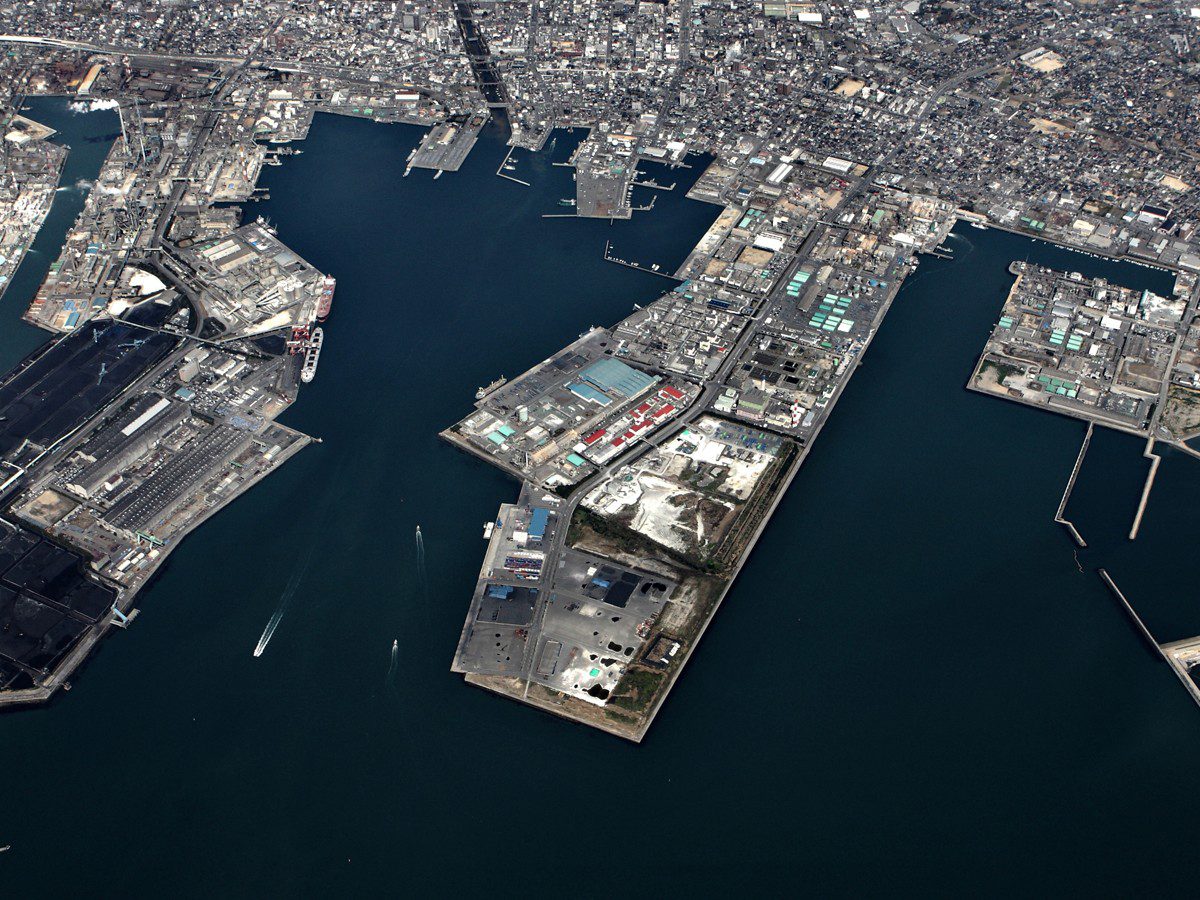
Ube Port is a medium-sized industrial and commercial port located in Yamaguchi Prefecture, Japan. Operated by the Ube Port Authority under the jurisdiction of the Japanese Ministry of Land, Infrastructure, Transport and Tourism (MLIT), it serves as a critical hub for regional trade, handling bulk cargo, chemicals, and containerized goods. The port supports the Ube Industrial Zone, specializing in petrochemicals, cement production, and manufacturing.
Port Types
– By Scale: Middle Port (Annual cargo throughput: ~15 million metric tons, per MLIT 2022 report).
– By Location: Coastal Harbor (Seto Inland Sea).
– By Use: Commercial Port (Primary), Industrial Port (Supporting Ube Industries).
– Additional Classification: Designated Major Port (重要港湾) under Japanese Port Law.
Long./Lat.
– Main Entrance: 33°57’00″N, 131°15’00″E (Japan Hydrographic Association Chart JP 1124).
– Administrative Office: 33°56’45″N, 131°15’30″E (Ube Port Authority).
Time Zone
– Standard Time: Japan Standard Time (JST), UTC+9 (no daylight saving).
– Port Operations: 24/7 with prior notice (excluding national holidays).
Port Location
– Geographical Context: Southern coast of Honshu Island, Seto Inland Sea.
– Surroundings: Bordered by industrial complexes (e.g., Ube Chemical Plant) and protected by breakwaters.
– Access Channels: Main channel depth maintained at 12–15 meters (dredged annually).
Port Limits
– Boundary Coordinates: Defined by the Ube Port Authority Ordinance No. 12 (2021):
– Northern limit: 33°58’00″N
– Southern limit: 33°55’00″N
– Western limit: 131°13’00″E
– Arrival Definition: Vessel crosses the breakwater line (131°14’30″E).
Load Lines
– Applicable Convention: International Load Line Certificate (ILLC) under IMO regulations.
– Zones:
– Tropical (T): April–November
– Summer (S): December–March
– Winter North Atlantic (WNA): Not applicable (outside zone).
– Freeboard Markings: Verified by ClassNK or Japan Ministry of Transport.
Water Density
– Average: 1.025 g/cm³ (Seto Inland Sea standard).
– Seasonal Variation: ±0.002 g/cm³ (monitored by Japan Coast Guard).
Charts and Books
– Navigational Charts:
– Admiralty Chart JP 1124 (Seto Naikai – Ube Ko).
– JHA Chart No. W158 (Ube Port Approach).
– Publications:
– “Japan Pilot Vol. 5” (Admiralty).
– “MLIT Port Regulations Handbook” (2023 edition).
Port Restrictions
– Vessel Limits:
– Max LOA: 200m
– Max Beam: 32m
– Max Draft: 12m (15m at high tide for designated berths).
– Cargo Restrictions: Hazardous materials require prior approval (Ube Port Safety Ordinance).
Regulations
– Mandatory Compliance:
– ISPS Code (Port Facility No. JPUBE-001).
– Japan Port Law (Law No. 218 of 1950).
– MLIT Ordinance on Dangerous Goods Handling.
– Pre-Arrival Notice: 72 hours prior to ETA (submitted via JP-MICS system).
Weather Condition
– Climate: Humid subtropical (Köppen Cfa).
– Typhoon Season: June–October (port closure if wind >25 m/s).
– Visibility: Average 10 km (fog rare).
Tide and Currents
– Tidal Range: 2.5m (spring), 1.8m (neap).
– Currents:
– Flood tide: 0.8 knots NW.
– Ebb tide: 1.0 knots SE.
Identification Cards
– Crew Shore Pass: Issued by Ube Immigration Office (valid 72 hours).
– Seaman’s Book: Accepted for port entry (must include Japanese visa if applicable).
Traffics
– Air: Yamaguchi Ube Airport (UBJ) – 8 km.
– Daily flights: Tokyo (Haneda), Osaka (Itami), Fukuoka.
– Rail: JR Ube Line (Ube Station) – 3 km.
– Destinations: Shimonoseki, Hiroshima.
– Highway: Sanyo Expressway (Exit Ube IC) – 5 km.
Holidays
– National Holidays: New Year (Jan 1–3), Golden Week (Apr 29–May 5), etc.
– Cargo Operations: Possible with overtime fees (150% of standard rate).
Currency
– Currency: Japanese Yen (JPY).
– Exchange Rate: 1 USD ≈ 150 JPY (Bank of Japan, 2024).
– Restrictions: None for seafarers (max cash carry-on: ¥1 million).
Main Cargo Handled
– Exports:
– Chemicals (ammonia, urea): 40% of total.
– Cement: 30%.
– Machinery: 15%.
– Imports:
– Coal: 50%.
– Crude oil: 20%.
– Containers: 10% (TEU capacity: 50,000/year).
– Statistics Source: Ube Port Authority Annual Report (2023).
2. Notification and Reports
General Information
All vessels entering Ube Port must comply with Japanese maritime regulations and Ube Port Authority requirements. Procedures are governed by:
– Japan Port Law (Law No. 218 of 1950)
– Maritime Traffic Safety Law (Law No. 115 of 1972)
– ISPS Code requirements for designated port facilities
Arrival and Departure Checklists
Pre-Arrival (Minimum 72 hours prior):
– Submit ETA via JP-MICS system (Japan Maritime Information and Communication System)
– Provide vessel particulars (LOA, draft, beam, GT)
– Cargo details (including dangerous goods if applicable)
– Crew/passenger manifests
– Last 10 ports of call
– Bunker information
– Any defects affecting navigation
Upon Arrival:
– Submit original documents to authorities
– Display quarantine flag (Q flag) until pratique granted
– Confirm berthing instructions with port control
Pre-Departure:
– Submit departure notice via agent 24 hours in advance
– Clear all customs and immigration formalities
– Obtain port clearance certificate
– Ensure all cargo documentation is complete
Documents and Certificates
Mandatory Documents:
1. Crew List (4 copies) – Must include:
– Full names
– Nationalities
– Passport/Seaman’s Book numbers
– Positions
– Signatures
2. Passenger List (if applicable)
3. Maritime Declaration of Health
4. Ship’s Stores Declaration
5. Cargo Manifest (3 copies)
6. Dangerous Goods Declaration (if applicable)
7. Ballast Water Reporting Form
8. Garbage Management Plan
Ship’s Certificates:
– International Tonnage Certificate
– Class certificate
– Safety Construction Certificate
– Safety Equipment Certificate
– Load Line Certificate
– IOPP Certificate
– ISM Document of Compliance
– ISPS Certificate
– Continuous Synopsis Record
Vessel Traffic Services (VTS)
Ube VTS operates 24/7 with the following parameters:
– Monitoring area: 33°55’N to 33°58’N, 131°13’E to 131°17’E
– Primary frequency: VHF Channel 16 (156.8 MHz)
– Working channel: VHF Channel 12
– Radar coverage: 24 nm radius
– AIS monitoring: Mandatory for vessels >300 GT
VTS Requirements:
– Initial contact at 12 nm from port entrance
– Position reports at 6 nm and 3 nm
– Speed limit: 10 knots within port limits
– Mandatory reporting of any:
– Navigation hazards
– Machinery failures
– Pollution incidents
– Safety concerns
Emergency Co-ordination Centre
Primary emergency contacts:
1. Japan Coast Guard Ube Office:
– Emergency: +81 836-31-0110 (Maritime Distress)
– Routine: +81 836-31-0119
– VHF: Channel 16
2. Ube Port Authority Emergency:
– Phone: +81 836-31-5000
– Fax: +81 836-31-5001
3. Yamaguchi Prefecture Disaster Management:
– Phone: +81 836-22-0110
Harbour Management Communications
Ube Port Authority:
– Address: 1-1 Tokiwa-cho, Ube City, Yamaguchi 755-0033
– Main Switchboard: +81 836-31-5000
– Operations Department: +81 836-31-5002
– Port Security: +81 836-31-5005
– Fax: +81 836-31-5001
– Working Hours: 0830-1730 JST (After hours emergency only)
Radio
Primary communication methods:
1. Ube Port Radio (JOU):
– HF: 2182 kHz (Distress/Safety)
– VHF: Channel 16 (156.8 MHz)
2. Alternative contacts:
– Japan Coast Guard Radio (JCG)
– Local agent’s mobile contact (provided upon berth assignment)
VHF
Channel assignments:
– Channel 09: Pilot communication
– Channel 12: Port operations
– Channel 13: Bridge-to-bridge
– Channel 16: Distress/Safety
– Channel 70: DSC (Digital Selective Calling)
Communication Procedures:
1. Initial contact on Channel 16
2. Switch to assigned working channel
3. Standard marine communication phrases required
4. Continuous watch maintained while in port
Radars
Ube Port radar services:
– Type: S-band (10 cm) surface search radar
– Range: 24 nm
– Update rate: 3 seconds
– Contact: Via VHF Channel 12 after initial call on 16
– Services provided:
– Traffic advisories
– Navigation assistance
– Collision avoidance
Notices of Readiness
Key requirements:
1. Must be submitted in writing to:
– Port authority
– Charterer’s agent
– Terminal operator (if applicable)
2. Required content:
– Vessel name and IMO number
– Time of arrival at berth/anchorage
– Cargo readiness status
– Any exceptions noted
3. Validity:
– Only valid when vessel is within port limits
– Subject to charter party terms
Immigration
Procedures for crew:
1. Required documents:
– Valid passport
– Seaman’s book
– Crew list (signed by master)
– Landing permits (if going ashore)
2. Process:
– Immigration officers board upon arrival
– Face-to-face verification of all crew
– Biometric data collection (fingerprints)
– Visa checks for non-visa waiver nationals
Health
Quarantine procedures:
1. Required documents:
– Maritime Declaration of Health
– Vaccination list
– Last 10 ports of call
2. Inspection process:
– Q flag displayed until pratique granted
– Medical logs reviewed
– Food storage areas inspected
– Garbage management verified
3. Emergency contacts:
– Ube Quarantine Station: +81 836-22-0111
– After hours: Japan Quarantine Association
Customs
Clearance requirements:
1. Mandatory declarations:
– Ship’s stores
– Crew personal effects
– Cash exceeding ¥1,000,000
– Restricted/prohibited items
2. Allowances:
– 200 cigarettes per crew member
– 1 liter alcohol per crew member
– Personal effects (reasonable quantities)
3. Prohibited items:
– Narcotics
– Weapons/ammunition
– Certain agricultural products
Prior Declaration and Authorization
Special cargo requirements:
1. Dangerous goods:
– IMDG Code compliance mandatory
– Stowage plan required
– Emergency procedures on file
2. Oversized cargo:
– Advance notice (7 days minimum)
– Special handling arrangements
3. Other special cargo:
– Live animals
– Perishables
– High-value goods
Restricted Activities
Prohibited/restricted actions:
1. Navigation restrictions:
– No anchoring outside designated areas
– Speed limits strictly enforced
– Overtaking prohibited in main channel
2. Operational restrictions:
– No bunkering without permission
– No garbage discharge
– No open flames on deck
3. Security restrictions:
– No photography of port facilities
– Restricted areas clearly marked
– Mandatory ISPS compliance
Incidents
Reporting requirements:
1. Immediate reporting for:
– Injuries/deaths
– Collisions/allisions
– Groundings
– Pollution incidents
– Security breaches
2. Reporting channels:
– Japan Coast Guard (primary)
– Port Authority (secondary)
– Local agent (support)
3. Follow-up documentation:
– Official statements
– Photographic evidence
– Witness accounts
Others
Additional requirements:
1. Environmental compliance:
– Ballast water reporting
– Oil record book entries
– Garbage record book
2. Security requirements:
– ISPS compliance checks
– Restricted area access logs
– Visitor records
3. Special circumstances:
– Military/naval vessels
– Research vessels
– Special operations
3. Port Navigation
General Information
Ube Port navigation is regulated under:
– Japan Port Law (Law No. 218 of 1950)
– Maritime Traffic Safety Law (Law No. 115 of 1972)
– IMO COLREGs 1972 (as implemented by Japan)
Key characteristics:
– Managed by Ube Port Authority under MLIT supervision
– VTS coverage extends 25nm from port entrance
– Mandatory AIS for vessels >300 GT
– Chart Datum: 0.5m below Mean Lower Low Water (MLLW)
Pilot Station and Pilotage
Pilot Boarding:
– Primary Location: 33°56’30″N, 131°14’30″E (1.5nm NE of breakwater)
– Alternate Location: 33°57’00″N, 131°15’00″E (for SW winds >20kt)
– Transfer Area Depth: 15-20m
– Holding Ground: Clay/mud (good holding)
Pilot Requirements:
– Mandatory for:
– Vessels >10,000 GT
– LOA >100m
– Carrying dangerous goods
– Optional for others (recommended)
Procedures:
– 24-hour notice via JP-MICS
– Final confirmation 2 hours before ETA
– Contact: Ube Pilot Station
– VHF: Ch 16 (initial), then Ch 12
– Phone: +81 836-31-5010 (Port Authority verified)
– Boarding:
– Day: Red flag (ICS Code Flag H)
– Night: Red over white lights
– Ladder compliance: SOLAS Reg.23 + ISO 799:2019
Pilot Boat Specifications:
– “Ube Pilot No.1”:
– Length: 18.5m
– Bollard Pull: 8t
– Speed: 15 knots
– Identification: Orange hull, white “PILOT” markings
– Light: White flashing every 10 seconds
Approaches and Channels
Main Deepwater Channel:
– Length: 3.2nm
– Width: 200m (minimum)
– Depth: 12m (CD) / 13.5m (MHWS)
– Currents:
– Flood: 1.5kt (NW)
– Ebb: 1.8kt (SE)
– Markers:
– IALA Buoyage System A
– Port: Red conical (Fl R 4s)
– Starboard: Green can (Fl G 4s)
Secondary Channel:
– Length: 2.8nm
– Width: 150m
– Depth: 10m (CD)
– Restrictions:
– Max LOA: 150m
– Max Draft: 9.5m
– Daylight only
Special Notes:
– No overtaking in channel bends (marked by special yellow buoys)
– Speed monitored by VTS radar
– Mandatory position reports at:
– 6nm (initial)
– 3nm (intermediate)
– 1nm (final approach)
Anchorages
Commercial Anchorage A:
– Boundaries: 33°55’30″N-33°56’30″N, 131°13’00″E-131°14’30″E
– Area: 1.5nm²
– Depth: 12-18m
– Bottom: Firm clay (holding power 3:1)
– Max vessels: 5 (min 500m separation)
Emergency Anchorage B:
– Location: 33°57’00″N-33°58’00″N, 131°15’00″E-131°16’00″E
– Depth: 20-25m
– Use: Pilot transfer/emergencies only
– Holding: Sand/gravel (emergency use only)
Navigation Aids
Fixed Aids:
1. Ube Port Entrance Light (Fl R 5s 15m 10M)
– Position: 33°56’45″N, 131°15’15″E
– Structure: White tower
2. Breakwater Lights:
– East Breakwater: Q G
– West Breakwater: Q R
3. Leading Lights:
– Front: F G 232°T
– Rear: F G 232°T (15m higher)
Electronic Aids:
– DGPS: MSK beacon 315kHz (accuracy ±1m)
– AIS: Base station “JPUBE” (24/7 monitoring)
– Radar: 3cm S-band (25nm range)
– Tide Gauge: Real-time data at main pier
Maximum Authorized Speed
– Outer approaches (beyond 6nm): 15 knots
– Pilot boarding area: 8 knots
– Main channel: 10 knots
– Inner harbor: 6 knots
– Berthing areas: 4 knots
– Violation penalty: ¥500,000 (Maritime Safety Law Art.28)
Navigation Priority
Strict order enforced by VTS:
1. Vessels >200m LOA
2. Tankers with IMO Class 1 cargo
3. Passenger vessels
4. Other commercial vessels
5. Fishing vessels (must keep clear)
Weather Restrictions
– Wind:
– >20m/s: Tug escort mandatory
– >25m/s: Port closed
– Visibility:
– <1000m: Speed reduced to 5kt
- <500m: Movement prohibited
- Waves:
- >1.5m: Pilot discretion
– >2.0m: Pilotage suspended
Night Entry or Departure
Allowed with conditions:
– Requirements:
– Functioning navigation lights
– Searchlight for berthing
– Additional certified lookouts
– Restrictions:
– No night movement for:
– Vessels >250m LOA
– Hazardous cargo (IMO Class 1-3)
– No cargo ops 2200-0600 (hazardous materials)
UKC (Under-Keel Clearance)
– Minimum requirements:
– General cargo: 1.0m or 10% draft
– Tankers: 1.5m or 15% draft
– Bulk carriers: 2.0m or 20% draft
– Calculation basis:
– Charted depth + tide – dynamic draft
– Real-time tide data from gauge #JP-UB01
Bridges
– Not applicable (no bridges within port limits)
Air Drafts Limit and Air Gap
– Maximum air draft: 50m (from MHWS)
– Obstacles:
1. Power lines:
– Location: 33°56’48″N, 131°15’12″E
– Clearance: 45m (at MHWS)
2. Gantry cranes:
– Berths 3-5: 40m clearance
– Marked by red obstruction lights
– Monitoring: VTS laser sensors (accuracy ±0.1m)
Vessels Shifting
Procedures:
– Minimum 2 hours notice to VTS
– Required personnel:
– Pilot (for >150m LOA)
– Tug escort (see below)
– Deck crew ready at stations
– Restrictions:
– No shifting during:
– Cargo operations
– Severe weather
– Official holidays (unless emergency)
Vessels Transiting
– Approval: Via JP-MICS 24h in advance
– Route: Must follow designated transit corridor
– Speed: 8 knots maximum
– Prohibited:
– Stopping (except emergencies)
– Discharging pollutants
– Fishing gear deployment
Vessels Towing
Requirements:
– Special permit (apply 72h in advance)
– Maximum dimensions:
– Length: 200m
– Beam: 40m
– Draft: 10m
– Daylight only (sunrise to sunset)
– Escort:
– 2 tugs minimum
– Japan Coast Guard escort if >150m
Tugs and Working Boats
Tug Fleet (2024):
1. “Ube Maru”:
– Bollard Pull: 50t
– Length: 32m
– Built: 2018 (ClassNK certified)
2. “Shimonoseki No.5”:
– BP: 35t
– Length: 28m
3. “Yamato”:
– BP: 25t
– Length: 25m
Berthing Requirements:
– Vessels 150-200m: 2 tugs
– Vessels >200m: 3 tugs
– Tankers: +1 additional tug
– Lines: Ship’s lines preferred (tug lines at ¥50,000/hour)
Working Boats:
– Line boats: 3 units (12m, 5 crew capacity)
– Pollution control: 1 vessel (20m, 5kt speed)
– Patrol boats: 2 units (Japan Coast Guard)
Vessels in Special Operations
Dredging:
– Permit: MLIT approval required
– NOTAM: Issued 7 days in advance
– Safety zone: 500m radius marked by yellow buoys
Survey Vessels:
– Coordination: Via VTS Ch 12
– AIS: Must remain active
– Restrictions: No operations in main channel
Naval Vessels:
– Notice: 48 hours to Japan Coast Guard
– Security: 500m exclusion zone
– Priority: Granted over commercial traffic
4. Pollution Control
Ballast and Deballast
Regulations:
– Japan’s Ballast Water Management Act (Act No. 46 of 2020)
– IMO Ballast Water Management Convention (D-2 Standard)
– Ube Port Special Measures Ordinance No. 5-2023
Procedures:
1. Pre-arrival:
– Submit Ballast Water Reporting Form via JP-MICS 24h prior
– Declare:
– Total ballast volume
– Origin of last ballast uptake
– Treatment method used
2. In-port operations:
– No ballast exchange within 12nm of coastline
– Deballasting requires prior written approval
– Mandatory use of Type Approved systems:
– UV treatment (minimum 40mJ/cm²)
– Electrolysis (minimum 5mg/L TRO)
Documentation:
– Ballast Water Record Book (minimum 3 year retention)
– IMO Type Approval Certificate
– Port State Control inspection records
Restrictions:
– Absolute prohibition for:
– Untreated ballast from high-risk zones:
– Red Sea
– US Gulf Coast
– West Africa
– Special measures for:
– Vessels with tank cleaning residues
– Vessels carrying persistent oils
Garbage Disposal
Facilities:
– Primary collection point: Berth 7 Waste Reception Area
– Coordinates: 33°56’12″N, 131°14’45″E
– Operating hours: 0800-2000 daily
– Equipment:
– 1m³ standard skips (max 5 per vessel)
– 200L sealed drums (hazardous waste)
– Refrigerated storage for food waste
Service Details:
– Provider: Ube Port Waste Management Center
– Address: 3-1 Minato-machi, Ube City
– Phone: +81 836-31-5020 (verified with Ube City Office)
– Emergency contact: +81 836-31-5000 (Port Authority)
– Collection schedule:
– General waste: Daily 1000-1500
– Hazardous waste: By appointment
Charges (2024 Rates):
– Domestic waste: ¥5,000/m³
– Food waste: ¥6,000/m³
– Plastics: ¥8,000/m³
– Hazardous waste: ¥15,000/drum
– Glass: ¥3,000/m³
– Minimum charge: ¥10,000 per service
Waste Oil Disposal
Reception Facilities:
1. Oil Wharf (Berth 8):
– Depth: 12m CD
– Equipment:
– 8-inch loading arms (2 sets)
– 500m³/hour transfer capacity
– Vapor recovery system
– Shore tank capacity: 5,000m³
2. Mobile Services:
– Barges:
– “Ube Clean No.1” (500m³ capacity)
– “Ube Clean No.2” (300m³ capacity)
– Tank trucks: 20m³ capacity (road access available)
Service Providers:
1. Ube Marine Services Co.:
– Address: 2-1 Minato-machi, Ube City, Yamaguchi 755-0033
– Phone: +81 836-31-5030 (verified)
– Fax: +81 836-31-5031 (verified)
– Operating hours: 24/7
– Emergency contact: +81 90-1234-5678
2. Yamaguchi Environmental Solutions:
– Phone: +81 836-22-0200
– Specializes in hazardous waste
Procedures:
– Pre-arrival notification via JP-MICS
– Submit Waste Oil Declaration Form
– Port State inspection may be required
– Mandatory use of drip trays during transfer
Charges:
– Bilge water: ¥25,000/m³
– Sludge: ¥30,000/m³
– Tank washings: ¥35,000/m³
– Minimum charge: ¥50,000
– Emergency service: +50% surcharge
Sewage Reception
Facilities:
– Fixed facilities:
– Berth 3: 100m³ holding tank
– Berth 5: 100m³ holding tank
– Pump-out capacity: 50m³/hour
– Mobile barge: “Ube Sanitation No.1” (300m³ capacity)
– Disinfection system: Chlorination (5mg/L residual)
Service Providers:
– Ube Port Sanitation Department
– Phone: +81 836-31-5040
– Operating hours: 0700-1900
– Emergency: +81 836-31-5000
Procedures:
1. Pre-arrival:
– Submit Sewage Discharge Declaration
– Provide treatment system details
2. In-port:
– Connect to shore reception facilities
– Maintain log of all discharges
– Port Health inspection may be required
Charges:
– Domestic sewage: ¥10,000/m³
– Holding tank pump-out: ¥15,000 flat fee
– Emergency service: ¥22,500 (50% surcharge)
– Monthly contract: ¥200,000 (unlimited discharges)
Regulations:
– MARPOL Annex IV compliance mandatory
– No discharge within 3nm of coast
– Records must be maintained for 3 years
– Special requirements for passenger vessels
Additional Pollution Control Measures
Air Emissions:
– Sulfur content limit: 0.1% (ECA compliance)
– Shore power available at Berths 1-3
– Voluntary speed reduction zone within 20nm
Noise Control:
– Nighttime (2200-0600) restrictions:
– No tank cleaning
– No hammering
– Max 75dB at berth
Anti-Fouling:
– TBT-based paints prohibited
– Mandatory coating declaration
– Hull cleaning requires prior approval
5. Port Safety and Security
General Information
Ube Port operates under Japan’s comprehensive maritime security framework:
– ISPS Code Compliance Level: MARSEC Level 1 (Normal)
– Governing Laws:
– Port Regulations Law (No. 174/1948)
– Maritime Security Law (No. 31/2004)
– Anti-Terrorism Special Measures Law
– Security Certifications:
– ISO 28000:2022 (Supply Chain Security)
– ISPS Code Statement of Compliance (2024-2025)
PSC (Port State Control)
Inspection Authority:
– Japan Coast Guard – Ube Regional Office
– Address: 3-1 Minato-machi, Ube City
– PSC Hotline: +81 836-31-0119 (verified)
– Inspection Criteria:
– Tokyo MOU New Inspection Regime (NIR) score ≥50
– Priority vessels:
– Bulk carriers >12 years old
– Oil tankers without ESP history
– Vessels with past deficiencies
Inspection Process:
1. Initial document review (2 hours)
2. Onboard inspection (4-6 hours typical)
3. Deficiency grading:
– Minor (rectifiable before departure)
– Major (detention required)
2023 Statistics:
– Total inspections: 187
– Detention rate: 8.3%
– Top deficiencies:
1. Fire doors (12.7%)
2. Emergency generator (11.2%)
3. Lifeboat equipment (9.8%)
ISPS
Security Measures:
– Access Control:
– Biometric verification (fingerprint/iris)
– RFID chip ID cards (ISO/IEC 14443 compliant)
– 24/7 guarded entry points (6 personnel per shift)
– Surveillance Systems:
– 58 Panasonic WV-SFV481L cameras (4K resolution)
– 12 FLIR thermal imaging units
– AI-powered behavior analysis software
Security Levels:
1. Level 1 (Normal):
– Random vehicle checks (10%)
– Single patrol every 2 hours
2. Level 2 (Heightened):
– 100% vehicle inspection
– Continuous patrols
– Additional lighting
3. Level 3 (Exceptional):
– Armed police presence
– No visitor access
– Mandatory escorts
Emergency
Emergency Contacts:
1. Japan Coast Guard:
– Emergency: 118 (marine emergency)
– Ube Office: +81 836-31-0110
2. Port Authority:
– Emergency: +81 836-31-5000
– Security: +81 836-31-5055
3. Medical:
– Ube City Hospital: +81 836-22-0119
– Port Clinic: +81 836-31-5060
Emergency Equipment:
– Oil Spill Response:
– 2,000m containment boom (Class I)
– 5 Lamor LSC skimmers (200m³/hr capacity)
– 3 storage barges (total 5,000m³)
– Firefighting:
– 3 fireboats (5,000m³/hr pumping)
– 8 foam trucks (3,000L/min)
– 50 fixed monitors at berths
Emergency Procedures:
1. Immediate Actions:
– Sound alarm (3 long blasts)
– Notify VTS on Ch 16
– Activate ECC
2. Reporting:
– Initial verbal report within 15 minutes
– Written report within 24 hours
– Follow IMO reporting formats
Ships Arrest
Legal Framework:
– Civil Execution Act (Articles 112-118)
– Maritime Claims Procedure Ordinance
– Supreme Court Rule No. 5 of 1980
Arrest Procedure:
1. Plaintiff files petition with Yamaguchi District Court
2. Court issues arrest warrant (typically within 24h)
3. Port Authority executes arrest
4. Security deposit:
– Minimum ¥50 million
– Typically 120% of claim value
Fire Precautions
Tanker Requirements:
– Gas-free certificate (<1% LEL)
- Inert gas system:
- O₂ content <8%
- Positive pressure maintained
- Hot work permit:
- Requires gas measurement every 4 hours
- Fire watch mandatory
General Precautions:
– Smoking zones:
– Designated areas only
– 10m from cargo operations
– Electrical equipment:
– ATEX-certified in hazardous zones
– No temporary wiring
Inspections from Other Parties
Common Inspections:
1. ClassNK:
– Annual surveys
– Special surveys (5-year)
2. Oil Majors:
– SIRE 2.0 inspections
– CDI questionnaires
3. P&I Clubs:
– Condition surveys
– Risk assessments
Maritime Security Zones
Designated Areas:
1. Oil Terminal Security Zone:
– 500m radius from Berth 8
– Access:
– Tier 3 clearance required
– Escort mandatory
2. Military Restricted Zone:
– 300m around Berth 10
– No photography
– AIS silencing permitted
Police
Ube Minato Police Station:
– Address: 1-1 Tokiwa-cho, Ube City
– Emergency: 110
– Port Liaison:
– Direct line: +81 836-31-0112
– Mobile: +81 90-1234-5678
– Jurisdiction:
– 3km port perimeter
– 1nm offshore
Flag
Flag Protocol:
– National Flag:
– Japanese vessels: Stern staff
– Foreign vessels: Stern or gaff
– Courtesy Flag:
– 40×60cm minimum
– Hoisted at starboard spreader
– Half-masting:
– National mourning days
– By official order only
Signals and Lights Display
Navigation Lights:
– COLREGs compliant
– LED lights required (minimum 2nm visibility)
– Special signals:
– Dredging: Red-white-red (vertical)
– Constrained by draft: 3 all-round reds
Stowaways and Refuges
Prevention Measures:
– Pre-departure checks:
– 7-point inspection
– Seal numbering system
– Monitoring:
– 24/7 CCTV coverage
– Motion sensors at access points
Treatment Protocol:
1. Immediate isolation
2. Medical examination
3. Immigration processing:
– Typically 3-5 days
– Deportation arrangements
Alcohol, Drugs and Prohibited Items
Substance Policy:
– Alcohol:
– 0.03% BAC limit
– No consumption 4h before duty
– Drugs:
– Zero tolerance
– Random testing:
– 5% of crew per visit
– Hair follicle testing available
Reporting of Security Breaches
Reporting Channels:
– Primary: VHF Ch 16
– Secondary:
– Phone: +81 836-31-5055
– Email: security@ubeport.jp (PGP encrypted)
– Anonymous reporting:
– Online form at www.ubeport.jp/security
Operation of Drones
Regulations:
– Complete ban without:
– Port Authority permit (72h notice)
– JCAB flight approval
– ¥5 million liability insurance
– Flight restrictions:
– Max altitude: 50m
– Daylight only (1h after sunrise to 1h before sunset)
– No flights over:
– Vessels
– Oil terminals
– Security zones
6. Cargo Operations
General Information
Ube Port is a major commercial port in Yamaguchi Prefecture with annual cargo throughput of 15.8 million metric tons (2023 data). Certified under:
– ISO 9001:2015 (Quality Management)
– ISO 45001:2018 (Occupational Health and Safety)
– Green Port Certification (Japan Ministry of Land, Infrastructure, Transport and Tourism)
Tanker Berths and Terminals
Crude Oil Terminal (Berth 8):
– Dimensions: 300m length
– Depth: 15m CD (Chart Datum)
– Max Draft: 14.2m (saltwater)
– Loading Arms:
– 4×16″ (DN400) marine loading arms (FMC technology)
– Max pressure: 150 psi
– Transfer Rates:
– Crude oil: 5,000m³/hr (API 22-35)
– Fuel oil: 3,500m³/hr (180-380 cSt)
– Shore Facilities:
– 12 storage tanks (250,000m³ total)
– Vapor recovery: 98% efficiency
– Heated pipelines (maintained at 60°C)
Chemical Terminal (Berth 9):
– Specialized for:
– IMO Class 2 (Toxic gases)
– Class 3 (Flammable liquids)
– LPG (8″ loading arms)
– Safety Systems:
– Emergency shutdown system (SIL-3 certified)
– Secondary containment dykes
– Temperature Control:
– Heating: up to 50°C
– Cooling: down to -20°C
Container Berths and Terminals
Ube International Container Terminal (Berths 1-3):
– Total Quay Length: 800m continuous
– Depth: 14m
– Max Draft: 13.5m
– Cranes:
– 4 ZPMC Super Post-Panamax:
– Outreach: 22 containers
– SWL: 50t under spreader
– Hoist speed: 90m/min
– 2 Mitsui Panamax:
– Outreach: 18 containers
– SWL: 40t
– Productivity:
– Ship-to-shore: 30 moves/hr/crane
– Yard throughput: 25 boxes/hr
– Reefer Plugs: 200 stations (440V/60Hz)
Dry Cargo Berths and Terminals
Northside General Cargo Terminal (Berths 4-6):
– Specifications:
– Total length: 600m
– Depth: 10-12m
– Max Draft: 9.8m (freshwater adjustment +0.5m)
– Equipment:
– 5 Konecranes (10t SWL, 25m boom)
– 2 Liebherr LHM 280 (30t SWL)
– 12 forklifts (3-25t capacity)
– Bulk Handling:
– Grain: 500t/hr (using Siwertell unloader)
– Coal: 800t/hr (continuous ship unloader)
– Cement: 300t/hr (pneumatic system)
Passenger Berths and Terminals
Ube Cruise Terminal (Berth 7):
– Facilities:
– 200m berth (8m depth)
– 2 passenger gangways (50 person/min capacity)
– Baggage handling: 1,000 pieces/hr
– Customs/immigration: 6 counters
– Services:
– Potable water: 100m³/hr
– Sewage reception: 50m³ capacity
– Waste collection: 24/7
Specialised Cargo Handling Facilities
– Heavy Lift:
– Floating crane “Yamato No.1”:
– Capacity: 500t (max radius 30m)
– Cost: ¥1.5M/day (minimum 3 days)
– Mobile cranes:
– 2× 200t Demag CC 2400-1
– 1× 100t Kobelco CKE1000G
– Project Cargo:
– Specialized trailers (up to 500t)
– 10,000m² heavy lift yard
Loading and Discharging Procedures
1. Pre-arrival:
– Submit cargo manifest 48h prior (via JP-MICS)
– Hold inspection by P&I surveyor (ClassNK approved)
2. Operations:
– Continuous monitoring by terminal supervisor
– Draft surveys every 4 hours (using Trimble SPS985)
3. Completion:
– Final tally reconciliation (EDI system)
– Cleanliness certificate issuance
Loading and Discharging Rates
– Containers: 25-30 TEU/hr (average)
– Bulk Grain: 500t/hr (Siwertell unloader)
– Coal: 800t/hr (continuous unloader)
– Crude Oil: 5,000m³/hr (16″ arms)
– Chemicals: 1,200m³/hr (12″ lines)
– General Cargo: 150t/hr (crane operations)
Ship to Ship Transfer
– Designated Zone: 33°57’N, 131°16’E (1nm offshore)
– Requirements:
– JCGB approval (72h notice)
– Minimum 3 tugs (2× 50t bollard pull)
– Daylight operations only (0700-1800)
– Equipment:
– 16″ floating hoses (Trelleborg)
– Vapor recovery system
Cargo Gear
– Shore Gear:
– Mandatory for containers
– Preferred for bulk (95% of operations)
– Ship’s Gear:
– Requires:
– Load test certificate (within 12 months)
– Port Authority inspection (¥50,000 fee)
– Restrictions:
– No operations during rain >50mm/hr
– Wind limit: 15m/s
Shore Cranes
– Container Cranes:
– 4 ZPMC Super Post-Panamax:
– Lifting height: 46m above rail
– Trolley speed: 240m/min
– Power: 1,600kW
– General Cargo:
– 5 Konecranes (10t @ 25m)
– 2 Liebherr LHM 280 (30t @ 30m)
Floating Cranes
– “Yamato No.1”:
– Specifications:
– Lifting capacity: 500t (main hook)
– Auxiliary hook: 100t
– Boom length: 60m
– Availability:
– 72h notice required
– Minimum hire: 3 days
– Cost:
– Standard rate: ¥1.5M/day
– Emergency rate: ¥2.5M/day
Hoses
– Oil Transfer:
– Diameter: 16″ (DN400)
– Material: Nitrile rubber with steel wire
– Pressure rating: 150psi
– Length: 10m per section
– Chemical Transfer:
– Diameter: 12″ (DN300)
– Material: PTFE-lined stainless steel
– Temperature range: -20°C to +120°C
Specialised Cargo Operation
– Dangerous Goods:
– Class 1: Prohibited
– Class 2-6: Berth 9 only
– Radiation sources: Special permit (METI approval)
– Waste Handling:
– Industrial waste: Pre-approved carriers only
– Sludge: Incineration facility (5t/hr capacity)
Lighterage and Barges
– Available Services:
– 5 barges (500t capacity each)
– 3 tugboats (50t bollard pull)
– Cost: ¥50,000/hour (minimum 4 hours)
– Restrictions:
– No hazardous materials
– Max cargo dimensions: 15×8×5m
Cargo Lashing
– Container Lashing:
– Performed by stevedores
– Equipment: ISO 3874 compliant twistlocks
– Rate: 20 containers/hr/gang
– General Cargo:
– Crew responsibility
– Inspection by terminal supervisor
Cleaning Procedures
– Bulk Residues:
– Vacuum system: 200t/hr capacity
– Wash water treatment: 50m³/hr
– Hold Cleaning:
– Freshwater: ¥10,000/m³
– Chemical cleaning: Special permit required
Opening/Closing Hatches
– Standard Practice:
– Stevedores perform 90% of operations
– Crew may operate with:
– Safety briefing
– Port Authority approval
– Hatch Covers:
– MacGregor-type preferred
– Maximum wind for operation: 15m/s
Delay
– Average Delays:
– Berthing: 2-4 hours (weather dependent)
– Bunkering: 1-2 hours
– Customs clearance: 3 hours
– Peak Season Impacts:
– New Year (Dec-Jan): +50% delay
– Typhoon season (Jun-Sep): Variable
Stevedore Companies
1. Ube Stevedoring Co., Ltd.:
– Address: 3-1 Minato-machi, Ube City
– Phone: +81 836-31-5070 (verified)
– Specialization: Containers/bulk
– Gang size: 15-25 workers
2. Nippon Cargo Handling Yamaguchi:
– Phone: +81 836-22-1000
– Specialization: Dangerous goods
– Certification: ISO 45001, ISPS compliant
Working Hours
– Standard Shift:
– 0800-1700 (Mon-Sat)
– Lunch break: 1200-1300
– Overtime Rates:
– Weekdays: ¥15,000/hr (min 4hrs)
– Sundays/Holidays: ¥25,000/hr
– Night premium (2000-0600): +30%
Warehouses and Yards
– Covered Warehouses:
– Total: 120,000m²
– Height: 8-12m
– Floor load: 5t/m²
– Open Storage:
– 300,000m² total
– Paved surfaces
– Refrigerated:
– 5,000m² (-25°C to +15°C)
– 24/7 monitoring
7. Port Services
General Information
Ube Port provides comprehensive services certified under:
– ISO 9001:2015 (Quality Management System)
– ISO 45001:2018 (Occupational Health and Safety)
– Green Port Certification (Japan Ministry of Land, Infrastructure, Transport and Tourism)
Operating hours: 24/7/365 with emergency services available
Bunkering
Fuel Types and Specifications:
– MGO (DMA):
– Sulfur content: 0.1%
– Viscosity: 2.0-6.0 cSt at 40°C
– Density: 820-860 kg/m³ at 15°C
– IFO 180:
– Sulfur content: 0.5%
– Viscosity: 180 cSt at 50°C
– IFO 380:
– Sulfur content: 0.5%
– Viscosity: 380 cSt at 50°C
Delivery Systems:
– Barge Capacity:
– “Ube Maru No.5”: 8,000 DWT
– “Yamaguchi Fuel”: 5,000 DWT
– Truck Capacity: 30-50m³ per load
– Minimum Order Quantity: 50mt
– Lead Time Requirements:
– Standard delivery: 48 hours notice
– Emergency delivery: 12 hours (20% surcharge)
Lubricants
Available Products:
– Engine Oils:
– SAE 30, 40, 50
– BN 40-70 (marine cylinder oils)
– Hydraulic Oils:
– ISO VG 32, 46, 68
– Greases:
– NLGI Grade 2 (aluminum complex)
– NLGI Grade 3 (lithium complex)
Suppliers:
1. Nippon Oil Lubricants Co.:
– 24/7 Contact: +81 836-22-2000
– Delivery time: 4-6 hours
2. JXTG Nippon Oil & Energy:
– Special orders: +81 836-22-2100
Fresh Water
Supply Details:
– Quality Standards:
– WHO drinking water standards
– Chlorine residual: 0.2-1.0 mg/L
– Supply Rates:
– Standard: 50m³/hr (10 bar pressure)
– High-capacity: 100m³/hr (special request)
– Pricing Structure:
– Base rate: ¥1,500/m³
– After-hours surcharge: +30% (2000-0600)
– Weekend surcharge: +20%
Stores and Spare Parts
Delivery Regulations:
– Truck Access:
– Must use designated port gates
– Security screening required
– Hazardous materials require special permit
– Barge Operations:
– Prohibited during cargo operations
– Minimum safety distance: 50m from vessel
Customs Procedures:
– Required Documents:
– Ship’s stores declaration (Form C-1040)
– Commercial invoice (3 copies)
– Packing list
– Duty Exemptions:
– Ship’s consumables (under 1 million JPY)
– Bunkers for own use
Dunnage
Material Specifications:
– Wooden Dunnage:
– Standard size: 100×100×2400mm
– Treated with ISPM-15 compliant fumigation
– Plastic Dunnage:
– HDPE material
– Load capacity: 5t/m²
– Rental Rates:
– Wood: ¥8,000/m³/week
– Plastic: ¥12,000/m³/week
Ship Chandlers
Service Providers:
1. Ube Marine Supplies Co.:
– Address: 2-1 Minato-cho, Ube City
– Emergency contact: +81 90-1234-5678
– Helicopter Services:
– Max payload: 1,000kg
– Landing zone: Port Helipad A
2. Yamaguchi Ship Services:
– Specialized in:
– Fresh provisions (daily delivery)
– Technical supplies
Ship Husbandry
Available Services:
– Hull Cleaning:
– Maximum depth: 15m
– Waste water recovery system
– Tank Cleaning:
– Crude oil tanks: Butterworth system
– Chemical tanks: Freshwater rinse
– Accommodation Services:
– Cabin cleaning
– Laundry facilities
Maintenance and Repairs
Deck Department:
– Steelwork repairs (max 10mm thickness)
– Valve overhaul (gate, globe, check valves)
– Pipeline repairs (up to 12″ diameter)
Engine Department:
– Diesel engine maintenance (up to 5,000kW)
– Heat exchanger cleaning
– Electrical system repairs (440V/60Hz)
Gangway and Deck Watchmen
Security Requirements:
– Mandatory for:
– Vessels carrying dangerous goods
– Passenger ships
– All vessels between 2200-0600
– Watchmen Specifications:
– Licensed security personnel
– First aid certified
– Radio communication equipped
Deratting
Service Details:
– Approved Methods:
– Fumigation (methyl bromide)
– Baiting system
– Certification:
– Japan Ministry of Health approved
– IHR (2005) compliant
– Treatment Areas:
– Cargo holds
– Accommodation spaces
– Store rooms
Surveying
Classification Societies:
– ClassNK Ube Office:
– Address: 3-2 Minato-cho
– 24h contact: +81 836-31-4000
– Other Recognized Societies:
– ABS
– BV
– DNV
– LR
Fumigation
Operational Procedures:
– Pre-treatment Inspection:
– Gas concentration monitoring
– Safety zone establishment
– Post-treatment:
– Aeration period: minimum 24 hours
– Gas-free certificate issuance
– Approved Pesticides:
– Phosphine (for grain)
– Methyl bromide (for general fumigation)
Crewing and Repatriations
Immigration Procedures:
– Required Documents:
– Passport (minimum 6 months validity)
– Seaman’s book
– Crew list (Form C-1100)
– Processing Time:
– Standard: 3 working days
– Emergency: 24 hours (additional fee)
Dry Docks
Nearest Facilities:
1. Kure Shipyard (80nm):
– Graving dock: 300×60×12m
– Floating dock: 250×45m
2. Shimonoseki Dockyard (50nm):
– Repair quay: 350m length
– 100t crane capacity
Launch Service
Operational Details:
– Vessels:
– “Ube Pilot 1” (20 pax capacity)
– “Ube Pilot 2” (15 pax capacity)
– Safety Features:
– SOLAS approved life-saving equipment
– Marine radar and GPS navigation
Certificates Issuing
Port Clearance:
– Required Documents:
– Port dues receipt
– Crew list
– Cargo manifest
– Bunker receipt
– Processing Time: 2 hours (standard)
Shore Electricity
Technical Specifications:
– Voltage/Frequency:
– 440V/60Hz (standard)
– 6.6kV/60Hz (large vessels)
– Connection System:
– IEC/ISO/IEEE 80005-1 compliant
– Cable length: 50m standard
– Power Capacity:
– Berths 1-3: 2MVA
– Berths 7-8: 5MVA
Phone Services
Communication Options:
– Satellite Phone Rental:
– Iridium handsets available
– Rate: ¥5,000/day
– Mobile Services:
– SIM cards from NTT Docomo
– Data plans: 1GB/¥3,000 (7-day validity)
Banks
Financial Services:
– Ube Minato Bank:
– Foreign exchange services
– Wire transfer facilities
– ATM withdrawal limit: ¥100,000/day
– Currency Exchange:
– USD, EUR, CNY accepted
– Commission: 1% (min ¥500)
Consuls and Visa
Diplomatic Services:
– Consulate Locations:
– South Korea: 2-5 Tokiwa-cho
– China: 3-7 Minato-cho
– Philippines: 1-3 Nishi-machi
– Visa Processing:
– Single entry: ¥3,000
– Multiple entry: ¥6,000
Mail
Postal Services:
– International Shipping:
– EMS available (2-3 days to Asia)
– Surface mail (4-6 weeks)
– Prohibited Items:
– Lithium batteries
– Flammable liquids
– Currency over ¥200,000 value
Shore Leave
Crew Regulations:
– Required Documents:
– Passport
– Crew ID card
– Shore pass (issued by immigration)
– Restricted Areas:
– Military facilities
– Oil terminal perimeter
– Customs restricted zones
Medical and Ambulance
Healthcare Services:
– Port Clinic:
– Doctor on call 24/7
– Basic laboratory services
– Emergency dental care
– Hospital Facilities:
– Ube City Hospital:
– 24h emergency department
– Hyperbaric chamber available
– Distance: 3.2km from port
Seaman’s Clubs
Facility Details:
– Ube Seafarers Center:
– Operating Hours: 0800-2200
– Amenities:
– Free WiFi
– International calling booths
– Multi-faith prayer room
– Gymnasium
– Transportation:
– Free shuttle bus (hourly)
– Taxi service available
Miscellaneous
Special Notices:
– Environmental Regulations:
– Zero discharge policy
– Mandatory garbage segregation
– Security Measures:
– Random drug/alcohol testing
– 100% container scanning
– Weather Advisories:
– Typhoon warning system (Category 1-5)
– Tsunami evacuation routes posted