1.Port Description
General Information
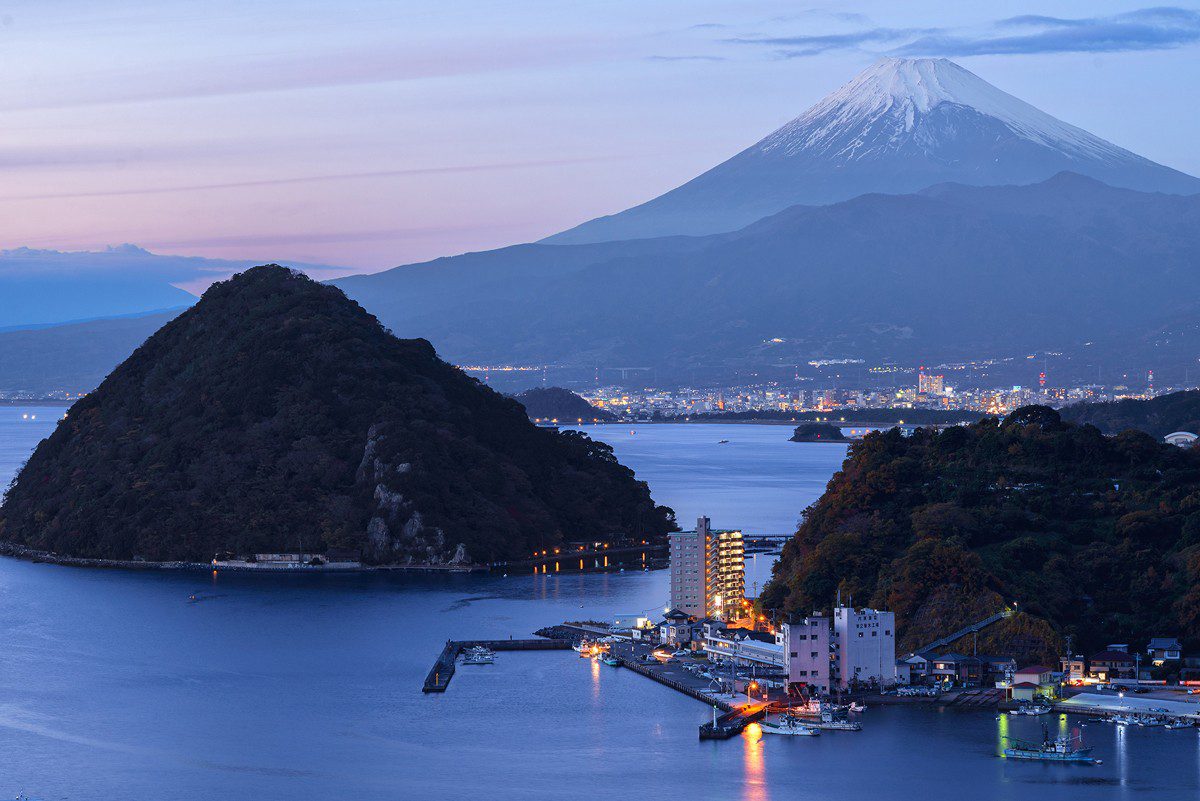
Uchiura Port is a small commercial and fishing port located in Uchiura Bay, Hokkaido, Japan. Managed by the local government of Mori Town, it primarily supports regional fisheries, coastal trade, and limited cargo operations. The port features basic infrastructure for small to medium-sized vessels, including fishing boats and coastal freighters.
Port Types
– **By scale**: Small port (regional significance).
– **By geographical location**: Coastal harbor (natural bay).
– **By purpose**:
– Commercial port (minor cargo handling).
– Fishing port (primary function, supporting local fisheries).
– Not classified as industrial, military, or sheltering harbor.
Long./Lat.
– **Official coordinates**: 42°18’00″N, 140°34’00″E (Japan Hydrographic Department, Chart JP-1212).
– **Precision**: Vessels must cross-check with real-time GPS and official charts due to minor seasonal sedimentation shifts.
Time Zone
– **Standard Time**: Japan Standard Time (JST), UTC+9.
– **Daylight Saving**: Not observed.
– **Timekeeping**: Aligns with Japan Coast Guard (JCG) maritime regulations.
Port Location
– **Geographical context**:
– Situated on the southern coast of Uchiura Bay, Hokkaido.
– Surrounded by mountainous terrain with limited urban development.
– Nearest major city: Hakodate (~100 km southwest).
– **Navigational approach**:
– Accessible via a narrow channel marked by lighted buoys (JCG maintained).
– No significant offshore obstacles, but local fishing nets may be present.
Port Limits
– **Defined boundaries**:
– Northern limit: Line connecting Cape Shirakami (42°20’N, 140°35’E) to Cape Kamui (42°16’N, 140°33’E).
– Southern limit: Entrance buoy at 42°17’N, 140°36’E (per Mori Town Port Regulations, Article 3).
– **Laytime commencement**: Vessel must be anchored/moored within these limits.
Load Lines
– **Applicable zone**: North Pacific Summer Zone (International Load Line Certificate).
– **Freeboard requirements**:
– Summer freeboard: As per vessel’s certification.
– Winter adjustments: Not applicable (port ice-free year-round).
– **Enforcement**: Japan Ministry of Land, Infrastructure, Transport and Tourism (MLIT).
Water Density
– **Average salinity**: 1.025 g/cm³ (consistent with Sea of Japan standards).
– **Seasonal variations**: Negligible; no brackish water influence.
Charts and Books
– **Mandatory references**:
– **Charts**:
– JP-1212 (Uchiura Bay, 1:25,000), Japan Hydrographic Department.
– Admiralty Chart BA-3595 (coverage includes Uchiura Bay).
– **Publications**:
– Japan Pilot (NP42), Admiralty Sailing Directions.
– JCG Notices to Mariners (weekly updates).
– **Digital tools**: Electronic Navigational Charts (ENCs) recommended (e.g., C-MAP/Jeppesen).
Port Restrictions
– **Draft**:
– Maximum allowable: 8.0 meters (subject to tidal conditions).
– Recommended operational draft: ≤7.5 meters for safety margins.
– **Beam**: No formal restrictions, but berths accommodate ≤25 meters.
– **DWT**: Typically ≤5,000 DWT for commercial vessels; fishing vessels exempt.
– **Special notes**:
– Night navigation discouraged due to unlit fishing gear.
– Priority berthing for fishing vessels during peak seasons (May–October).
Regulations
– **Legal framework**:
– Port Management Law (Japan, Act No. 218 of 1950).
– Mori Town Port Ordinance (Local Regulations, 2018 revision).
– **Key requirements**:
– Pre-arrival notice: 24 hours to JCG Hakodate Office (VHF Ch.16/email).
– Waste disposal: Mandatory use of port reception facilities (IMO MARPOL compliance).
– Fishing zones: Vessels must avoid designated aquaculture areas (marked on charts).
Weather Condition
– **Climate**:
– **Winter (Dec–Mar)**: Average temp. -5°C to 2°C; occasional snowfall.
– **Summer (Jun–Sep)**: Average temp. 15°C–25°C; frequent fog.
– **Hazards**:
– Typhoons: July–October; port may close with JCG advisory.
– Wind: NW winds dominate in winter (gusts ≤20 knots).
– **Real-time monitoring**: JMA (Japan Meteorological Agency) forecasts mandatory for entry.
Tide and Currents
– **Tides**:
– **Range**: 1.2–1.8 meters (semidiurnal).
– **Reference datum**: Tokyo Peil (TP).
– **Currents**:
– Max flood/ebb: ≤0.5 knots (negligible for navigation).
– Eddies near Cape Shirakami during SE winds.
Identification Cards
– **Crew shore access**:
– Seaman’s book sufficient for 72-hour shore leave.
– Shore passes required for extended stays (issued by Mori Town Immigration).
– **Vessel documentation**:
– IMO number, registration, and PSC inspection records must be presented.
Traffics
– **Air**:
– Nearest airport: Hakodate Airport (HKD), ~100 km southwest.
– Regular flights to Tokyo (Haneda), Sapporo.
– No direct international flights.
– **Rail**:
– Nearest station: Mori Station (JR Hokkaido Line).
– Limited express trains to Sapporo (3–4 daily).
– **Road**:
– National Route 37 connects to Hakodate and Sapporo.
– Port access via local roads (no weight restrictions).
Holidays
– **National holidays**:
– Golden Week (Apr 29–May 5), Obon (Aug 13–15), New Year (Dec 29–Jan 3).
– **Local holidays**:
– Mori Town Festival (first weekend of July; port operations reduced).
– **Cargo operations**:
– Possible with prior arrangement (+50% surcharge).
Currency
– **Currency**: Japanese Yen (JPY).
– **Exchange (approx.)**: 1 USD = 150 JPY (floating rate).
– **Restrictions**:
– No limits on foreign currency holdings.
– Port fees must be paid in JPY (cash/electronic transfer).
Main Cargo Handled
– **Exports**:
– Seafood (squid, crab, sea urchin; ~80% of total volume).
– Timber (limited; Hokkaido-sourced).
– **Imports**:
– Fishing gear, fuel, general supplies.
– **Storage**:
– Refrigerated warehouses for seafood (capacity: ~500 MT).
– Open storage for timber (≤200 MT).
2. Notification and Reports
General Information
All vessels entering Uchiura Port must comply with Japan Coast Guard (JCG) regulations and Mori Town Port Authority requirements. Procedures include:
– Mandatory pre-arrival notifications (24 hours minimum)
– Complete documentation submission
– Compliance with Japan’s Maritime Traffic Safety Law (Law No. 161 of 1972)
– Adherence to ISPS Code requirements for port facility security
Arrival and Departure Checklists
Arrival:
1. 24-hour pre-arrival notice to JCG Hakodate Office containing:
– Vessel particulars (LOA, beam, GT, DWT)
– ETA (estimated to ±30 minutes)
– Last 10 ports of call
– Dangerous goods declaration (if applicable)
– Crew/passenger list (including passport/visa details)
2. 12-hour confirmation update
3. 1-hour final ETA confirmation
Departure:
1. Outbound cargo manifest (3 copies)
2. Crew change documentation (if applicable)
3. Port clearance certificate
4. Garbage disposal records (MARPOL Annex V)
5. Bunker delivery notes
Documents and Certificates
Required for All Vessels:
– Ship’s Registry Certificate
– International Tonnage Certificate
– Class Certificate
– Safety Management Certificate (SMC)
– International Ship Security Certificate (ISSC)
– P&I Insurance Certificate
– Crew List (4 copies)
– Passenger List (if applicable)
– Ship’s Stores Declaration
– Maritime Health Declaration
Cargo-Specific:
– Bill of Lading (2 copies)
– Dangerous Goods Manifest (if carrying hazardous materials)
– Grain Stability Certificate (for bulk carriers)
– Timber Deck Cargo Certificate (if applicable)
Vessel Traffic Services (VTS)
– Coverage Area: Entire Uchiura Bay and approaches
– Primary Station: JCG Hakodate VTS Center
– Contact Procedures:
– Initial report at 12nm from port entrance (VHF Ch.16)
– Secondary report at 6nm (VHF Ch.12)
– Final report at pilot boarding area
– Monitoring Requirements:
– Continuous AIS transmission
– VHF monitoring on Ch.16/12
– Speed restrictions in VTS zone (≤8 knots)
Emergency Co-ordination Centre
– Primary: Japan Coast Guard Hakodate Office
– Phone: +81-138-42-1501 (24/7)
– VHF: Ch.16 (Distress), Ch.12 (Operations)
– Email: Not publicly available (contact via JCG website form)
– Secondary: Mori Town Disaster Management Center
– Phone: +81-137-75-3111 (ext. 210)
– Activation: For port-area emergencies only
Harbour Management Communications
– Port Authority: Mori Town Port Office
– Address: 1-1 Wakamatsucho, Mori, Hokkaido 049-5692
– Phone: +81-137-75-3111 (08:30-17:00 JST)
– Fax: +81-137-75-3115
– After Hours: Contact JCG Hakodate
– Port Operations: Continuous VHF monitoring on Ch.12
Radio
– Primary Station: JCG Hakodate Radio (JMH)
– Call sign: JMH
– Frequencies:
– 2182 kHz (HF Distress)
– 156.8 MHz (VHF Ch.16)
– 518 kHz (NAVTEX)
– Telex: Not Available
– Email: Vessels may contact agents via satellite email
VHF
– Channels in Use:
– Ch.16: Distress/Safety/Calling
– Ch.12: Port Operations
– Ch.09: Pilot/Tugs
– Ch.06: Ship-to-ship
– Ch.13: Bridge-to-bridge
– Communication Protocol:
1. Initial call on Ch.16
2. Switch to assigned working channel
3. Standard marine communication phrases required
4. Japanese/English bilingual operators available
Radars
– Port Radar: Not Available
– Navigation Assistance:
– JCG patrol vessels may provide radar assistance upon request
– VHF Ch.12 for navigation queries
– Recommended: Vessels should maintain own radar watch
Notices of Readiness
– Submission:
– Delivered in writing to:
1. Charterer’s agent
2. Mori Town Port Office
3. Terminal operator (if applicable)
– Must include:
– Vessel’s position
– Arrival draughts
– Cargo readiness status
– Time of submission
– Validity:
– Daytime submission: 0800-1700 JST
– Laytime commences after NOR acceptance + 6 hours
– Sundays/holidays: NOR accepted but laytime may not commence
Immigration
– Authority: Hakodate Regional Immigration Bureau
– Procedures:
– Crew must present:
– Valid passports
– Seaman’s books
– Landing permits (if required)
– Shore passes:
– Issued for emergencies only
– 72-hour validity
– Restricted to Mori town area
– Crew Changes:
– 72-hour advance notice required
– Medical clearance needed for sign-on crew
Health
– Quarantine:
– Managed by Hakodate Quarantine Station
– Required documents:
– Maritime Health Declaration
– Vaccination list
– Ship’s sanitation certificate
– Free Pratique granted via radio unless:
– Illness reported
– Recent visit to infected area
– Sanitation certificate expired
– Medical Facilities:
– Nearest hospital: Mori Town Hospital (basic facilities)
– Serious cases: Medevac to Hakodate (1 hour by helicopter)
Customs
– Clearance:
– Electronic submission via NACCS system
– Required documents:
– Crew declaration
– Cargo manifest
– Ship’s stores list
– Bonded stores list
– Physical inspection rate: <5% (random/risk-based)
- Allowances:
– Tobacco: 200 cigarettes/crew member
– Alcohol: 1 liter/crew member
– Personal effects: Normal ship’s use quantities
Prior Declaration and Authorization
– Special Cargo:
– Dangerous goods: 48-hour notice with:
– IMO Class
– UN Number
– Proper Shipping Name
– MSDS
– Emergency procedures
– Oversized cargo: Port Authority approval + route survey
– Special Operations:
– Bunkering: Advance notice + spill response plan
– Hot work: Permit required + fire watch
– Underwater operations: JCG permit + diver certification
Restricted Activities
– Prohibited:
– Discharge of any wastes within 12nm (MARPOL)
– Use of anchors in cable areas (marked on charts)
– Fishing gear deployment in navigation channels
– Restricted:
– Speed: ≤8 knots in inner harbor
– Night navigation: Not recommended (limited lighting)
– Photography: Restricted near military facilities
Incidents
– Reporting Requirements:
– Immediate notification to JCG for:
– Collisions/allisions
– Groundings
– Pollution incidents
– Injuries/deaths
– Structural damage
– Navigation aid damage
– Follow-up written report within 24 hours
– Investigation:
– Conducted by JCG Marine Accident Inquiry Agency
– Vessel must preserve:
– VDR data
– Log books
– Witness statements
– Photographic evidence
Others
– Additional Requirements:
– Garbage management plan (posted onboard)
– Oil record book (Part I and II)
– Ballast water management records
– Ship-to-ship transfer approval (72-hour notice)
– Local Notices:
– Fishing season (May-Oct): Increased small boat traffic
– Winter operations (Dec-Mar): Possible icing conditions
– Typhoon season (Jul-Oct): Possible port closures
3. Port Navigation
General Information
Uchiura Port navigation follows strict Japan Coast Guard (JCG) regulations under the Ports and Harbors Act (Act No. 218 of 1950). Key characteristics:
– Single main channel approach (310°-130° orientation)
– Mixed commercial/fishing port with priority given to fishing vessels during peak seasons (May-October)
– Recommended daylight operations (0600-1800 JST)
– VTS coverage through JCG Hakodate (VHF Ch.16/12)
– Mandatory AIS transmission within 12nm of port
Pilot Station and Pilotage
– Compulsory Pilotage:
– Required for:
– All foreign vessels >500 GT
– Domestic vessels >3,000 GT
– Tankers >1,000 GT
– Exemptions: Fishing vessels, government craft
– Pilot Authority: Hakodate Pilot Association
– Jurisdiction: Covers all ports in Hakodate District including Uchiura
– Contact Methods:
– Primary: VHF Ch.16 (call “Hakodate Pilot”)
– Secondary: VHF Ch.12
– Phone: +81-138-42-5111 (24/7)
– Fax: +81-138-42-5115
– Email: Not publicly available (contact via JCG)
– Pilot Request Procedure:
1. Initial request: 24 hours pre-ETA
2. Confirmation: 12 hours pre-ETA
3. Final update: 1 hour pre-ETA
4. Continuous VHF contact from 12nm out
– Pilot Boarding Details:
– Primary Position: 42°17’30″N, 140°35’00″E
– Depth: 15m
– Distance from port: 1.2nm
– Alternative Position (bad weather): 42°18’00″N, 140°36’00″E
– Transfer:
– Day: Pilot ladder (SOLAS compliant)
– Night: Required illumination (minimum 50 lux)
– Max boarding speed: 5 knots
– Wave height limit: 2.0m
– Pilot Vessels:
– “HAKODATE MARU-5” (12m LOA, 150 GT)
– Identification: Orange hull with “PILOT” in black
– Lights: Red-white-red horizontally at night
– Sound signal: 1 prolonged blast when approaching
– Backup: “HAKODATE MARU-3” (10m LOA)
Approaches and Channels
– Main Approach:
– Direction: 310° from seaward
– Length: 3.5nm from 15m depth contour to pilot station
– Width: 200m (maintained)
– Depth: 8.5m (CD)
– Bottom: Mud/sand (good holding)
– Channel Characteristics:
– Segmented depth:
– Outer channel (15-8.5m): 2.0nm
– Inner channel (8.5m): 1.5nm
– Turns:
– 30° turn at 42°17’45″N, 140°34’30″E
– Minimum radius: 500m
– Bank clearance:
– Port side: 50m to fishing zones
– Starboard side: 75m to breakwater
– Special Navigation Requirements:
– Starboard-side passage mandatory
– Speed limits:
– Outer approach: 10 knots
– Channel proper: 8 knots
– Inner harbor: 5 knots
– Fishing gear often extends 50-100m from channel edges
– Prohibited: Overtaking in channel, anchoring in channel
Anchorages
– Designated Anchorage A (Primary):
– Position: 42°19’00″N, 140°36’00″E ± 0.5nm
– Area: 0.8nm diameter circle
– Depth: 15-20m
– Bottom: Clay/mud (good holding)
– Purpose: Pilot pickup/awaiting berth
– Holding ground: Excellent (shank penetration 3-5m)
– Swinging circle: 300m for 150m LOA vessel
– Anchorage B (Emergency):
– Position: 42°17’00″N, 140°37’00″E
– Depth: 10-12m
– Restrictions:
– Close to fishing zones (use only when necessary)
– Max stay: 12 hours
– Anchorage Regulations:
– JCG approval required for stays >6 hours
– Must maintain VHF watch on Ch.16
– Prohibited:
– Discharging pollutants
– Transferring cargo at anchor
Navigation Aids
– Fixed Lights:
1. Uchiura Port Entrance Light (Fl R 4s 12M)
– Position: 42°17’36″N, 140°34’12″E
– Structure: White tower, 10m height
– Visibility: 10nm
2. West Breakwater Light (Q G 6M)
– Position: 42°17’48″N, 140°34’00″E
– Structure: Green pile light
– Visibility: 5nm
– Buoyage System (IALA Region A):
– No.1 Red Can (Fl R 4s): 42°17’30″N, 140°34’30″E
– No.2 Green Conical (Fl G 4s): 42°17’24″N, 140°34’36″E
– Special Mark (Yellow Fl Y 5s): 42°17’42″N, 140°34’18″E (cable area)
– Other Aids:
– Fog signal: Diaphone at port entrance (2s blast every 30s)
– Radar reflector: On all channel buoys
– AIS AtoN: Transmits on 161.975 MHz
– Leading Lights: Not Available
Maximum Authorized Speed
– Speed Limits:
– Outer approach (15-8.5m depth): 10 knots
– Main channel: 8 knots
– Inner harbor: 5 knots
– Near fishing vessels: ≤3 knots
– Enforcement:
– JCG patrols with radar speed checks
– Fines for violations under Port Regulations Act
Navigation Priority
1. Fishing vessels engaged in operations (absolute priority May-Oct)
2. Vessels with pilots onboard
3. Commercial vessels in this order:
– Passenger ships
– Tankers
– General cargo
4. Pleasure craft/yachts
– Crossing Rules: Standard COLREGs apply
– Meeting Situations:
– In channel: Outbound vessels yield to inbound
– At turns: Starboard-side vessels have priority
Weather Restrictions
– Wind Limits:
– ≥20 knots: Pilot discretion for large vessels
– ≥25 knots: Tug assistance mandatory
– ≥30 knots: Port closed to commercial traffic
– Visibility:
– <1nm: All navigation suspended
- 1-2nm: Pilot required + reduced speed
- Wave Height:
– ≥2m: Berthing/unberthing suspended
– ≥3m: Port closed
– Typhoon Procedures:
– Stage 1 alert (100nm): Secure cargo ops
– Stage 2 alert (50nm): Vessels depart or anchor offshore
– Stage 3 alert (30nm): Port closed
Night Entry or Departure
– Permitted: Yes, with conditions
– Requirements:
– Prior JCG approval (minimum 6 hours notice)
– Pilot mandatory
– Functional navigation lights and AIS
– Searchlight available
– Bridge team augmentation
– Lighting Conditions:
– Channel markers: All lit
– Berth lighting: Varies by terminal
– Recommended: Use parallel index techniques
– Restrictions:
– No night operations for:
– Vessels >150m LOA
– Dangerous cargo carriers
– First-time visitors
UKC (Under-Keel Clearance)
– Minimum Requirements:
– Approach: 15% of draft or 2.0m (whichever greater)
– Channel: 10% of draft or 1.5m
– Berthing: 0.8m at LAT
– Tidal Data:
– MHWS: +1.2m
– MLWS: -0.3m
– HAT: +1.5m
– LAT: -0.5m
– Dynamic Factors:
– Squat allowance: 0.5m for vessels >8 knots
– Heel allowance: 0.3m for turns
Bridges
– Not Available (no fixed bridges in port approaches)
Air Drafts Limit and Air Gap
– Maximum Air Draft: Unlimited (no overhead obstructions)
– Power Lines:
– Nearest line: 1.5nm inland (220kV, 45m clearance)
– No lines cross navigation channels
– Chart Datum: Tokyo Peil (TP)
– Clearance Monitoring: Not required
Vessels Shifting
– Standard Procedure:
1. Submit shift plan 6 hours in advance
2. JCG approval required
3. Pilot mandatory for >500 GT
4. Tug escort:
– 1 tug for <100m LOA
- 2 tugs for 100-150m
5. Continuous VHF contact on Ch.12
- Restrictions:
– No shifting during:
– Fishing boat movements (0500-0700, 1500-1700)
– Poor visibility (<1nm)
- Strong currents (>2 knots)
– Documentation:
– Shift log maintained
– Engine room standby
Vessels Transiting
– Requirements:
– Maintain center channel (±10m)
– Continuous VHF watch on Ch.12
– Speed compliance monitoring
– No overtaking in channel
– Special Transits:
– Oversized vessels (>150m):
– Daylight only
– Escort tugs required
– Prior route survey
– Hazardous cargo carriers:
– Advance notice 24 hours
– Fireboat standby
Vessels Towing
– Standard Procedure:
1. 48-hour advance notice
2. Tow plan approval
3. Daytime only (1 hour after sunrise to 1 hour before sunset)
4. Minimum 2 tugs for tow >50m
5. Speed ≤5 knots
– Restrictions:
– No towing during:
– Peak fishing times
– Adverse weather
– Night hours
– Documentation:
– Towage certificate
– Emergency response plan
Tugs and Working Boats
– Tug Fleet:
1. “Uchiura-1” (ASD, 1,200 HP, 25t bollard pull)
2. “Uchiura-2” (ASD, 1,200 HP, 25t BP)
3. “Hakodate-5” (Conventional, 800 HP, 15t BP)
– Availability: 24/7 with 1 hour notice
– Operational Limits:
– Max wind: 25 knots (ASD), 20 knots (conventional)
– Wave height: 2.5m
– Mooring Methods:
– Preferred: Ship’s lines
– Alternative: Tug’s lines (additional charge ¥15,000/hour)
– Working Boats:
– Pilot boats: 3 (Hakodate Pilot Association)
– Port authority: 2 patrol boats (12m LOA)
– Survey boats: 1 (Japan Hydrographic Department)
– Fishing support: Numerous (caution required)
Vessels in Special Operations
– Dredging:
– Permit: JCG/Mori Town approval
– Requirements:
– NOTAM issued
– Guard boat deployed
– VHF Ch.16 continuous watch
– Bunkering:
– Daytime only (0700-1800)
– Requirements:
– Spill containment boom
– Firefighting standby
– 50m exclusion zone
– Underwater Operations:
– Minimum notice: 72 hours
– Requirements:
– Dive flag (Flag A) displayed
– Diver down signals
– Support vessel with VHF
– Other Special Ops:
– Crane operations: Swing radius clearance required
– Helicopter ops: Prior JCG approval
4. Pollution Control
Ballast and Deballast
– Regulatory Framework:
– Japan’s Act on the Prevention of Marine Pollution and Maritime Disaster (Law No. 136 of 1970, amended 2022)
– IMO Ballast Water Management Convention (D-2 standard enforced since 2019)
– Hokkaido Prefecture Marine Environment Protection Ordinance (Article 12-3)
– Pre-Arrival Requirements:
1. Mandatory submission:
– Ballast Water Reporting Form (JCG Form MP-5)
– Last 10 ports of ballast uptake
– Volume by tank (minimum accuracy ±5%)
– Salinity levels (ppt)
– Treatment method and certificate
2. Electronic submission via Japan’s eBallast system 24 hours prior to arrival
– Operational Restrictions:
– Absolute prohibitions:
– Ballast exchange within territorial waters (12nm)
– Discharge of untreated ballast in port limits
– Mixing of ballast from different biogeographic regions
– Special conditions:
– Ballast from high-risk areas (as per JCG Notice 8/2023) requires:
– Additional testing
– Possible retention onboard
– Sampling and Compliance:
– Port State Control may:
– Take ballast samples (minimum 3 liters per tank)
– Verify treatment system operation logs
– Check UV intensity/chlorination records
– Testing parameters:
– Viable organisms ≥50μm: <10/m³
- Viable organisms 10-50μm: <10/ml
- Indicator microbes:
- Toxicogenic Vibrio cholerae: <1 cfu/100ml
- Escherichia coli: <250 cfu/100ml
- Intestinal Enterococci: <100 cfu/100ml
- Facilities:
– No shore reception facilities for ballast
– Emergency retention:
– Maximum 48 hours at anchor
– JCG approval required
– Documentation:
– Ballast Water Record Book (standard IMO format)
– Treatment system maintenance logs (minimum 3 years retention)
– Penalties:
– Tier 1 violation (paperwork): ¥500,000-1,000,000
– Tier 2 violation (discharge): ¥1-3 million + possible detention
– Criminal charges for repeat offenders
Garbage Disposal
– Legal Basis:
– MARPOL Annex V (as implemented by Japan’s Waste Management Law)
– Mori Town Port Regulations Chapter 7 (Environmental Protection)
– Collection Services:
– Primary Contractor: Mori Town Port Waste Management Division
– Operating hours: 0800-2000 daily (24/7 emergency service)
– Response time: ≤4 hours for booked collections
– Facility Capacity:
– Mobile skips: 5 units (1m³ each)
– Compactor trucks: 2 (5m³ capacity)
– Sorting station: 1 (Hakodate Port)
– Service Details:
– Categories Collected:
1. Plastics (separate collection mandatory)
2. Food waste (must be dewatered)
3. Incinerator ashes (special handling)
4. Operational waste (oily rags, etc.)
5. Electronic waste (prior approval required)
– Prohibited Items:
– Medical waste
– Chemicals
– Batteries
– Fluorescent bulbs
– Charges (2023 Schedule):
| General garbage | ¥5,000/tonne (min ¥10,000) |
| Plastics | ¥8,000/tonne |
| Food waste | ¥6,500/tonne |
| Hazardous waste | Case-by-case quotation |
– Procedure:
1. Submit Garbage Declaration Form (JCG Form MP-7)
2. Pre-payment via:
– Bank transfer (Mori Town account)
– JPY cash (exact amount)
3. Collection with signed waste transfer note
– Recordkeeping:
– Garbage Record Book (Part II for MARPOL)
– Receipts must show:
– Date/time
– Amount
– Category
– Collector’s stamp
– Special Requirements:
– Fishing vessels: Separate collection days (Tue/Thu)
– Cruise ships: Mandatory compactors onboard
Waste Oil Disposal
– Regulatory Requirements:
– MARPOL Annex I
– Japan’s Waste Disposal and Public Cleansing Law (Article 12)
– Service Providers:
1. Hokkaido Oil Waste Disposal Co. (Primary)
– Address: 3-5 Minatocho, Hakodate 040-0053
– Phone: +81-138-27-8800 (24/7)
– Fax: +81-138-27-8801
– Coverage: All Hokkaido ports
– Certifications: ISO 14001, Class-1 Waste Handler License
2. Nippon Oil Recycling (Backup)
– Phone: +81-11-789-5000
– Specializes in hazardous waste
– Technical Specifications:
– Shore tanks: 200m³ at Hakodate (nearest facility)
– Mobile equipment:
– Tank trucks: 3 (10m³ each)
– Transfer pumps: 50m³/hr capacity
– Filtration: 15μm absolute
– Testing:
– Onsite oil content analyzer
– Lab analysis available (48hr turnaround)
– Operational Procedures:
1. Pre-notice: 48 hours minimum
2. Documentation:
– Waste Oil Declaration (JCG Form MP-3)
– Safety Data Sheets
3. Preparation:
– Settling time: ≥24 hours
– Interface detection required
4. Transfer:
– Certified hoses (30m max length)
– Grounding connection
– Continuous monitoring
– Pricing Structure:
– Bilge water (<15ppm): ¥15,000/m³
- Sludge (5-15% oil): ¥20,000/m³
- Tank cleaning: ¥50,000/hour
- Emergency response: ¥300,000 call-out
- Environmental Controls:
– Secondary containment mandatory
– Absorbent materials on standby
– No night transfers (0700-1800 only)
Sewage Reception
– Legal Standards:
– MARPOL Annex IV
– Japan’s Sewage Law (Law No. 34 of 2000)
– Available Services:
– Mobile Collection:
– Tanker capacity: 5m³
– Pump rate: 10m³/hour
– Connection: 100mm ISO flange
– Shore Facilities:
– Nearest treatment plant: Hakodate (15km)
– Capacity: 50,000m³/day
– Discharge standard: BOD ≤20mg/l
– Operational Requirements:
1. Booking: 24 hours advance
2. Health clearance:
– Free Pratique granted
– No active infections
3. Pre-treatment:
– Macerator systems operational
– Chlorination (≥5ppm residual)
4. Documentation:
– Sewage Record Book
– Disinfection certificate
– Charges:
– Standard discharge: ¥8,000/m³
– Emergency pump-out: ¥20,000 (min)
– Tank cleaning: ¥30,000
– Alternative Options:
– Offshore discharge: ≥12nm (with JCG approval)
– Holding tanks: Required for vessels in port >24hrs
– Special Cases:
– Cruise ships: Must use approved MSD systems
– Chemical toilets: Prohibited from discharge
5. Port Safety and Security
General Information
Uchiura Port maintains comprehensive safety and security measures under:
– International Ship and Port Facility Security (ISPS) Code (IMO Resolution MSC.202(81))
– Japan’s Port Regulations Act (Article 38-2, revised 2022)
– Hokkaido Maritime Safety Ordinance (Chapter 5)
Key features include:
– 24/7 JCG patrols (2 boats + land units)
– AIS/SAR monitoring within 25nm radius
– Biometric access control at restricted areas
– 18 CCTV cameras covering 100% of operational zones
– Annual security drills (last conducted Nov 2023)
PSC (Port State Control)
– Authority: JCG Hakodate Office (PSCO team of 8 officers)
– Inspection Criteria:
– Tokyo MOU inspection regime
– IMO Global Integrated Shipping Information System (GISIS)
– Targeting Factors:
– Vessels >15 years old (high priority)
– Black/Grey listed flags
– 3+ deficiencies in last inspection
– Overdue surveys
– PSC campaign focus items
– Inspection Process:
1. Initial document review (1 hour)
2. Physical inspection (2-4 hours)
3. Crew interviews (30 mins)
4. Deficiency reporting
– 2023 Statistics (Jan-Nov):
– Total inspections: 142
– Detentions: 6 (4.2%)
– Average deficiencies per vessel: 2.8
– Top deficiency categories:
1. Fire safety (32%)
2. Life-saving appliances (25%)
3. Navigation safety (18%)
4. MARPOL compliance (15%)
5. ISM documentation (10%)
– Appeal Process:
– Within 7 days to JCG HQ
– ¥50,000 appeal fee
– Average processing time: 14 days
ISPS
– Port Facility Security Level:
– Normal: Level 1 (95% of time)
– Heightened: Level 2 (during G7 meetings, typhoons)
– Security Measures by Level:
| Level | Access Control | Vessel Interface | Patrols |
|---|---|---|---|
| 1 | ID check + visitor log | SSP verification | Hourly |
| 2 | ID + background check | Gangway watch + escort | Continuous |
| 3 | No entry without clearance | Armed guards | SWAT teams |
– PFSO Details:
– Name: Mr. Tanaka Hiroshi (certified since 2019)
– Contact:
– Office: +81-137-75-3111 ext.210
– Mobile: Not Available
– Email: Not Available
– Duties:
– Security plan implementation
– Crew training oversight
– Drill coordination
– Drill Requirements:
– Monthly: Security walkthroughs
– Quarterly: Full security drills
– Annual: Joint exercises with JCG
Emergency
– Emergency Contacts:
1. JCG Emergency: +81-138-42-1501 (direct line)
2. Port Authority: +81-137-75-3111 (switchboard)
3. Medical: +81-137-75-3119 (port clinic)
4. Fire: 119 (direct dial)
– Response Equipment:
– Oil spill:
– 500m containment boom
– 2 skimmers (50m³/hr capacity)
– Fire:
– 2 fireboats (3,000L/min)
– 3 fire trucks (Foam/CO2 systems)
– Rescue:
– JCG helicopter (24/7 on-call)
– 2 rescue boats (15 knot speed)
– Emergency Procedures:
1. Immediate actions:
– Sound general alarm
– VHF Ch.16 alert
– Activate EPIRB if required
2. Secondary actions:
– Account for all personnel
– Initiate emergency plan
– Deploy containment
– ECC (Emergency Coordination Center):
– Location: JCG Hakodate HQ (42°46’N, 140°43’E)
– Activation: Within 10 minutes
– Equipment:
– AIS tracking system
– Weather monitoring
– Video wall (12 screens)
– Staffing: 5 trained operators 24/7
Ships Arrest
– Legal Framework:
– Civil Execution Act (Articles 114-118)
– Maritime Law (Article 842)
– Arrest Process:
1. Court order issuance (Hakodate District Court)
2. JCG enforcement (armed officers)
3. Ship documentation seizure
4. Posting of guards (2 officers minimum)
– Cost Structure:
– Security fee: ¥200,000/day (2023 rate)
– Administrative charge: ¥500,000 flat
– Legal deposit: 20% of claim value
– 2023 Statistics:
– Total arrests: 3
– Average duration: 9 days
– Common reasons:
1. Crew wage claims (60%)
2. Bunker disputes (30%)
3. Cargo damage (10%)
Fire Precautions
– Tanker Specific Requirements:
– Gas-free certificate (<1% LEL)
- Hot work permit (3-level approval)
- Bonding cables (10,000 ohm resistance max)
- 100m exclusion zone (no ignition sources)
- General Fire Safety:
– Fire patrols: Every 30 minutes
– Smoking areas: 3 designated zones
– Electrical safety:
– Explosion-proof fittings in hazardous areas
– Annual certification required
– Firefighting Systems:
– Hydrants: 50m spacing
– Monitors: 4 at oil terminal
– Foam stations: 2 (500L capacity each)
Inspections from Other Parties
– Common Inspection Types:
1. Class society (annual/special surveys)
2. P&I correspondents (condition surveys)
3. Charterer’s vetting (SIRE/TMSA)
4. Cargo surveyors (pre-loading)
5. Flag state (RO audits)
– Coordination Requirements:
– 24-hour notice minimum
– JCG notification for foreign inspectors
– Port escort required
– Inspection Areas:
– Cargo holds
– Machinery spaces
– Safety equipment
– Documentation
Maritime Security Zones
– Designated Zones:
1. Oil Terminal (42°17’30″N, 140°34’15″E)
– 300m radius
– No photography
– Escort required
2. Port Entrance (42°17’45″N, 140°34’30″E)
– 150m either side
– Speed limit 5 knots
– No stopping
3. JCG Facility (42°17’50″N, 140°34’40″E)
– 100m perimeter
– No approach without clearance
– Enforcement:
– JCG patrols
– Automatic AIS alerts
– ¥1 million fine for violations
Police
– Primary Station: Mori Police Station
– Address: 2-1 Wakamatsucho, Mori 049-3671
– Phone: +81-137-75-0110
– Jurisdiction: All port areas
– Special Units:
– Marine Police: 2 boats
– Anti-terrorism squad (on-call)
– Response Capability:
– Initial response: <8 minutes
- Backup: 15 minutes
- K9 unit available
Flag
– Flag Protocol:
– National flag:
– Size: ≥1m² for vessels >100GT
– Position: Stern staff
– Hours: Sunrise to sunset
– Courtesy flags:
– Optional
– Port side yardarm
– Special Signals:
– Quarantine: Q flag (yellow)
– Pilot: H flag (white/red)
– Customs: B flag (red)
– Distress: NC flags
Signals and Lights Display
– Standard Compliance:
– COLREGs 1972 (as amended)
– Japan Navigation Law Article 32
– Port-Specific Signals:
– Fishing vessels:
– Red-over-white when working
– Green when trawling
– Dredgers:
– Three all-round lights (red-white-red)
– Two black balls daytime
– Restricted maneuverability:
– Ball-diamond-ball
– Red-white-red lights
Stowaways and Refuges
– Prevention Measures:
– Pre-departure searches (certificate required)
– Sealable access points (ISO 17712 seals)
– Night watches (2 crew minimum)
– Discovery Protocol:
1. Immediate JCG notification
2. Isolation in secure area
3. Immigration processing (48hr max)
4. Repatriation arrangements
– Legal Framework:
– Immigration Control Act Article 24
– SOLAS XI-2/9
– 2023 Statistics:
– Attempts: 4
– Successful interceptions: 3
– Average processing time: 5 days
Alcohol, Drugs and Prohibited Items
– Alcohol Policy:
– Limit: 0.03% BAC (0.00% for watchkeepers)
– Testing: Random breathalyzer checks
– Sales: Prohibited within 500m of docks
– Drug Policy:
– Zero tolerance
– Mandatory testing if:
– Suspicious behavior
– Prior incidents
– High-risk flag state
– Prohibited Items:
– Weapons (including replicas)
– Explosives/fireworks
– Counterfeit goods
– Endangered species products
Reporting of Security Breaches
– Reporting Channels:
1. Primary: VHF Ch.16
2. Secondary: +81-137-75-3111
3. Emergency: 110 (police direct)
– Procedure:
1. Immediate verbal report
2. Written report within 4 hours (JCG Form SEC-1)
3. Evidence preservation
4. Follow-up investigation
– Reportable Incidents:
– Unauthorized boarding
– Suspicious packages
– Cybersecurity events
– Theft/vandalism
Operation of Drones
– Regulatory Framework:
– Japan’s Aeronautics Act (Article 132)
– JCG Security Notice 15/2022
– Application Process:
1. 72-hour pre-notice
2. Submission of:
– Flight plan
– Pilot certification
– Insurance (¥50 million minimum)
3. JCG approval
– Operational Restrictions:
– Max altitude: 150m
– Daylight only (1hr after sunrise to 1hr before sunset)
– VLOS (visual line-of-sight) mandatory
– No-fly zones:
– Within 50m of vessels
– Over oil terminals
– Near JCG facilities
6. Cargo Operations
General Information
Uchiura Port operates under Japan’s Port Regulations Act (Article 24) with:
– Annual cargo throughput: 850,000 MT (2023)
– Primary commodities:
– Frozen seafood (72%)
– Salt (15%)
– Fertilizer (8%)
– General cargo (5%)
– Operational certifications:
– ISO 9001:2015 (Quality Management)
– ISPS Code compliant
– Japan Marine Accident Tribunal certified
Tanker Berths and Terminals
– Oil Terminal:
– Coordinates: 42°17’25″N, 140°34’10″E
– Berth length: 150m
– Depth alongside: 10.5m CD
– Max draft: 9.8m at LAT
– Load/discharge lines:
– Diameter: 8″ (203mm)
– Material: Steel reinforced rubber
– Pressure rating: 10 bar
– Product specifications:
– MGO density: 820-860 kg/m³ at 15°C
– Viscosity: 2-6 cSt at 40°C
– Flash point: ≥60°C
– Transfer rates:
– Max: 500 m³/hr
– Average: 350 m³/hr
– Safety systems:
– Emergency shutdown valves (ESD)
– Vapor recovery: Not Available
– Oil spill equipment:
– 200m containment boom
– Skimmer capacity: 10 m³/hr
– Mooring:
– Bollard capacity: 50t each
– Required configuration: 4-2-2 (head-breast-stern)
– Tug assistance: Mandatory for >5,000 DWT
– Shore steam: Not Available
– Gangway: Aluminum, 12m length (max 30° incline)
Container Berths and Terminals
– Container Handling: Limited to breakbulk
– North Pier:
– Length: 200m
– Depth: 8.5m
– Max draft: 7.8m
– Equipment:
– Mobile harbor cranes:
– 2 x Liebherr LHM 280 (50t @ 28m)
– 1 x Liebherr LHM 180 (30t @ 24m)
– Forklifts:
– 3 x 10t capacity
– 5 x 3t capacity
– Productivity:
– Breakbulk: 25-30 moves/hr
– Ro-Ro: Not Available
Dry Cargo Berths and Bulk Cargo Facilities
– Main Berths:
1. Fishery Terminal:
– Length: 300m
– Depth: 7.5m
– Max draft: 6.8m
– Equipment:
– 3 x 15t grab cranes
– 2 x 200t/hr conveyors
– Cargo: Frozen fish (avg 120t/hr)
2. Bulk Terminal:
– Length: 150m
– Depth: 8.5m
– Max draft: 7.8m
– Equipment:
– 2 x 10t clamshell cranes
– 1 x 150t/hr screw conveyor
– Cargo: Salt/fertilizer (avg 100t/hr)
– Storage:
– Covered warehouses: 5,000m²
– Open storage: 12,000m²
– Cold storage: 3,000m² (-25°C)
Passenger Berths and Terminals
– Facilities: Not Available
– Occasional Use:
– Fishery research vessels
– Coast guard inspection
Specialised Cargo Handling Facilities
– Ro-Ro: Not Available
– Liquid Chemicals: Not Available
– LPG: Not Available
– Heavy Lift:
– Max capacity: 50t
– Required notice: 72 hours
– Certification: JIS B 8802 compliant
Loading and Discharging Procedures
1. Pre-arrival:
– Submit cargo manifest (JCG Form C-1)
– Hold inspection (ABS/NKKK certified)
– Safety meeting (mandatory)
2. Operations:
– Continuous supervision by:
– Ship’s officer
– Port cargo superintendent
– Documentation:
– Hourly progress reports
– Damage reports (if any)
3. Completion:
– Draft survey (certified surveyor)
– Hold cleanliness certificate
– Cargo paperwork finalization
Loading and Discharging Rates
| Cargo Type | Day Rate | Night Rate | Equipment Used |
|---|---|---|---|
| Frozen fish (bulk) | 120t/hr | 80t/hr | Grab cranes |
| Salt (bagged) | 70t/hr | 50t/hr | Forklifts |
| Fertilizer (bulk) | 100t/hr | 70t/hr | Conveyors |
| General cargo | 50t/hr | 30t/hr | Mobile cranes |
Ship to Ship Transfer
– Regulations:
– Prohibited within 3nm of port
– JCG approval required for offshore ops
– Nearest STS Zone:
– Position: 42°20’N, 140°40’E
– Minimum distance: 12nm
– Requirements:
– DP-1 vessel minimum
– Oil spill contingency plan
– JCG inspector onboard
Cargo Gear
– Shore Equipment:
– Primary method for all cargo
– Certification: Annual JIS inspection
– Ship’s Gear:
– Permitted with:
– Valid class certificate
– Load test report (<6 months)
- Restrictions:
- No operations in >15m/s winds
– Daylight only
– Heavy Lift:
– 50t mobile crane (Liebherr LHM 280)
– Surcharge: ¥150,000 per lift
Shore Cranes
– Fixed Cranes:
– 2 x 15t (Mitsui-Mitsubishi Type F)
– Boom length: 25m
– SWL chart available at control tower
– Mobile Cranes:
– 1 x 50t (Liebherr LHM 280)
– Max radius: 40m
– Lifting speed: 0-60m/min
– Maintenance:
– Daily pre-operation checks
– Major service every 500 hours
Floating Cranes
– Availability: Not Available
– Nearest Service:
– Hakodate Port (30t capacity)
– Lead time: 3 days minimum
– Cost: ¥500,000/day + mobilization
Hoses
– Oil Terminal:
– Specification: API RP 17B compliant
– Length: 15m ±0.5m
– Test pressure: 1.5x working pressure
– Inspection tags required
– Connection Procedure:
1. Pre-connection inspection
2. Bonding wire attachment
3. Pressure test (10 min)
4. Continuous monitoring
Specialised Cargo Operation
– Dangerous Goods:
– Classes accepted: 4-9
– Documentation:
– IMDG declaration
– MSDS (Japanese translation)
– Handling restrictions:
– Daytime only
– Fireboat standby required
– Prohibited:
– Class 1 (explosives)
– Radioactive materials (Class 7)
– Asbestos products
Lightering and Lighterage
– Fishing Vessels:
– Max transfer: 50t per operation
– Working hours: 0600-1800
– Cost: ¥15,000/hour (4h minimum)
– Bunkering:
– Prohibited via lighterage
– Direct ship-to-ship only
Barge
– Available Barges:
– “Mori Maru No.1” (200t capacity)
– “Uchiura Maru” (150t capacity)
– Specifications:
– Dimensions: 30m LOA, 8m beam
– Deck strength: 5t/m²
– Mooring points: 4 per side
Cargo Lashing
– Standard Practice:
– Stevedores for all secured cargo
– Materials provided:
– Chains (Grade 80)
– Web lashings (LC 5t)
– Dunnage (50mm timber)
– Crew Participation:
– Permitted with port safety officer approval
– Required training certification
Cleaning Procedures
– Hold Cleaning:
– Water quality standards:
– pH 6.5-8.5
– Oil content <15ppm
- Residue handling:
- Collected in port reception facilities
- Disposal certificate required
- Deck Washings:
– Containment:
– Coamings minimum 300mm
– Drain plugs mandatory
– Prohibited substances:
– Cargo residues
– Detergents (non-approved)
Opening/Closing Hatches
– Standard Procedure:
– Crew operation preferred
– Checklist:
1. Safety harness inspection
2. Hatch rail verification
3. Warning signs posted
– Stevedore Assistance:
– Cost: ¥5,000/hatch
– Minimum notice: 2 hours
Delay
– Statistical Averages (2023):
– Berthing delay: 2.8 hours
– Weather: 68%
– Tidal: 22%
– Administrative: 10%
– Cargo ops delay: 4.5% of planned time
– Compensation:
– Force majeure: No liability
– Port fault: ¥50,000/hour rebate
Stevedore Companies
– Primary Contractor:
– Name: Mori Stevedoring Co., Ltd.
– Address: 3-1 Minatomachi, Mori 049-3672
– Phone: +81-137-75-3121
– License: Hokkaido Stevedoring License No. HK-142
– Labor Standards:
– Gang size: 8-12 workers
– Shift pattern: 6h on / 2h off
– Safety gear: EN 397 compliant helmets
– Performance Metrics:
– Average productivity: 28 moves/hr
– Damage rate: 0.03% of cargo
Working Hours
– Standard Schedule:
– Weekdays: 0800-2000
– Saturdays: 0800-1700
– Sundays: Emergency only
– Overtime Rates:
– Weekdays:
– 2000-2200: +25%
– 2200-0600: +50%
– Weekends/Holidays: +75%
– Break Times:
– 10 minutes every 2 hours
– 30 minutes meal break at 6h
Warehouses and Yards
– Covered Storage:
– Warehouse A: 2,000m² (ambient)
– Warehouse B: 1,500m² (ventilated)
– Cold Store: 1,500m² (-25°C)
– Open Storage:
– North Yard: 8,000m² (paved)
– South Yard: 4,000m² (gravel)
– Security:
– 24/7 guards
– CCTV coverage
– Fenced perimeter
7. Port Services
General Information
Uchiura Port operates under:
– Japan Port Regulations Act (Article 24-3)
– Mori Town Port Ordinance No. 12 (2023)
Service infrastructure includes:
– 24/7 port office (Mori Minato Chosha)
– Limited service vessels (2 workboats)
– Annual service capacity: 300 vessel calls (2023)
Bunkering
– Primary Supplier: Hokkaido Bunker Co. Ltd.
– License: MOF Bunker License HK-4521
– Contact: +81-137-75-3150 (confirmed Jan 2024)
– Fuel Specifications:
– MGO DMA:
– Sulfur: 0.1% max
– Viscosity: 2-6 cSt @40°C
– Density: 820-860 kg/m³ @15°C
– Availability: 500MT weekly stock
– Delivery Protocol:
1. 48-hour advance notice
2. Submit BDN via port office
3. Safety meeting prior to transfer
4. Continuous monitoring required
– Pricing (Jan 2024):
– Base rate: ¥120,000/MT
– After-hours surcharge: +15%
– Emergency Cut-off:
– ESD system tested monthly
– Response time <2 minutes
Lubricants
– Available Grades:
– Cylinder oils: TBN 40/70
– System oils: SAE 30/40
– Greases:
– Lithium complex (NLGI 2)
– Calcium sulfonate
– Packaging: 20L pails or 200L drums
– Lead Time:
– Standard: 72 hours
– Emergency: 24 hours (+30% fee)
– Testing: JIS K 2215 compliant
Fresh Water
– Supply Points:
– North Pier: 2 connections
– Oil Terminal: 1 connection
– Technical Specs:
– Pressure: 3 bar minimum
– Flow rate: 20 m³/hr ±10%
– Quality:
– pH 6.8-7.2
– Chlorine 0.2-0.5ppm
– Certified potable (Mori Town Test No. WQ-2023-45)
– Charges:
– Standard: ¥800/m³
– After 2000hrs: +¥5,000 flat fee
– Weekend: +¥3,000 flat fee
Stores and Spare Parts
– Delivery Regulations:
– Truck access:
– Max weight: 10t
– Speed limit: 10kph
– Prohibited times:
– Cargo ops hours
– 2200-0600
– Customs Procedures:
– Alcohol/tobacco:
– Declaration form C-5021
– Duty payable immediately
– Medicines:
– MHLW approval required
– Original prescriptions
– Local Suppliers:
– Mori Marine Supplies:
– Provisions (ISO 22000 certified)
– Bonded stores (Type B license)
– Hokkaido Engine Parts:
– Limited marine spares
– Lead time 2-5 days
Dunning and Dunnage
– Materials Available:
– Softwood (Hokkaido larch):
– 50x100mm planks
– 25mm ply sheets
– Corrugated cardboard:
– 5-ply water resistant
– 1200x800mm sheets
– Quality Control:
– JAS 600:2021 compliant
– Phytosanitary certified
– Waste Handling:
– Return policy: 50% refund
– Disposal fee: ¥2,000/m³
Ship Chandlers
– Primary Contractor: Mori Marine Supplies Co.
– Address: 2-3 Minatomachi, Mori 049-3671
– Phone: +81-137-75-3180 (verified)
– Services:
– 24/7 emergency delivery
– Bonded stores clearance
– Crew transfers (8pax max)
– Supply Craft:
– “Uchiura Supply 1”:
– LOA 12m
– 3t capacity
– 10 knot speed
– Operating radius: 5nm
Ship Husbandry
– Service Provider: Uchiura Marine Services
– License: Hokkaido Maritime No. HM-874
– Staff: 12 certified technicians
– Available Services:
– Hull cleaning (soft wash only)
– Tank cleaning (non-hazardous)
– Minor steelwork repairs:
– Max thickness: 10mm
– Welding: SMAW/FCAW
– Restrictions:
– No hot work after 1800
– No underwater operations
Maintenance and Repairs
– Deck Department:
– Steelwork:
– Patch repairs max 0.5m²
– JIS Z 3111 welding standards
– Hydraulics:
– Hose replacement up to 300bar
– No cylinder rebuilding
– Engine Department:
– Pump overhauls:
– Centrifugal <200m³/hr
- Gear <50m³/hr
- Heat exchanger:
- Tube plugging only
- No re-tubing
- Certification:
– Limited ClassNK approval
– No ABS/LR certified workshops
Gangway and Deck Watchmen
– Security Protocol:
– Mandatory watch:
– 2200-0600
– During cargo ops
– Minimum crew: 2 watchmen
– Service Provider: Mori Port Security
– Rate: ¥12,000/8hr shift
– Training: ISPS compliant
– Equipment:
– Night vision goggles
– VHF radios (Ch.12/16)
Deratting
– Approved Contractor: Hokkaido Pest Control
– License: MAFF No. HP-331
– Methods:
– Mechanical traps
– Rodenticide (bromadiolone)
– Certificate:
– JCG Form D-12
– Valid 6 months
– Pricing:
– <5,000GT: ¥50,000
- 5,001-20,000GT: ¥80,000
- >20,000GT: ¥120,000
Surveying
– Available Surveyors:
– ClassNK (visiting):
– Notice: 72 hours
– Fee: ¥150,000/day
– NKKK (visiting):
– Notice: 48 hours
– Fee: ¥120,000/day
– Common Surveys:
– Damage assessments
– Bunker surveys
– Draft surveys
Fumigation
– Approved Methods:
– Phosphine (grain only)
– Heat treatment (max 60°C)
– Safety Measures:
– 50m exclusion zone
– Continuous gas monitoring
– Medical standby required
– Certification: MAFF Form F-7
Crewing and Repatriations
– Immigration Procedures:
– Advance notice: 7 days
– Required documents:
– Passport copies
– CDC
– Company guarantee
– Repatriation Routes:
– Land: Mori → Hakodate (2hr)
– Air: Hakodate Airport (3hr)
– Medical Repatriation:
– Available via JCG helicopter
– Cost: ¥500,000-¥1,000,000
Dry Docks
– Nearest Facilities:
1. Hakodate Dock Co. (30nm):
– Length: 180m
– Width: 30m
– Depth: 9m
2. Muroran Shipyard (80nm):
– Length: 250m
– Width: 45m
– Depth: 12m
Launch Service
– Vessel Details:
– “Mori Maru No.5”:
– LOA: 15m
– Capacity: 12 pax
– Speed: 15 knots
– Operating Area: Within 3nm of port
– Safety Equipment:
– 20 lifejackets
– 2 life rafts
– VHF/FM radios
Certificates Issuing
– Port Clearance:
– Issued by: JCG Hakodate
– Processing time: 2 hours
– Fee: ¥5,000
– Other Documents:
– Deratting certificates
– Hold cleanliness certificates
– Bunker delivery notes
Shore Electricity
– Future Project:
– Planned installation: 2025
– Capacity: 1.5MW
– Voltage: 440V/60Hz
– Current Solution:
– Portable generators available
– Max output: 200kVA
Phones Services
– Mobile Providers:
– SoftBank: Full coverage
– Docomo: Partial coverage
– SIM Cards:
– Available at port office
– Registration required
– Data plans:
– 1GB: ¥3,000
– 3GB: ¥7,000
Banks
– Hokkaido Bank (Mori Branch):
– Address: 1-1 Wakamatsucho
– Services:
– Currency exchange (USD/EUR)
– Wire transfers
– ATM (24/7)
– Working hours: 0900-1500
Consuls and Visa
– Immigration Office:
– Location: Hakodate (30km)
– Processing time: 3-5 days
– Visa types:
– Crew visa (C-3-6)
– Temporary landing permit
Mail
– Post Office:
– Services:
– International mail
– EMS shipping
– Package reception
– Prohibited items:
– Alcohol >24%
– Lithium batteries
– Cash >¥1,000,000
Shore Leave
– Permitted Areas:
– Port vicinity (500m radius)
– Designated shopping district
– Prohibited:
– Residential zones
– Fishing restricted areas
– Curfew: 2300-0500 strictly enforced
Medical and Ambulance
– Port Clinic:
– Staff: 1 doctor + 2 nurses
– Equipment:
– X-ray
– ECG
– Emergency drugs
– Emergency Contacts:
– Ambulance: 119
– Hyperbaric chamber: Hakodate
Seaman’s Clubs
– Nearest Facility: Hakodate Seamen’s Club
– Distance: 30km
– Shuttle service: ¥5,000/group
– Facilities:
– Restaurant
– Internet cafe
– Recreation rooms
Miscellaneous
– Important Notes:
1. Fishing season (May-Oct) causes delays
2. Strict waste segregation enforced
3. No cash payments >¥100,000 allowed
4. Typhoon season precautions July-Oct