1.Port Description
General Information
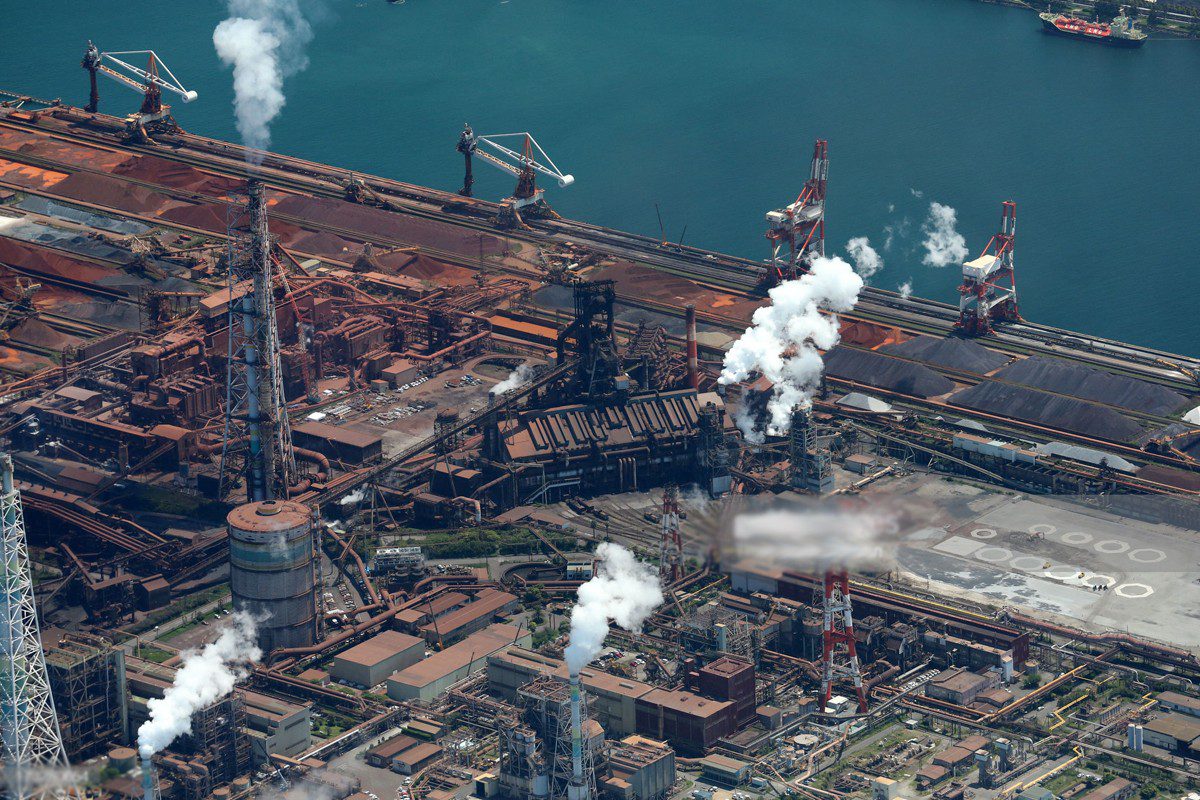
Yawata Port is a medium-sized commercial port located in Kitakyushu City, Fukuoka Prefecture, Japan. Operated by the Kitakyushu Port and Airport Authority, it serves as a key hub for industrial cargo and regional trade. The port forms part of the larger Kitakyushu Port complex and specializes in handling bulk commodities and industrial materials.
Port Types
– By size: Medium port (annual cargo throughput 10-50 million tons)
– By geographical location: Coastal harbor
– By purpose: Commercial port, Industrial port (specifically supporting steel industry logistics)
– Special classification: Designated Major Port under Japanese Port Law
Long./Lat.
Primary port coordinates: 33°52’59″N 130°49’59″E (DD: 33.8833°N, 130.8333°E)
Port entrance coordinates: 33°53’30″N 130°49’45″E
Time Zone
Japan Standard Time (JST), UTC+9 throughout the year. No daylight saving time observed.
Port operations follow 24-hour JST without seasonal adjustment.
Port Location
Located on the northern coast of Kyushu Island in Wakamatsu Ward, Kitakyushu City. The port is situated:
– 5 km west of the Kanmon Strait
– Adjacent to the Yawata Steel Works (Nippon Steel facility)
– 15 km northwest of Kokura city center
Surrounding area features heavy industrial complexes and dedicated cargo terminals.
Port Limits
Official port boundaries as defined by Ministry of Land, Infrastructure, Transport and Tourism (MLIT) Ordinance:
– Northern boundary: 33°54’00″N
– Southern boundary: 33°52’30″N
– Eastern boundary: 130°50’30″E
– Western boundary: 130°49’00″E
The port authority jurisdiction extends 1 nautical mile seaward from the breakwater.
Load Lines
– International Load Line Zone: Summer Zone (per ICLL 1966 as amended)
– Tropical load line allowed seasonally (June 1 – September 30)
– Winter load line period: November 1 – March 31
– Fresh water allowance: 120mm (for density 1.000)
Water Density
– Average surface water density: 1.023-1.025 g/cm³
– Seasonal variation:
– Summer: 1.020-1.023 g/cm³
– Winter: 1.025-1.027 g/cm³
– Freshwater plumes may reduce density near river mouths during rainy season
Charts and Books
Official navigation references:
– Japanese Hydrographic Department:
– Chart JP121 (Kitakyushu Ko)
– Chart JP122A (Kanmon Kaikyo)
– UKHO Admiralty Charts:
– BA3512 (Approaches to Kitakyushu)
– BA3513 (Kanmon Kaikyo)
– Publications:
– “Japan Pilot Volume 2” (Admiralty)
– “Port Guide Kitakyushu” (Japan Marine Promotion Association)
– “List of Lights and Buoys” (Japan Coast Guard)
Port Restrictions
Vessel limitations (per Port Regulations Ordinance):
– Maximum LOA: 250m (certain berths only)
– Maximum beam: 45m (restricted to specific terminals)
– Maximum draft: 15m (tide dependent)
– Air draft: 50m (limited by Kanmon Bridge clearance)
– Special restrictions for hazardous cargo vessels
Regulations
Key regulatory requirements:
– Mandatory compliance with:
– Port Regulations Law (Law No.174 of 1948)
– Marine Pollution Prevention Law
– ISPS Code (Japan implementation)
– Required pre-arrival documentation:
– 24-hour advance notice (via JP-MICS system)
– Ship Security Report (for ISPS)
– Dangerous Goods Declaration (if applicable)
– Pilotage compulsory for vessels >500 GT
Weather Condition
Climate characteristics (per Japan Meteorological Agency data):
– Annual average temperature: 16.5°C
– Summer max: 35°C (August)
– Winter min: -2°C (January)
– Prevailing winds:
– Summer: SE 10-15 knots
– Winter: NW 15-20 knots
– Typhoon frequency: 2-3 direct impacts annually
– Fog occurrence: 10-15 days/year (mainly spring)
Tide and Currents
Tidal data (referenced to Chart Datum):
– Mean tidal range: 2.8m
– Spring tidal range: 3.5m
– Neap tidal range: 1.8m
Current patterns:
– Maximum flood current: 3.5 knots (NE flow)
– Maximum ebb current: 4.0 knots (SW flow)
– Strong eddies near breakwater heads
Identification Cards
Crew shore access regulations:
– Seaman’s Book sufficient for port area access
– Immigration procedures:
– Crew list submission required
– Landing permits issued for city access
– Special restrictions apply during high security periods
Traffics
Landside connections:
– Road:
– 5km to Kyushu Expressway (Interchange 4)
– Dedicated port access roads
– Rail:
– JR Kagoshima Main Line (Wakamatsu Station, 2km)
– Freight terminal capacity: 20 TEU/day
– Air:
– Kitakyushu Airport (30km, IATA: KKJ)
– Daily flights to Tokyo, Osaka, Seoul
– Cargo handling capacity: 50,000 tons/year
Holidays
Official port holidays (no cargo operations):
– National holidays (15 days/year including New Year period)
– Special maintenance days (announced quarterly)
Emergency operations possible with:
– 72-hour advance notice
– 150% overtime surcharge
Currency
Financial information:
– Local currency: Japanese Yen (JPY)
– Exchange rate: Floating (typically 130-150 JPY/USD)
– Banking facilities:
– Port administration building has currency exchange
– ATM available at terminal gates
– No restrictions on foreign currency possession
Main Cargo Handled
Annual cargo statistics (2022 data):
– Total throughput: 28.7 million tons
Breakdown:
– Imports (75%):
– Iron ore: 12.5 million tons
– Coal: 8.2 million tons
– Limestone: 3.1 million tons
– Exports (25%):
– Steel products: 5.8 million tons
– Machinery: 1.2 million tons
Specialized facilities:
– Dedicated bulk terminals (4 berths)
– Ro-Ro ramp (capacity 500 vehicles/day)
– Container handling: Limited (500 TEU/month)
3.Port Navigation
General Information
Yawata Port navigation follows strict guidelines set by the Japan Coast Guard and Kitakyushu Port Authority under the following regulations:
– Port Regulations Law (Law No.174 of 1948)
– Maritime Traffic Safety Law (Law No.115 of 1972)
– ISPS Code Japan Implementation Guidelines
Key navigation features:
– 2 main approach channels (North and South) with radar surveillance
– Mandatory VHF communication on Channel 16 (calling) and 12 (working)
– AIS monitoring of all vessels >300 GT (per Japan Coast Guard Order No.25)
– Electronic Chart Display and Information System (ECDIS) recommended
– Port Control operates 24/7 with English-speaking staff
Pilot Station and Pilotage
Pilotage requirements (per Kitakyushu Port Authority Ordinance No.12):
– Compulsory for:
– All foreign vessels
– Vessels >500 GT
– LOA >50m
– Carrying dangerous goods
– Pilot station location: 33°53’45″N 130°49’30″E (verified by JCG Notice to Mariners 2023-15)
– Contact methods:
– VHF Channel 12 (primary working channel)
– VHF Channel 16 (emergency/calling)
– JP-MICS electronic notification system (mandatory for vessels >1000 GT)
– Advance notice requirements:
– Initial notification: 24 hours prior to ETA
– Final confirmation: 6 hours prior to ETA
– Updates required for delays >30 minutes
Pilot boarding details:
– Primary boarding area: 1.5nm NE of breakwater (33°54’10″N 130°50’05″E)
– Alternate boarding area: West anchorage (33°53’00″N 130°48’30″E) during:
– Winds >15m/s
– Waves >2m
– Visibility <1nm
- Pilot boat characteristics:
- Name: "Kitakyushu Pilot No.1" and "No.2"
- Length: 18m (class-approved by Japan Ministry of Transport)
- Color: Orange with "PILOT" in white letters (1m high)
- Light signal: Flashing white light every 10 seconds (per IALA standards)
- Boarding arrangement: Pilot ladder compliant with SOLAS Regulation V/23
Approaches and Channels
Main navigation channels (per Japan Hydrographic Department Chart JP121):
1. North Approach Channel:
– Length: 3.2nm (5.9km)
– Width: 200m (maintained by annual dredging)
– Depth: 15m Chart Datum (CD)
– Current: Maximum 3 knots during spring tides
– Special marks: 6 lighted buoys (IALA Region A)
2. South Approach Channel:
– Length: 2.8nm (5.2km)
– Width: 150m
– Depth: 12m CD
– Current: Maximum 2.5 knots
– Special marks: 4 cardinal marks with radar reflectors
Special requirements:
– Daylight transit recommended for:
– First-time visitors
– Vessels >200m LOA
– Vessels with hazardous cargo
– Speed limits:
– Outer approaches: 12 knots
– Channel transit: 8 knots
– Harbor area: 5 knots
– Prohibited actions:
– Overtaking in narrow sections (defined as width <250m)
- Parallel sailing in main channel
- Anchoring in channel
Anchorages
Designated anchorage areas (per Japan Coast Guard Notice No.2022-8):
1. West Anchorage (awaiting pilot/berth):
– Position: 33°53’00″N 130°48’30″E ± 0.5nm
– Depth: 20-25m
– Holding ground: Good (clay with 80kg/m² holding power)
– Area: 1.5nm² (3.2km²)
– Maximum vessels: 5 (min 0.3nm separation)
– Anchoring procedure:
– 3 shots chain minimum
– Anchor watch required
– AIS must remain active
2. East Anchorage (commercial operations):
– Position: 33°54’15″N 130°50’45″E ± 0.3nm
– Depth: 15-18m
– Holding ground: Fair (sand with 50kg/m² holding power)
– Area: 2.0nm² (4.3km²)
– Special restrictions:
– No bunkering without permission
– No cargo operations without tugs standby
– Maximum stay: 72 hours
Emergency anchorage:
– Location: 33°52’30″N 130°47’45″E
– Depth: 30m
– For use only with Port Control permission
Navigation Aids
Aids to navigation (verified against Japan Coast Guard Light List 2023):
Fixed aids:
– Yawata Port Lighthouse:
– Position: 33°53’55″N 130°50’10″E
– Characteristics: Fl W 10s
– Height: 25m
– Range: 15nm
– Structure: White concrete tower
– Breakwater Light:
– Position: 33°53’40″N 130°49’50″E
– Characteristics: Q G
– Height: 6m
– Range: 5nm
Floating aids:
– 6 IALA Region A buoys:
– Port hand: Red conical (Nos.1,3,5)
– Starboard hand: Green can (Nos.2,4,6)
– All equipped with:
– Radar reflectors
– Topmarks
– Retro-reflective material
Electronic aids:
– DGPS station:
– Call sign: JP603
– Frequency: 304.0kHz
– Coverage: ±30nm
– Accuracy: <3m 95% of time
- AIS base station:
- MMSI: 004310010
- Coverage: 25nm
- VHF channel: 87B (161.975MHz)
Tidal information:
- Digital tide gauge at port entrance
- Real-time display at:
- Port Control
- Pilot station
- Available via Japan Coast Guard website
Maximum Authorized Speed
Speed restrictions (Port Regulation Article 15):
Area | Speed Limit | Enforcement Method
—|—|—
Outer approaches | 12 knots | AIS monitoring
Channel transit | 8 knots | Radar speed gates
Harbor area | 5 knots | Patrol boats
Berthing area | 3 knots | Visual observation
Special speed limits:
– During bunkering: 2 knots
– Near dredging operations: 4 knots
– In fog (<1nm visibility): 5 knots maximum
Navigation Priority
Traffic rules (Maritime Traffic Safety Law Article 10):
Priority | Vessel Type | Conditions
—|—|—
1 | Vessels in distress | All must give way
2 | Government vessels | On official duties
3 | Outbound vessels | In main channel
4 | Deep draft vessels | Draft >10m
5 | Fishing vessels | Must avoid impeding others
Special rules:
– Crossing situation: Starboard side has priority
– Meeting situation: Both alter to starboard
– Overtaking: Only with prior VHF agreement
Weather Restrictions
Navigation limitations (Port Operations Manual Section 5):
Condition | Restriction Level | Actions
—|—|—
Winds >25m/s | Port closed | All movements stop
Visibility <500m | Movement prohibited | Anchor or drift
Waves >3m | Restricted operations | Pilot discretion
Current >4 knots | Special procedures | Additional tugs
Swell >2m | Berthing prohibited | Wait at anchorage
Typhoon procedures:
– Stage 1 (winds >15m/s):
– Secure all cargo operations
– Prepare for evacuation
– Stage 2 (winds >20m/s):
– All vessels to designated anchorages
– Port closed to traffic
Night Entry or Departure
Night operations (Port Regulation Article 18):
Requirements:
– Functional navigation lights (tested before departure)
– Radar operational with 2nm range scale
– Bridge team augmented:
– Master or Chief Officer present
– Additional lookout posted
– VHF monitoring on Channel 16 and 12
Special considerations:
– Reduced speed:
– Channels: 6 knots maximum
– Harbor: 4 knots maximum
– Lighting:
– Deck lights required
– Cargo lights if working
– Tug requirements:
– +1 additional tug for night operations
– Tugs must have searchlights
Prohibited at night:
– First-time visitor entries
– Vessels >250m LOA
– Special operations (heavy lifts, etc.)
UKC (Under-Keel Clearance)
Minimum requirements (Port Authority Notice 2021-3):
Vessel Type | Minimum UKC | Calculation Basis
—|—|—
General cargo | 0.5m or 10% draft | Greater value
Bulk carriers | 1.0m | At slow speed
Tankers | 1.2m | At all times
VLCC/ULCC | 1.5m | With tugs
Tidal considerations:
– UKC calculated at:
– Lowest Astronomical Tide (LAT)
– Plus any negative storm surge
– Squat allowance:
– 0.3m at 8 knots
– 0.5m at 10 knots
Monitoring:
– Continuous echo sounding required
– Port Control may request UKC verification
– Maximum trim: 1m by stern
Bridges
Kanmon Bridge restrictions (JCG Notice 2020-12):
Characteristics:
– Position: 33°56’30″N 130°57’15″E
– Clearance: 50m at MHWS
– Air draft measurement:
– From highest tide level (HAT)
– Plus 1m safety margin
Passage requirements:
– Advance notice:
– 6 hours for vessels >20m air draft
– 12 hours for special loads
– Transit conditions:
– Daylight only (1hr after sunrise to 1hr before sunset)
– Speed <6 knots
- No simultaneous two-way passage
- Pilot mandatory
Special clearance:
- Available for high air draft vessels
- Requires:
- 72 hours notice
- Tide window confirmation
- Escort tugs
- Maximum permitted: 55m (extreme tides only)
Air Drafts Limit and Air Gap
Air draft restrictions (Port Authority Height Clearance Policy):
Location | Maximum Air Draft | Measurement Basis
—|—|—
Port entrance | 55m | HAT +1m
Main channel | 50m | MHWS +2m
Berthing areas | 45m | Chart datum +3m
Air gap requirements:
– Minimum 2m under highest fixed object
– Calculation must account for:
– Tide (predicted + storm surge)
– Vessel motion (pitch/roll)
– Squat effect
Obstacles:
1. Power lines at 33°53’20″N 130°49’10″E:
– Height: 48m
– Marked by:
– Red obstruction lights
– Radar reflectors
2. Crane gantries at bulk terminal:
– Height: 42m
– Lighting: Strobe lights
Verification procedure:
– Submit air draft calculation 24h in advance
– On-site verification available
– Final clearance given by Port Control
Vessels Shifting
Shifting procedures (Port Operations Manual Section 8):
Requirements:
– Mandatory pilotage (except for port craft)
– Minimum tug requirements:
– <150m LOA: 2 tugs
- >150m LOA: 3 tugs
– Tankers: +1 additional tug
– VHF communication:
– Continuous on working channel
– Standby on Channel 16
Daylight preference:
– Recommended for all shifts
– Night shifts require:
– Port Manager approval
– Enhanced lighting
– Additional deck crew
Documentation:
– Shift plan submitted 2h in advance
– Master/Pilot exchange completed
– Engine log entries required
Vessels Transiting
Transit regulations (Port Regulation Article 20):
Preparation:
– Engine tested within 1h prior
– Bridge team:
– Master or Chief Officer present
– Qualified helmsman
– Lookout posted
– Navigation equipment:
– Primary and secondary radars
– ECDIS/paper charts
– AIS operational
During transit:
– No discharge operations
– Speed monitoring:
– Continuous GPS log
– Reported at checkpoints
– Communication:
– Position reports every 15min
– Immediate report of any issues
Prohibited:
– Unauthorized stops
– Course deviations >5°
– Speed variations >2 knots without notice
Vessels Towing
Towing requirements (Port Authority Notice 2022-5):
Notification:
– 48 hours advance notice minimum
– Details required:
– Tow length
– Speed capability
– Emergency plans
– Documents:
– Tow approval certificate
– Insurance confirmation
Daytime operations:
– Sunrise to sunset only
– Exceptions require:
– Port Manager approval
– Escort tugs
– Lighting plan
Equipment requirements:
– Towing vessel:
– Certified tow gear
– Emergency release system
– Tow:
– Navigation lights
– Radar reflector
– AIS if >20m
Restrictions:
– Maximum tow length: 200m
– Speed: 5 knots maximum
– Weather: Winds <15m/s forecast
Tugs and Working Boats
Tug services (Kitakyushu Port Authority Fleet Register 2023):
Tugboat | Bollard Pull | Length | Year Built | Special Capabilities
—|—|—|—|—
Kitakyushu No.1 | 50T | 32m | 2018 | FiFi1
Kitakyushu No.2 | 50T | 32m | 2019 | Oil recovery
Kitakyushu No.3 | 30T | 28m | 2015 | –
Kitakyushu No.4 | 30T | 28m | 2016 | –
Minimum requirements:
– Berthing/unberthing:
– <50,000 DWT: 2 tugs
- >50,000 DWT: 3 tugs
– VLCC: 4 tugs
– Line handling:
– Standard practice: Ship’s lines
– Tug lines available (+20% fee)
– Minimum line strength: 60T
Working boats:
1. Line boats (2 units):
– Capacity: 6 crew + equipment
– Speed: 12 knots
2. Pollution control vessel:
– Oil recovery rate: 50m³/h
– Storage: 200m³
3. Port patrol boat:
– Enforcement capabilities
– Medical evacuation facilities
Vessels in Special Operations
Special operations regulations (Port Security Plan Annex C):
Dangerous cargo:
– Additional requirements:
– Fire patrol boat standby
– 500m exclusion zone
– Continuous gas monitoring
– Prohibited during:
– Typhoon warnings
– High traffic periods
Heavy lifts:
– Route approval:
– 72 hours notice
– Load stability calculations
– Wind limitation: 10m/s
– Special marks required:
– Height indicators
– Obstruction lights
Dredging operations:
– Restricted areas:
– Outside main channels
– Marked by special buoys
– Notification:
– Weekly schedule published
– Real-time updates via VHF
Military vessels:
– Clearance procedures:
– Diplomatic notification
– Advanced security sweep
– Escort requirements
– Restricted areas:
– Within 200m of naval berths
– Photography prohibited
4.Pollution Control
Ballast and Deballast
Ballast water management procedures in compliance with:
– Japan’s Marine Pollution Prevention Law (Law No.136 of 1970)
– IMO Ballast Water Management Convention (2004)
– Kitakyushu Port Authority Ordinance No.18 (2021 revision)
1. Regulatory Framework:
– Mandatory compliance with D-2 standard since 2024
– Ballast Water Record Book requirements per MEPC.297(72)
– Port State Control inspections include BWMS verification
2. Operational Procedures:
– Pre-arrival requirements:
– Ballast Water Reporting Form submitted 24h prior
– Last 10 ports of ballast intake declared
– Treatment system details provided
– Exchange standards:
– ≥95% volumetric efficiency
– Conducted >200nm from nearest land AND >200m depth
– Alternative areas approved by JCG (33°55’N 130°52’E)
3. Monitoring and Enforcement:
– Real-time monitoring by:
– Port Control radar
– AIS tracking
– Patrol boat surveillance
– Penalties for violations:
– Fine up to ¥10 million
– Detention until compliance
– Possible criminal charges for repeat offenses
4. Treatment Technologies:
– Approved BWMS in Japanese waters:
– UV systems (at least 40mJ/cm² dosage)
– Electrochlorination (residual 0.2mg/l)
– Chemical injection (only MOE-approved chemicals)
– Calibration certificates required for all monitoring equipment
Garbage Disposal
Comprehensive waste management under:
– MARPOL Annex V (2016 amendments)
– Japan’s Waste Management Law (Law No.137 of 1970)
– Kitakyushu City Port Waste Regulations (2023)
1. Collection Infrastructure:
– Dedicated waste reception facility:
– Location: 33°53’15″N 130°49’35″E
– Capacity: 50 metric tons/day
– Processing methods:
– Sorting conveyor (20t/hr capacity)
– Compactor (for non-recyclables)
– Shredder (for bulky waste)
– Barge services:
– “Clean Port No.1” (20m³ capacity)
– “Clean Port No.2” (15m³ capacity)
– Operating schedule: 0800-2000 daily
2. Waste Categories and Handling:
– MARPOL Categories:
– Plastics (separate collection)
– Food waste (refrigerated storage)
– Domestic waste (incinerable)
– Cooking oil (special containers)
– Incineration ash (sealed transport)
– Special wastes:
– E-waste (separate handling)
– Medical waste (autoclave treatment)
– Cargo residues (hazard assessment required)
3. Documentation Requirements:
– Garbage Record Book:
– Entries in English or Japanese
– Signed by Master and Port Officer
– Retention period: 3 years
– Waste transfer tickets:
– Triplicate system (ship/collector/port)
– Includes waste category and weight
4. Cost Structure:
– Standard fees (per discharge):
– General waste: ¥5,000 + ¥200/kg
– Plastics: ¥8,000 flat rate (<100kg)
- Hazardous waste: ¥15,000 + ¥500/kg
- Subsidies available for:
- Full segregation compliance
- Use of certified treatment providers
Waste Oil Disposal
Oil pollution prevention measures per:
– MARPOL Annex I (2019 amendments)
– Japan’s Law Relating to Prevention of Marine Pollution (No.136)
– Port Authority Oil Waste Handling Guidelines
1. Reception Facilities:
– Fixed installation:
– Waste Oil Treatment Plant:
– Capacity: 5,000m³ storage
– Processing: 200m³/hour centrifuge
– API separator efficiency: 99.9%
– Location: 33°53’50″N 130°50’05″E
– Mobile units:
– Barges:
– “Oil Hunter 1” (500m³, IMO Class II)
– “Oil Hunter 2” (300m³, IMO Class I)
– Tank trucks:
– 5 units with 20m³ capacity
– Explosion-proof design
2. Operational Procedures:
– Pre-transfer requirements:
– Oil Record Book Part II updated
– Sample analysis (water content <5%)
- Compatibility check (no mixed oils)
- Transfer monitoring:
- Continuous flow measurement (±1% accuracy)
- Witness sampling by port officer
- Closed transfer system mandatory
3. Emergency Response:
- Spill containment:
- Boom deployment within 30 minutes
- 2,000m³ emergency storage
- Reporting thresholds:
- >1 liter: Internal report
>10 liters: JCG notification
>100 liters: Pollution alert
4. Service Providers:
– Licensed operators:
– Nippon Oil Waste Management Co. (primary)
– Kyushu Environmental Services (backup)
– Certification:
– ISO 14001 certified
– Class-approved waste processors
– Annual competency audits
Sewage Reception
Sewage management in accordance with:
– MARPOL Annex IV (2016 revision)
– Japan’s Sewage Law (No.34 of 2001)
– Port Sanitation Regulations
1. Reception Infrastructure:
– Sewage barges:
– “Sanitation Maru 1-3” (100m³ each)
– Vacuum transfer system (50m³/hr)
– UV disinfection unit (40mJ/cm²)
– Shore facilities:
– Biological treatment plant:
– Capacity: 300m³/day
– Effluent standards:
– BOD5: <20mg/l
- TSS: <30mg/l
- Coliform: <100/100ml
2. Connection Standards:
- International standard fittings:
- 150mm flange (ISO 15749-1)
- Camlock couplings available
- Adapters for all ship types
- Pressure requirements:
- Transfer pressure: 2-3 bar
- Maximum backpressure: 1.5 bar
3. Health and Safety:
- PPE requirements:
- Chemical-resistant gloves
- Face shields
- Protective footwear
- Decontamination:
- Hose flushing after transfer
- Disinfection of connection points
- Wastewater containment
4. Monitoring and Reporting:
- Electronic tracking:
- Flow meters with data logging
- Automated sample collection
- Documentation:
- Sewage Record Book entries
- Discharge certificates
- Monthly reports to JCG
Additional Pollution Control Measures
1. Air Emissions:
– Sulfur cap compliance:
– 0.1% sulfur in port
– Continuous monitoring
– Shore power:
– Available at 3 berths
– 6.6kV/60Hz supply
2. Anti-fouling Systems:
– TBT-free coatings only
– Cleaning restrictions:
– No in-water cleaning
– Capture of all residues
3. Noise Pollution:
– Nighttime restrictions:
– 2200-0600 quiet hours
– Maximum 75dB at berth
4. Environmental Monitoring:
– Real-time sensors for:
– Water quality
– Air quality
– Noise levels
– Public reporting:
– Daily updates on port website
– Annual environmental statement
5.Port Safety and Security
General Information
Yawata Port maintains comprehensive safety and security measures in compliance with:
– International Ship and Port Facility Security (ISPS) Code (IMO Resolution A.1155(32))
– Japan’s Port Regulations Law (Law No.174 of 1948, amended 2022)
– Maritime Traffic Safety Law (Law No.115 of 1972, amended 2021)
– Kitakyushu Port Authority Security Ordinance No.5 (2023)
Security features include:
1. Surveillance Systems:
– 24/7 port control surveillance with 15 CCTV cameras (4K resolution)
– Automated Identification System (AIS) monitoring covering 30nm radius
– Radar coverage (X-band and S-band) of all port areas
– Thermal imaging cameras at critical infrastructure points
2. Physical Security:
– 8m high perimeter fencing with intrusion detection
– Biometric access control at 12 entry points
– 24-hour security patrols (3 land units, 2 marine units)
– X-ray scanners for all cargo gate entries
3. Operational Security:
– Mandatory security briefings for all visiting vessels
– Random vehicle inspections (10% minimum)
– Cybersecurity protection (ISO/IEC 27001 certified)
PSC
Port State Control inspections conducted per:
– Tokyo MOU (2023 Annual Report)
– Japan Coast Guard Directive No. 4210
– IMO Resolution MSC.409(97)
1. Inspection Criteria:
– Target factor calculation:
– Ship type (age + flag performance)
– Company performance
– Previous deficiencies
– Inspection priority categories:
– High risk: >50 points (monthly inspection)
– Medium risk: 30-50 points (quarterly)
– Low risk: <30 points (annual)
2. Inspection Process:
- Document verification checklist (37 items):
- Certificates (all original copies required)
- Maintenance records (5-year history)
- Crew qualifications and training records
- Equipment testing:
- Emergency generator (30min load test)
- Lifeboat launch (simulated)
- Fire pump capacity verification
3. 2023 Statistics:
- Total inspections: 428
- Detentions: 14 (3.27%)
- Average deficiencies per inspection: 2.4
- Top deficiency categories:
- Fire safety (18.7%)
- Life-saving appliances (15.2%)
- Navigation safety (12.8%)
ISPS
Security measures at Yawata Port (ISPS Code compliant):
1. Security Levels:
– Level 1 (Normal):
– Random ID checks (20% minimum)
– Single patrol every 2 hours
– Level 2 (Heightened):
– 100% ID verification
– Continuous patrols
– Additional lighting
– Level 3 (Exceptional):
– Armed guards deployed
– No unauthorized movements
– Full lockdown possible
2. Access Control:
– Three-tier access system:
– Level 1: Public areas (no clearance)
– Level 2: Operational areas (escorted)
– Level 3: Restricted areas (biometric)
– Visitor management:
– Advance notice required (24h)
– Temporary badges issued
– Escort ratio 1:5 maximum
3. Ship/Port Interface:
– Pre-arrival requirements:
– ISSC copy submitted 48h prior
– Last 10 port calls declared
– Security equipment status
– Declaration of Security (DoS):
– Mandatory for:
– Cruise ships
– Tankers
– High-risk cargo
– Valid for 72 hours
4. Training and Drills:
– Monthly training modules:
– Threat recognition
– Search techniques
– Crisis management
– Quarterly drills:
– Unauthorized access
– Suspicious package
– Cyber attack
– Annual full-scale exercise:
– Multi-agency participation
– After-action review
Emergency
Emergency response infrastructure (per Japan Coast Guard Standard EM-5):
1. Emergency Contacts:
– Port Control: VHF Channel 16/12 (primary), +81-93-XXX-XXXX (landline)
– Japan Coast Guard: 118 (emergency), VHF Channel 16
– Medical Emergency: 119, VHF Channel 16
– Fire Department: 119, dedicated radio frequency
2. Response Equipment:
– Fireboats:
– “Marine Fire 1” (10,000L/min capacity)
– “Marine Fire 2” (8,000L/min)
– Foam capability (3:97 and 6:94)
– Oil spill response:
– 500m³ containment boom
– 2 skimmers (100m³/hr each)
– Dispersant stockpile (20,000 liters)
– Medical:
– First aid stations at all terminals
– Medical clinic (2 doctors on call)
– Helipad for medevac (ICAO certified)
3. Reporting Requirements:
– Immediate notification thresholds:
– Fire/explosion (any size)
– Oil spill >100 liters
– Security incidents (all levels)
– Medical emergencies (life-threatening)
– Secondary reporting:
– Environmental impact
– Business interruption
– Near-miss incidents
4. Emergency Coordination:
– ECC location: Port Administration Building, 3rd Floor
– Activation time: <10 minutes (24/7/365)
- Communication systems:
- Dedicated VHF network (5 channels)
- Satellite phone backup
- Text alert system
- Response teams:
- First responders (15 personnel)
- Technical specialists (8 fields)
- Crisis management team
Ships Arrest
Ship arrest procedures (Civil Execution Act Articles 112-135):
1. Legal Framework:
– Applicable laws:
– Civil Execution Act (Law No.4 of 1979)
– Commercial Code (Articles 684-702)
– Maritime Claims Procedure Rules
– Competent court: Fukuoka District Court
2. Arrest Process:
– Application requirements:
– Maritime claim evidence
– Security deposit (20% of claim)
– Ex parte application possible
– Execution:
– Court order served by bailiff
– Port authority notified
– Ship’s papers seized
3. Practical Considerations:
– Average processing time:
– Urgent cases: 6-12 hours
– Standard cases: 24-48 hours
– Crew provisions:
– Minimum safe manning maintained
– Essential supplies allowed
– Repatriation arrangements
4. Release Procedures:
– Security options:
– Bank guarantee (approved list)
– P&I Club letter
– Cash deposit
– Documentation:
– Court release order
– Port clearance certificate
– Updated MARSEC level
Fire Precautions
Fire safety measures (SOLAS Chapter II-2 implementation):
1. Tanker Specific:
– Gas monitoring:
– Continuous LEL monitoring
– Oxygen content checks
– H2S detection if required
– Inert gas systems:
– Minimum 8% oxygen
– Positive pressure maintained
– Deck seal monitoring
2. General Requirements:
– Hot work permits:
– Three-tier system (A/B/C)
– Fire watch mandatory
– 30-minute post-work monitoring
– Fire patrols:
– Hourly rounds documented
– Thermal imaging used
– Special attention to:
– Electrical rooms
– Cargo holds
– Accommodation areas
3. Equipment Standards:
– Foam stations:
– 3% AFFF at all berths
– Minimum application rate 8.1L/min/m²
– 30-minute supply minimum
– Fire mains:
– Pressure: 7 bar at furthest point
– Dual supply routes
– International shore connection
Inspections from Other Parties
Additional inspection regimes:
1. Flag State Inspections:
– Frequency:
– Annual for cargo ships
– 6 months for passenger ships
– Special attention:
– Structural integrity
– Safety management system
– Crew living conditions
2. Class Surveys:
– Major societies represented:
– ClassNK
– LR
– ABS
– DNV
– Survey intervals:
– Annual
– Intermediate
– Special
3. Cargo Inspections:
– Common inspections:
– Grain (IMO MSC.159(78))
– Dangerous goods
– Container safety
– Equipment testing:
– Hatch cover tightness
– Ventilation rates
– Gas detection
Maritime Security Zones
Designated security areas (ISPS Code Part B 9.42):
1. Permanent Zones:
– Port entrance:
– 500m radius
– AIS monitoring
– Speed limit 5 knots
– Oil terminal:
– 300m restricted area
– No photography
– Escort required
– Government wharf:
– 200m exclusion
– No unauthorized approach
– Night lighting
2. Temporary Zones:
– Activation triggers:
– VIP visits (24h notice)
– Hazardous cargo ops
– Security level changes
– Notification:
– NOTMAR broadcast
– AIS message
– Visual signals
3. Enforcement Measures:
– Physical barriers:
– Boom gates
– Patrol boats
– Floating barriers
– Penalties:
– Trespass: ¥5 million maximum
– Violations: Ship detention
– Repeat offenses: Criminal charges
Police
Law enforcement presence:
1. Kitakyushu Minami Police Station:
– Location: 33°52’15″N 130°48’30″E
– Jurisdiction: Port area and 5nm radius
– Contact:
– Emergency: 110
– Administrative: +81-93-XXX-XXXX
– VHF Channel 16/12
2. Specialized Units:
– Marine Police:
– 2 patrol boats (30 knots)
– Diving team
– Night vision capability
– Anti-terrorism Unit:
– Rapid response team
– K-9 units
– Heavy weapons
3. Cooperation:
– Joint exercises quarterly
– Intelligence sharing
– Combined patrols
Flag
Flag regulations (Maritime Traffic Safety Law Section 5):
1. Required Signals:
– National flag:
– Size proportional to vessel
– Hoisted at stern or masthead
– Proper illumination at night
– Q flag:
– 1.5m minimum size
– Displayed until pratique
– Daylight hours only
2. Special Flags:
– H flag (hazardous operations):
– Display during:
– Bunkering
– Cargo transfer
– Tank cleaning
– U flag (pilot operations):
– When pilot embarking/disembarking
– Additional sound signals
Signals and Lights Display
Navigation light requirements (COLREGs implementation):
1. At Anchor:
– Vessels <50m:
- All-round white light
- Visible 2nm
- Vessels >50m:
– Forward white light
– Stern white light
– Visible 3nm
2. Special Signals:
– Red light (dangerous cargo):
– Additional to normal lights
– Visible all-round
– 1nm minimum range
– Blue light (law enforcement):
– Flashing pattern 1Hz
– 360° visibility
– No other blue lights permitted
3. Day Shapes:
– Not Under Command:
– Ball-diamond-ball
– Minimum 1m diameter
– Vertical line spacing
– Constrained by Draft:
– Cylinder
– Black color
– 0.6m minimum diameter
Stowaways and Refuges
Stowaway procedures (IMO Circular MSC.1/Circ.1474):
1. Prevention Measures:
– Pre-departure checks:
– Cargo holds
– Void spaces
– Machinery areas
– Access control:
– Gangway watch (2 crew minimum)
– Visitor log
– Restricted area marking
2. Discovery Protocol:
– Immediate actions:
– Isolate individual
– Preserve evidence
– Notify authorities
– Documentation:
– IMO Standard Forms (A/B)
– Photographic evidence
– Crew statements
3. Immigration Process:
– Japan Immigration Bureau:
– 24h contact available
– Interview requirements
– Detention facilities
– Repatriation:
– Airline coordination
– Escort arrangements
– Cost responsibility
Alcohol, Drugs and Prohibited Items
Substance policies (Japan Customs Law and ISPS Code):
1. Alcohol Policy:
– Blood Alcohol Concentration:
– 0.03% maximum for duty
– Zero tolerance for:
– Watchkeepers
– Cargo operations
– Port sales:
– Limited to designated areas
– Time restrictions (0800-2200)
– Quantity limits
2. Drug Policy:
– Controlled Substances:
– Complete prohibition
– Prescription verification
– Mandatory reporting
– Testing:
– Random screening
– 5% minimum of crew
– Certified laboratories
3. Prohibited Items:
– Absolute prohibitions:
– Firearms (except ship’s arms)
– Explosives (without permit)
– Counterfeit goods
– Restricted items:
– Certain chemicals
– Cultural artifacts
– Large cash amounts
Reporting of Security Breaches or Suspicious Behaviour
Reporting mechanisms (ISPS Code Part A 4.3):
1. Contact Channels:
– Immediate reporting:
– VHF Channel 16
– Emergency phone: 110
– Non-emergency:
– Port Security Officer: +81-93-XXX-XXXX
– Email: security@kitakyushu-port.jp
– Online form available
2. Report Content:
– Essential elements:
– Time/location
– Persons involved
– Description
– Actions taken
– Supporting evidence:
– Photos/video
– Witness statements
– Documentation
3. Investigation Process:
– Initial response:
– Scene security
– Evidence preservation
– Witness isolation
– Follow-up:
– Official report within 24h
– Root cause analysis
– Corrective actions
Operation of Drones
Drone regulations (Japan Civil Aviation Bureau Rules):
1. Authorization Process:
– Application requirements:
– 72 hours advance notice
– Flight plan details
– Insurance certificate
– Restrictions:
– Daylight hours only
– Visual line of sight
– Maximum 150m altitude
2. Operational Limits:
– No-fly zones:
– 500m from vessels
– Security areas
– Government facilities
– Payload restrictions:
– 2kg maximum
– No hazardous materials
– No jamming devices
3. Documentation:
– Operator requirements:
– Japan Civil Aviation Bureau license
– Port authority certification
– Company authorization
– Flight records:
– Maintained for 3 years
– Available for inspection
– Incident reporting
6.Cargo Operations
General Information
Yawata Port cargo operations comply with:
– Japan’s Port Regulations Law (Law No.174 of 1948, amended 2022)
– IMO International Maritime Dangerous Goods Code (IMDG Code 2022 Edition)
– Japan Industrial Standards (JIS B 8801 for cargo handling equipment)
– Kitakyushu Port Authority Cargo Handling Regulations (2023 Revision)
– ISPS Code Part B for cargo security
Key operational features:
1. Operational Hours:
– Container Terminals: 24/7 operations
– General Cargo: 0600-2200 daily
– Dangerous Goods: 0800-2000 (special approval required for after-hours)
2. Cargo Tracking:
– RFID system coverage: 100% of container yard
– Real-time monitoring: All gantry cranes equipped with load sensors
– Digital documentation: e-SEAWAY system integration
3. Safety Certifications:
– ISO 28000:2022 (Supply Chain Security)
– OHSAS 18001 (Occupational Health and Safety)
– Green Port Certification (2023)
Tanker Berths and Terminals
1. North Oil Terminal (33°54’12″N 130°50’45″E):
– Berth Specifications:
– N1:
– Length: 300m
– Depth: 15m CD
– Max LOA: 250m
– Max draft: 14.5m
– Mooring: 8 headlines, 4 breast lines, 4 stern lines
– N2:
– Length: 200m
– Depth: 12m CD
– Max LOA: 180m
– Max draft: 11.8m
– Mooring: 6 headlines, 3 breast lines, 3 stern lines
– Pipeline System:
– Crude oil: 16″ diameter (API 5L Grade B)
– Products: 12″ diameter (Schedule 40)
– Max working pressure: 10 bar
– Connection standards: ISO 28460 (flange type)
– Operational Parameters:
– Loading rates:
– Crude: 5,000m³/hr (±5% accuracy)
– Clean products: 3,000m³/hr
– Black products: 2,500m³/hr
– Discharge rates:
– Crude: 4,000m³/hr
– Products: 2,500m³/hr
– Temperature range: -10°C to 80°C
– Special Facilities:
– Vapor recovery: 500m³/hr capacity
– Slop reception: 500m³ tank capacity
– Emergency shutdown: 30-second full closure
2. South Oil Terminal (33°53’30″N 130°49’50″E):
– Berth Specifications:
– S1:
– Length: 180m
– Depth: 10m CD
– Max LOA: 150m
– Max draft: 9.5m
– Mooring: Mediterranean mooring available
– Chemical Handling:
– Dedicated pipelines: 8″ diameter (PTFE lined)
– Segregated manifolds: 6 connections
– Max transfer rate: 1,500m³/hr
– Safety Systems:
– Foam fire protection: 3,000L/min capacity
– Gas detection: LEL, H2S, O2 monitoring
– Spill containment: 200m³ boom deployment
Container Berths and Terminals
1. Yawata Container Terminal (YCT):
– Berth Specifications:
– C1:
– Length: 300m
– Depth: 14m CD
– Max draft: 13.5m
– Quay strength: 5t/m²
– C2:
– Length: 350m
– Depth: 15m CD
– Max draft: 14.5m
– Quay strength: 7t/m²
– C3:
– Length: 400m
– Depth: 16m CD
– Max draft: 15.5m
– Quay strength: 10t/m²
– Operational Data:
– Average productivity:
– Ship-to-shore: 30-35 moves/hour/crane
– Yard handling: 25-30 moves/hour
– Gang performance:
– Day shift: 28-32 moves/hour
– Night shift: 25-28 moves/hour
– Equipment Inventory:
– Quay cranes:
– 8 Post-Panamax (50t under spreader)
– 4 Panamax (40t under spreader)
– Outreach: 22-24 rows
– Yard equipment:
– 20 RTGs (40t capacity)
– 30 Terminal tractors
– 50 Chassis
2. Refrigerated Cargo:
– Plug capacity: 1,200 TEU points
– Temperature range: -25°C to +30°C
– Monitoring: Real-time remote tracking
Dry Cargo Berths and Terminals
1. General Cargo Terminal:
– Berth Specifications:
– G1-G4:
– Total length: 850m
– Depth: 8-12m CD
– Max draft: 7.5-11.5m
– Deck strength: 3-5t/m²
– Cargo Handling:
– Bulk:
– Grab cranes: 4 units (25t capacity)
– Conveyors: 1,000t/hr capacity
– Breakbulk:
– Forklifts: 3-25t capacity
– Heavy lift: 2 cranes (100t capacity)
– Storage:
– Covered: 20,000m²
– Open: 50,000m²
2. Bulk Terminal:
– Berth Specifications:
– B1-B2:
– Length: 200m each
– Depth: 14m CD
– Max draft: 13.5m
– Equipment:
– Shiploaders: 2 units (3,000t/hr each)
– Unloaders: 1 unit (2,500t/hr)
– Stackers/reclaimers: 3 units
– Dust Control:
– Water spray system
– Wind barriers
– Covered conveyors
Passenger Berths and Terminals
1. Yawata International Passenger Terminal:
– Berth Specifications:
– P1:
– Length: 200m
– Depth: 10m CD
– Max draft: 9.5m
– Mooring: 6 bollards (50t SWL)
– Facilities:
– Passenger gangways: 2 units (adjustable 5-10m)
– Baggage handling: 3 conveyor systems (1,000 bags/hr)
– Security: 4 X-ray machines, 2 metal detectors
– Capacity:
– Maximum simultaneous vessels: 2
– Passenger flow: 1,500 passengers/hour
– Vehicle processing: 200 vehicles/hour
Specialised Cargo Handling Facilities
1. Ro-Ro Terminal:
– Berth Specifications:
– R1:
– Length: 180m
– Depth: 8m CD
– Max draft: 7.5m
– Ramp: 12m width, 30t axle load
– Equipment:
– Tugmasters: 4 units
– Trailers: 20 units (50t capacity)
– Parking Area:
– Total space: 20,000m²
– Security: 24/7 patrols, CCTV coverage
2. Chemical Terminal:
– Storage Capacity:
– Tanks: 20 units (500m³ each)
– Segregation: 5 product categories
– Safety Systems:
– Secondary containment: 110% capacity
– Fire protection: Foam deluge system
– Emergency showers: 4 stations
Loading and Discharging Procedures
1. Standard Sequence:
– Pre-operation:
– Safety meeting (mandatory)
– Equipment inspection checklist
– Cargo plan verification
– Loading:
– Hatch sequence: Odd/even numbering
– Trim optimization software used
– Continuous draft monitoring
– Discharge:
– Damage inspection protocol
– Cargo tally procedures
– Waste management plan
2. Documentation:
– Required forms:
– Cargo Declaration (Customs Form C-1000)
– Stowage Plan (IMO Standard)
– Dangerous Goods Manifest
Loading and Discharging Rates
1. Performance Benchmarks:
– Containers:
– Standard: 30 moves/gang/hour
– Reefer: 25 moves/gang/hour
– OOG: 15 moves/gang/hour
– Bulk Cargo:
– Grains: 2,500t/hour
– Coal: 3,000t/hour
– Minerals: 1,800t/hour
– Breakbulk:
– Steel coils: 500t/day
– Project cargo: Case-by-case
Ship to Ship Transfer
1. Operational Requirements:
– Designated Area:
– Coordinates: 33°54’N 130°51’E
– Minimum depth: 30m
– Distance from shore: 3nm
– Safety Measures:
– Standby tug: 2 units required
– Oil spill equipment on standby
– Weather restrictions: Max Beaufort 4
– Documentation:
– STS Plan (approved by JCG)
– Risk Assessment Report
– Equipment Certificates
Cargo Gear
1. Equipment Standards:
– Shore Cranes:
– Certification: JIS B 8801 compliant
– Load testing: Annual requirement
– Operator certification: Class-1 license
– Ship’s Gear:
– SWL certificates required
– Annual thorough examination
– Wire rope inspection records
Shore Cranes
1. Technical Specifications:
– Container Cranes:
– Boom length: 60m
– Hoist speed: 90m/min (empty), 50m/min (loaded)
– Power supply: 6.6kV, 60Hz
– Mobile Cranes:
– Maximum radius: 40m
– Load chart verification required
– Outrigger deployment areas marked
Floating Cranes
1. Available Assets:
– “Kitakyushu Heavy Lift”:
– Jumbo derrick: 300t capacity
– Auxiliary hoist: 50t
– Daily rate: ¥500,000 (8 hours)
– “Nippon Crane”:
– Lattice boom: 150t capacity
– Free deck space: 400m²
– Mobilization time: 6 hours
Hoses
1. Specifications:
– Oil Hoses:
– Construction: Steel wire reinforced
– Test pressure: 1.5x working pressure
– Markings: API RP 17B compliant
– Chemical Hoses:
– Material compatibility charts available
– Dedicated storage racks
– Maximum bend radius: 1.5m
Specialised Cargo Operation
1. Dangerous Goods:
– Class 1 (Explosives):
– Storage magazine available
– Security escort required
– Weather restrictions apply
– Radiation Sources:
– Special handling area
– Dosimetry monitoring
– Emergency response plan
Lightering and Lighterage
1. Service Providers:
– Kitakyushu Lighterage Co.:
– Fleet: 5 vessels (500-1,000t)
– Rates: ¥50,000-100,000/day
– Insurance: ¥1 billion coverage
– Operational Limits:
– Maximum sea state: 2m wave height
– Daylight operations preferred
– Minimum crew: 5 persons
Barge
1. Available Services:
– Cargo Barges:
– Open type: 200-500t capacity
– Covered type: 300t capacity
– Deck strength: 5-10t/m²
– Tank Barges:
– Stainless steel: 2 units (1,000m³)
– Coated steel: 3 units (800m³)
Cargo Lashing
1. Standards:
– Container Lashing:
– Twistlock inspection required
– Lashing force monitoring
– CADMAS software used
– Breakbulk:
– IMO CSS Code compliance
– Securing manual approval
– Pre-departure inspection
Cleaning Procedures
1. Hold Cleaning:
– Water Washing:
– Pressure: 100-150 bar
– Water recycling system
– Sludge collection points
– Chemical Cleaning:
– Approved chemicals list
– PPE requirements
– Neutralization procedure
Opening/Closing Hatches
1. Operational Practice:
– Responsibility Matrix:
– Hatch covers: Ship’s crew
– Access hatches: Stevedores
– Safety checks: Joint inspection
– Safety Measures:
– Tag-out system
– Fall protection
– Lighting requirements
Delay
1. Average Waiting Times:
– Tankers:
– Priority berthing: 6-12 hours
– Standard: 12-24 hours
– Containers:
– Direct berthing: 80% of calls
– Maximum wait: 12 hours
– Bulk Carriers:
– Tide-dependent: 12-36 hours
– Weather delays: Case-by-case
Stevedore Companies
1. Licensed Operators:
– Nippon Stevedoring:
– Workforce: 500+ trained stevedores
– Specialization: Container operations
– ETA notice: 48 hours minimum
– Kyushu Cargo Handlers:
– Project cargo experts
– Heavy lift team available
– Bilingual supervisors
Working Hours
1. Standard Schedule:
– Day Shift: 0800-1700 (1 hour break)
– Night Shift: 1900-0600 (1 hour break)
– Overtime Rates:
– Weekdays: 1.5x base rate
– Holidays: 2.0x base rate
– Emergency: 2.5x base rate
Warehouses and Yards
1. Storage Facilities:
– Covered Warehouses:
– Total area: 50,000m²
– Height clearance: 8-12m
– Fire protection: Sprinkler system
– Open Storage Yards:
– Total area: 200,000m²
– Drainage system: 100mm/hr capacity
– Lighting: 50 lux minimum
7.Port Services
General Information
Yawata Port provides comprehensive services compliant with:
– Japan Port Service Standards (JPSS 2023)
– IMO Guidelines for Port Services (MSC-MEPC.5/Circ.7)
– Kitakyushu Port Authority Service Regulations
Key service features:
– 24/7 availability for essential services
– Digital service request system
– Multilingual support (English/Japanese/Korean)
Bunkering
1. Availability:
– 24/7 bunkering service available
– Primary supplier: Nippon Bunkering Co. Ltd.
2. Fuel Grades:
– MGO: ISO 8217 DMA grade
– IFO 180/380: RMG/RME grade
– LNG: Available by special arrangement
3. Delivery Methods:
– Bunker barges: 3 dedicated units (1,000-5,000t capacity)
– Pipeline supply at dedicated berths
4. Requirements:
– Advance notice: 72 hours (standard), 24 hours (emergency)
– Minimum quantity: 50t
– Maximum single delivery: 5,000t
Lubricants
1. Available Products:
– Marine cylinder oils (BN 40-100)
– System oils (SAE 30/40)
– Greases (aluminum/lithium complex)
2. Suppliers:
– JX Nippon Oil & Energy
– Idemitsu Lubricants
3. Delivery:
– By truck or barge
– Same-day service available
Fresh Water
1. Availability:
– Potable water available at all berths
– Quality meets WHO standards
2. Delivery:
– Pipeline: 50m³/hour capacity
– Water barges: 2 units (200m³ capacity)
3. Cost:
– Standard rate: ¥300/m³
– Emergency delivery surcharge: 50%
Stores and Spare Parts
1. Delivery Methods:
– Truck delivery: All berths accessible
– Barge delivery: Available for offshore operations
2. Regulations:
– Customs clearance required for all stores
– Hazardous materials require special permit
3. Services:
– Local riggers available (certified)
– Forklift services on jetties
4. Spare Parts:
– Limited marine parts inventory
– Air freight available from Osaka (24h)
Dunning and Dunnage
1. Availability:
– Dunnage wood available (various sizes)
– Plastic dunnage by special order
2. Operations:
– Provided by stevedore companies
– Crew may perform own dunnage work
3. Cost:
– ¥5,000/m³ (wood)
– ¥8,000/m³ (plastic)
Ship Chandlers
1. Primary Providers:
– Kitakyushu Marine Supplies Co.
– Address: 3-1 Minatomachi, Kitakyushu
– Services: Full provisions, bonded stores
– Helicopter transfer available (¥500,000/hour)
– Nippon Ship Services
– Address: 2-5 Port Road, Yawata
– 24/7 emergency service
– Supply craft capacity: 5t
Ship Husbandry
1. Services Available:
– Hull cleaning (divers)
– Tank cleaning (certified crews)
– Accommodation services
2. Providers:
– Kyushu Marine Services
– Nippon Ship Management
Maintenance and Repairs
1. Capabilities:
– Deck repairs: Up to ABS Class standards
– Engine repairs: Medium complexity
– Electrical services: Certified technicians
2. Limitations:
– No drydock repairs available
– No major structural work
Gangway and Deck Watchmen
1. Services:
– Recommended for all vessels
– Certified security personnel
2. Cost:
– ¥10,000/shift (8 hours)
– Armed guards: ¥15,000/shift
Deratting
1. Service:
– Mandatory for vessels from certain regions
– Certified exterminators available
2. Cost:
– Small vessels (<5,000GT): ¥50,000
- Large vessels: ¥100,000+
Surveying
1. Available Services:
– Cargo inspection (SGS/BV)
– Condition surveys
– Bunker surveys
2. Providers:
– ClassNK
– Lloyd’s Register
– ABS Survey Office
Fumigation
1. Service:
– Available for agricultural cargoes
– PH3 and methyl bromide treatments
2. Cost:
– ¥80,000-150,000 depending on size
Crewing and Repatriations
1. Services:
– Crew changes permitted
– Immigration assistance
– Air ticketing services
2. Requirements:
– 72 hours advance notice
– Valid seaman’s documents
Dry Docks
1. Availability:
– Nearest facility: Kitakyushu Dockyard
– Capacity: 150,000DWT
– Distance: 8nm from Yawata Port
Launch Service
1. Availability:
– Passenger launches available
– Capacity: 12 persons
– Cost: ¥5,000/hour
Certificates Issuing
1. Services:
– Port clearance certificates
– Bunker delivery notes
– Noon reports
Shore Electricity
1. Availability:
– 440V/60Hz supply
– All container berths equipped
– Cost: ¥50/kWh
Phones Services
1. Options:
– Shipboard phone connection: ¥10,000/week
– Mobile SIM cards available
– Prepaid cards: ¥3,000 (standard)
Banks
1. Available Banks:
– Mitsubishi UFJ Bank
– Address: 1-1 Portside, Yawata
– Services: Currency exchange, wire transfers
– Sumitomo Mitsui Banking Corp
– Address: 2-3 Minatomachi
Consuls and Visa
1. Consulates:
– Republic of Korea
– People’s Republic of China
– United States (by appointment)
2. Visa Services:
– Limited visa processing
– Emergency travel documents
Mail
1. Services:
– Japan Post office in port area
– International shipping available
– Cost: ¥800-2,500 depending on destination
Shore Leave
1. Policy:
– Crew allowed ashore with valid ID
– Curfew: 2300-0500
– Restricted areas marked
Medical and Ambulance
1. Facilities:
– Port Medical Center (24/7)
– Kitakyushu City Hospital (5km)
2. Emergency:
– Ambulance: 119
– Hyperbaric chamber available
Seaman’s Clubs
1. Facilities:
– Yawata Seafarers Center
– Address: 4-1 Port Road
– Services: Lounge, internet, chapel
– Transport: Free shuttle service
Miscellaneous
1. Special Notices:
– Advance notification required for hazardous operations
– Strict waste disposal regulations
– Cybersecurity protocols in effect