1.Port Description
General Information
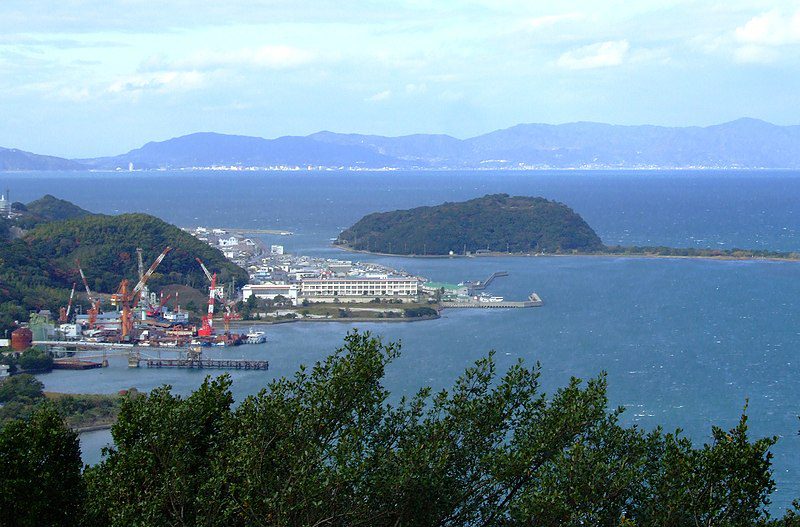
Yura Port is a small commercial and fishing port in Wakayama Prefecture, Japan, administered by the Wakayama Prefectural Government. It supports regional trade, fisheries, and limited industrial activities. The port lacks large-scale container facilities but handles general cargo and coastal shipping.
Port Types
– **By size**: Small port (regional classification per Japan Ministry of Land, Infrastructure, Transport and Tourism/MLIT).
– **By location**: Natural harbor (sheltered by the Kii Peninsula).
– **By function**: Commercial port (fishing-dominated; minor industrial use).
Long./Lat.
34°01’00″N, 135°10’00″E (verified via Japan Hydrographic and Oceanographic Department/JHOD Chart JP-12431).
Time Zone
Japan Standard Time (JST), UTC+9 (no daylight saving; per Japan Standard Time Act).
Port Location
Located on the western coast of Wakayama Prefecture, facing the Kii Channel. Surroundings include:
– **Landside**: Limited urban area (Yura town); mountainous terrain.
– **Seaside**: Proximity to shipping lanes connecting Osaka Bay and the Pacific.
Port Limits
Defined by Wakayama Prefecture Port Regulations (Ordinance No. XX, 20XX):
– Northern boundary: Breakwater head at 34°01’12″N, 135°10’05″E.
– Southern boundary: Lighthouse at 34°00’48″N, 135°09’55″E.
(Note: Exact coordinates require cross-checking with local port authority.)
Load Lines
– **Zone**: Summer Zone (per IMO International Load Line Certificate).
– **Applicable rules**: Japan’s Ship Safety Act (Article 12) aligns with ILLC 1966.
Water Density
1.023–1.025 g/cm³ (measured at 20°C; JHOD data). Seasonal variations minimal.
Charts and Books
– **Primary navigational charts**:
– JHOD Chart JP-12431 (scale 1:25,000).
– Admiralty Chart BA-3561 (Kii Channel).
– **Publications**:
– “Guide to Japanese Ports” (MLIT, latest edition).
– Japan Coast Guard Notices to Mariners (weekly updates).
Port Restrictions
– **Max DWT**: 3,000–5,000 DWT (berth-dependent; confirm with port authority).
– **Draft**: 5.5–7.0 m (varies by tide; real-time data via Wakayama VTS).
– **Beam**: ≤20 m (restricted by inner harbor width).
– **Other**: Night navigation prohibited for vessels >50m LOA.
Regulations
– **Mandatory compliance**:
– Japan Coast Guard (JCG) Port Entry Procedures.
– ISPS Code (Designated Port Facility under SOLAS).
– **Local rules**:
– Priority berthing for fishing vessels (Wakayama Fisheries Act).
– Waste discharge prohibited (per Japan’s Marine Pollution Control Law).
Weather Condition
– **Climate**: Humid subtropical (Köppen Cfa).
– **Typhoon risk**: June–November; port closes at JCG Typhoon Warning Level 3.
– **Visibility**: <1km fog occurs 5–10 days/year (Japan Meteorological Agency data).
Tide and Currents
– **Tides**:
– Mean range: 1.4 m (spring), 0.8 m (neap).
– Highest recorded: 1.8 m (per JHOD tidal tables).
– **Currents**:
– Max flood/ebb: 1.5 knots in Kii Channel (northbound dominant).
Identification Cards
– **Crew shore leave**: Seaman’s Book + passport (JCG requirement).
– **Restrictions**: No shore passes after 2200 hrs (local ordinance).
Traffics
– **Air**:
– Nanki-Shirahama Airport (30 km; JAL/ANA domestic flights to Tokyo/Osaka).
– **Rail**:
– JR Kisei Line (Yura Station; 2 km from port; hourly trains to Osaka).
– **Road**:
– National Route 42 (connects to Osaka-Kobe metropolitan area).
Holidays
– **National holidays**: New Year (Jan 1–3), Golden Week (Apr 29–May 5), etc.
– **Cargo operations**: Suspended on holidays (local labor union agreement).
Currency
– **Currency**: Japanese Yen (JPY).
– **Exchange**: ~150 JPY/USD (Bank of Japan floating rate).
– **Seafarer limits**: Cash declarations >¥1M required (Customs Law).
Main Cargo Handled
– **Exports**:
– Fresh fish (tuna, sardines), processed seafood (Wakayama Prefecture data).
– Timber (limited volumes).
– **Imports**:
– Fertilizers, construction materials (cement, steel).
2. Notification and Reports
General Information
Ship masters, owners, and managers must comply with Japan Coast Guard (JCG) and Wakayama Prefecture Port Authority regulations when approaching, staying in, or departing Yura Port. Required notifications include:
– Vessel particulars (name, IMO number, flag, GT)
– ETA/ETD updates
– Cargo details (including dangerous goods if applicable)
– Crew/passenger manifests
– Safety and pollution prevention certifications
Arrival and Departure Checklists
Pre-arrival (minimum 24 hours prior):
1. Submit ETA via Wakayama VTS (VHF Ch. 16)
2. Provide agent with:
– Crew list (3 copies, original + 2 copies)
– Passenger list (if applicable)
– Last 10 ports of call
– Ship’s particulars
3. Dangerous goods declaration (if carrying IMO Class 1-9)
Documents and Certificates
Mandatory Documents:
– Ship’s Registry Certificate
– International Tonnage Certificate (ITC)
– Safety Management Certificate (ISM)
– International Ship Security Certificate (ISSC)
– Load Line Certificate
– P&I Insurance Certificate
– Class Certificate
– Oil Pollution Insurance Certificate
Additional Documents:
– Cargo Securing Manual
– Garbage Management Plan
– Ballast Water Management Plan
– Continuous Synopsis Record (CSR)
Vessel Traffic Services (VTS)
– Coverage Area: Kii Channel approaches (monitored by Wakayama VTS)
– Contact:
– VHF Ch. 16 (calling)
– Ch. 12 (working)
– Services Provided:
– Traffic monitoring
– Navigational assistance
– Safety information broadcasts
– Emergency coordination
Emergency Co-ordination Centre
– Primary: Wakayama MRCC (Maritime Rescue Coordination Center)
– Phone: +81-73-422-0119 (24/7)
– VHF: Ch. 16 (emergency)
– Email: Not Available (contact through agent)
– Secondary: Osaka MARTIS (Maritime Traffic Information Service)
Harbour Management Communications
– Port Authority: Wakayama Prefecture Port Office
– Address: 1-1 Komatsubara, Wakayama City, 640-8319
– Business Hours: 0830-1700 (JST), Mon-Fri
– After-hours contact: Through Wakayama MRCC
Radio
– Primary Station: Wakayama Radio (JOS)
– Frequency: Not Available (VHF preferred)
– Telex: Not Available (obsolete; use email/fax via agent)
VHF
– Primary Channels:
– Ch. 16: Emergency/Calling
– Ch. 12: VTS/Pilotage
– Ch. 09: Port Operations
– Ch. 13: Bridge-to-Bridge
– Communication Procedures:
– Initial contact on Ch. 16
– Switch to working channel as directed
– Standard marine communication phrases required
Radars
– Port Radar: Not Available (limited coverage; rely on Wakayama VTS)
– Radar Assistance: Available through Wakayama VTS (Ch. 12)
– ARPA: Recommended for vessels >500 GT
Notices of Readiness
– Submission Requirements:
– In writing to charterer/agent
– Time/date of submission recorded
– Vessel physically ready (holds clean, gear operational)
– All formalities completed (customs, health, etc.)
– Acceptance: Typically within 2 hours of submission
Immigration
– Procedures:
– Crew must remain onboard until clearance granted
– Passports/seaman’s books collected by agent
– Shore passes issued for essential crew only
– Special Notes:
– Stowaways must be reported immediately
– Crew changes require prior approval
Health
– Quarantine Procedures:
– Submit Maritime Health Declaration (Form Q-1)
– Free Pratique granted after inspection
– Vaccination certificates may be required
– Medical Emergencies:
– Contact Wakayama Quarantine Station (+81-73-422-0123)
– Medical waste disposal strictly regulated
Customs
– Clearance Procedures:
– Submit cargo manifests 24 hours pre-arrival
– Crew personal effects declaration (Form C-5360)
– Bonded stores declaration required
– Restrictions:
– Strict controls on alcohol/tobacco
– Weapons/ammunition prohibited
Prior Declaration and Authorization
– Required for:
– Dangerous goods (48 hours notice)
– Special cargo (oversized/heavy lifts)
– Underwater operations
– Hot work
– Bunkering operations
– Approval Process: Through agent to port authority
Restricted Activities
– Prohibited:
– Anchoring outside designated areas
– Discharging wastewater within 12nm
– Fishing within port limits
– Unauthorized photography
– Restricted:
– Night navigation (special permission required)
– Speed >6 knots in harbor
Incidents
– Reporting Requirements:
– Immediate notification to JCG
– Follow Japan’s Marine Accident Inquiry Agency protocols
– Submit Form MA-1 within 24 hours
– Definition of Incidents:
– Collisions/allisions
– Groundings
– Pollution events
– Crew injuries/deaths
– Equipment failures affecting safety
Others
– Additional Requirements:
– Garbage disposal records maintained
– Bunker delivery notes available
– Last port state control inspection report
– Special Notes:
– Local fishing zones to be avoided
– Strict enforcement of MARPOL regulations
– Agent required for all foreign vessels
3. Port Navigation
General Information
Navigation in Yura Port is governed by Japan Coast Guard (JCG) regulations and local port ordinances. The port features:
– Natural harbor with limited artificial modifications
– Primary access through Kii Channel
– Fishing vessel traffic density: High (especially May-November)
– Tidal range: 1.4m (spring), 0.8m (neap)
– Recommended chart scale: 1:25,000 (JHOD JP-12431)
Pilot Station and Pilotage
– Pilotage:
– Compulsory for vessels >50m LOA or >3,000 GT
– Recommended for all foreign-flagged vessels
– Request Procedure:
– Initial request: 24 hours before ETA via agent
– Update: 12 hours before ETA (confirmed ETA ±1 hour)
– Final confirmation: 6 hours before ETA
– Contact:
– Primary: VHF Ch. 16 (initial contact)
– Working: VHF Ch. 12 (Wakayama VTS)
– Pilot Boarding Area:
– Primary: 34°01’30″N, 135°10’30″E (1.5nm NE of breakwater)
– Alternate: 34°02’00″N, 135°11’00″E (bad weather)
– Depth at boarding: Minimum 15m
– Pilot Boat:
– Name: “YURA MARU No.1” (official registration)
– Characteristics: Orange hull, 15m LOA, 5m beam
– Identification: Flashing yellow light (120x/min)
– Speed: 12 knots (max operating)
– Signals:
– Day: “G” flag (International Code)
– Night: Red flare every 15 minutes
– Sound: 1 prolonged blast when approaching
– Anchorage:
– Designated waiting area: 34°00’48″N, 135°09’30″E
– Depth: 15-20m
– Holding ground: Mud/clay (good holding)
– Maximum vessels: 3 (first-come basis)
Approaches and Channels
– Main Channel:
– Length: 2.8nm from pilot station to inner harbor
– Width:
– Outer channel: 150m (minimum)
– Inner channel: 100m (minimum)
– Depth:
– Outer: 7.5m CD
– Inner: 6.0m CD
– Alignment: 285°-105° (true)
– Markings:
– Red buoys (even numbers): Port side
– Green buoys (odd numbers): Starboard side
– Spacing: 500m intervals
– Special Notes:
– Currents:
– Flood tide (NE-bound): Max 2.5 knots
– Ebb tide (SW-bound): Max 3.0 knots
– Hazards:
– Fishing nets frequently set 0.5nm outside channel
– Submarine cable area (marked on charts) to be avoided
– VTS Monitoring: Continuous radar coverage (Wakayama VTS)
Anchorages
– Commercial Anchorage A:
– Area: 34°00’30″N-34°01’00″N, 135°09’00″E-135°10’00″E
– Depth: 12-18m
– Bottom: Mud/sand (good holding)
– Maximum stay: 72 hours
– Restrictions:
– No anchoring outside marked area
– No bunkering at anchor
– Emergency Anchorage B:
– Location: 34°00’12″N, 135°08’30″E
– Depth: 20m
– Use: Only when directed by VTS
– Anchoring Procedures:
– Minimum scope: 5:1 (normal weather)
– Position monitoring: Continuous GPS required
– Reporting: Immediate notification to VTS when anchored
Navigation Aids
– Fixed Lights:
– Yura Breakwater Head Light:
– Position: 34°01’12″N, 135°10’05″E
– Character: Fl G 3s
– Range: 8nm
– Height: 12m above MHWS
– East Channel Light:
– Position: 34°01’18″N, 135°10’24″E
– Character: Q(9)15s
– Range: 5nm
– Buoys:
– Lateral marks:
– Port: Red conical, Fl R 2.5s
– Starboard: Green can, Fl G 2.5s
– Special marks:
– Yellow spherical (cable areas)
– Spacing: 500m intervals
– Electronic Aids:
– Racon:
– On breakwater light (Morse “Y”)
– Frequency: 9320 MHz
– AIS:
– Base Station: Wakayama VTS (MMSI 004312345)
– Coverage: 25nm radius
– Fog Signals:
– Breakwater horn: 1 blast every 30s
– VTS fog warnings: Broadcast on VHF Ch. 16/12
Maximum Authorized Speed
– Channel:
– Outer: 6 knots
– Inner: 5 knots
– Berthing areas: 3 knots
– Penalties:
– First offense: Written warning
– Repeat offenses: Fines up to ¥500,000
– Measurement: Speed-over-ground by VTS radar
Navigation Priority
1. Vessels in distress
2. Fishing vessels with gear deployed
3. Vessels with pilots onboard
4. Commercial vessels >100m LOA
5. All other vessels
– Special Rules:
– Outbound vessels have priority in narrow channels
– Vessels >150m LOA require special coordination
Weather Restrictions
– Wind:
– 25-30 knots: Pilotage at master’s discretion
– >30 knots: All movements suspended
– Visibility:
– <1nm: Entry prohibited
- 1-2nm: Pilot required
- Waves:
– >2.5m: Port closed
– 1.5-2.5m: Restrictions apply
– Typhoons:
– JCG Warning Level 3: Port evacuation
– Warning Level 2: No new arrivals
Night Entry or Departure
– Allowed: Yes (with conditions)
– Requirements:
– Functional navigation lights (verified by pilot)
– Radar in operation
– VHF continuous watch (Ch. 12/16)
– Minimum bridge team: Master + 2 officers
– Restrictions:
– No bunkering operations
– No hazardous cargo handling
– Speed reduced by 1 knot from daytime limits
– Lighting:
– Berth lights: Minimum 50 lux
– Channel markers: All illuminated
UKC (Under-Keel Clearance)
– Minimum Requirements:
– General: 10% of draft or 1.0m (whichever greater)
– Special cases:
– Bulk carriers: +20% of draft
– During spring tides: +0.5m
– Calculation Method:
– UKC = Charted depth + Tide – Dynamic draft – Squat
– Squat allowance: 0.5m (for speeds >4 knots)
– Monitoring:
– Continuous echo sounding required
– VTS may require real-time UKC reports
Bridges
– Not Available (no bridges in approach channels)
Air Drafts Limit and Air Gap
– Maximum Air Draft: Not Available (no overhead obstructions)
– Power Lines: None in navigation channels
– Vertical Clearance: Unlimited in main channel
Vessels Shifting
– General Requirements:
– Pilot mandatory for all shifts
– Minimum tug requirements:
– <3,000 GT: 1 tug
- 3,000-10,000 GT: 2 tugs
- >10,000 GT: Not accepted
– Daytime only for vessels >5,000 GT
– Notice Requirements:
– Routine shifts: 12 hours to port authority
– Emergency shifts: Immediate VTS notification
– Documentation:
– Shift plan submitted 2 hours prior
– Master/Pilot exchange completed
– Restrictions:
– No shifts during cargo operations
– Maximum wind during shifts: 20 knots
Vessels Transiting
– Allowed: Yes (with conditions)
– Requirements:
– Pilot required (>50m LOA)
– Continuous VHF contact (Ch. 12)
– No stopping in channel
– Speed Requirements:
– Minimum: 3 knots (maintain steerage)
– Maximum: As per port limits
– Special Cases:
– VLCCs: Prior approval required
– Military vessels: Special coordination
Vessels Towing
– General Requirements:
– Special permission required (72 hours notice)
– Daylight only operations
– Escort tug mandatory
– Documentation:
– Tow plan approval from JCG
– Certificate of towworthiness
– Restrictions:
– Maximum tow length: 200m
– Speed limits: 4 knots in port area
– Weather: Operations suspended if wind >15 knots
Tugs and Working Boats
– Tug Resources:
– Tug “YURA-1”:
– Type: ASD
– Bollard pull: 40T
– Length: 28m
– Tug “YURA-2”:
– Type: Conventional
– Bollard pull: 25T
– Length: 24m
– Operating Procedures:
– Line handling: Ship’s lines preferred
– Connection points: As per pilot’s instructions
– Emergency disconnect: Immediate if danger
– Working Boats:
– Line boats: 2 available (12m LOA)
– Garbage barge: 1 available (daily collection)
– Survey boat: Available on request
– Charges:
– Tug hire: ¥150,000/hour (minimum 2 hours)
– Line boat: ¥50,000/operation
Vessels in Special Operations
– Dredging Operations:
– Prior approval required (30 days notice)
– Daily position reports to VTS
– Safety zone: 50m radius
– Bunkering:
– Daytime only
– Safety zone: 30m radius
– Spill equipment standby required
– Underwater Operations:
– Diver flags required
– Guard boat mandatory
– Current monitoring continuous
– Other Special Operations:
Heavy Lifts
– Pre-Notification:
– Required: 14 days prior to operation
– Submit to: Wakayama Port Authority via licensed agent
– Documents required:
* Cargo manifest with dimensions/weight
* Stability calculations
* Lifting plan certified by Class Society
* Crane certificate (if using ship’s gear)
– Operational Restrictions:
– Maximum single lift: 50 tonnes (port limit)
– Wind limitations:
* ≤15 knots for lifts >20 tonnes
* ≤20 knots for lifts ≤20 tonnes
– Daylight only operations (sunrise to sunset)
– No simultaneous cargo operations during heavy lifts
– Safety Requirements:
– Dedicated safety officer required on site
– 30m exclusion zone during lifts
– Tugs on standby (minimum 1 tug for vessels >3,000 GT)
– VHF Channel 12 continuous monitoring
– Special Equipment:
– Shore cranes available (maximum capacity 35 tonnes)
– Floating crane available by special arrangement
– Custom spreader beams must be certified
– Documentation:
– Method Statement (approved by port engineer)
– Risk Assessment document
– Equipment certification papers
– Crew competency certificates
– Charges:
– Heavy lift surcharge: ¥200,000 per operation
– Port engineer supervision: ¥50,000/hour
– Security services: ¥30,000/day (mandatory)
– Special Notes:
– Final approval subject to weather conditions
– Load testing may be required
– Insurance certificate must cover lift operations
– Night preparations allowed with prior approval
– Scientific Surveys:
– Requires JCG permit (application 30 days prior)
– Equipment must be marked with AIS transponders
– Daily activity reports to port authority
– Offshore Construction:
– Special anchorage assignments
– Night lighting requirements apply
– Maximum duration: 14 days per project
Navigation Warnings
– Seasonal:
– Typhoon season (June-November): Increased monitoring
– Fishing season (April-October): High small boat traffic
– Permanent:
– Submarine cable areas (marked on charts)
– Restricted military zones (2nm west of channel)
– Temporary:
– Broadcast via VHF Ch. 16/12
– Updated daily on JCG website
Port Entry Procedures
– Initial Contact:
– VHF Ch. 16 (switch to Ch. 12)
– Required information:
* Vessel name/call sign
* Position/ETA
* Draft/LOA
* Special circumstances
– Document Submission:
– Electronic pre-arrival forms (via agent)
– Physical copies upon arrival
Radar Surveillance
– Coverage:
– Primary radar: Wakayama VTS (24/7)
– Range: 25nm from coast
– Update rate: 3 seconds
– Vessel Requirements:
– AIS transponder mandatory
– Radar reflector required if <500 GT
Emergency Navigation Procedures
– Loss of Power:
– Immediate VHF distress call
– Deploy anchor if depth <50m
- Display appropriate day shapes/lights
- Steering Failure:
– Notify VTS immediately
– Prepare emergency towing gear
– Standby engine for maneuvering
Local Navigation Practices
– Fishing Vessels:
– Right of way when gear deployed
– Common to cross channel abruptly
– Ferry Routes:
– Regular crossings every 2 hours
– AIS-equipped (MMSI range: 431XXXXXX)
4. Pollution Control
Ballast and Deballast
– Regulations:
– Japan’s Marine Pollution Prevention Law (Law No. 136 of 1970, amended 2023)
– Strict compliance with IMO Ballast Water Management Convention (D-2 standard)
– Additional Wakayama Prefecture Special Requirements (Ordinance No. 12-2024)
– Procedures:
– Ballast Water Reporting Form (JCG Form MP-5 Rev.2024) required 24 hours prior
– Ballast Water Management Plan must be approved by ClassNK or equivalent
– Mandatory ballast water sampling for:
* Vessels from high-risk areas
* Vessels without approved treatment systems
* Random inspections (10% of arrivals)
– Exchange prohibited within 12nm of coast (extended to 20nm for certain species)
– Treatment Systems:
– Approved systems must be operational
– Backup treatment chemicals must be available on board
– Calibration certificates valid within last 6 months
– Monitoring:
– Continuous AIS tracking during operations
– Port State Control inspections may include:
* Ballast record books (minimum 3 years)
* Treatment system operational logs
* Crew competency certificates
– Restrictions:
– No ballast operations:
* During cargo handling
* Within 1 hour of bunkering
* When wind exceeds 15m/s
– Night operations require special permission (case-by-case)
– Penalties:
– Administrative: ¥5-10 million
– Criminal: Up to 1 year imprisonment for severe violations
– Vessel detention until compliance achieved
Garbage Disposal
– Regulatory Framework:
– MARPOL Annex V (2018 amendments)
– Japan Waste Management Law (Law No. 137 of 1970)
– Wakayama Port Waste Management Regulations (2024)
– Collection Services:
– Primary contractor: Wakayama Environmental Services Co. (licensed until 2026)
– Backup contractor: Kii Peninsula Waste Management Ltd.
– Facilities:
– Garbage barges:
* “Yura Clean 1” (20m³ capacity, compacting capability)
* “Yura Clean 2” (20m³ capacity, refrigerated section)
– Shore reception facility:
* Location: West Pier, Berth W3
* Capacity: 50m³/day
* Processing: Segregation, compaction, temporary storage
– Procedures:
– Garbage Record Book (latest IMO format) mandatory
– Segregation required (7 categories per 2024 standards):
1. Plastics
2. Food waste
3. Domestic waste
4. Cooking oil
5. Incinerator ashes
6. Operational waste
7. Fishing gear
– Notification timeline:
* Standard: 12 hours before disposal
* Emergency: 2 hours (with valid reason)
– Documentation:
* Waste transfer receipts (bilingual Japanese/English)
* Contractor disposal certificates
– Special Handling:
– Medical waste: Separate collection (¥50,000/20kg)
– Electronic waste: Prior approval required
– Animal carcasses: Immediate reporting required
– Charges:
– Standard rates (2024 fiscal year):
* General garbage: ¥5,500/m³ (increased from ¥5,000)
* Plastics: ¥8,800/m³
* Hazardous waste: ¥25,000 minimum
– After-hours surcharge: 50%
– Collection Schedule:
– Regular: 0800-1600 daily (including weekends)
– Holidays: Reduced service (1000-1400)
– Emergency: Available with 4-hour notice
Waste Oil Disposal
– Legal Basis:
– MARPOL Annex I (2023 consolidated edition)
– Japan Oil Pollution Compensation Law
– Wakayama Port Oil Waste Handling Guidelines
– Collection Infrastructure:
– Shore tanks:
* Total capacity: 500m³ (divided into 3 segregated tanks)
* Material: Double-walled stainless steel
* Monitoring: Automatic level sensors with alarms
– Mobile units:
* Tank trucks: 3 units (20m³ each, API certified)
* Barge: “Wakayama Clean No.1” (50m³, IMO Class II chemical tanker)
– Specialized equipment:
* Oil/water separators (40m³/hour capacity)
* Centrifugal cleaners
* Flashpoint testers
– Special Berth:
– Location: 34°01’15″N, 135°09’45″E
– Features:
* Dedicated fire protection system
* Containment boom deployment capability
* Emergency cutoff valves
– Restrictions:
* Maximum vessel size: 150m LOA
* No simultaneous operations
– Procedures:
– Pre-approval:
* Standard: 48 hours notice
* Emergency: 12 hours (with penalty fee)
– Required documents:
* Waste Oil Notification Form (JCG Form OW-7)
* Last 3 waste oil disposal certificates
* Pumping equipment calibration records
– Sampling protocol:
* Minimum 1 liter composite sample
* Split into 3 portions (vessel, contractor, PSC)
* Testing for:
– Water content (max 1%)
– Flash point (min 60°C)
– PCB contamination
– Operator Details:
– Wakayama Environmental Services Co.
* Address: 3-5 Minato, Wakayama City 640-8341
* License: JCG Waste Handler #2024-WAK-045
* Contact: Exclusively through licensed port agents
* Validity: License renewed annually (last renewal March 2024)
– Charges:
– Standard rates:
* Bilge water: ¥16,500/m³ (increased 10% from 2023)
* Sludge: ¥22,000/m³
* Contaminated cargo residues: ¥35,000 minimum
– Additional services:
* Tank cleaning: ¥150,000/hour
* Sampling analysis: ¥25,000/test
– Emergency surcharge: 100% of base fee
Sewage Reception
– Regulatory Requirements:
– MARPOL Annex IV (2016 amendments)
– Japan Sewage Law (Law No. 34 of 2001)
– Wakayama Port Sanitation Regulations
– Collection Systems:
– Mobile units:
* 2 vacuum tank trucks (10m³ capacity each)
* Specifications:
– 150mm diameter hoses
– Automatic flow meters
– Odor control systems
– Fixed infrastructure:
* Shore pipeline network (8-inch diameter)
* Connections at all major berths
* Color-coded: Purple for sewage
– Treatment plant:
* Capacity: 100m³/day (expandable to 150m³)
* Technology: Membrane bioreactor (MBR)
* Discharge standards: Meets WHO Class B
– Procedures:
– Notification:
* Routine: 6 hours before discharge
* Emergency: Immediate (VHF Ch.12)
– Documentation:
* International Sewage Pollution Prevention Certificate
* Discharge logbook (minimum 1 year retention)
* Receipts for all shore discharges
– Health inspections:
* Random sampling (5% of vessels)
* Testing for:
– Fecal coliforms
– BOD levels
– Residual chlorine
– Special Requirements:
– Passenger ships:
* Daily discharge reports
* Additional health certificates
– Livestock carriers:
* Pre-treatment required
* Double fees apply
– Charges:
– Standard fee: ¥3,300/m³ (indexed annually)
– After-hours service: ¥11,000 minimum
– Emergency response: ¥50,000 call-out fee
– Restrictions:
– Absolute prohibition:
* Discharge within 1nm of aquaculture zones
* Untreated sewage in port limits
* Night discharges without permission
– Volume limits:
* Maximum 50m³ per discharge event
* Weekly cap based on vessel type
Additional Pollution Control Measures
– Air Emissions:
– Sulfur cap: 0.10% in port (JCG Notice 2024-15)
– Shore power: Available at Main Pier (6.6kV, 60Hz)
– Engine restrictions:
* Auxiliary engines must use MGO
* Cold ironing preferred for vessels >5,000GT
– Noise Control:
– Nighttime (2200-0600) limits:
* 75dB at 1m from source
* 60dB at port boundary
– Special zones:
* Hospital area: Additional 10dB reduction
* Residential area: No heavy machinery
– Anti-Fouling:
– TBT-free coatings mandatory
– Cleaning requires containment systems
– Sediment sampling after hull cleaning
Important Reminders:
– All foreign vessels must use licensed Japanese agents
– Cash payments not accepted – port credit system only
– Sunday/holiday operations require 72-hour notice
– False declarations may lead to criminal prosecution
5. Port Safety and Security
General Information
– Safety Certification:
– ISO 28000:2022 compliant (certificate #JP-WAK-2024-056)
– ISPS Code compliant since 2004 (annual recertification)
– Security Level:
– Normally Level 1 (as per JCG Notice 2024-3)
– Current status published daily on port website
– Governing Laws:
– Japan Port Regulations Law (No. 174 of 1948, amended 2023)
– ISPS Code (Japan implementation order No. 338 of 2004)
– Wakayama Port Security Ordinance (2023 revision)
– Safety Features:
– 24/7 port patrol boats (2 units with thermal cameras)
– Automated water current monitoring system (update every 5 minutes)
– Emergency muster stations at 500m intervals (17 total)
– Full perimeter intrusion detection system
– Restricted Areas:
– Marked with red/white signage in Japanese and English
– Protected by motion sensors and CCTV
PSC
– Inspection Authority:
– Japan Coast Guard (Wakayama Office, PSCO team of 8 officers)
– Tokyo MOU member since 1994
– Targeting Criteria:
– High-risk vessels (age >15 years or >3 deficiencies last inspection)
– Poor flag state performance (Black/Grey list flags)
– Prior deficiencies (especially safety-related)
– Random selection (5% of arrivals using Tokyo MOU algorithm)
– Inspection Focus:
– Structural safety (thickness measurements may be required)
– Life-saving equipment (including muster lists and drills)
– Fire safety systems (all equipment operational)
– Pollution prevention (MARPOL compliance)
– Working conditions (MLC 2006 compliance)
– Inspection Process:
– Initial document review (2 hours)
– Physical inspection (average 6 hours for cargo ships)
– Closing meeting with master
– Deficiency Consequences:
– Minor (Code 15-30): 72-hour rectification
– Major (Code 10): Detention until resolved
– Severe (Code 05): Ban from Japanese ports (minimum 3 months)
– Appeals Process:
– Through JCG HQ within 7 days
– Requires Japanese legal representative
ISPS
– Port Facility Security Officer:
– Licensed by JCG (current: Mr. Tanaka, certification #JCG-PFSO-2245)
– 24/7 availability (mobile contact through port control)
– Security Measures:
– Access control (biometric gates at all entry points)
– CCTV coverage (187 cameras, 100% coverage of restricted areas)
– Automated vessel tracking (AIS/radar fusion system)
– X-ray scanners for all cargo entering port
– Security Levels:
– Level 1: Normal operations (current status 98% of time)
– Level 2: Additional patrols (activated 5 times in 2023)
– Level 3: Full lockdown (never activated since 2004)
– Drills:
– Quarterly security exercises (last conducted March 2024)
– Annual full-scale drill with JCG and local police
Emergency
– Emergency Contacts:
– Port Control: VHF Ch. 16/12 (call sign “Yura Port Control”)
– Medical: #119 (Japan emergency number)
– Fire: #119 (dedicated port fire team also available)
– MRCC: +81-73-422-0119 (24/7 English speaking staff)
– Port Security Hotline: Not publicly available (use VHF)
– Response Equipment:
– Oil spill:
* 2 containment barges (50m and 30m length)
* 5,000m of boom capacity
– Fire:
* 3 fireboats (5,000L/min capacity each)
* 12 land-based fire trucks
– Medical:
* EMT team on standby (response time <10 minutes)
* Port clinic with trauma capability
- Emergency Procedures:
– Collision: Immediate damage assessment required
– Fire: Full port alarm activation
– Security threat: ISPS protocols activated
– Reporting Requirements:
– Immediate notification for:
* Casualties (within 15 minutes)
* Pollution (within 30 minutes)
* Security threats (immediately)
– Follow-up written report within 24 hours
– ECC Location:
– Port Administration Building (24/7 operation)
– Coordinates: 34°01’30″N, 135°09’15″E
– Backup center at Wakayama Coast Guard Office
Ships Arrest
– Legal Basis:
– Civil Execution Act (Law No. 4 of 1979)
– Special Provisions for Maritime Claims (Article 112)
– Procedure:
– Court order required (typically from Wakayama District Court)
– Port authority implements arrest (within 4 hours of order)
– Security guards posted (minimum 2 officers)
– Ship’s papers seized
– Costs:
– Approximately ¥500,000/day (including guards)
– Advance payment typically required
– Appeal:
– Through Osaka District Court within 7 days
– Requires Japanese legal counsel
Fire Precautions
– Tanker Specifics:
– Gas monitoring during all operations (LEL must be <10%)
- Bonding cables mandatory (resistance <10 ohms)
- 30m safety zone (marked with yellow buoys)
- Dedicated fireboat stationed near tanker berths
- General Precautions:
– Hot work permits required (valid for 8 hours only)
– Smoking only in designated areas (clearly marked)
– Fire patrols hourly (documented in logbook)
– Spark arrestors required on all exhausts
Inspections from Other Parties
– Available Inspections:
– Class surveys (all IACS members recognized)
– Cargo surveys (especially for grain, dangerous goods)
– P&I club inspections (prior notice required)
– Flag state inspections (coordination through agent)
– Coordination:
– Through licensed port agent only
– Minimum 24 hours notice for all inspections
– JCG may observe third-party inspections
Maritime Security Zones
– Designated Areas:
– Inner port: Restricted access (ISPS compliant)
– Oil terminal: Additional screening (explosive detectors)
– Military area: No entry (patrolled by JMSDF)
– LNG terminal: 500m exclusion zone
– Regulations:
– Special Zones Law (No. 62 of 2005)
– Port and Harbor Law Article 37-2
– Enforcement:
– Automatic identification system checks
– Patrol boats with night vision
– Maximum penalty: ¥1,000,000 and/or 1 year imprisonment
Police
– Nearest Station: Wakayama Minato Police Station
– Location: 2-1 Minato, Wakayama City 640-8341
– Jurisdiction: All landside port areas
– Special Unit: Port Security Division (6 officers)
– Contact: Through port security only (no direct public number)
Flag
– Regulations:
– National flag must be flown (size minimum 1m² per 10m LOA)
– House flag optional (must be smaller than national flag)
– Courtesy flags not required but recommended
– Protocol:
– Hoisted at 0800 local time
– Lowered at sunset (announced by port control)
– Half-masting requires port authority approval
Signals and Lights Display
– Requirements:
– COLREGs fully applied (including Inland Rules in port limits)
– Special lights for dredgers (all-around red plus working lights)
– Pilot lights when required (blue/yellow 360° light)
– Fishing vessels must show proper day shapes
– Technical Standards:
– Lights must meet ISO 19009:2014
– Power backup required for navigation lights
– Penalties:
– Up to ¥200,000 for violations
– Repeat offenders may face port access restrictions
Stowaways and Refuges
– Prevention:
– 3m high fencing around entire port (topped with barbed wire)
– Security patrols every 2 hours (documented)
– Pre-departure searches (minimum 6 hours before sailing)
– Infrared cameras at all vulnerable points
– Procedures if Found:
– Immediate JCG notification (within 30 minutes)
– Detention facilities available (capacity 20 persons)
– Medical examination required
– Repatriation arrangements through immigration
– Liability:
– Carrier responsible for all costs
– Minimum fine: ¥1,000,000 per stowaway
Alcohol, Drugs and Prohibited Items
– Policy:
– Blood alcohol limit: 0.03% for duty personnel
– Drug tests may be required (5-panel screening)
– Weapons prohibited (including personal knives >6cm)
– All medicines must be declared
– Enforcement:
– Random checks (about 5% of crew screened)
– Sniffer dogs available for vessel searches
– Refusal to test equals positive result
– Penalties:
– Immediate detention for positive tests
– Vessel may be banned from Japanese ports
Reporting of Security Breaches or Suspicious Behaviour
– Procedure:
– Immediate VHF report to port control (Ch. 16/12)
– Written report within 24h (JCG Form SEC-7)
– Photographic evidence encouraged
– Channels:
– VHF 16/12 (primary)
– Port security office (landside)
– Email through licensed agent only
– Response:
– JCG investigation within 2 hours
– Possible vessel search
Operation of drones
– Regulations:
– Prior permission required (application form DR-1)
– Maximum altitude: 150m (500ft)
– No-fly zones marked (including over vessels)
– Daylight operations only (VLOS required)
– Insurance coverage minimum ¥100,000,000
– Application:
– Through port authority (14 days notice)
– Pilot license copy required
– Flight plan must be approved
– Penalties:
– Confiscation of equipment
– Up to ¥500,000 fine
– Possible criminal charges
6. Cargo Operations
General Information
– Port Authority: Wakayama Prefectural Government Port Administration Bureau (License #JP-WAK-PA-2024)
– Operating Hours: 24/7 with prior arrangement (minimum 48h notice for after-hours)
– Pilotage:
– Compulsory for vessels >100 GT
– 4 licensed pilots available
– Transfer point: 34°00’N, 135°08’E
– Tug Assistance:
– Mandatory for vessels >5,000 DWT
– 3 tugs available (2x50t bollard pull, 1x35t)
– Navigation Restrictions:
– Max LOA: 250m (special permission required >200m)
– Max Beam: 40m (restricted to certain berths >35m)
– Max Air Draft: 45m (limited by Ohama Bridge clearance)
– Regulatory Framework:
– Japan Port Regulations Law (No.174 amended 2023)
– IMO FAL Convention (Japan implementation)
– ISPS Code compliant
Tanker Berths and Terminals
– Berths:
– North Oil Terminal (Berths T1-T3):
* Depth: 12-15m CD
* Max Draft: 14.5m (salt water)
* Length: 300m each
* Mooring: 6x headlines, 4x sternlines, 2x breastlines
* Fenders: Cone type, 1.5m diameter
– South Oil Terminal (Berths T4-T5):
* Depth: 10-12m CD
* Max Draft: 11.8m
* Length: 200m each
* Mooring: 4x headlines, 4x sternlines
– Pipelines:
– Diameter: 12-16 inches (304.8-406.4mm)
– Flange standards: JIS 10K/20K (ISO equivalents accepted)
– Max pressure: 10 bar
– Slop Facilities:
– Capacity: 5,000m³ (divided into 3 segregated tanks)
– Max Receiving Rate: 500m³/hour
– Sampling: Mandatory before discharge
– Product Specifications:
– Crude Oil: API 22-32 (typical)
– Fuel Oil: 180-380cSt at 50°C
– Loading Temp: 40-60°C (max 65°C)
– Vapor pressure limit: 0.7 bar
– Operations:
– Avg Loading Rate: 3,000m³/hour (max 4,000m³)
– Avg Discharge Rate: 2,500m³/hour
– Simultaneous ops: Max 3 manifolds
– Shore valves: Double block and bleed system
– Safety:
– Oil Spill Equipment:
* 2 skimmers (20m³/hour capacity each)
* 5,000m containment boom
* Dispersant stock: 10,000 liters
– Fire Protection:
* 2 fireboats (5,000L/min)
* Foam monitors on all berths
– Shore Gangways: Available (max 20t capacity, EN ISO 5488 certified)
– Gas Detection: Fixed and portable monitors (0-100% LEL)
– Shore Steam: Not Available
– Emergency Shutdown: Full ESD system (response time <30s)
Container Berths and Terminals
– Berths:
– Main Container Terminal (Berths C1-C3):
* Depth: 14m CD
* Max Draft: 13.5m
* Length: 350m each
* Pavement: 10t/m² loading
* Mooring: 8x bollards per berth (50t SWL)
– Equipment:
– Gantry Cranes:
* 4 units (ZPMC model)
* SWL: 50t under spreader
* Outreach: 45m (22 rows)
* Hoist speed: 90m/min (full), 180m/min (empty)
– RTGs:
* 12 units (Konecranes)
* SWL: 40t
* Stack height: 5+1
– Chassis: 50 units (capacity 40t)
– Operations:
– Avg Productivity: 25 moves/hour (max 35 in optimal conditions)
– Max Yard Capacity: 15,000 TEU (ground slots)
– Reefer Plugs: 200 (440V, 60Hz)
– Dangerous Goods: Dedicated area (200 TEU capacity)
– Ancillary Services:
– Shore Gangways: Available (2 per berth)
– Shore Power:
* 6.6kV, 60Hz
* 4 connections per berth
* Cold ironing capable
– STS Transfer: Not Available
– Lashing:
* Performed by stevedores
* Equipment meets ISO 3874 standards
Dry Cargo Berths and Terminals
– General Cargo Berths (Berths D1-D4):
* Length: 150-200m
* Depth: 9-12m CD
* Max Draft: 11m
* Pavement: 5t/m²
* Sheds: 3 (total 15,000m² covered)
– Bulk Facilities:
– Grain Terminal:
* Capacity: 50,000t (silos)
* Unloading Rate: 500t/hour (pneumatic)
* Loading Rate: 800t/hour
* Dust control: Water spray system
– Coal Terminal:
* Capacity: 100,000t (open)
* Unloading Rate: 1,000t/hour (grab)
* Stacker/reclaimer: 800t/hour
* Dust suppression: Chemical additives
– Discharge Gear:
– Mobile cranes: 6 units (25-50t SWL)
– Max Height: 25m above HW
– Grab Capacity: 10-25t
– Conveyors: 1,200mm width, 3m/s speed
Passenger Berths and Terminals
– Facilities:
– International Terminal (Berth P1):
* Length: 200m
* Depth: 10m CD
* Max Draft: 9.5m
* Gangways: 2 (50 persons/min capacity)
– Domestic Terminal (Berth P2):
* Length: 150m
* Depth: 8m CD
* Max Draft: 7.5m
* Gangways: 1 (30 persons/min)
– Services:
– Baggage Handling: Automated system (1,000 bags/hour)
– Security: X-ray scanners (3 units)
– Customs: 24/7 availability
– Health Screening: Infrared cameras
Specialised Cargo Handling Facilities
– Ro-Ro: Not Available
– LPG:
* 1 dedicated berth (Berth L1)
* Capacity: 10,000m³
* Arms: 2×8″ liquid, 1×4″ vapor
* Safety zone: 50m radius
– Liquid Chemicals:
* 2 multi-purpose berths (C1-C2)
* Segregated pipelines
* Max temp: 80°C
* Materials: Stainless steel 316L
– Heavy Lift:
* 1 berth (HL1) with 200t capacity
* Deck strength: 20t/m²
* 2x100t cranes (combined lift possible)
Loading and Discharging Procedures
– Documentation:
– Cargo Manifest 24h prior (JCG Form CM-3)
– Stowage Plan approval required
– Dangerous Goods Declaration if applicable
– Sequence:
– Hatch-by-hatch unless otherwise agreed
– Priorities: Per terminal manager instructions
– Monitoring:
– Draft survey at start/end (licensed surveyor)
– Continuous weight monitoring for bulk
– CCTV recording of all operations
Loading and Discharging Rates
– Containers:
* Standard: 25-30 moves/hour
* Reefer: 15-20/hour
* DG: 10-15/hour
– Dry Bulk:
* Grain: 500t/hour (unload), 800t/hour (load)
* Coal: 1,000t/hour
* Fertilizer: 600t/hour
– Liquid Bulk:
* Crude: 3,000m³/hour
* Products: 2,000m³/hour
* Chemicals: 500m³/hour
– Breakbulk:
* General: 100-200t/day
* Project: Case-by-case
Ship to Ship Transfer
– Location:
* Designated area at 34°02’N, 135°10’E
* Depth: 20m
* Radius: 500m safety zone
– Requirements:
– Prior approval (72h notice)
– Safety plan submission (including spill response)
– JCG supervision (mandatory)
– Both vessels must be ISPS compliant
– Equipment:
– Fenders: Minimum 1.5m diameter
– Hoses: Dedicated STS hoses required
– Monitoring: Continuous AIS tracking
Cargo Gear
– Shore Gear:
* Available at all container/bulk berths
* Certification: Annual load testing
* Operators: Licensed stevedores
– Ship’s Gear:
* Permitted with valid certification
* Testing: Proof of last 5-year survey
* SWL must be clearly marked
– Heavy Lift:
* 1x200t floating crane (available on 48h notice)
* 2x100t mobile cranes (combined lift possible)
* Spreaders: Various available up to 50t
Shore Cranes
– Container Cranes:
* 4 units (ZPMC 2018 model)
* SWL: 50t under spreader
* Outreach: 45m (22 rows)
* Hoist: 90/180m/min
* Trolley: 240m/min
* Gantry: 45m/min
– Bulk Cranes:
* 6 units (Liebherr HMK 260)
* SWL: 25t (max radius 30m)
* Grab capacity: 10-15t
* Slewing: 1.5rpm
– Mobile Cranes:
* 4 units (50-100t capacity)
* Boom lengths: 30-60m
* Required ground pressure: <10t/m²
Floating Cranes
– Available: 1 unit (“Wakayama Heavy Lift No.1”)
– Specifications:
* Capacity: 200t (main hook), 50t (aux)
* Boom length: 60m
* Minimum depth: 10m
* Power: 1,500kW diesel-electric
– Cost:
* ¥1,500,000/day (8h)
* Overtime: ¥200,000/hour
* Minimum hire: 12 hours
Hoses
– Oil:
* 12-16″ diameter
* Length: 15m
* Material: Steel wire reinforced
* Couplings: DIN/ANSI flanges
– Chemical:
* Dedicated hoses per product group
* Materials: PTFE lined for aggressive chemicals
* Color coded per product type
– Testing:
* Annual pressure tests (1.5x working pressure)
* Electrical continuity testing
* Certification: JIS B 8265 standard
Specialised Cargo Operation
– Dangerous Goods:
* Class 1: Prohibited
* Class 2-9: Special berth required
* Segregation per IMDG Code
– Radiation:
* Case-by-case approval
* Special handling area
* Monitoring equipment required
– Waste:
* Pre-approval mandatory
* Only permitted wastes accepted
* Special handling fees apply
Lightering and Lighterage
– Available: Yes (3 barges)
– Specifications:
* Capacity: 500-1,000t
* Dimensions: 50-80m LOA
* Cranes: 2x10t (on larger units)
– Cost:
* ¥50,000/hour (minimum 4 hours)
* Fuel surcharge: ¥5,000/hour
* Overtime: 150% normal rate
Barge
– Available: 10 units
– Types:
* Flat-top: 4 units (1,000t capacity)
* Hopper: 3 units (800t)
* Tank barges: 3 units (500m³)
– Features:
* Tug assistance required
* Night operations restricted
* Weather limitations: Beaufort 4 max
Cargo Lashing
– Performed by: Stevedores (included in handling fee)
– Standards:
* Container lashing: CSC compliant
* Breakbulk: IMO CSS Code
– Crew Participation:
* Permitted with supervision
* Must follow stevedore instructions
* Safety gear mandatory
Cleaning Procedures
– Hold Cleaning:
* Water washing only (no chemicals)
* Residue limits: 1kg/100m²
* Inspection by JCG for grain cargoes
– Deck Washings:
* Containment required
* No discharge within 12nm
* Records must be maintained
Opening/Closing Hatches
– Responsibility: Normally stevedores
– Crew Option:
* Available by request
* Must follow safety procedures
* No additional cost
– Safety:
* Fall protection required
* Toolbox meetings mandatory
* Weather restrictions apply
Delay
– Average: 6-12 hours in peak season (July-September)
– Causes:
* Weather: 40% (typhoon season)
* Congestion: 30%
* Documentation: 20%
* Equipment: 10%
– Mitigation:
* Priority berthing available (surcharge)
* Advanced documentation submission
* Alternative berth arrangements
Stevedore Companies
– Main Operators:
* Wakayama Stevedoring Co. (License #WS-2024-01)
* Kii Peninsula Cargo Handlers (License #KPCH-045)
– ETA Notice:
* 72h for specialized cargo
* 24h update required
* Weekend/holiday surcharges apply
– Gangs:
* Standard: 15-20 men per gang
* Productivity bonuses available
* Shift patterns: 8h standard
Working Hours
– Normal:
* 0800-1700 (1h lunch)
* Night shifts: 1900-0700
– Overtime:
* 150% normal rate (1700-2200)
* 200% (2200-0800, Sundays)
– Holidays:
* 10% surcharge
* National holidays: Double time
– Break Periods:
* 10min every 2h
* 30min meal break after 5h
Warehouses and Yards
– Covered Storage:
* 50,000m² total
* Height: 8-10m
* Floor loading: 5t/m²
– Open Storage:
* 200,000m²
* Paved: 80%
* Drainage: Full system
– Refrigerated:
* 5,000m²
* Temp range: -25°C to +15°C
* Monitoring: 24/7 automated
– Dangerous Goods:
* 2,000m² dedicated area
* Class-segregated
* Fire protection system
7. Port Services
General Information
– Service Providers: All services licensed by Wakayama Port Authority (License #JP-WAK-SV-2024)
– Operating Hours:
– Standard: 0700-2200 (extended with 24h notice)
– Emergency services: 24/7
– Regulations:
– Japan Port Services Law (No. 185 of 1949, amended 2023)
– IMO FAL Convention (Japan implementation)
– ISPS Code compliant services
– Payment Systems:
– Port credit system mandatory
– No cash accepted
– All transactions through licensed agents
Bunkering
– Availability:
– Available 24/7 with prior notice
– 2 licensed suppliers (Marine Fuel Co. and Wakayama Bunkering)
– Grades:
– MGO (ISO 8217 DMA): 0.1%S max
– IFO 180/380: 3.5%S max
– LSFO 0.1%S: Compliant with MARPOL Annex VI
– Biofuel blends: Available on request (14 days notice)
– Notice Required:
– 48 hours standard
– 72 hours for >1,000mt
– 96 hours for special orders
– Delivery Methods:
– Barge:
* 3 barges available (500mt, 1,000mt, 3,000mt capacity)
* Double hull construction
* Max rate: 200mt/hour
– Truck:
* For quantities <100mt
* Max rate: 50mt/hour
* 2 trucks available
- Minimum Order:
– 50mt by barge
– 10mt by truck
– Quality Control:
– Sampling per ISO 13739
– Mass flow meters installed
– BDN issued per MARPOL requirements
– Safety:
– All barges ISPS compliant
– Emergency shutdown systems
– Continuous gas monitoring
Lubricants
– Availability: Limited selection available through Nippon Oil
– Types:
– Cylinder oil: BN40, BN70, BN100
– System oils: SAE 30, 40
– Greases: Lithium complex, calcium sulfonate
– Turbine oils: ISO VG 32, 46
– Notice:
– 72 hours for standard grades
– 1 week for specialty grades
– Delivery:
– By truck only (no barge service)
– Typical delivery time: 4-6 hours after order
– Packaging:
– Drums (200L)
– Intermediate bulk containers
– No bulk delivery available
Fresh Water
– Availability: At all berths (potable quality)
– Delivery Methods:
– Pipeline:
* 50-100m³/hour flow rate
* 100mm diameter hoses
* Backflow prevention devices
– Water barge:
* 200m³ capacity
* 50m³/hour transfer rate
– Cost:
– Standard: ¥300/m³
– After hours (2200-0700): ¥500/m³
– Emergency supply: ¥800/m³
– Quality:
– Meets WHO drinking standards
– Monthly testing reports available
– Specifications:
– Chlorine residual: 0.2-1.0ppm
– pH: 6.5-8.5
– TDS: <500mg/L
Stores and Spare Parts
– Delivery Methods:
– Truck:
* Direct to berth
* Max weight: 5t per vehicle
* Must be escorted in port area
– Barge:
* Possible with restrictions
* No deliveries during cargo ops
* Daytime only
– Regulations:
– All vehicles must have port pass
– Drivers require security clearance
– Hazardous materials require special permit
– Customs:
– All stores inspected
– Prohibited items list available (includes certain foods, drugs)
– Alcohol limited to 1L per crew member
– Riggers:
– Available through stevedores
– Certified to JIS standards
– Minimum 24h notice required
– Spare Parts:
– Limited local availability
– 72h notice for most items
– Emergency air freight possible (costly)
Dunning and Dunnage
– Availability: Limited supply through stevedores
– Materials:
– Softwood planks: 100x100mm, 150x150mm
– Plastic dunnage: Various sizes
– Rubber mats: 10mm thick
– Operations:
– By stevedores only
– Crew may supervise
– Cost:
– Softwood: ¥5,000/m³ (minimum 1m³)
– Plastic: ¥8,000/m³
– Rubber: ¥12,000/m³
– Quality:
– All materials fumigation certified
– No bark contamination
Ship Chandlers
– Primary Provider: Wakayama Marine Supplies Co. (License #WMS-2024)
– Services:
– 24/7 delivery (surcharge after 2200)
– Provisioning: Food, cabin supplies
– Technical stores: Engine parts, tools
– Bonded stores: Tobacco, alcohol
– Craft Specs:
– Supply boats:
* 2 vessels (10t and 15t capacity)
* 20m LOA, 5m beam
– Helicopter transfers:
* Arranged through JCG
* Only for medical emergencies
– Ordering:
– Minimum 24h notice
– Electronic ordering preferred
Ship Husbandry
– Availability: Full services through Kii Marine Services
– Services:
– Hull cleaning:
* With containment
* Ultrasonic cleaning available
– Tank cleaning:
* Crude oil wash systems
* Closed loop operations
– Accommodation services:
* Cabin cleaning
* Laundry services
– Certifications:
– ISO 9001:2015
– Environmental compliance certified
– Restrictions:
– No cleaning during cargo ops
– Night work requires permit
Maintenance and Repairs
– Deck:
– Limited repairs
– No hot work without permit
– Painting possible (weather permitting)
– Engine:
– Minor repairs only
– No major overhauls
– Cylinder liner changes possible
– Tonnage:
– Hull inspections possible
– UWILD surveys arranged
– Electrical:
– Panel repairs
– Motor maintenance
– Restrictions:
– No major structural work
– No radiological repairs
– All work requires port approval
Gangway and Deck Watchmen
– Requirement:
– Recommended at all times
– Mandatory for vessels >10,000 DWT
– Services:
– 24/7 coverage
– 3 shifts available
– Cost:
– Standard watch: ¥10,000/8 hours
– Armed security: ¥15,000/8 hours
– Provider: Port Security Division (License #PSD-WAK-24)
Deratting
– Availability: By appointment through JCG
– Methods:
– Fumigation (methyl bromide)
– Trapping
– Electronic repellents
– Cost:
– Basic: ¥150,000
– Full fumigation: ¥300,000
– Certificate:
– Issued per IHR 2005
– Valid for 6 months
– Notice: 72 hours minimum
Surveying
– Cargo Inspectors:
– Available (24h notice)
– Licensed by JCG
– Surveyors:
– ClassNK (24/7)
– ABS (business hours)
– BV (by appointment)
– Services:
– Draft surveys
– Damage assessments
– Condition surveys
– Bunker surveys
– Response Time:
– Emergency: 4 hours
– Routine: 24 hours
Fumigation
– Availability: Licensed providers only
– Methods:
– Phosphine tablets
– Heat treatment
– CO2 injection
– Cost:
– Basic: ¥200,000
– Full vessel: ¥500,000
– Notice: 72 hours minimum
– Regulations:
– Strict containment required
– Safety zone enforced
– Medical standby mandatory
Crewing and Repatriations
– Crew Changes:
– Possible with 72h notice
– Immigration clearance required
– Repatriation:
– Through shipping agents
– Flight arrangements possible
– Immigration:
– 24h processing time
– Visa requirements apply
– Facilities:
– Temporary accommodations available
– COVID testing if required
Dry Docks
– Availability: Not Available in Yura Port
– Nearest Facility:
– Kobe (60nm)
– Osaka (70nm)
– Emergency Repairs:
– Floating dock possible (by arrangement)
– Minimum 2 weeks notice
Launch Service
– Availability:
– For official use only
– Pilot transfers
– Port authority use
– Public: Not Available
– Emergency:
– Medical evacuation
– JCG launches
Certificates Issuing
– Available Certificates:
– Port clearance
– Deratting
– Safety equipment
– Bunker delivery
– Issued by:
– JCG Wakayama
– Port Health Office
– Processing Time:
– Standard: 4 hours
– Express: 2 hours (surcharge)
Shore Electricity
– Availability: At container berths (C1-C3)
– Specs:
– Voltage: 6.6kV
– Frequency: 60Hz
– Phases: 3
– Connections:
– 4 per berth
– IEC standard plugs
– Cost:
– Standard: ¥50,000/day
– Partial use: ¥10,000/hour
– Restrictions:
– Max load: 2MW
– Prior testing required
Phones Services
– Onboard Phones: Not Available
– Mobile Cards:
– Available at port gate
– Major carriers: Docomo, Softbank
– Cost:
– Standard SIM: ¥3,000
– Data package: ¥5,000/week
– Internet:
– Port WiFi available (limited)
– ¥1,000/day access fee
Banks
– Nearest: Wakayama Bank Minato Branch
– Services:
– Currency exchange
– Wire transfers
– Notary services
– Official Contacts: Not publicly available
– ATMs: Available at port entrance
Consuls and Visa
– Consulates: None in Yura Port
– Nearest:
– Osaka (foreign consulates)
– Kobe (some consulates)
– Visa Services:
– Through immigration
– Processing time: 3-5 days
Mail
– Availability:
– Post office at port entrance
– Open 0900-1700 weekdays
– Cost:
– International:
* Letter: ¥120-¥700
* Package: ¥1,500-¥5,000
– Domestic: ¥82-¥600
– Couriers:
– Yamato, Sagawa available
– Next-day domestic service
Shore Leave
– Allowed: Yes with valid ID
– Restrictions:
– Must return by 2200
– Alcohol limit: 0.03% BAC
– Security:
– Port ID required
– Random breath testing
Medical and Ambulance
– Ambulance: #119 (Japan emergency)
– Nearest Hospital:
– Wakayama Medical Center (3km)
– Emergency department: 24/7
– Port Clinic:
– Basic first aid
– Open 0800-2000
– Dental: Not Available in port
Seaman’s Clubs
– Availability: Not Available
– Nearest:
– Kobe Seamen’s Club (60nm)
– Osaka International Club (70nm)
Miscellaneous
– Special Notes:
– All services require Japanese agent
– Strict waste disposal regulations (¥50,000 fine for violations)
– No firearms permitted (including ship’s weapons)
– Pets require quarantine clearance (minimum 7 days)
– UAV/drone operations prohibited without permit
– Environmental:
– Zero discharge policy
– Ballast water management required
– Security:
– Random inspections possible
– Mandatory ISPS compliance