/Agencia Reuters
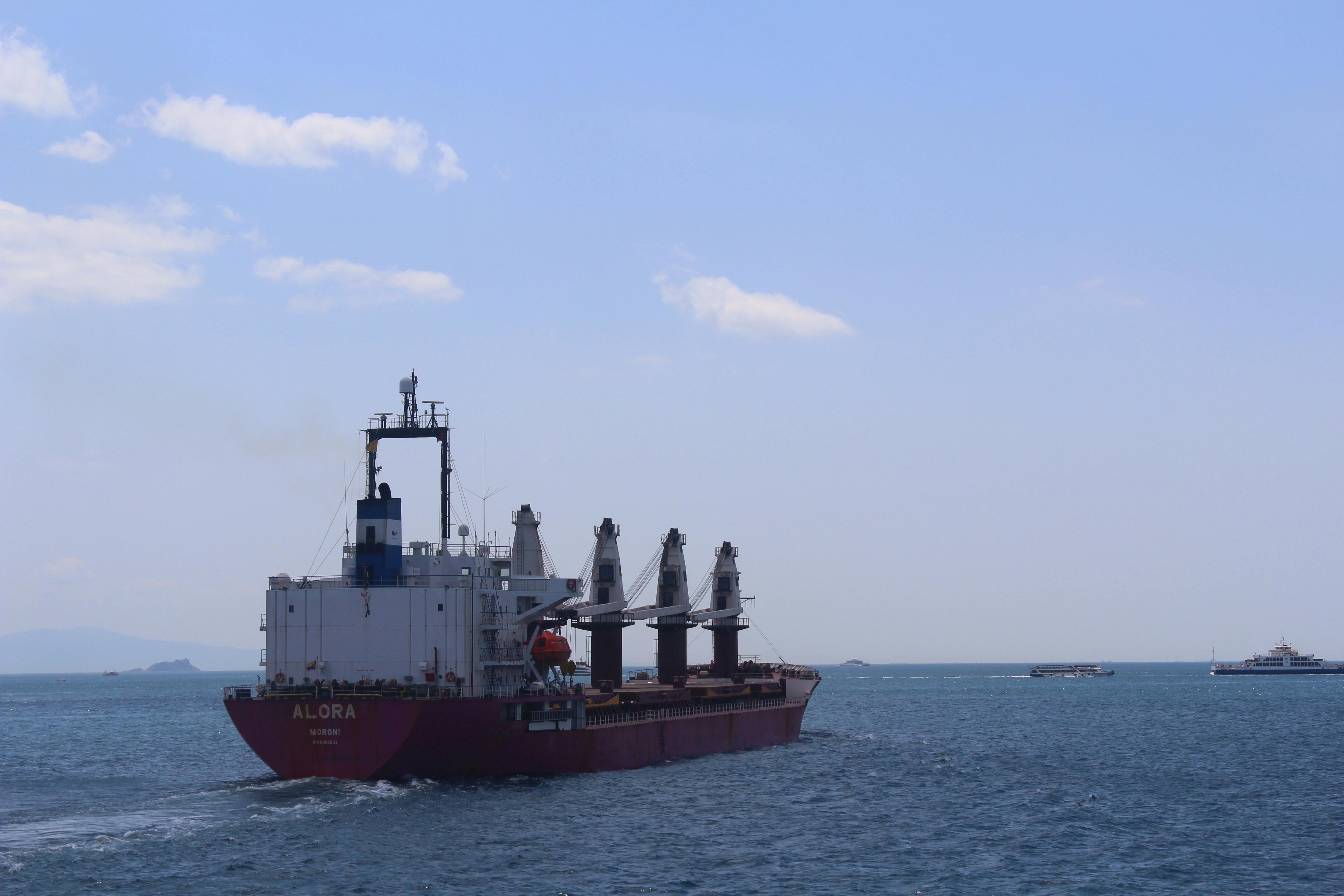
Crude oil prices plunged nearly 3% on Friday, June 26, heading for steep weekly losses due to easing supply concerns, as more stranded tankers left the Strait of Hormuz, despite a cargo ship, linked to Evergreen, being attacked near Oman on Thursday, June 25.
Brent crude futures fell $2.50, or 3.32%, to $72.76 a barrel at 12:09 GMT. Meanwhile, U.S. West Texas Intermediate (WTI) lost $2.15, or 2.99%, dropping to $69.77.
Brent crude benchmark is heading for a weekly decline of approximately 9.7%, while WTI trades nearly 8.9% below its closing price from last Thursday, prior to the market close for the previous Friday’s holiday.
“There is a broad sell-off as the market reacts to the increase in flows exiting the Strait of Hormuz and the fact that China has yet to pick up in its crude demand,” said June Goh, principal oil market analyst at Sparta Commodities.
Both benchmark contracts rebounded more than 2% on Thursday, after a cargo ship was hit by an unknown projectile near Oman, leading the International Maritime Organization (IMO) to suspend its voluntary evacuation program.
Two U.S. officials told Reuters that Iran fired on the cargo ship as it attempted to cross the strait. Iranian authorities, for their part, stated that the safety of vessels navigating outside designated Hormuz routes is not guaranteed.
This Friday, Iran reaffirmed its right to control navigation through the strait and warned Gulf states not to align with the United States.
Recently published data revealed that crude shipments through the Strait of Hormuz rose this week to their highest level since the U.S. and Israel conflict with Iran began in February.
This was driven by a ceasefire agreement that reopened the waterway; however, global traffic remains a fraction of the pre-war daily average.
“If the number of transits does not increase more strongly next week either, skepticism in the market is likely to grow, so the oil price will probably rise again,” said analysts at Commerzbank.
Meanwhile, Russian authorities are evaluating a ban on diesel exports for several months, state news agency TASS reported this Friday.
Russia is a major diesel exporter but faces fuel supply problems following a wave of Ukrainian drone attacks on its oil refineries and other energy infrastructure.