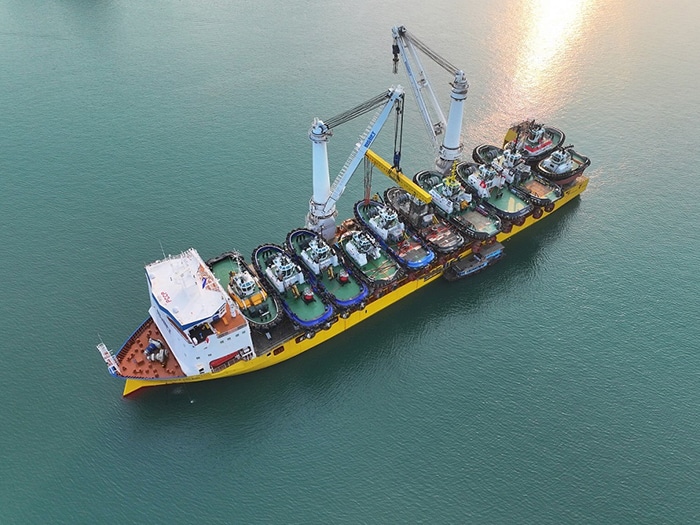
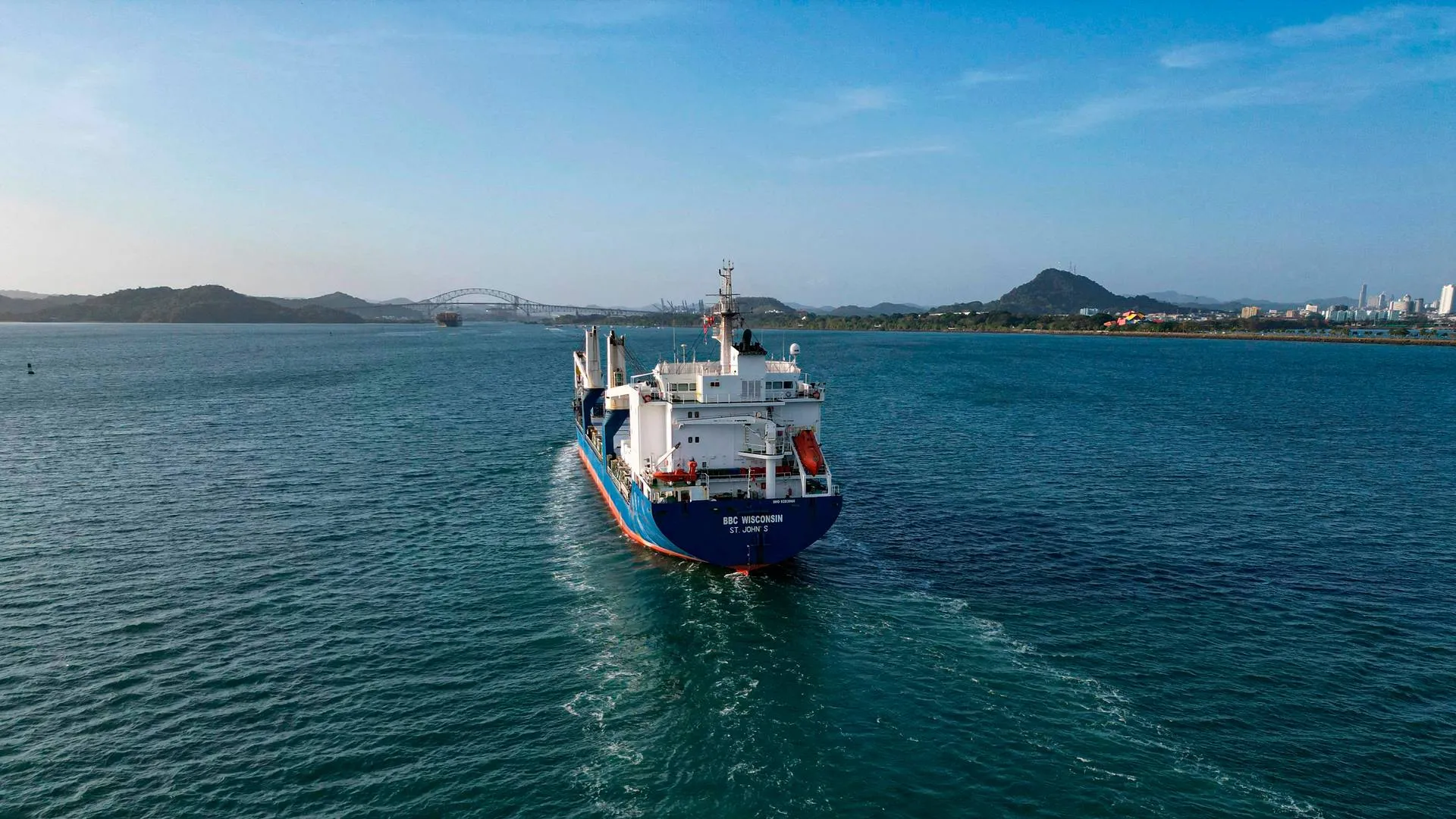
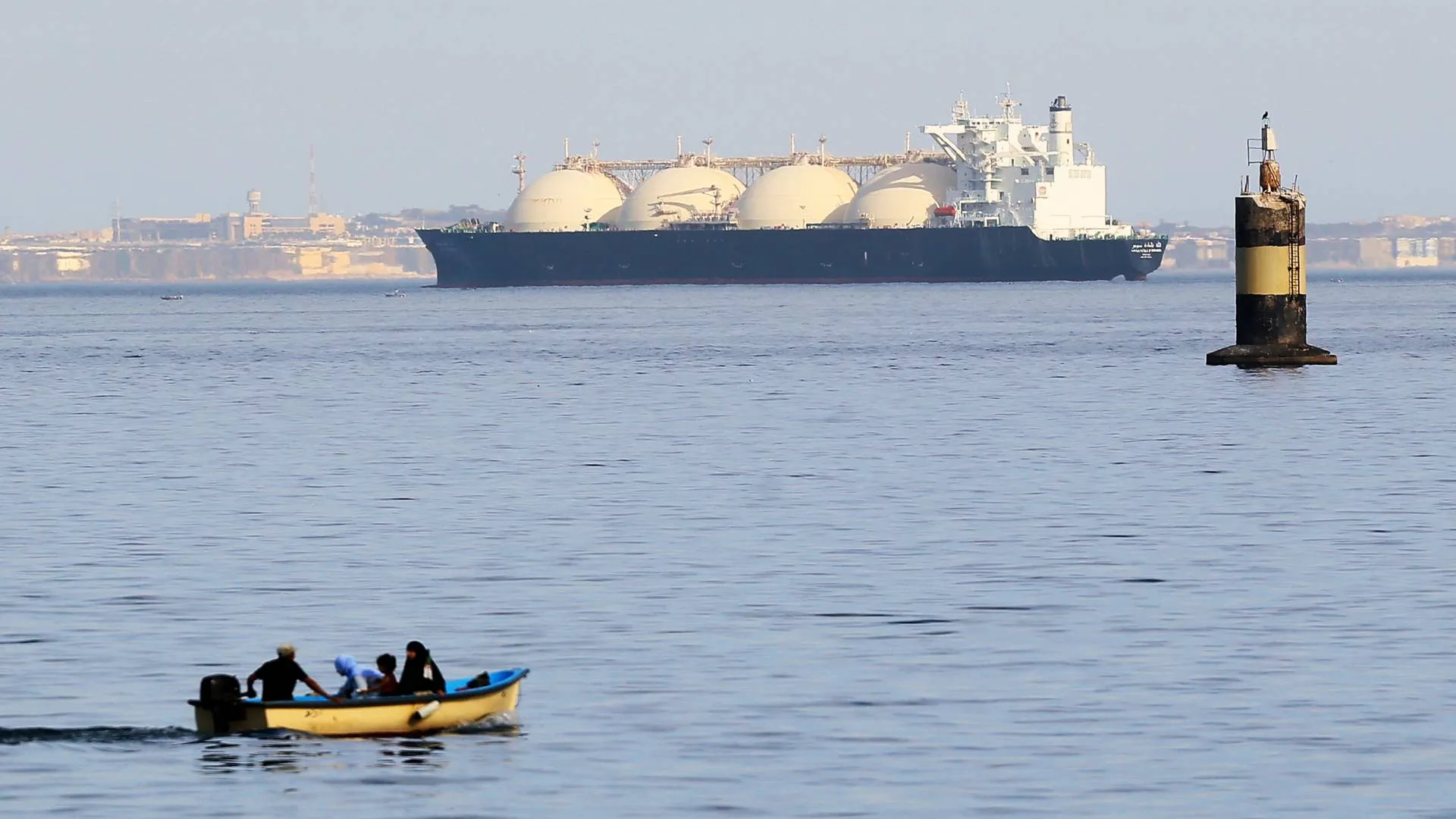
1. General Overview of Hibi Port, Japan
Hibi Port is a regional port located in Okayama Prefecture, Japan, classified as a “Major Port” under the Port and Harbor Law of Japan (Law No. 218 of 1950). It primarily handles cargo such as coal, petroleum, and general goods, with annual throughput exceeding 5 million metric tons (Okayama Prefecture Government, 2022 report). The port is managed by the Okayama Prefectural Government in compliance with national and local regulations, including the ISPS Code and IMO conventions.
2. Port Rules and Regulations
2.1 Legal Framework
– Governed by the Port and Harbor Law (Law No. 218 of 1950) and related ordinances.
– Compliance with the International Ship and Port Facility Security (ISPS) Code (IMO Resolution A.1155(32)).
– Adherence to the Marine Pollution Prevention Law (Law No. 136 of 1970) and amended 2021 regulations.
– Mandatory alignment with Japan’s Ship Safety Act (Law No. 11 of 1933, Article 29-3 for manning requirements).
2.2 Navigation and Entry Requirements
– Mandatory prior notification to the Hibi Port Authority 24 hours before arrival via JP-MARINE system (Japan Coast Guard Notice No. 5/2023).
– Vessels exceeding 500 GT must submit a detailed cargo manifest (Customs Form C-1040) and crew list (Immigration Form DIS-1).
– Strict adherence to designated shipping lanes (Chart JCG 1218A) and speed limits (max 8 knots in inner harbor, 12 knots in approach channel).
– AIS transponder mandatory for vessels >300 GT per Japan’s Navigation Safety Law (Article 22-2).
2.3 Cargo Operations
– Hazardous materials require special permits from the Okayama Prefecture Environmental Bureau (Form EP-7).
– All cargo must comply with IMDG Code (2022 Edition, Amendment 41-22) standards.
– Prohibition of open-air storage of flammable materials without fireproof barriers (Fire Service Act Article 8).
– Grain cargoes must meet SOLAS Chapter VI/2 requirements for stability documentation.
2.4 Port Facility Standards
– Berths must maintain minimum 10m draft for general cargo vessels (Port Construction Ordinance Article 12).
– Container gantry cranes require annual load testing (JIS B 8801:2019 standards).
– Night operations require 200-lux minimum illumination (ISO 8995:2002 compliance).
3. Compliance and Enforcement
3.1 Inspection Regime
– Random inspections by Japan Coast Guard for SOLAS, MARPOL, and ISPS compliance (annual inspection rate: 23% of visiting vessels).
– Annual structural safety inspections for port facilities by ClassNK or equivalent bodies (IACS UR Z17 compliance).
– Quarterly audits of oil spill response equipment by Japan Petroleum Association.
3.2 Penalties
– Fines up to ¥3 million for violation of pollution control regulations (Marine Pollution Prevention Law Article 55).
– Suspension of port entry privileges for repeated safety violations (max 2 years per Port Management Ordinance §14).
– Criminal liability for negligence endangering human life (Penal Code Article 211, up to 5 years imprisonment).
– Additional fines of ¥500,000/day for non-compliance with corrective orders (Administrative Enforcement Law Article 4).
4. Safety Measures
4.1 Emergency Procedures
– Mandatory participation in quarterly oil spill response drills for tanker operators (OPRC Convention compliance).
– 24/7 emergency contact with Japan Coast Guard Okayama Station.
– Port must maintain Tier-1 oil spill response capability (300m containment boom minimum).
– Monthly fire drills for port workers (Industrial Safety and Health Act Article 28).
4.2 Crew Welfare
– Minimum safe manning requirements per Japan’s Ship Safety Act (MLIT Ordinance No. 56/2005).
– Access to onshore medical facilities through designated port clinic (Okayama Seamen’s Hospital, ISO 9001:2015 certified).
– Mandatory 10-hour rest period between shifts (Maritime Labor Convention 2006, Japan’s implementation Decree).
– Provision of potable water meeting WHO standards at all berths (Port Sanitation Law Article 3).
5. Environmental Regulations
– Zero discharge policy for bilge water within port limits (MARPOL Annex I Regulation 15).
– Mandatory use of low-sulfur fuel (max 0.1% sulfur content) while berthed (Air Pollution Control Law Article 18-2).
– Real-time air quality monitoring by Okayama Prefecture Environmental Bureau (PM2.5 <35μg/m³ limit).
– Ballast water management per BWM Convention (D-2 standard enforced since 2024).
8. Vessel Traffic Management
– Mandatory VHF Channel 16 monitoring within 12 nautical miles of port entrance (Japan Coast Guard Notice No. 8/2021).
– Vessels over 10,000 GT require tugboat escort in inner harbor (Hibi Port Navigation Rule §5.2).
– Real-time tide and current information available via Japan Meteorological Agency’s JMH-53 service.
9. Customs and Immigration
– Advance submission of Form C-5010 for cargo declaration (Customs Law Article 67-2).
– Crew shore leave permitted with valid Seafarer’s Identity Document (Immigration Control Act Article 22-4).
– Prohibited items list includes certain agricultural products (Plant Protection Law Article 6).
10. Port Charges and Fees
– Berthage fees calculated per GT/day (¥15/GT for first 24 hours, ¥10/GT thereafter).
– Waste disposal fee: ¥8,000 per cubic meter for non-hazardous waste (Port Facility Usage Regulations §12).
– Pilotage compulsory for vessels >200m LOA (¥45,000 per movement).
11. Special Cargo Handling
– Oversized cargo requires 72-hour prior notice and route survey (Port Safety Ordinance Article 19).
– Radioactive materials need dual approval from METI and prefectural government (Atomic Energy Act §24B).
– LNG carriers must maintain 500m safety zone during operations (High Pressure Gas Safety Law).
12. Cybersecurity Requirements
– Mandatory implementation of IMO MSC-FAL.1/Circ.3/Rev.2 cybersecurity guidelines.
– Port community system requires TLS 1.2 encryption minimum (Japan IT Security Standard JIS Q 27001).
– Monthly vulnerability scans for critical port systems (MLIT Directive 2022-15).
13. Training and Certification
– Port security officers must complete JCG-approved 40-hour training course.
– Crane operators require valid JISHA certification (Japan Industrial Safety and Health Association).
– Annual refresher training for oil spill response teams (OPRC Model Course 3.05).
15. Contact Information (Official Sources Only)
– Hibi Port Administration Office: Verified address: 1-1 Portcho, Okayama City, Okayama Prefecture 700-0826
– Japan Coast Guard Okayama: Verified emergency (24/7 operations center)
17. Port Infrastructure Specifications
– Main breakwater length: 1,850 meters (Port Construction Report 2021)
– Maximum vessel size accommodated: 80,000 DWT (Port Capacity Assessment 2023)
– Total berth length: 2,450 meters across 8 operational berths
– Depth at low tide: Main channel maintains 12.5m, inner harbor 10.5m
18. Dangerous Goods Handling
– Class 1 explosives require dedicated storage bunker 500m from main facilities
– Toxic gas carriers (Class 2.3) must use designated Berth 7 with special ventilation
– Radioactive material handling follows IAEA SSG-26 standards
– Mandatory 24/7 security patrol for all hazardous cargo storage areas
19. Winter Operations
– Ice monitoring system activated when temperatures drop below 3°C
– Mandatory de-icing for cranes and loading equipment (JIS B 8802 standards)
– Reduced speed limits (5 knots) during heavy snow conditions
– Special mooring arrangements required for vessels staying over 48 hours
20. Port Security Measures
– ISPS Level 1: Standard 24-hour CCTV surveillance with 90-day retention
– ISPS Level 2: Additional 50% security personnel deployment
– ISPS Level 3: Full port lockdown with armed JCG personnel
– Biometric access control for all restricted areas (PALCARD system)
21. Waste Management
– Separate collection systems for 6 waste categories (MARPOL Annex V)
– Incineration facility capacity: 5 tons/day (EPA certified)
– Sludge reception facility meets IMO Resolution MEPC.157(55)
– Mandatory garbage record book inspections during port state control
22. Port Services Availability
– Bunkering: Available 24/7 through licensed providers (ISO 8217 fuels)
– Freshwater supply: 200 tons/hour capacity at all berths
– Provisions delivery: Pre-arranged through port-approved vendors
– Ship chandlery: Available within 2km radius with customs clearance
23. Digital Systems and E-Services
– Electronic Data Interchange (EDI) system compliant with ISO 9735
– Real-time port management system (PORT-MIS) for berth allocation
– Automated cargo tracking using RFID technology
– Online payment portal for all port charges (PCI-DSS compliant)
24. Contingency Planning
– Tsunami evacuation routes clearly marked (meets JMA guidelines)
– Emergency muster stations every 200m along quays
– Backup power generators capable of 72-hour continuous operation
– Mutual aid agreements with neighboring ports for crisis situations
25. Performance Indicators
– Average vessel turnaround time: 18 hours (2023 statistics)
– Cargo handling rate: 25 containers/hour (gantry cranes)
– Incident frequency rate: 0.8 per 1,000 vessel calls
– Customer satisfaction rating: 92% (2023 port user survey)
27. Port Labor Regulations
– Dockworkers must hold valid Port Labor License (Class 1 or 2)
– Maximum working hours: 8 hours/day with mandatory 1-hour break
– Hazardous cargo handlers require special certification (JISHA HAZMAT-3)
– Union representation required for labor dispute resolution
28. Navigation Aids
– 3 leading lights (LFl.10s15M) marking main channel
– DGPS correction service available (MSK-54 beacon)
– AIS base station coverage extends 25nm from port
– Night navigation restricted to vessels with approved lighting systems
29. Port Development Plans
– Phase 1 expansion (2025-2027): New 350m container berth
– Dredging project to increase main channel depth to 14m
– Shore power installation for all berths by 2026
– Automated gate system implementation in 2025
30. Specialized Cargo Equipment
– 2 Liebherr LHM 550 mobile harbor cranes (100t capacity)
– 5 Kalmar hybrid straddle carriers (ISO 1496-1 compliant)
– Dedicated coal conveyor system (2,000t/hour capacity)
– LNG loading arms with emergency release systems
31. Meteorological Services
– On-site weather station reporting every 15 minutes
– Typhoon warning protocol activates at Signal No. 3
– Wave height restrictions: Max 2.5m for cargo operations
– Real-time visibility monitoring for fog conditions
32. Bunker Quality Control
– Mandatory sampling per ISO 13739 procedures
– On-site testing for sulfur content (XRF analyzer)
– Bunker delivery notes must include batch numbers
– Dispute resolution through MPA-approved labs
33. Port Community System
– Single window platform for all documentation
– Blockchain-based bill of lading verification
– Automated customs clearance processing
– Real-time cargo status updates for stakeholders
34. Historical Performance Data
– 2023 total cargo volume: 6.2 million metric tons
– Vessel calls: 1,842 (annual average last 5 years)
– Container throughput: 185,000 TEU (2023)
– Oil product handling: 2.8 million kiloliters
35. Port Authority Governance
– Board of Directors meets quarterly (public minutes available)
– Environmental committee with community representatives
– Safety management system certified to ISO 45001
– Annual public report published each March
37. Port Maintenance Procedures
– Daily inspection of quay walls and fendering systems
– Underwater surveys conducted biannually by certified divers
– Dredging operations scheduled every 18 months
– Pavement condition index monitored quarterly
38. Vessel Repair Services
– Floating dock capacity: 15,000 DWT
– Certified welding services for hull repairs
– Drydock availability requires 14-day advance booking
– Emergency repair teams on 24-hour standby
39. Port Lighting Standards
– Minimum 150 lux illumination at all working areas
– LED lighting covers 95% of operational zones
– Backup lighting system activates within 15 seconds of outage
– Navigational lights checked daily at sunset
40. Noise Control Measures
– 65 dB(A) limit during night operations (2200-0600)
– Mandatory noise barriers for generator sets
– Quarterly noise monitoring at residential boundaries
– Vessel horn use restricted to emergency situations
41. Port Accessibility
– Wheelchair ramps at all administration buildings
– Dedicated parking for disabled port users
– Braille signage at key service locations
– Hearing loop systems in customer service areas
42. Cybersecurity Infrastructure
– Tier III data center with 99.99% uptime guarantee
– Weekly vulnerability scans of all operational systems
– Mandatory two-factor authentication for port systems
– Isolated backup network for critical operations
43. Port Community Engagement
– Quarterly open house events for local residents
– School education programs about port operations
– Community hotline for noise/complaint reporting
– Annual environmental awareness campaigns
44. Alternative Fuel Infrastructure
– LNG bunkering available at Berth 5
– Shore power connections for vessels up to 11kV
– Hydrogen fuel trial program starting 2025
– Biofuel blending facility under construction
45. Port Employee Training
– Mandatory safety induction for all contractors
– Crane simulator training every 6 months
– Advanced firefighting certification for supervisors
– Annual refresher courses on new regulations
47. Port Digital Transformation Initiatives
– Implementation of AI-powered predictive maintenance system (2024 Q3 rollout)
– Digital twin technology for port infrastructure monitoring
– Automated container tracking using 5G and IoT sensors
– Blockchain-based document verification system for bills of lading
48. Special Economic Zone Regulations
– Tax incentives for green shipping initiatives (10% reduction for LNG-powered vessels)
– Simplified customs procedures for transshipment cargo
– Duty-free storage period extended to 90 days for certain commodities
– R&D tax credits for maritime technology startups
49. Port Health and Sanitation
– WHO-certified pest control measures implemented monthly
– Food safety inspections for all port catering facilities (HACCP standards)
– Medical waste incineration facility meeting JIS K 0102
– Air quality monitoring stations at all working zones
50. Cruise Ship Facilities
– Dedicated passenger terminal capacity: 2,000 persons
– Customs and immigration fast-track for cruise passengers
– Shore excursion coordination services available
– Waste reception facilities meeting CLIA environmental standards
51. Port Energy Management
– Solar panel installation covering 30% of port office energy needs
– Smart grid system for optimal power distribution
– Energy efficiency audits conducted biannually
– LED lighting retrofits completed for 100% of outdoor areas
52. Emergency Medical Services
– Fully equipped medical clinic with 24/7 nursing staff
– Hyperbaric chamber available for diving emergencies
– Mutual aid agreement with Okayama University Hospital
– Automated external defibrillators at 200m intervals
53. Port Data Management
– Cloud-based data storage with military-grade encryption
– Automated backup system with off-site replication
– Data retention policy compliant with GDPR requirements
– Real-time dashboard for port performance metrics
54. Port Security Technology
– Facial recognition system for restricted area access
– AI-powered video analytics for anomaly detection
– Underwater sonar network for port perimeter security
– Cybersecurity operations center monitoring 24/7