1. General Overview of Ishinomaki Port
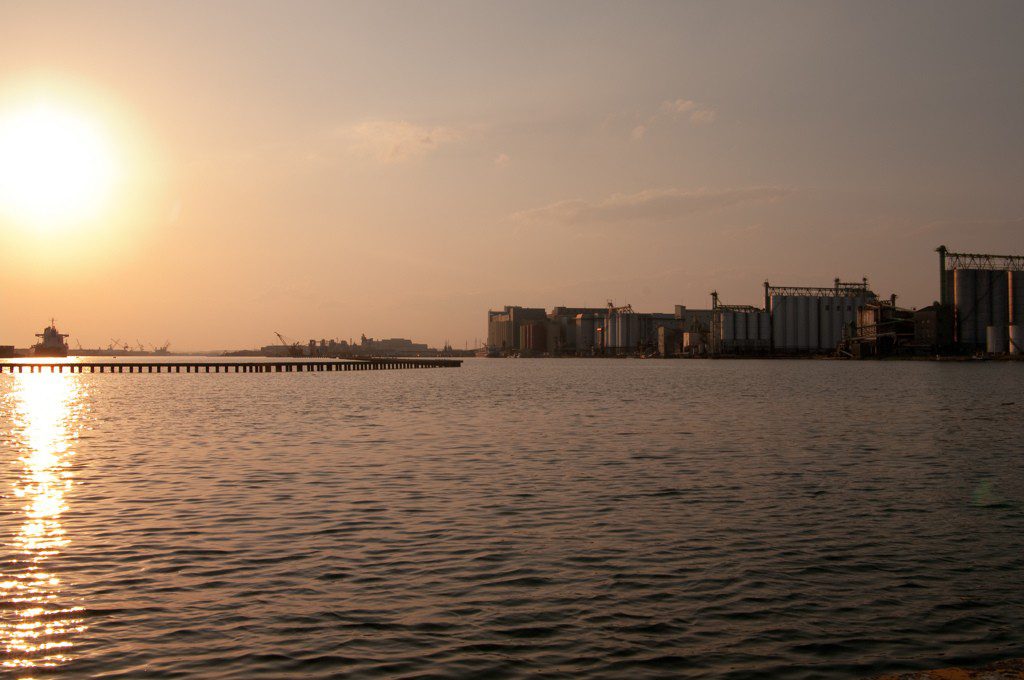
Ishinomaki Port is a key regional port in Miyagi Prefecture, Japan, designated as a “Major Port” under the Port and Harbor Law (Law No. 218 of 1950). It is managed by the Ishinomaki Port Authority under the jurisdiction of the Ministry of Land, Infrastructure, Transport and Tourism (MLIT). The port serves as a hub for fisheries, cargo, and disaster relief operations.
2. Port Rules and Regulations
2.1 Legal Framework
– Governed by the Port and Harbor Law (Law No. 218 of 1950).
– Complies with the Maritime Traffic Safety Law (Law No. 151 of 1972).
– Adheres to the Ship Safety Law (Law No. 11 of 1933) and ISPS Code (Japan’s implementation through the Port Facility Security Law).
2.2 Navigation and Entry Requirements
– Mandatory prior notice of arrival (72 hours for foreign vessels) via the Japan Coast Guard’s electronic reporting system (ENOA).
– Vessels exceeding 200 GT must submit a Port Entry Application to the Ishinomaki Port Authority.
– Pilotage is compulsory for vessels over 10,000 GT or those carrying hazardous materials (per MLIT Ordinance No. 28 of 2005).
2.3 Berthing and Mooring
– All vessels must obtain berthing permission from the Port Authority.
– Mooring plans must be approved for vessels with LOA > 100m or draft > 9m.
– Designated anchorage areas must be strictly observed (refer to MLIT Notice No. 497 of 2018).
3. Compliance and Enforcement
3.1 Regulatory Authorities
– Primary enforcement by the Ishinomaki Coast Guard Office (under Japan Coast Guard).
– Port Authority conducts routine inspections for ISPS compliance and cargo handling safety.
3.2 Safety Inspections
– Annual inspections for domestic vessels (Ship Safety Law Article 12).
– Port State Control inspections for foreign vessels (Tokyo MOU criteria).
– Special inspections for vessels carrying dangerous goods (IMDG Code compliance).
3.3 Penalties
– Fines up to ¥500,000 for unauthorized entry (Port and Harbor Law Article 56).
– Suspension of port entry privileges for repeated violations.
– Criminal prosecution for severe safety violations (Maritime Traffic Safety Law Article 25).
4. Crew Safety Provisions
– Mandatory lifeboat drills every 14 days (SOLAS Regulation III/19).
– Port-side emergency medical support available through Ishinomaki Red Cross Hospital.
– Toxic gas detectors required for bulk carriers (Japan Bulk Carriers Association Guidelines).
5. Environmental Regulations
– Strict prohibition of oil discharge (MARPOL Annex I, enforced by Japan’s Law for Prevention of Marine Pollution).
– Waste disposal must use licensed port reception facilities (Port and Harbor Law Article 37-3).
– Ballast water management requirements (Japan’s Invasive Alien Species Act).
6. Operational References
– Tide tables published annually by the Japan Coast Guard Hydrographic Department.
– Port charts: JCG Chart No. 1119 (scale 1:20,000).
– VHF Channel 16 for emergency communications, Channel 12 for port operations.
8. Cargo Handling Regulations
– Hazardous materials must comply with IMDG Code and Japan’s Fire Service Act.
– Prior notification required for explosives (Class 1) and radioactive materials (Class 7) 48 hours before loading/unloading.
– Grain carriers must submit dust control plans (Japan Agricultural Standards Law).
9. Vessel Traffic Services (VTS)
– Mandatory AIS transmission within port limits (Japan Coast Guard Ordinance No. 21 of 2003).
– Speed limit: 8 knots in inner harbor, 12 knots in approach channels.
– VTS contact: Channel 14 (24/7 monitoring by Ishinomaki Coast Guard).
10. Emergency Procedures
– Oil spill response: Immediate reporting to Japan Coast Guard (TEL: 118) and port authority.
– Firefighting: Port-maintained foam stations at all oil terminals (NFPA 11 compliance).
– Tsunami evacuation: Vessels must depart within 15 minutes of JMA Warning (Port Disaster Prevention Plan).
11. Port Facilities Specifications
– Maximum draft: 12.5m at South Pier (tide-dependent).
– Crane capacity: 2 x 50-ton gantry cranes at Container Terminal.
– Bunkering: Available at No.3 Wharf (ISO 8217 compliant fuel).
12. Crew Welfare Requirements
– Shore leave permitted with valid seafarer’s ID (ISPS compliant areas only).
– Mandatory rest hours monitoring per MLC 2006 (Japan Maritime Bureau enforcement).
– Prohibition of waste disposal from vessels within 3 nautical miles of port (MARPOL Annex V).
13. Weather Restrictions
– Port closure when sustained winds exceed 25m/s (Beaufort Scale 10).
– Typhoon precautions: Mandatory double mooring for all vessels when Signal No.8 issued.
– Ice navigation: Tug escort required when sea temperature drops below -5°C (Northern Japan Winter Navigation Rules).
14. Customs and Immigration
– 24-hour advance crew list submission via e-Gov system.
– Prohibited items: Strict enforcement of Japan’s Customs Law (e.g., certain medications, firearms).
– Quarantine: Health declarations required for vessels from pest-affected regions (Plant Protection Act).
15. Port Dues and Charges
– Calculated per GT for vessels (Ishinomaki Port Tariff No.3-2021).
– Discounts available for eco-friendly ships (Green Award certification).
– Anchorage fees: ¥15,000/day for vessels > 5,000 GT (revised 2023).
16. Local Navigational Hazards
– Strong currents near Oshika Peninsula (max 4 knots during spring tides).
– Fishing gear concentrations in approach channels (April-October).
– Submerged debris from 2011 tsunami in eastern anchorage (marked on JCG charts).
17. Prohibited Operations
– Unauthorized ship-to-ship transfers (Anti-Piracy Law Article 5).
– Nighttime bunkering without Port Authority approval.
– Use of open flames on decks during cargo operations.
18. Ship Repair and Maintenance Regulations
– Hot work permits required for all welding/gas cutting (Japan Industrial Safety and Health Act).
– Dry docking facilities available for vessels up to 20,000 DWT (advance booking mandatory).
– Anti-fouling paint application prohibited within port limits (Japan’s Chemical Substances Control Law).
19. Dangerous Goods Storage
– Class 3-6 hazardous materials limited to 72-hour storage at designated zones.
– Explosives (Class 1) require Coast Guard-approved containers and 500m safety perimeter.
– Temperature-controlled storage available for Class 4.1 materials (monitored 24/7).
20. Tug Services Requirements
– Compulsory for vessels > 150m LOA or > 30,000 GT (Ishinomaki Port Ordinance Article 12-3).
– Minimum 2 tugs required for VLCC operations (bollard pull ≥ 60 tons each).
– Tug assistance mandatory during winter months (November-March) regardless of vessel size.
21. Port Security Measures
– ISPS Level 1: 24/7 armed patrols at restricted areas.
– Mandatory gangway watches for all berthed vessels (minimum 2 crew members).
– Drone operations prohibited within 1km of port facilities (Civil Aeronautics Act enforcement).
22. Fishing Vessel Coordination
– Commercial fishing vessels must yield right-of-way to merchant ships in main channels.
– Seasonal restrictions: Trawling prohibited within 0.5nm of port entrance during peak cargo periods.
– Night navigation lights must comply with COLREGs (special enforcement by JCG).
23. Ice Navigation Provisions
– Icebreaker assistance available from Miyagi Prefecture Icebreaking Unit (48-hour notice).
– Mandatory hull inspections after ice navigation (ClassNK guidelines).
– Special mooring heaters provided at designated berths (-10°C capability).
24. Port Health Services
– Mandatory vaccination checks for crews from yellow fever endemic countries.
– 24-hour medical waste disposal at Pier 7 (WHO standards).
– Quarantine anchorage located at 38°25’N 141°18’E (fully equipped with telemedicine).
25. Electronic Reporting Systems
– e-Notice of Arrival integrated with Japan Single Window system.
– Digital cargo manifests required 24h pre-arrival (Customs Law Article 67-2).
– Real-time ETA updates via JP-MARINE system (mandatory for vessels > 500 GT).
26. Special Cargo Handling
– Oversized cargo movements restricted to daylight hours only.
– Helicopter operations require 72h notice and safety zone clearance.
– Livestock carriers must use designated quarantine berths (Animal Quarantine Service supervision).
27. Night Navigation Rules
– Additional pilot required for night entry/exit (2200-0500).
– Minimum under-keel clearance increased by 20% during darkness.
– Workboat escort mandatory for night channel transits > 200m LOA.
28. Port-Specific COVID Measures
– Crew change permitted only at designated terminal (negative PCR test within 72h).
– Contactless provisioning available through approved vendors.
– Waste from infected vessels incinerated at special facility (MHLW Protocol).
29. Salvage and Wreck Removal
– Mandatory salvage bond equal to 150% of estimated removal cost.
– Japan Coast Guard coordinates all wreck marking operations.
– Strict liability for environmental damage (Civil Code Articles 709-719).
30. Naval Vessel Protocols
– Prior diplomatic clearance required for foreign warships (30-day notice).
– Weapons discharge strictly prohibited within port limits.
– Special berthing arrangements at North Military Terminal only.
31. Ballast Water Management
– Mandatory ballast water exchange 200nm from nearest land (Japan’s amended Marine Pollution Prevention Law)
– Port-approved treatment systems required for vessels built after 2017 (IMO D-2 standard)
– Sampling and analysis conducted randomly by Japan Coast Guard inspectors
32. Port Lighting Requirements
– All berths equipped with minimum 200 lux illumination for night operations
– Vessels must display proper deck lighting during cargo operations (ISM Code 8.2)
– Navigation aids maintained to IALA Category 1 standards
33. Bunkering Operations
– Double-hulled bunker barges only (Oil Pollution Preparedness Regulation Article 22)
– Continuous VOC monitoring required during fuel transfer
– Emergency shutdown systems tested quarterly (OCIMF guidelines)
34. Diving Operations
– Commercial diving requires 72-hour notice to Port Authority
– Safety zone of 50m radius must be established
– Decompression chamber available at Port Medical Center
35. Port Noise Regulations
– Nighttime (2200-0600) noise limited to 65dB at property line
– Ship’s whistles prohibited except emergency signals
– Special permission required for pile driving operations
36. Waste Management
– Segregated waste reception facilities at all main berths
– Plastic waste tracking system mandatory (Plastic Resource Circulation Act)
– Incineration ash must be landfilled at designated facilities
37. Port Entry Restrictions
– Vessels with hull damage exceeding 300mm prohibited
– Ships with overdue class certificates denied entry
– Minimum 1m under-keel clearance enforced at all times
38. Dangerous Weather Protocols
– Typhoon warning stage 3: All gantry cranes secured
– Snow accumulation >30cm: Suspension of bulk operations
– Tsunami warning: Immediate evacuation to 50m depth contour
39. Crew Training Requirements
– Port-specific orientation for all deck officers
– Annual oil spill response training for tanker crews
– Mandatory cold weather survival training November-March
40. Port Infrastructure Limits
– Maximum air draft: 55m at high tide
– Road bridge clearance: 42m (Miyagi Prefecture Ordinance 15-3)
– Pipeline crossing zones marked with yellow buoys
41. Anchorage Regulations
– Maximum 72-hour stay without Port Authority extension
– Anchors must be cleared with 3m seabed clearance
– Prohibited in cable and pipeline protection zones
42. Ship Chandler Services
– Licensed providers only (Port Commerce Bureau approved)
– Delivery vehicles subject to security screening
– Cash transactions limited to ¥200,000 maximum
43. Port Communication Systems
– Digital Selective Calling (DSC) monitoring on VHF Ch.70
– Backup HF radio station at Port Operations Center
– Japanese/English interpreters available 24/7
44. Historical Wreck Protection
– No anchoring within 500m of designated heritage sites
– Magnetometer surveys required for dredging projects
– Artifact reporting mandatory under Cultural Properties Law
45. Port Emergency Contacts
– Maritime SAR: Japan Coast Guard Ishinomaki Office
– Medical Emergency: Ishinomaki Municipal Hospital
– Pollution Response: MLIT Regional Office
46. Vessel Speed and Maneuvering
– No-wake speed (≤5 knots) within 500m of fishing zones
– Bow thruster use prohibited within 200m of moored vessels
– Tug-assisted turns mandatory at sharp bends in channel
47. Port Fire Safety Standards
– Fire patrols every 30 minutes during hazardous cargo ops
– Minimum 2 fire pumps operational while berthed
– Quarterly fire drill certification required for tankers
48. Navigation in Poor Visibility
– Compulsory pilotage when visibility <1 nautical mile
– Radar-assisted traffic control activated during fog
– VHF position reporting every 15 minutes in restricted visibility
49. Port Labor Regulations
– Stevedores certified under Japan Port Transport Association
– Minimum 15-minute rest period every 2 working hours
– Night shift surcharge of 25% applies 2200-0600
50. Special Area Protection
– No anchoring in marine protected areas (Sanriku Coast)
– Ballast discharge prohibited in aquaculture zones
– Speed limits near sea turtle nesting beaches May-September
51. Vessel Dimension Limits
– Maximum LOA: 280m (South Terminal only)
– Maximum beam: 48m (restricted to certain berths)
– Air draft restriction: 52m at mean high water spring
52. Port Utility Services
– Shore power available at 4 berths (6.6kV/60Hz)
– Potable water supply meets WHO standards
– High-capacity sewage reception at North Terminal
53. Dangerous Liquid Transfers
– Double valve isolation required for chemical transfers
– Bonding cables mandatory for all hydrocarbon ops
– Continuous gas monitoring during LPG operations
54. Winter Navigation Aids
– Heated fairleads provided at designated berths
– Ice accumulation reporting to Port Control every 4 hours
– Special winter navigation marks (blue retroreflectors)
55. Port Surveillance Systems
– 24/7 CCTV coverage with 30-day data retention
– Thermal imaging cameras at security checkpoints
– AIS tracking of all vessels within 5nm radius
56. Shipboard Equipment Checks
– Anchors tested annually under surveyor supervision
– Mooring lines inspected every 6 months
– Emergency generator fuel for 18-hour operation
57. Port Entry Documentation
– Original crew certificates available for inspection
– Up-to-date P&I insurance certificate required
– Last port clearance certificate mandatory
58. Marine Wildlife Protection
– Speed reduction zones during whale migration seasons
– Prohibited to discharge food waste within 12nm
– Special procedures for disentangling marine mammals
59. Port Meteorological Services
– Real-time weather data displays at all berths
– Tsunami warning sirens tested monthly
– Ice accretion forecasts provided November-March
60. Security Drills and Exercises
– Quarterly ISPS security drills mandatory
– Annual full-scale anti-terrorism exercise
– Random security spot checks by JCG K9 units