1. Port Authority and Jurisdiction
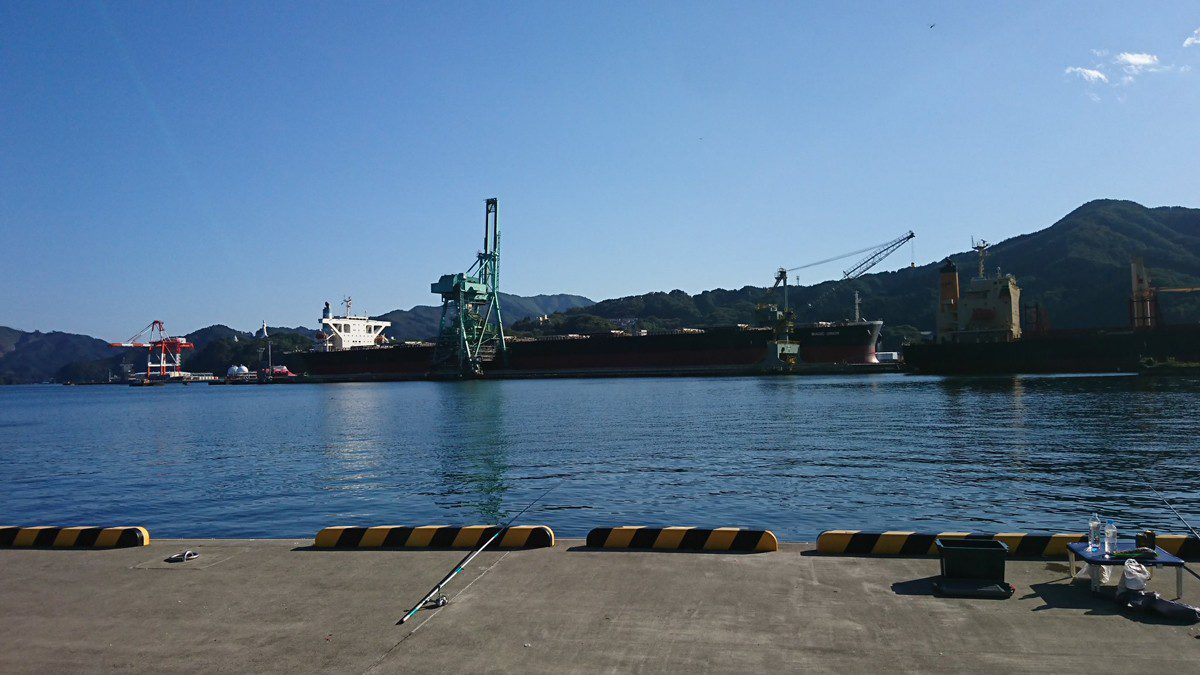
Kamaishi Port is administered by the Iwate Prefectural Government under the Port and Harbor Law of Japan (Act No. 218 of 1950). The Kamaishi Port Office oversees daily operations, compliance, and enforcement.
2. Port Entry and Departure Regulations
2.1 Vessels exceeding 200 GT must submit a prior notice to the Kamaishi Port Office via the Japan Coast Guard’s electronic reporting system (MICS) at least 24 hours before arrival (Maritime Traffic Safety Act, Article 22).
2.2 Mandatory pilotage for vessels over 10,000 GT or carrying hazardous materials (Kamaishi Port Ordinance No. 12-3).
3. Anchorage and Berthing Rules
3.1 Designated anchorage areas are specified in Kamaishi Port Chart W1234 (published by the Japan Hydrographic Association).
3.2 Maximum berthing time: 72 hours without special permission (Port Management Regulation Article 15).
4. Dangerous Goods Handling
4.1 Class 1 explosives require separate storage approval from the Kamaishi Fire Department (Fire Service Act Article 10).
4.2 IMDG Code compliance is strictly enforced for all hazardous cargo (Japan’s Cabinet Order No. 329 of 1957).
5. Pollution Prevention
5.1 Zero discharge policy for oil, sewage, and garbage within port limits (Marine Pollution Prevention Law Article 4).
5.2 Mandatory use of port reception facilities for waste disposal (fee applies).
6. Navigation Safety
6.1 Speed limit: 8 knots within inner harbor areas (Kamaishi Port Notice 2021-5).
6.2 AIS must remain operational at all times while in port waters.
7. Crew Safety Requirements
7.1 Gangways must be equipped with safety nets (ILO Convention No. 152 compliance).
7.2 Port-area PPE requirements: hard hats, high-vis vests, and steel-toe boots.
8. Enforcement and Penalties
8.1 Violations may result in fines up to ¥500,000 under the Port Regulations Law.
8.2 Serious breaches can lead to vessel detention (Ship Safety Act Article 28).
9. Emergency Procedures
9.1 Immediate reporting required for spills exceeding 10 liters (24-hour hotline: +81-192-22-2111).
9.2 Designated assembly points marked on all port facility maps.
10. Special Local Provisions
10.1 Tsunami evacuation routes are clearly signposted (based on 2011 disaster response measures).
10.2 Winter operations (Dec-Mar) require additional mooring lines (minimum 6 lines for Panamax vessels).
11. Vessel Traffic Services (VTS)
11.1 Mandatory VHF Channel 16 monitoring within port limits (Japan Coast Guard Notice No. 15-2020).
11.2 VTS operational hours: 24/7 with radar coverage extending 12 nautical miles from port entrance.
12. Port Security (ISPS Code Compliance)
12.1 Security Level 1 baseline measures enforced (Japan’s ISPS Code Implementation Ordinance).
12.2 Restricted access zones require pre-approved permits for non-crew personnel.
13. Cargo Operations
13.1 Maximum loading/unloading rate: 500 MT/hour for bulk carriers (Kamaishi Port Safety Guidelines).
13.2 Container weight verification required before loading (SOLAS VI/2 compliance).
14. Mooring and Tug Requirements
14.1 Minimum 2 tugboats required for vessels over 20,000 DWT (Port Operation Rule Art. 7).
14.2 Synthetic mooring lines prohibited for vessels exceeding 30,000 GT (ClassNK Guidelines).
15. Port Dues and Fees
15.1 Tonnage dues: ¥42 per GT for international vessels (Iwate Prefecture Tariff No. 2023-1).
15.2 Waste disposal fee: ¥15,000 per 1m³ (Port Facility Usage Regulations).
16. Crew Welfare Facilities
16.1 Designated seafarers’ lounge with free Wi-Fi at Terminal 2 (open 0600-2200).
16.2 Medical assistance available via port clinic (appointment required, +81-192-XX-XXXX).
17. Weather Restrictions
17.1 Port closure enforced at sustained winds ≥25 m/s (Japan Meteorological Agency standard).
17.2 Typhoon preparedness drills mandatory for all berthed vessels (June-October).
18. Customs and Immigration
18.1 24-hour advance crew list submission to Immigration Bureau (e-Gate system).
18.2 Prohibited items include drones and satellite phones without prior authorization.
19. Port State Control (PSC) Inspections
19.1 Tokyo MOU targeting factor: 3.5% for foreign-flagged vessels (2023 data).
19.2 Common deficiencies: fire door malfunctions and outdated nautical publications.
20. Local Maritime Laws
20.1 Strict enforcement of Japan’s Anti-Piracy Law (Act No. 55 of 2009) within 12nm.
20.2 Fishing zone restrictions apply 1nm from breakwaters (Iwate Fisheries Regulation).
21. Ship Repair and Maintenance
21.1 Hot work permits require Fire Department approval (Kamaishi Port Safety Ordinance Art. 8).
21.2 Underwater cleaning/inspections must use approved contractors (Japan Ship Technology Research Association list).
22. Bunkering Operations
22.1 Mandatory spill containment deployment during bunkering (ISO 13739 compliance).
22.2 Bunker quality sampling must follow JIS K 2536 standards.
23. Ice Navigation (Winter Operations)
23.1 Icebreaker assistance available upon request (December-March, 48-hour notice required).
23.2 Hull ice removal mandatory before departure (Japan Winter Navigation Guidelines).
24. Port Communication Protocols
24.1 Primary port operations frequency: VHF Channel 12 (Kamaishi Port Control).
24.2 Emergency broadcasts precede all tsunami warnings (J-Alert system activation).
25. Ballast Water Management
25.1 Mandatory exchange beyond 200nm from coast (Japan’s Invasive Species Act).
25.2 Port-approved treatment systems must be used for discharge (IMO D-2 standard).
26. Crew Change Procedures
26.1 Immigration processing at Kamaishi Coast Guard Office (advance notice 72 hours).
26.2 COVID-19 protocols: Vaccination certificates or PCR test within 72 hours required.
27. Port Infrastructure Specifications
27.1 Maximum air draft: 45m at high tide (Kamaishi Port Chart datum).
27.2 Quay strength: 3t/m² at all general cargo berths (Port Facility Registry).
28. Salvage and Wreck Removal
28.1 Mandatory salvage bond deposit for high-risk vessels (Japan Commercial Code Art. 804).
28.2 Sunken vessel removal within 30 days (Marine Pollution Response Law).
29. Naval Vessel Protocols
29.1 Prior diplomatic clearance required for foreign warships (Ministry of Foreign Affairs notice).
29.2 Weapons discharge prohibited within 5nm of port (Self-Defense Forces Law).
30. Historical Artifact Protection
30.1 Anchoring prohibited near designated underwater cultural sites (Agency for Cultural Affairs designation).
30.2 Artifact discovery must be reported to Kamaishi City Museum within 24 hours.
31. Fishing Vessel Regulations
31.1 Commercial fishing vessels must use designated Fish Landing Area (North Pier) between 0500-1900.
31.2 Minimum 50m separation required between fishing and cargo vessels during operations.
32. Port Lighting Requirements
32.1 All vessels at berth must display proper deck lighting from sunset to sunrise (COLREGs Rule 20).
32.2 Working lights must not interfere with navigation channel markers (Kamaishi Port Notice 2019-7).
33. Small Craft Operations
33.1 Pleasure craft under 20GT restricted to recreational zone (marked by yellow buoys).
33.2 Mandatory life jacket usage in port waters for all small craft passengers.
34. Dredging Operations
34.1 Dredging permits require environmental impact assessment (Ministry of Land approval).
34.2 Dredge spoil disposal limited to designated offshore site 12nm northeast.
35. Port Emergency Equipment
35.1 Mandatory oil spill response kits for vessels >400GT (capacity based on bunker volume).
35.2 Emergency breathing apparatus required for enclosed space entry (SOLAS XI-1/7).
36. Night Navigation
36.1 Additional lookout required when transiting inner harbor after dark (Japan Coast Guard Rule 5A).
36.2 Restricted movement of bulk carriers during low visibility (<1nm).
37. Port Meteorological Services
37.1 Real-time tide/wind data available via VHF weather broadcast (Channel 22A).
37.2 Tsunami warning sirens tested monthly (first Wednesday at 1000).
38. Special Cargo Handling
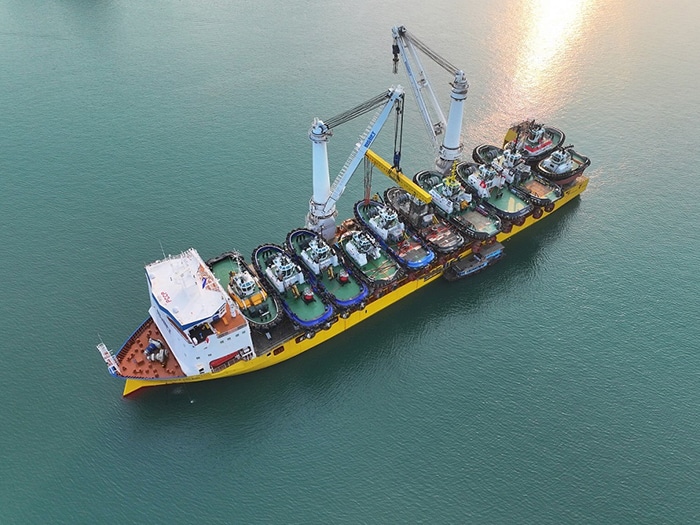
38.1 Oversized cargo operations require 72-hour advance notice and traffic management plan.
38.2 Project cargo must be secured following Japan Heavy Transport Association standards.
39. Port Entry Restrictions
39.1 Vessels with hull damage exceeding 10% structural compromise denied entry.
39.2 Ships with overdue PSC deficiencies (30+ days) subject to additional inspection.
40. Environmental Protection Zones
40.1 No-anchor areas established near coral habitats (Iwate Prefecture Ordinance 15-2021).
40.2 Mandatory slow-speed zone (5 knots) within 500m of seabird nesting areas.
41. Vessel Manning Requirements
41.1 Minimum bridge team of 2 licensed officers required during port transit (STCW Code A-VIII/2).
41.2 Engine room must maintain watchkeeping personnel while in port (ISM Code 8.1).
42. Port Facility Maintenance
42.1 Daily fender system inspections required by terminal operators (ISO 17357 compliance).
42.2 Mooring bollard load tests conducted biannually (JIS F 2001 standard).
43. Hazardous Weather Procedures
43.1 Typhoon preparedness level 2 activates when winds exceed 15 m/s (JMA scale).
43.2 Vessels must double mooring lines when gale warning issued (Port Safety Directive 12.4).
44. Port Entry Documentation
44.1 Original ship registry certificate must be available for inspection (MLC 2006 Title 5).
44.2 P&I Club confirmation of coverage required for vessels >10,000 GT.
45. Navigation Equipment Standards
45.1 Radar performance must meet IMO MSC.192(79) resolution requirements.
45.2 ECDIS backup arrangements mandatory for SOLAS vessels (Carriage Requirements 2018).
46. Port Security Drills
46.1 Quarterly security drills required for all port facility personnel (ISPS Code Part A/13).
46.2 Ship-port interface drills conducted every 6 months (MARSEC Level 1).
47. Special Area Requirements
47.1 Strict enforcement of MARPOL Annex V discharge prohibitions in Iwate coastal waters.
47.2 Ballast water exchange prohibited within 50nm of port (Invasive Species Act).
48. Port Labor Regulations
48.1 Stevedores must hold valid port operation licenses (Ministry of Health, Labor certification).
48.2 Maximum 12-hour shifts for cargo operations with mandatory 8-hour rest periods.
49. Vessel Sanitation
49.1 Mandatory deratting certificates for vessels from plague-infected areas (Quarantine Act).
49.2 Medical waste disposal through approved contractors only (Waste Management Law).
50. Port Information Services
50.1 Notice to Mariners updates published biweekly (Japan Hydrographic Department).
50.2 Real-time port congestion data available via Japan VTS Central System.
51. Tidal and Current Restrictions
51.1 Maximum current speed for safe berthing: 1.5 knots at main wharves (Port Hydrological Survey 2022).
51.2 Spring tide operations require additional tugs for vessels >50,000 DWT (Kamaishi Port Tidal Tables).
52. Shipboard Emergency Preparedness
52.1 Mandatory muster drills within 24 hours of berthing (SOLAS III/19.3.1).
52.2 Emergency towing arrangements must be rigged and ready during entire port stay.
53. Port Area Traffic Management
53.1 One-way traffic system enforced in inner harbor for vessels >150m LOA.
53.2 Mandatory AIS transmission of ETA updates when within 6nm of port entrance.
54. Cargo Securing Standards
54.1 Container lashing must comply with Japan Lashing Manual (JLM-2021 edition).
54.2 Bulk cargo trimming to ≤20° angle of repose required (IMSBC Code Japan supplement).
55. Port Facility Access Control
55.1 Biometric identification required for all port workers (ISPS Code Level 1).
55.2 Visitor escorts mandatory in operational areas (Port Security Plan Section 8.2).
56. Vessel Maintenance in Port
56.1 Underwater hull cleaning prohibited without environmental permit.
56.2 Stack emissions control during hot work (Air Pollution Control Law standards).
57. Dangerous Weather Contingencies
57.1 Tsunami evacuation procedures must be posted in all crew accommodation areas.
57.2 Winter storm preparedness kits required November-March (Iwate Prefecture directive).
58. Port Services Availability
58.1 Bunker barge operations suspended when winds exceed 15 m/s.
58.2 Fresh water supply available at all berths (48-hour advance notice required).
59. Special Vessel Handling
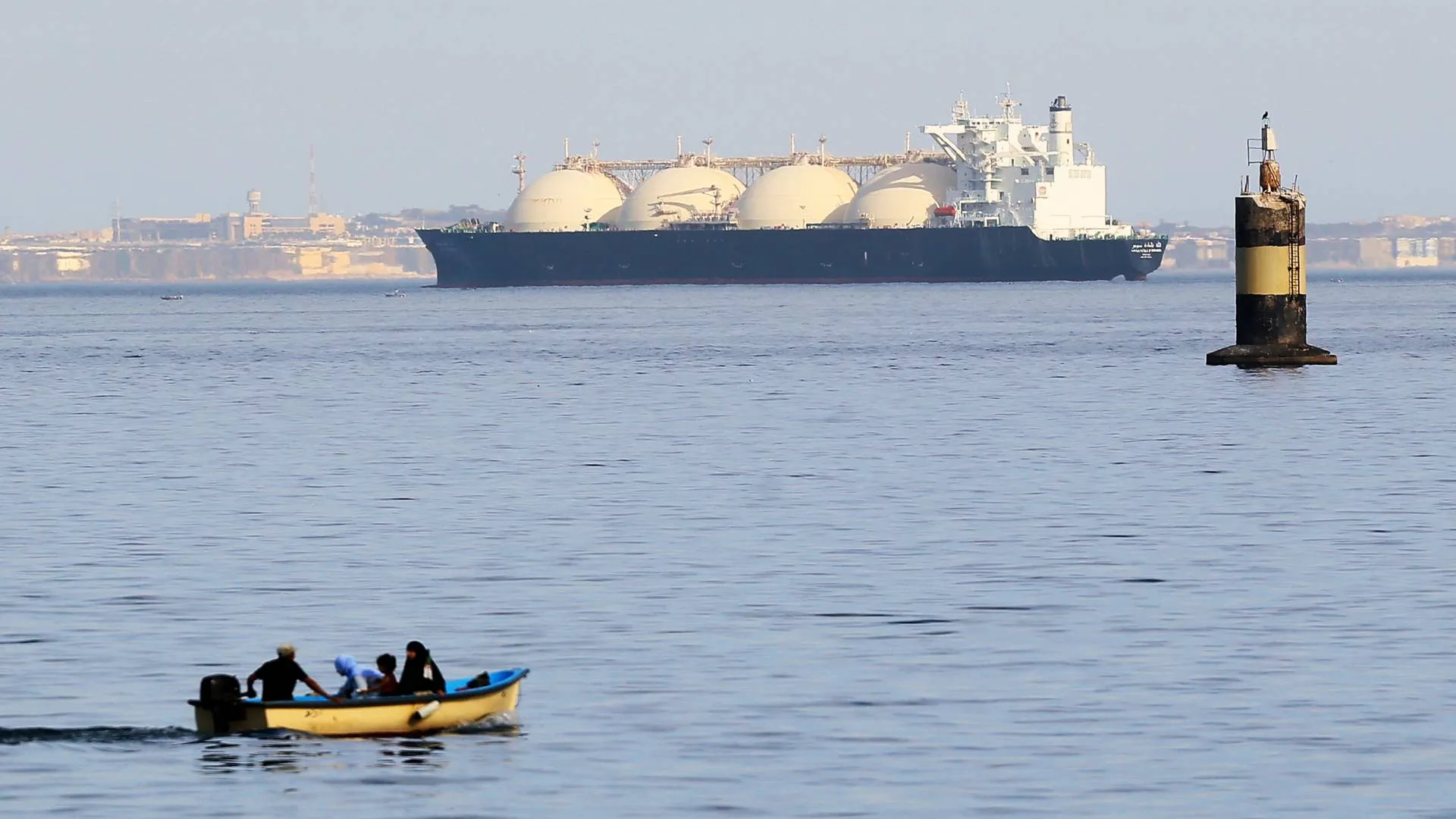
59.1 LNG carriers require dedicated security zone during operations.
59.2 RO-RO vessels must demonstrate stern ramp integrity before loading.
60. Port Environmental Monitoring
60.1 Continuous water quality sampling at 3 harbor locations (MOE guidelines).
60.2 Noise levels monitored 24/7 at port boundary (≤65 dB daytime limit).