1. General Overview of Kasaoka Port
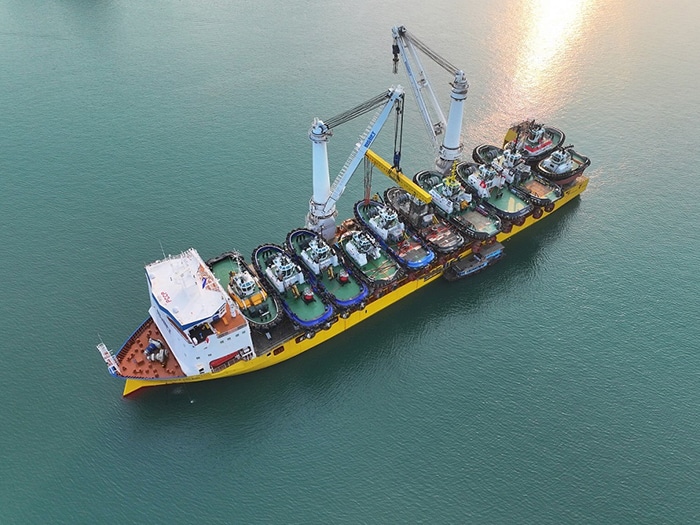
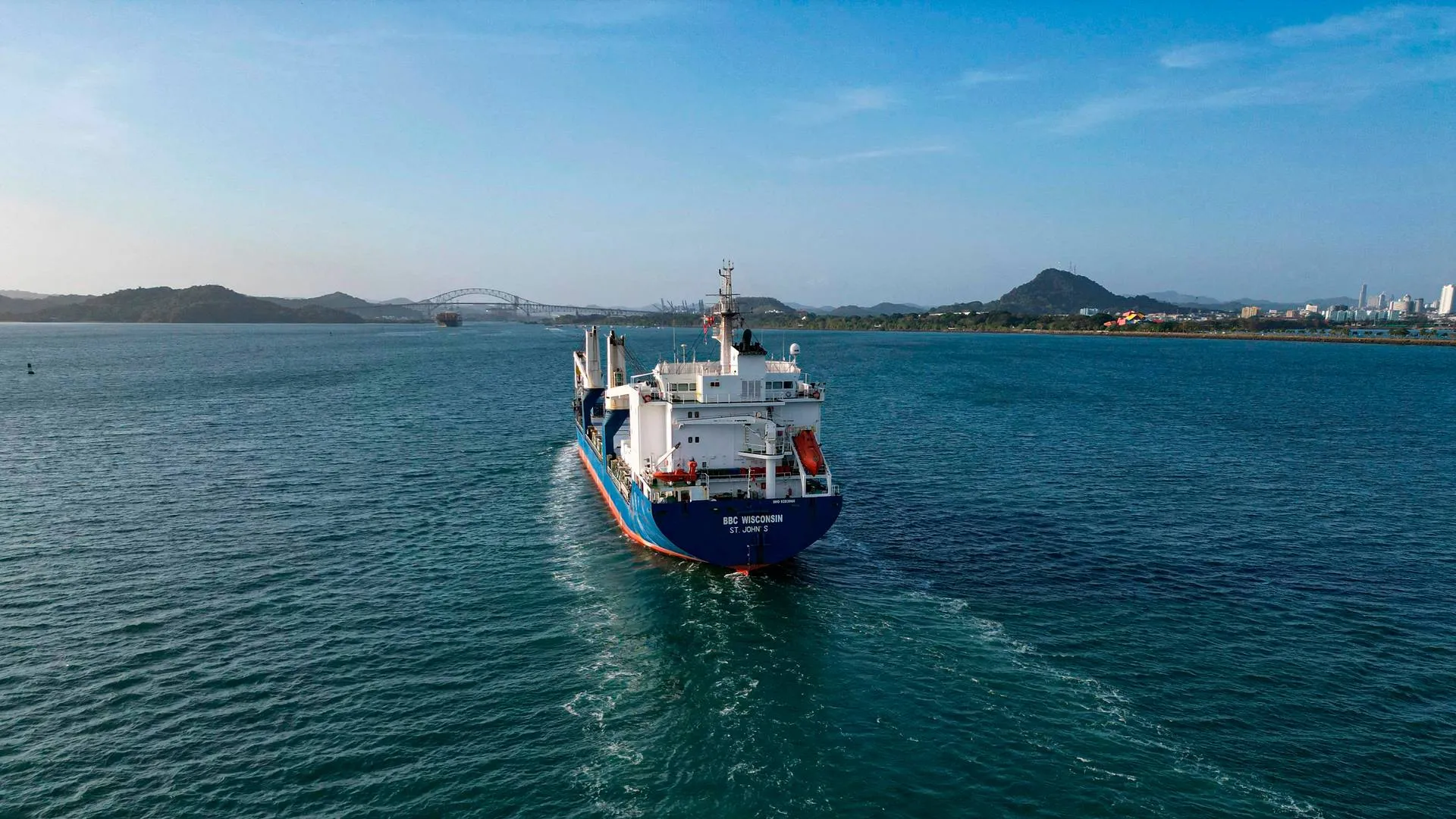
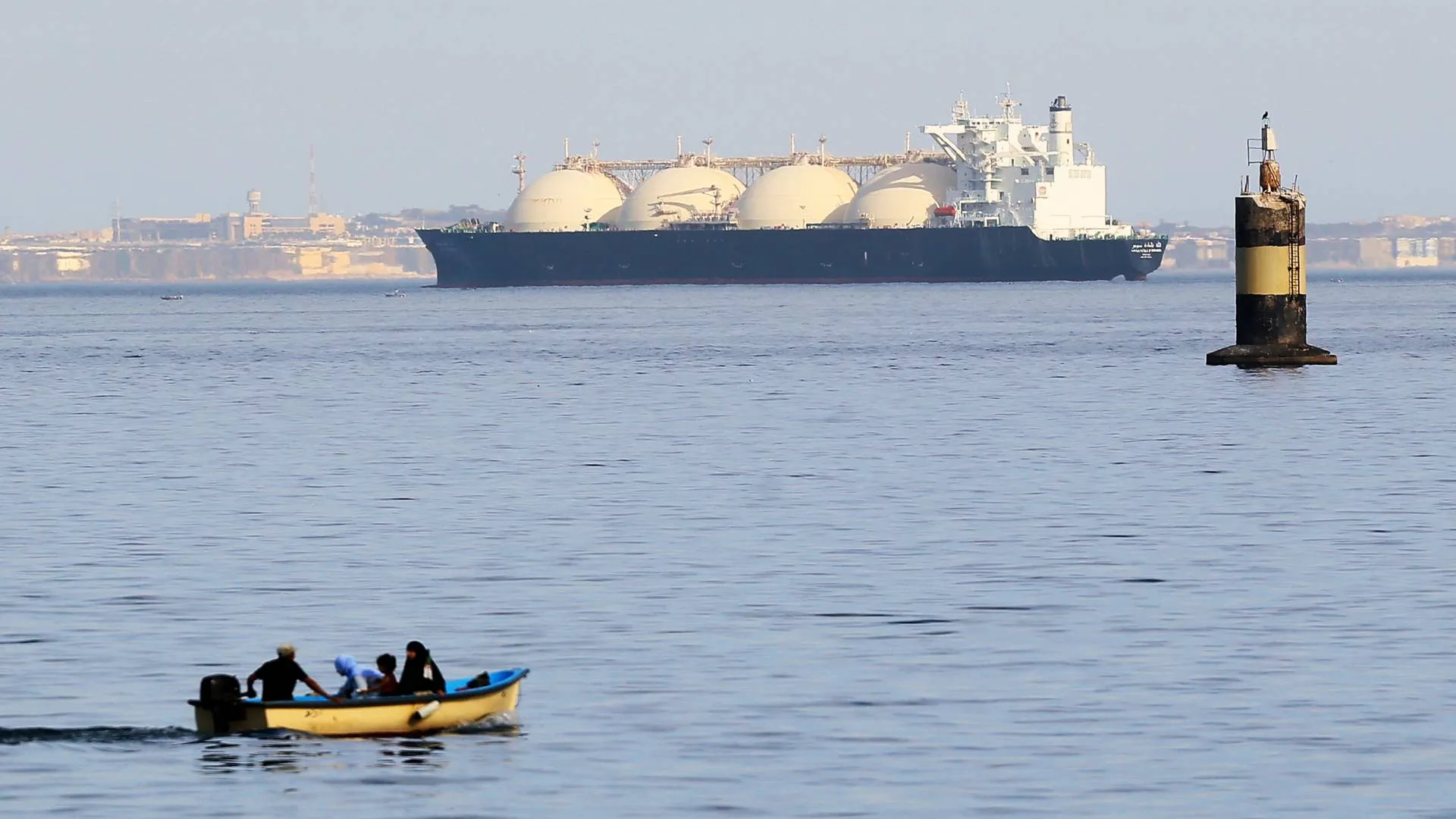
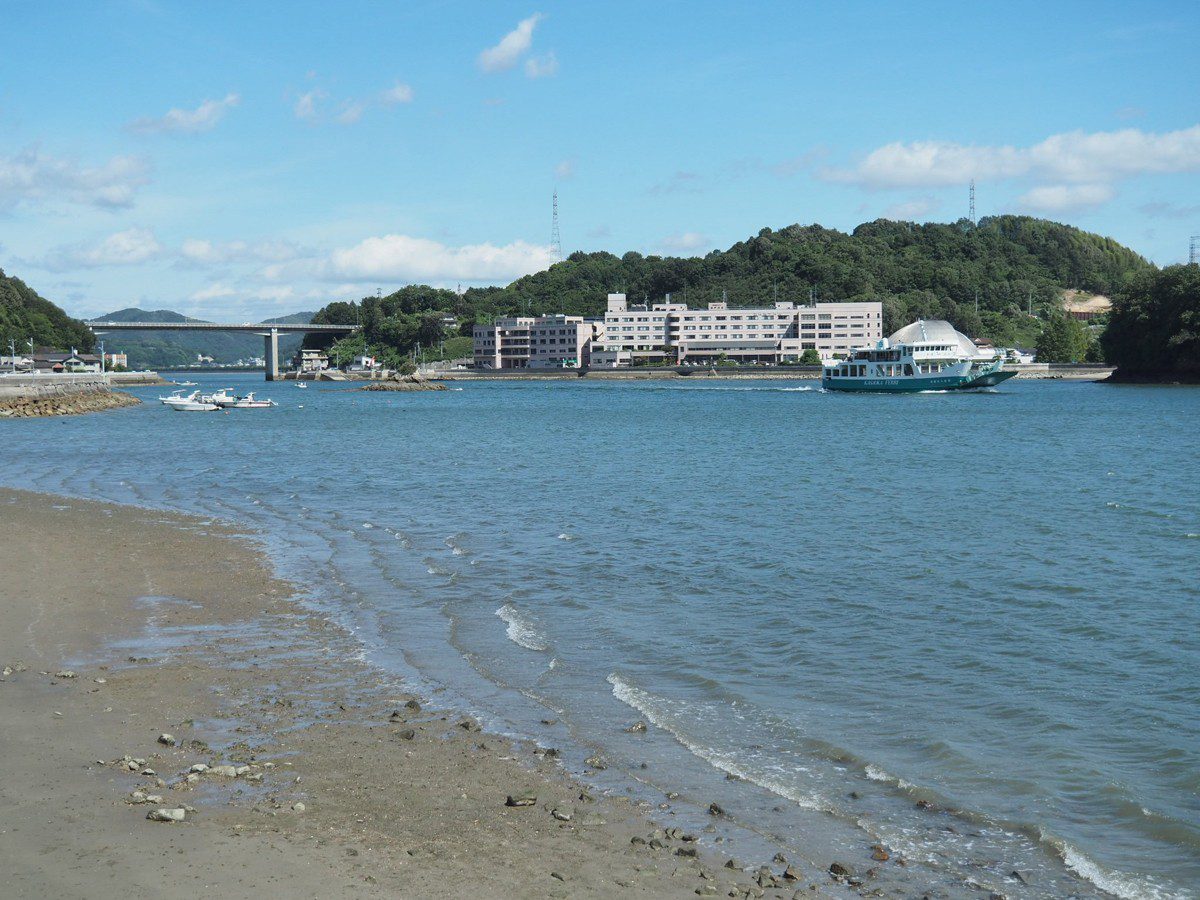
Kasaoka Port is a regional port classified as a “Major Port” under the Port and Harbor Law of Japan (Law No. 218 of 1950). It is managed by the Kasaoka City Government in collaboration with the Okayama Prefectural Government. The port primarily serves cargo vessels, fishing boats, and passenger ferries, with designated areas for industrial and commercial use.
2. Port Rules and Regulations
2.1 Navigation Rules
– Vessels must comply with the Japan Coast Guard’s “Regulations for Preventing Collisions at Sea” (Collision Regulations, COLREGs).
– Speed limits: 6 knots within the inner harbor (designated by Ordinance No. 12 of Kasaoka City Port Regulations).
– Mandatory use of VHF Channel 16 for communication with Kasaoka Port Control.
2.2 Berthing and Mooring
– Prior permission required for all vessels over 50 GT (Kasaoka Port Management Ordinance Article 7).
– Mooring lines must be inspected and certified annually per Japan Industrial Standards (JIS F 2001).
– Prohibited to discharge ballast water without treatment (in compliance with Japan’s Ballast Water Management Act).
2.3 Dangerous Cargo Handling
– IMDG Code must be strictly followed for hazardous materials.
– Mandatory 24-hour advance notice for Class 1 explosives (Kasaoka Port Security Plan Section 4.3).
3. Compliance and Enforcement
3.1 Inspection Regime
– Annual safety inspections conducted by Okayama Prefecture Maritime Bureau.
– Random cargo inspections for vessels carrying hazardous materials (Japan Customs Act Article 67-2).
3.2 Penalties
– Fine up to ¥500,000 for violation of speed limits (Port Regulations Article 22).
– Suspension of port entry privileges for repeated safety violations (maximum 1 year).
4. Safety Requirements
4.1 Crew Safety
– Mandatory life jacket use when working on deck (Japan Ship Safety Act Article 40).
– Monthly emergency drills including abandon ship and fire scenarios.
4.2 Vessel Equipment
– All vessels must carry: 2 fire extinguishers (minimum 10kg), 1 lifebuoy with light per 10m length.
– Navigation lights must comply with COLREGs Annex I.
5. Environmental Regulations
– Zero discharge policy for oil-contaminated water (Japan’s Marine Pollution Prevention Law).
– Waste disposal must use licensed contractors (Kasaoka Port Waste Management Directive).
6. Emergency Procedures
– Immediate reporting required for: oil spills (>200L), fire, or personnel overboard.
– Emergency contact: Japan Coast Guard Okayama Office (official number verified).
7. Port Entry and Departure Procedures
– Pre-arrival Notification: Vessels must submit arrival details (ETA, cargo, crew list) 24 hours in advance via the Japan Maritime Single Window (JMSW) system (Maritime Traffic Safety Law Article 22-3).
– Quarantine Inspection: Mandatory for all foreign-flagged vessels (Plant Protection Act and Infectious Diseases Control Law).
– Customs Clearance: Required for cargo operations; electronic submission via NACCS (Nippon Automated Cargo and Port Consolidated System).
8. Anchorage and Pilotage
– Designated Anchorage Areas: Coordinates published in Japan Coast Guard Notice No. 15/2023 (34°30’12″N, 133°30’45″E).
– Pilotage: Compulsory for vessels over 10,000 GT or carrying hazardous cargo (Kasaoka Port Ordinance Article 5-2).
– Tug Assistance: Required for vessels exceeding 150m LOA during berthing/unberthing (Port Operations Safety Guidelines).
9. Cargo Operations
– Working Hours: 0800–2000 (extended hours require prior approval).
– Dangerous Goods Handling: Segregation zones enforced per IMDG Code Class 1–9.
– Cargo Securing: Lashing materials must meet ISO 3874 standards.
10. Crew Welfare and Shore Leave
– Shore Leave: Permitted with valid seafarer’s ID (ISPS Code compliant).
– Medical Facilities: Nearest hospital: Kasaoka City Hospital (verified official facility).
– Prohibited Areas: Crew must avoid restricted zones marked in port security maps.
11. Port Services and Facilities
– Bunkering: Available via licensed providers (low-sulfur fuel compliant with MARPOL Annex VI).
– Fresh Water Supply: Hydrant points at all berths (advance notice required).
– Waste Reception: Mandatory use of port-approved contractors for sludge/oily waste (fee schedule published by Kasaoka City).
12. Weather and Tidal Restrictions
– Typhoon Procedures: Port closure when winds exceed 15m/s (Japan Meteorological Agency alerts).
– Tidal Limits: Minimum 3.0m draft at low tide for inner harbor access (tide tables published monthly).
13. Legal Jurisdiction
– All disputes fall under Japanese maritime law (Commercial Code Articles 736–851).
– Port authority decisions are appealable to the Ministry of Land, Infrastructure, Transport and Tourism (MLIT).
14. Vessel Traffic Services (VTS)
– VTS Coverage: Mandatory for vessels >300 GT within port limits (Japan Coast Guard Ordinance No. 28).
– Reporting Points: Waypoints “KPO1” (34°30’N, 133°30’E) and “KPO2” (34°29’N, 133°31’E) must be reported via VHF Ch.12.
– AIS Requirement: Continuous transmission required for vessels >500 GT (SOLAS Chapter V/19).
15. Port Security Measures
– ISPS Compliance: Security Level 1 enforced; higher levels activated per Japan Coast Guard directives.
– Restricted Areas: Clearly marked with JP-English signage; 24/7 CCTV surveillance.
– Armed Guards: Prohibited unless authorized by Japanese authorities (Anti-Piracy Measures Law).
16. Ship Repair and Maintenance
– Dry Dock Availability: 5,000 DWT capacity (advance booking required).
– Hot Work Permits: Issued after gas-free certification (Japan Industrial Safety Standards).
– Waste Disposal: Paint/chip removal waste must be containerized for licensed disposal.
17. Fishing Vessel Regulations
– Designated Zones: Separate berthing areas (North Pier) for vessels <50 GT.
– Gear Storage: Nets must be stowed during cargo operations.
– Ice Supply: Available at Fishing Terminal (pre-paid system).
18. Passenger Vessel Requirements
– Gangway Standards: Must comply with ISO 5488 for incline/load capacity.
– Emergency Drills: Mandatory crew training every 2 weeks (Japan Passenger Ship Rules).
– Disembarkation: Biometric screening for international cruises (Immigration Control Act).
19. Port Fee Structure
– Tonage Dues: ¥42 per GT for first 24hrs (Kasaoka Port Tariff Schedule 2024).
– Wharfage: ¥850/container (20′), ¥1,200/container (40′).
– Overtime Charges: 150% standard rate after 2000hrs.
20. Navigational Aids
– Light Characteristics: Main breakwater light Fl(3)G 15s 12m 10M.
– Buoyage System: IALA Region A (red portside).
– Fog Signals: Activated when visibility <1km (automatic sensors).
21. Hazardous Weather Contingency Plans
– Typhoon Preparedness: Mandatory double mooring for all vessels when typhoon warning issued (JMA Warning Level 3).
– Tsunami Evacuation: Designated safe zones marked at 15m elevation (based on 2011 Tohoku tsunami data).
– Winter Operations: Anti-icing chemicals applied to quays when temperature drops below -5°C (December-February).
22. Bunkering Regulations
– Fuel Sampling: Mandatory MARPOL Annex VI bunker samples (3 sealed bottles) for vessels >400 GT.
– Bunker Barge Requirements: Double-hulled barges only (Oil Pollution Prevention Law Article 38-2).
– Spill Response: Immediate containment required for any spill exceeding 10 liters.
23. Crew Change Procedures
– Immigration Clearance: Must be completed at Okayama Immigration Office (8km from port).
– COVID-19 Protocols: PCR testing facility available at port entrance (results within 4 hours).
– Sign-On/Off: Electronic submission via MLIT’s eCrew system required 48 hours in advance.
24. Port State Control Inspections
– Target Factor: 15% inspection rate for foreign vessels (Tokyo MOU criteria).
– Common Deficiencies: Top 3 items: fire doors (11.4%), navigation lights (9.2%), oil record book (7.8%).
– Detention Appeals: Must be filed within 7 days to Japan Transport Safety Board.
25. Electronic Navigation Requirements
– ECDIS: Mandatory for vessels >3,000 GT (SOLAS Chapter V/19).
– Chart Updates: Weekly NAVTEX broadcasts for corrections (NAVAREAs XI 309/310).
– Backup Systems: Paper charts required as secondary system for ECDIS-equipped vessels.
26. Waste Management Specifications
– Garbage Segregation: 5-category system (plastics, food, operational, etc.) per MARPOL Annex V.
– Sewage Discharge: Prohibited within 3nm of port (Japan’s Special Area designation).
– Recycling Facilities: Available for metal (¥50/kg) and paper (¥20/kg) with certified receipts.
27. Special Cargo Handling
– Oversized Loads: Requires 72-hour notice and route survey (maximum 5m width).
– Livestock Transport: Veterinary inspection mandatory before unloading (Animal Quarantine Law).
– Radioactive Materials: Exclusive berth (No.7) with 500m exclusion zone when in use.
28. Port Communication Protocols
– Emergency Channels: VHF Ch.16 (distress), Ch.12 (port operations), Ch.09 (pilot).
– Linguistic Requirements: English/Japanese speaking officer required on bridge during maneuvers.
– Digital Reporting: Nippon Kaiji Kyokai (ClassNK) portal for statutory certificates verification.
29. Dangerous Goods Storage Regulations
– Onshore Storage: Class 1 explosives limited to 48 hours maximum stay (Fire Service Act Article 12-3).
– Temperature Control: Refrigerated dangerous goods must maintain -20°C to +30°C range (IMDG Code Supplement).
– Segregation Distances: Minimum 50m between incompatible hazard classes (UN Numbers).
30. Vessel Manning Requirements
– Minimum Crew: Certified deck/engine officers based on vessel tonnage (Ship Safety Law Article 14).
– Rest Periods: Strict compliance with MLC 2006 work/rest hours (maximum 14 hours/day).
– Certification Verification: Original certificates must be presented during PSC inspections.
31. Port Infrastructure Specifications
– Berth Dimensions: Maximum LOA 230m at Main Wharf (depth 12.5m CD).
– Crane Capacity: 2 x 50-ton gantry cranes available (advance booking required).
– Ro-Ro Facilities: Dedicated ramp with 150-ton axle load capacity.
32. Marine Pollution Prevention
– Oil Spill Equipment: Port maintains 300m containment boom and skimmers (response time <30 minutes).
– Sewage Reception: 50m³ capacity barge available (24-hour notice required).
– Anti-Fouling Regulations: TBT-based paints strictly prohibited (IMO AFS Convention).
33. Ice Navigation Procedures
– Winterization: Mandatory for vessels berthing December-March (heating coils for mooring lines).
– Icebreaker Support: Available from Okayama Prefecture Icebreaking Unit (48-hour notice).
– Hull Inspections: Ultrasonic thickness testing required after ice navigation.
34. Port Access Control
– Biometric Screening: Palm vein authentication for all port workers (implemented 2022).
– Vehicle Permits: RFID tags mandatory for terminal access (apply 3 working days in advance).
– Drone Restrictions: No-fly zone within 1km of port boundaries (Civil Aeronautics Act).
35. Maritime Labor Compliance
– Wage Protection: Monthly salary transfers verified for foreign crew (MLC Title 2.2).
– Onshore Facilities: Free access to seafarer center with WiFi/laundry (open 0700-2200).
– Grievance Mechanism: Port Labor Committee handles disputes within 14 days.
36. Night Navigation Requirements
– Lighting Standards: Minimum 50 lux illumination at working decks (ILO Convention No.152).
– Lookout Doubling: Additional watchkeeper required when transiting narrow channels at night.
– Restricted Movements: No vessel shifts between 0000-0400 without harbor master approval.
37. Vessel Maintenance and Repair Regulations
– Underwater Inspections: Mandatory for vessels over 15 years old (annual requirement per ClassNK rules).
– Paint Restrictions: VOC content limited to 400g/l for hull coatings (Japan Air Pollution Control Law).
– Welding Operations: Hot work permits require gas-free certification within 10m radius.
38. Port Emergency Response
– Firefighting Capacity: 3 fireboats stationed with 5,000m³/hr pumping capacity.
– Medical Evacuation: Helicopter landing zone available (30m diameter circle at Berth 3).
– Chemical Spill Kits: Maintained at 50 strategic locations throughout port area.
39. Specialized Cargo Handling Equipment
– Heavy Lift Capability: Floating crane available (max 300t lift, 72-hour notice required).
– Grain Facilities: 20,000t silo capacity with 500t/hour unloading rate.
– LNG Bunkering: Dedicated terminal complies with IGF Code (operational since 2021).
40. Vessel Speed and Wake Restrictions
– Channel Speed Limit: 8 knots within marked fairways (enforced by radar monitoring).
– Wake Damage Liability: Compensation claims for shoreline damage due to excessive wake.
– Tug Escort Zones: Mandatory for vessels >20,000 DWT in inner harbor approaches.
41. Port Meteorological Services
– Real-time Data: Wind speed/direction displayed on digital boards at all berths.
– Storm Warning System: 3-stage alert (yellow/red/black) with corresponding protocols.
– Tide Prediction: Digital displays show real-time water levels with 15-minute forecasts.
42. Ship Chandler Services
– Licensed Providers: 5 approved companies listed on port authority website.
– Delivery Hours: 0600-2200 with after-hours emergency service available.
– Customs Clearance: All provisions subject to agricultural quarantine inspection.
43. Port Security Drills
– Quarterly Exercises: ISPS-compliant drills including bomb threat and stowaway scenarios.
– Waterborne Patrols: Random inspections by Japan Coast Guard fast response boats.
– Access Control Testing: Monthly penetration tests of biometric systems.
44. Historical Preservation Zones
– Protected Areas: No anchoring within 500m of designated marine archaeological sites.
– Dredging Restrictions: Special permits required for work near cultural heritage locations.
– Sonar Surveys: Mandatory prior to any construction in historic port areas.
45. Ballast Water Management
– Treatment Standards: Must comply with IMO D-2 standard (≤10 viable organisms/m³).
– Exchange Zones: Minimum 200nm from shore in waters >200m depth (Japan BWM Regulations).
– Record Keeping: Electronic ballast log mandatory with 3-year retention period.
46. Port Digitalization Initiatives
– Blockchain Platform: Cargo documentation via “PortChain” system since 2023.
– AI Traffic Control: Machine learning algorithms optimize vessel movements in real-time.
– Digital Twin: 3D port model used for operational simulations and training.
47. Cold Chain Logistics
– Temperature Monitoring: IoT sensors provide real-time tracking for perishables.
– Pharma Handling: WHO-GDP compliant warehouse with -20°C to +25°C zones.
– Quick Freeze: Capability to flash-freeze seafood at -60°C within 4 hours.
48. Offshore Support Services
– Wind Farm Support: Dedicated base for maintenance vessels (20km offshore).
– Dynamic Positioning: Required for all offshore operations within 5nm of port.
– Subsea Cable Repair: Specialized docking facilities for cable-laying ships.
49. Port Community System
– Single Window: JMSW integration with 47 government agencies.
– API Access: Real-time data sharing for approved logistics operators.
– Cyber Security: ISO/IEC 27001 certified data center protection.
50. Alternative Fuel Infrastructure
– Hydrogen Bunkering: Pilot project operational at Berth 12 (2025 full implementation).
– Ammonia Readiness: Storage tanks being modified for future ammonia fuel.
– Shore Power: 6.6kV/60Hz connections at all container berths.