1. Port Authority and Jurisdiction
The Port of Matsuyama is administered by the Matsuyama Port Authority under the jurisdiction of Japan’s Ministry of Land, Infrastructure, Transport and Tourism (MLIT). Regulatory compliance aligns with the Port Regulations Act (港湾法) and International Maritime Organization (IMO) conventions ratified by Japan.
2. Vessel Entry and Clearance
– Advance Notice: Ships exceeding 500 GT must submit arrival/departure notices via Japan’s Electronic Port Clearance System (e-Port) at least 24 hours prior.
– Documents Required: IMO-compliant certificates, crew list, cargo manifest, and last port clearance.
– Quarantine: Mandatory health declarations under Japan’s Quarantine Act (検疫法).
3. Navigation and Mooring
– Pilotage: Compulsory for vessels >10,000 GT or carrying hazardous materials (IMO SOLAS Chapter V).
– Speed Limit: 8 knots within inner harbor (Matsuyama Port Ordinance No. 12-3).
– Anchorage Zones: Designated areas in the outer port (33°51’N, 132°42’E) with depth restrictions (MLIT Notice 2021-15).
4. Cargo Operations
– Dangerous Goods: IMDG Code compliance required. Storage zones limited to North Terminal (Class 1-9).
– Liquid Bulk: Pre-loading checklist per ISGOTT standards. Vapor recovery mandatory for oil tankers.
5. Environmental Regulations
– MARPOL Compliance: Zero discharge of oil (Annex I) or plastics (Annex V) within 12nm.
– Ballast Water: D-2 standard enforcement per Japan’s BWM Act (2020).
6. Safety and Emergency
– Fire Precautions: SOLAS-approved equipment inspections before cargo ops.
– Life-Saving Appliances: Monthly drills logged per ISM Code 8.1.
– Spill Response: Immediate reporting to Japan Coast Guard (118 emergency line).
7. Crew Welfare
– Shore Leave: Permitted with valid seafarer’s ID (IMO 185 Convention).
– Medical Access: 24/7 coordination via port health office (MLIT-approved facilities).
8. Enforcement and Penalties
– Fines: Up to ¥3M for MARPOL violations (Japan’s Pollution Response Law).
– Detention: Vessels with critical SOLAS deficiencies (Tokyo MOU criteria).
9. Local Ordinances
– Noise control (≤65dB during night ops) – Matsuyama City Environmental Ordinance Art.7.
– Waste disposal contracts required with licensed operators (Port Waste Management Rule 2019).
10. Port Security
– ISPS Code Compliance: All vessels must submit Security Declarations 24 hours before arrival.
– Restricted Areas: Designated zones marked with signage; unauthorized access prohibited (Japan Coast Guard Regulation 14-2).
– Armed Guards: Prohibited unless prior authorization from Japanese authorities (Anti-Piracy Measures Law).
11. Port Fees and Charges
– Berth Fees: Calculated based on GT and length (Matsuyama Port Tariff Schedule 2023).
– Pilotage Fees: ¥25,000 for vessels 10,000–30,000 GT (MLIT Notice 2022-8).
– Waste Disposal: Fixed fee of ¥50,000 per call for standard vessels.
12. Ship Repair and Services
– Dry Docking: Available at Matsuyama Shipyard (max 50,000 DWT).
– Bunkering: Low-sulfur fuel (0.1% sulfur) available 24/7 (compliant with Japan’s Air Pollution Control Law).
13. Weather and Tidal Restrictions
– Typhoon Procedures: Mandatory evacuation if winds exceed 25 m/s (Port Emergency Directive 5-1).
– Tidal Limits: Minimum 3.0m draft required for safe entry during low tide (MLIT Hydrographic Data 2023).
14. Crew Health and Safety
– Medical Emergencies: Designated port clinic (Dr. Sakamoto Memorial Hospital) handles maritime cases.
– Work Hours: Compliance with MLC 2006 rest hours (max 14 hours/day).
15. Customs and Immigration
– Crew Documentation: Seafarers must carry passports and CDC for inspection.
– Prohibited Items: Strict enforcement of Japan’s Customs Act (e.g., narcotics, certain animal products).
16. Port Communication Protocols
– VHF Channels: Primary contact on Ch. 16; port operations on Ch. 12.
– Emergency Signals: Continuous 7-second horn blast indicates evacuation (SOLAS Chapter III).
17. Pollution Prevention
– Sewage Discharge: Prohibited within 3nm (Japan’s Sewage Control Law).
– Garbage Handling: Segregation into 5 categories (Plastic, Food, etc.) as per MARPOL Annex V.
18. Legal Recourse and Disputes
– Arbitration: Maritime disputes resolved via Japan Commercial Arbitration Association (JCAA).
– Fines Appeal: Submit written appeal to MLIT within 30 days (Administrative Appeal Act).
19. Vessel Traffic Management
– VTS Coverage: Mandatory participation in Matsuyama VTS zone (33°50’N to 33°55’N, 132°40’E to 132°45’E)
– Reporting Points: Vessels must report at “Matsuyama Fairway Buoy” (33°52.5’N, 132°41.2’E) when entering/leaving
– Traffic Separation Scheme: Implemented in approach channel (IMO-adopted, Japan Coast Guard Notice 2019-4)
20. Dangerous Cargo Handling
– Explosives (Class 1): Requires 48-hour prior notice and dedicated berth at North Terminal
– Radioactive Materials: Additional screening by Japan Nuclear Regulation Authority
– Tanker Safety: Segregated ballast tanks required for oil tankers >5,000 DWT (MARPOL Annex I)
21. Port Infrastructure Specifications
– Main Berths:
– No.1 Terminal: 250m LOA, 12m draft
– No.2 Terminal: 320m LOA, 15m draft (container vessels)
– Crane Capacity: 2 post-Panamax cranes (50-ton capacity each)
22. Ice and Cold Weather Operations
– Winter Preparedness: Anti-icing measures December-February (Port Ordinance 8-12)
– Visibility Restrictions: Pilotage suspended when visibility <500m
23. Port State Control
– Inspection Criteria: Tokyo MOU targeting factor applies (high-risk vessels prioritized)
– Deficiency Codes: Standardized per IMO Res.A.1052(27)
– Appeals Process: 7-day window to contest findings
24. Special Operations
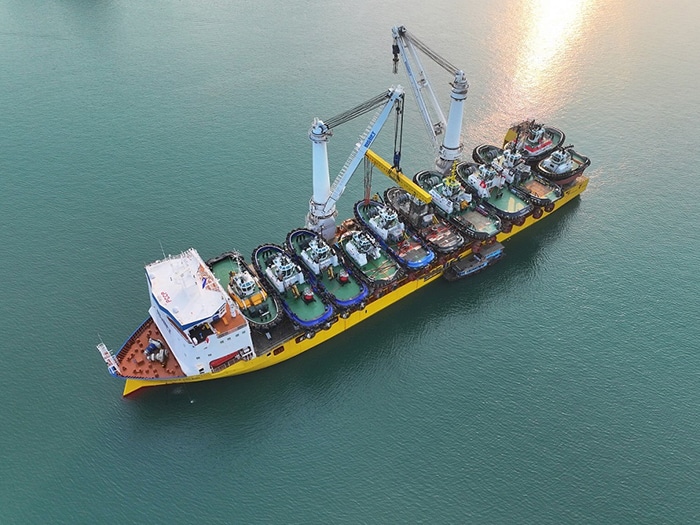
– Heavy Lift: Requires 72-hour notice for loads >100 tons
– Night Navigation: Restricted to vessels with approved lighting systems
25. Bunker Quality Control
– Fuel Testing: Mandatory sampling for vessels taking >500 tons (Japan Bunker Inspection Law)
– Sulfur Content: Continuous monitoring required for hybrid scrubber systems
26. Crew Change Procedures
– Immigration Clearance: Minimum 6-hour processing time for group changes
– COVID-19 Protocols: Remaining per current IMO Circular Letter No.4204/Add.16
27. Port Lighting and Visibility Requirements
– Channel Markers: IALA-compliant lighting system (red/green buoys with 2nm visibility)
– Vessel Lighting: Additional working lights required for night operations (SOLAS Chapter II-1/20)
– Aircraft Warning Lights: Mandatory for structures >45m height (Civil Aeronautics Act Article 49)
28. Dredging and Underwater Operations
– Permit Requirements: MLIT approval needed for any seabed disturbance
– Depth Monitoring: Weekly surveys in main channel (MLIT Hydrographic Dept. standard)
– Dredge Disposal: Restricted to designated offshore site (33°48’N, 132°50’E)
29. Fishing Vessel Interactions
– Separation Zones: 500m exclusion around commercial vessels at anchor
– Gear Restrictions: Prohibited within port approach channel (Fisheries Coordination Regulation 12-3)
30. Historical Wreck Protection
– No-Anchorage Areas: Designated around 3 protected wreck sites (Cultural Properties Protection Law)
– Sonar Monitoring: Required for anchoring in adjacent zones
31. Port Emergency Response
– Oil Spill Capacity: Tier 2 response equipment maintained on-site (500-ton capacity)
– Firefighting: 3 fireboats stationed (2,000m³/hr pumping capacity each)
– Mass Rescue: Pre-designated assembly points at each terminal
32. Radioactive Material Handling
– Special Berth: Dedicated area at West Terminal with 24/7 monitoring
– Transport Escorts: Required for movement within port limits
– Contingency Plans: IAEA-approved response protocols in place
33. Port Meteorological Services
– Real-time Data: Automated stations reporting every 10 minutes (JMA Standard)
– Typhoon Warnings: Color-coded alert system (Level 1-4) with corresponding actions
– Current Predictions: Tidal stream charts available for deep-draft vessels
34. Underwater Noise Mitigation
– Pile Driving: Restricted to daylight hours with bubble curtains
– Sonar Use: Prior notification required for active systems >200kHz
35. Ship-to-Ship (STS) Operations
– Approval Process: Requires 72-hour prior notice to Japan Coast Guard and port authority
– Designated Area: STS transfers permitted only in zone 33°49’N, 132°43’E (MLIT Notice 2021-22)
– Safety Requirements: Double-hulled vessels only, with standby tug during operations
36. Port Access Control
– Biometric Screening: Mandatory for all personnel entering restricted areas (ISPS Code Level 1)
– Vehicle Permits: Issued only to authorized operators with port-approved insurance
– Drone Restrictions: No-fly zone within 1km of port facilities (Civil Aeronautics Bureau Regulation)
37. Hazardous Weather Contingencies
– Tsunami Protocol: Immediate evacuation when JMA issues Level 3 warning
– High Wind Procedures: Mooring lines doubled when sustained winds exceed 15m/s
– Low Visibility: Pilotage suspended when visibility <300 meters
38. Special Cargo Handling
– Oversized Loads: Requires route survey and police escort for road transport
– Livestock Transport: Veterinary inspection mandatory before discharge
– Artwork/Valuables: Customs-bonded storage available at Terminal 3
39. Port Noise Regulations
– Night Operations: Restricted to essential services 2200-0600 (City Ordinance 15-7)
– Vessel Engine Testing: Permitted only 0900-1700 weekdays with silencers
– Construction Noise: Maximum 75dB at property boundary (Environmental Standards Law)
40. Marine Wildlife Protection
– Speed Reduction: 5-knot limit in cetacean migration corridor (Mar 15-Nov 30)
– Discharge Ban: Complete prohibition within Seto Inland Sea Nature Reserve
– Reporting Requirements: Immediate notification of any marine mammal strikes
41. Port Labor Regulations
– Stevedore Standards: Japan Harbor Transport Association certification required
– Work Stoppages: 4-hour minimum notice for operational adjustments
– Safety Gear: EN-standard PPE mandatory for all dock workers
42. Vessel Lay-up Procedures
– Approved Areas: Designated lay-up zone at 33°47’N, 132°44’E (max 6 vessels)
– Maintenance Requirements: Monthly engine runs and corrosion inspections
– Security: 24/7 watchkeeping or contracted guard service mandatory
43. Port Electrical Safety Standards
– Shore Power Connections: Mandatory IEC/ISO/IEEE 80005-1 compliant facilities for vessels at berth
– High Voltage Operations: Certified electricians required for >440V systems (Japan Industrial Standards JIS C 0901)
– Lightning Protection: All cranes and tall structures equipped with surge arresters
44. Dangerous Liquid Transfers
– Bonding Requirements: Verified electrical continuity before transfer operations
– Emergency Shutdown: Automated systems with 30-second full closure capability
– Vapor Monitoring: Continuous LEL detection during chemical transfers
45. Port Crane Operations
– Load Testing: Annual certification with 125% rated capacity test (MLIT Equipment Regulation 12-5)
– Wind Restrictions: Operations cease at sustained winds >20 m/s
– Operator Certification: Japan Crane Association license required
46. Navigation Aid Maintenance
– Buoy Servicing: Quarterly inspection and position verification (IHO S-57 standard)
– Racon Systems: Annual performance certification for radar beacons
– Light Characteristics: Synchronized flashing sequences in approach channel
47. Port Fire Safety Systems
– Hydrant Pressure: Minimum 7 bar maintained at all berths
– Foam Stations: Protein-based and AFFF systems installed at liquid berths
– Inspection Regime: Monthly flow tests with annual full system certification
48. Vessel Waste Reception
– Sludge Handling: Separate reception facilities for bilge water and tank washings
– Record Keeping: Digital manifests required for all waste transfers
– Processing Standards: MARPOL-compliant treatment for all received wastes
49. Port Cybersecurity Measures
– Network Segmentation: Critical systems isolated from public networks
– Access Controls: Multi-factor authentication for operational systems
– Incident Reporting: 1-hour notification requirement for critical systems breaches
50. Special Event Protocols
– Marine Parades: 14-day advance notice for waterway closures
– Fireworks Displays: 500m safety zone enforced during pyrotechnics
– VIP Visits: Security sweeps conducted 24 hours prior to arrival
51. Port Lighting and Navigation
– Aids to Navigation: All buoys equipped with solar-powered LED lights (IALA Recommendation R-101)
– Channel Markings: Retroreflective panels installed every 50m on wharves (ISO 17398:2013)
– Emergency Lighting: Backup power systems for critical navigation lights (72-hour autonomy)
52. Dangerous Goods Storage
– Segregation Requirements: IMDG Class 1-9 materials stored in designated zones (Japan Fire Service Act)
– Temperature Control: Refrigerated storage available for temperature-sensitive cargo
– Security Monitoring: 24/7 CCTV with motion detection for DG warehouses
53. Port Communications Infrastructure
– Fiber Optic Network: 10Gbps backbone connecting all operational areas
– Emergency Channels: Dedicated VHF frequencies for security and medical incidents
– Satellite Backup: VSAT terminals for critical communications during outages
54. Vessel Mooring Systems
– Bollard Testing: Annual load testing to 150% SWL (OCIMF MEG4 standards)
– Mooring Lines: Minimum 8 lines required for vessels >200m LOA
– Tension Monitoring: Automated systems installed at all deep-water berths
55. Port Water Management
– Stormwater Treatment: Oil-water separators at all drainage outfalls
– Ballast Water: Reception facilities meeting IMO D-2 standard
– Potable Water: UV treatment systems for vessel supply points
56. Port Vehicle Operations
– Speed Limits: 30 km/h general areas, 15 km/h operational zones
– Fuel Standards: Euro 6 emission compliance for all port vehicles
– Traffic Management: AI-powered routing system for yard equipment
57. Port Security Technology
– Radar Coverage: 360° surveillance with 5nm range
– Thermal Imaging: Night vision cameras at all perimeter points
– Access Control: Biometric scanners for restricted areas
58. Environmental Monitoring
– Air Quality: Continuous PM2.5 and SOx measurement stations
– Water Quality: Weekly sampling at 15 port locations
– Noise Mapping: Real-time monitoring at 8 sensitive locations