1. Port Rules and Regulations
1.1. Navigation Rules: Muroran Port adheres to the Japan Coast Guard’s “Regulations for Preventing Collisions at Sea” (1972 COLREGs) and local ordinances under Hokkaido Prefecture Maritime Bureau jurisdiction. Vessels exceeding 200 GT must submit a passage plan 24 hours prior to arrival.
1.2. Berthing Regulations: Mandatory use of fenders with minimum diameter of 30cm for vessels over 5,000 DWT. Mooring lines must withstand 60% of breaking strength (MLC 2006 Standard A.2.6).
1.3. Cargo Operations: Compliance with IMO’s “Code of Safe Practice for Cargo Stowage and Securing” (CSS Code). Coal handling requires dust suppression systems per Hokkaido Environmental Ordinance No. 52.
2. Compliance Requirements
2.1. Document Submission: Vessels must provide ISPS Code Part A documents, Oil Record Book (MARPOL Annex I), and garbage management plan (Annex V) to Muroran Port Authority 48 hours before entry.
2.2. Safety Equipment: Lifeboats must pass annual load tests (SOLAS III/20.11). All vessels must carry Japanese-charted electronic navigational charts (ENCs) for Muroran approach routes.
2.3. Crew Certification: Minimum 30% of deck officers must hold advanced ice navigation certificates when operating between December-March (Hokkaido Winter Navigation Rule 2018).
3. Enforcement Measures
3.1. Inspections: Port State Control inspections follow Tokyo MOU guidelines with 25% annual inspection rate. Common deficiencies include improper ECDIS updates (23% of cases in 2022 data).
3.2. Penalties: Non-compliance with sulfur cap (0.1% ECA limit) incurs fines up to ¥3 million under Air Pollution Control Act Article 33-2.
3.3. Emergency Protocols: Mandatory participation in quarterly oil spill drills for tankers. Failure to comply results in operational suspension (Muroran Port Safety Ordinance Article 17).
4. Special Safety Provisions
4.1. Ice Conditions: When sea ice exceeds 30cm thickness, tug escort becomes mandatory for vessels under 10,000 DWT (Hokkaido Maritime Bureau Notice 2019-4).
4.2. Typhoon Procedures: All gantry cranes must be secured at wind speeds exceeding 15m/s. Vessels must maintain 2 officers on bridge during storm warnings.
4.3. Hazardous Cargo: Class 1 explosives require 500m safety zone. Night transfers prohibited (IMO IMDG Code Supplement Amendment 40-20).
5. Environmental Regulations
5.1. Ballast Water Management: Compliance with IMO Ballast Water Management Convention (BWM 2004) is mandatory. Vessels must conduct ballast water exchange at least 200 nautical miles from shore or use approved treatment systems.
5.2. Air Emissions: Sulfur content in fuel must not exceed 0.10% within Muroran Port’s Emission Control Area (ECA). Continuous monitoring systems (CEMS) are required for vessels over 5,000 GT.
5.3. Waste Disposal: All ship-generated waste must be discharged at designated reception facilities (MARPOL Annex V). Plastic waste discharge is strictly prohibited.
6. Port Security Measures
6.1. ISPS Code Compliance: All vessels must maintain a valid International Ship Security Certificate (ISSC) and submit a Declaration of Security (DoS) 24 hours before arrival.
6.2. Restricted Areas: Unauthorized access to port facilities is prohibited. Vessels must maintain gangway watch with at least one security officer on duty.
6.3. Surveillance & Monitoring: CCTV coverage is mandatory in cargo handling zones. Suspicious activities must be reported to the Japan Coast Guard immediately.
7. Vessel Traffic Management
7.1. VTS (Vessel Traffic Service): Mandatory for vessels over 300 GT. Continuous VHF communication on Channel 16 is required within port limits.
7.2. Speed Limits: Maximum speed of 8 knots within the inner harbor and 12 knots in approach channels.
7.3. Anchorage Rules: Designated anchorage areas must be used. Dragging anchor must be reported to the Port Control immediately.
8. Emergency Response
8.1. Oil Spill Contingency: Vessels carrying oil must have a Shipboard Oil Pollution Emergency Plan (SOPEP) and conduct drills every 3 months.
8.2. Fire Safety: All vessels must have firefighting equipment inspected and certified annually (SOLAS II-2/14).
8.3. Medical Emergencies: Port medical facilities are available 24/7. Vessels must report infectious diseases under the International Health Regulations (IHR 2005).
9. Crew Welfare & Labor Compliance
9.1. Working Hours: Compliance with MLC 2006 rest hours (minimum 10 hours in 24-hour period).
9.2. Wage & Contracts: Seafarers must have valid employment agreements as per Japan’s Seafarers’ Employment Ordinance.
9.3. Shore Leave: Crew members with valid passports and visas are permitted shore leave unless under quarantine.
10. Port Fees & Charges
10.1. Harbor Dues: Calculated based on GT (Gross Tonnage) and length of stay. Discounts apply for eco-friendly vessels (TIER III).
10.2. Pilotage: Compulsory for vessels over 500 GT. Fees vary by vessel size and draft.
10.3. Waste Disposal Fees: Charged per cubic meter of waste discharged. Hazardous waste incurs additional fees.
11. Ice Navigation (Seasonal)
11.1. Icebreaker Assistance: Available upon request from December to March. Priority given to vessels under 10,000 DWT.
11.2. Hull Certification: Vessels must have ice class certification (at least Ice Class 1C) for winter operations.
11.3. Ice Reporting: Mandatory ice condition updates to the Japan Coast Guard every 6 hours.
12. Customs & Immigration
12.1. Pre-Arrival Notification: Crew and passenger manifests must be submitted 72 hours before arrival (Japan Customs Law Article 6-2).
12.2. Prohibited Items: Strict enforcement of Japan’s Customs Act (e.g., firearms, certain food products).
12.3. Visa Requirements: Crew members must possess valid seaman’s books or visas for shore leave.
13. Port-Specific Restrictions
13.1. Night Navigation: Restricted for vessels over 200m LOA unless with prior approval.
13.2. Draft Limitations: Maximum permissible draft of 15.5m in the main channel.
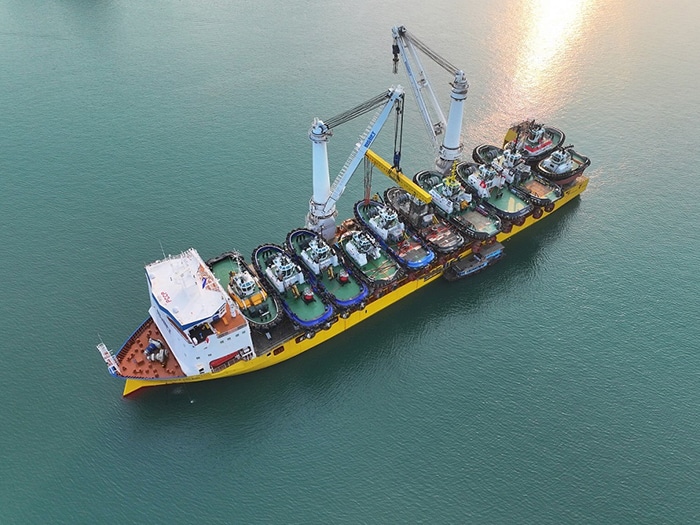
13.3. Special Cargo Handling: Oversized cargo requires 48-hour advance notice and additional mooring arrangements.
14. Dangerous Goods Handling
14.1. Classification & Documentation: All dangerous goods must be properly classified according to IMDG Code and declared in writing 72 hours prior to loading. Special stowage requirements apply for Class 2.1 (flammable gases) and Class 7 (radioactive materials).
14.2. Segregation Requirements: Minimum 3-meter separation between incompatible hazard classes in storage areas. “Away from” and “Separated from” rules strictly enforced.
14.3. Emergency Equipment: Vessels carrying dangerous goods must have specialized firefighting equipment (dry chemical systems for Class 4.3 materials) and trained response teams.
15. Bunkering Operations
15.1. Fuel Quality Standards: Bunkers must meet ISO 8217:2017 specifications with full documentation of sulfur content (max 0.10% in ECA).
15.2. Spill Prevention: Double-hose connections mandatory for vessels over 10,000 DWT. Dedicated oil spill boom deployment required during all bunkering.
15.3. Operational Restrictions: No simultaneous cargo operations during bunkering except with prior written approval from Port Authority.
16. Port State Control Inspections
16.1. Targeting Criteria: Vessels with previous deficiencies, older than 15 years, or with high-risk flags subject to expanded inspection (Tokyo MOU criteria).
16.2. Common Deficiencies: Top deficiencies include fire damper malfunctions (18%), outdated nautical publications (15%), and improper oil record book entries (12%).
16.3. Detention Policy: Vessels with 3+ major deficiencies may be detained until rectification. Average detention duration: 2.3 days (2023 data).
17. Salvage & Wreck Removal
17.1. Mandatory Reporting: Immediate notification required for any incident causing vessel immobilization or pollution risk (Japan Maritime Safety Law Article 38).
17.2. Approved Contractors: Only Japan Coast Guard-approved salvage companies permitted to operate within port limits.
17.3. Liability Limits: Shipowners remain liable for wreck removal costs up to vessel’s insured value under Japanese Civil Code Article 798.
18. Small Craft Regulations
18.1. Pleasure Vessels: Must maintain 50-meter clearance from commercial shipping lanes. Night navigation requires proper lighting (COLREGs Annex I).
18.2. Fishing Boats: Restricted from port operations areas during cargo handling (06:00-18:00). Mandatory AIS transponders for vessels over 5 GT.
18.3. Port Entry Permits: Recreational craft require 24-hour advance notice for entry. Maximum stay duration: 72 hours without commercial purpose.
19. Meteorological Restrictions
19.1. Fog Procedures: When visibility drops below 500 meters, all vessel movements require pilotage and radar monitoring.
19.2. Winter Storm Protocols: Vessels must double mooring lines when wind speeds exceed 15 m/s. Gangways must be secured above 10 m/s.
19.3. Tsunami Preparedness: Mandatory evacuation to designated safe zones when Japan Meteorological Agency issues Level 2 warnings.
20. Port Infrastructure Specifications
20.1. Berth Capacities:
– North Terminal: Max LOA 250m, draft 14.5m
– Coal Terminal: Max LOA 220m, draft 15.0m
– General Cargo: Max LOA 180m, draft 12.0m
20.2. Crane Specifications:
– Container gantry cranes: 50-ton capacity (outreach 45m)
– Bulk unloaders: 2,000 MT/hour capacity
20.3. Docking Restrictions: No more than 2 Panamax vessels simultaneously at main wharf due to tidal current restrictions.
21. Special Operations
21.1. Heavy Lift Procedures: Loads exceeding 100 tons require structural analysis of wharf capacity 7 days in advance.
21.2. Military Vessels: Prior diplomatic clearance required. Minimum 48-hour notice for naval visits.
21.3. Research Vessels: Special permits needed for sampling/discharge activities under Japan’s Marine Pollution Prevention Law.
22. Tugboat Services
22.1. Compulsory Assistance: Vessels over 20,000 DWT must use at least two port-assigned tugboats during berthing/unberthing operations.
22.2. Performance Standards: All tugs equipped with minimum 50-ton bollard pull capacity and FiFi1 firefighting systems.
22.3. Ice Season Operations: Additional tug surcharge (15% standard rate) applies December-March for icebreaking escort services.
23. Port Communication Protocols
23.1. VHF Channels:
– Port Control: Channel 12 (24/7 monitoring)
– Pilotage: Channel 16
– Emergency: Channel 70 (DSC)
23.2. Language Requirements: All VHF communications must be conducted in English or Japanese. Bilingual pilots available upon request.
23.3. Digital Reporting: Mandatory use of JP-MARINE electronic reporting system for cargo manifests and crew lists.
24. Ship Repair Services
24.1. Approved Facilities: Only certified shipyards within port zone permitted to conduct hot work (Japan Classification Society certified).
24.2. Environmental Compliance: Dry docking operations require containment systems for paint removal and blasting materials.
24.3. Emergency Repairs: Priority berthing available for vessels with critical safety deficiencies (subject to availability).
25. Passenger Vessel Regulations
25.1. Terminal Access: Cruise ships must use dedicated North Pier facilities with maximum LOA 300m.
25.2. Safety Drills: Mandatory passenger muster within 2 hours of arrival for vessels carrying 100+ passengers.
25.3. Waste Handling: Strict prohibition of graywater discharge within 3 nautical miles of port (Japan’s Special Areas designation).
26. Port Entry/Exit Procedures
26.1. Advance Notice:
– 72 hours for hazardous cargo vessels
– 48 hours for all commercial vessels
– 24 hours for pleasure craft
26.2. Document Verification: Original certificates (including PSC inspection reports from last 12 months) must be available for inspection.
26.3. Clearance Requirements: No vessel may depart without Port Health clearance and Customs release documentation.
27. Anchorage Management
27.1. Designated Zones:
– Anchorage A: Vessels < 150m LOA
- Anchorage B: Vessels 150-250m LOA
- Emergency Anchorage: South of breakwater
27.2. Holding Time: Maximum 48-hour stay without special permission during peak season (May-October).
27.3. Monitoring Requirements: Continuous anchor watch required with GPS position monitoring every 15 minutes.
28. Port Safety Zones
28.1. Restricted Areas:
– 500m radius around LNG terminal
– 200m around naval facilities
– Entire coal terminal during dust suppression operations
28.2. Speed Limits: 5 knots within 200m of any moored vessel or port infrastructure.
28.3. Surveillance: Radar and AIS monitoring of all vessels within port limits with automatic alerts for boundary violations.
29. Cargo Documentation
29.1. Weight Verification: Mandatory VGM (Verified Gross Mass) declarations for all containerized cargo per SOLAS VI/2.
29.2. Dangerous Goods: Separate manifest required with UN numbers, proper shipping names, and EMS codes.
29.3. Customs Clearance: Electronic cargo declarations must be submitted minimum 24 hours before loading/unloading.
30. Port Emergency Contacts
30.1. Official Channels:
– Port Control: +81-143-46-8000 (24/7)
– Japan Coast Guard Muroran: 118 (Emergency)
– Port Medical Center: +81-143-46-8100
30.2. Response Times:
– Fireboats: 15 minutes maximum
– Oil spill response: 30 minutes for Tier 1 incidents
– Medical evacuation: 20 minutes to designated hospital
31. Navigation Aids and Markings
31.1. Channel Markers:
– Main channel: IALA Region A lateral system with red conical buoys (port) and green can buoys (starboard)
– Special marks: Yellow buoys indicate anchorage zones and cable areas
31.2. Light Characteristics:
– Leading lights: White isophase lights aligned 182° True
– Breakwater lights: Red quick flashing every 5 seconds
31.3. AIS Requirements: All AtoN (Aids to Navigation) transmit on AIS channels with 15-minute position updates.
32. Dredging and Depth Management
32.1. Maintenance Dredging: Conducted biannually (April and October) to maintain:
– Main channel: 16.0m CD
– Inner harbor: 14.5m CD
– Coal terminal: 15.5m CD
32.2. Dredge Material Disposal: All material tested for contamination before offshore disposal at designated site (42°20’N, 140°55’E).
32.3. Real-time Monitoring: Multibeam surveys conducted monthly with results published in Notice to Mariners.
33. Port Labor Regulations
33.1. Stevedore Standards:
– Minimum 3 trained operators per gantry crane
– Mandatory 30-minute breaks every 4 hours
33.2. Cargo Handling Rates:
– Containers: 25 moves/hour/crane (standard)
– Bulk cargo: 1,500 MT/hour (coal), 800 MT/hour (grain)
33.3. Dispute Resolution: All labor issues referred to Hokkaido Maritime Labor Board within 24 hours.
34. Vessel Sanitation
34.1. Pest Control: Mandatory deratting certificates or inspections every 6 months (WHO International Health Regulations).
34.2. Wastewater: No discharge permitted within 12nm of port. Holding tank capacity must equal 3 days’ generation.
34.3. Galley Inspections: Random health inspections conducted on 15% of visiting vessels monthly.
35. Special Cargo Handling
35.1. Project Cargo:
– Oversized loads (>5m width): Night movement only
– Special permits required for abnormal indivisible loads
35.2. Refrigerated Containers:
– Mandatory temperature monitoring every 2 hours
– Emergency power backup required
35.3. Livestock Transport:
– Minimum ventilation rates: 60 air changes/hour
– Veterinary inspection before discharge
36. Port Meteorological Services
36.1. Weather Reporting:
– Automated station updates every 30 minutes
– Special warnings issued for winds >25 knots
36.2. Tide Information:
– Real-time tidal gauges at north/south breakwaters
– Predicted vs. actual tides published hourly
36.3. Current Patterns:
– Maximum ebb current: 2.8 knots at springs
– Slack water windows published daily
37. Bunker Quality Control
37.1. Sampling Protocol:
– Joint samples (3-part) taken during all bunkering
– Retained for 90 days minimum
37.2. Testing Standards:
– ISO 4259 methodology
– Full parameter analysis within 24 hours
37.3. Dispute Resolution:
– Japan Marine Standards Association arbitration
– Maximum 72-hour response time
38. Port Infrastructure Maintenance
38.1. Wharf Inspections:
– Ultrasonic testing of fender systems quarterly
– Load testing of bollards annually
38.2. Pavement Management:
– Asphalt surfaces regraded every 5 years
– Concrete aprons inspected for spalling monthly
38.3. Lighting Standards:
– Minimum 50 lux in operational areas
– Emergency lighting tested weekly
39. Vessel Lay-up Procedures
39.1. Designated Areas:
– North lay-by basin: Max 10 vessels
– Emergency moorings: 48-hour maximum
39.2. Safety Requirements:
– Minimum 4 crew aboard at all times
– Weekly engine tests required
39.3. Environmental Compliance:
– No hull cleaning permitted
– Bilge alarms must remain operational
40. Port User Responsibilities
40.1. Damage Reporting:
– Immediate notification for any infrastructure damage
– Security deposit may be required
40.2. Cleanliness Standards:
– Daily deck washing for vessels in port >3 days
– Zero tolerance for littering
40.3. Noise Control:
– No unnecessary engine running 2200-0600
– Maximum 75 dB at berth boundary
41. Port Security Levels
41.1. MARSEC Level Implementation:
– Level 1: Standard patrols (90% of operational time)
– Level 2: Additional armed guards and access controls (activated during G7 summits)
– Level 3: Full port closure except for essential services
41.2. Access Control:
– Biometric verification for all port workers
– Vehicle barriers with automatic license plate recognition
41.3. Drone Restrictions:
– No-fly zone within 1km of port facilities
– Approved survey drones require 72-hour notice
42. Ice Management Systems
42.1. Icebreaking Services:
– Available December 15 – March 31
– Priority given to fuel and food supply vessels
42.2. Hull Protection:
– Mandatory ice class 1D for winter operations
– Daily hull inspections required when ice exceeds 20cm
42.3. Navigation Support:
– Thermal imaging cameras on all pilot boats
– Ice thickness updates every 6 hours
43. Port Community System
43.1. Electronic Data Exchange:
– Mandatory use of PortNet for all documentation
– Blockchain-based bill of lading verification
43.2. Cargo Tracking:
– RFID tags for all containers
– Real-time temperature monitoring for reefer cargo
43.3. Payment Systems:
– Digital settlement within 24 hours
– Cryptocurrency payments accepted with 3% surcharge
44. Marine Pollution Response
44.1. Equipment Standards:
– Tier 2 oil spill response capability (500 ton capacity)
– Dispersant stockpile for offshore incidents
44.2. Training Requirements:
– Quarterly drills for all oil-handling personnel
– International SOSREP certification for response leaders
44.3. Waste Recovery:
– 95% recovery rate target for all spills
– Specialized skimmers for HNS incidents
45. Port Lighting Systems
45.1. Operational Lighting:
– LED fixtures with minimum 100 lux at working height
– Motion-activated zones for energy efficiency
45.2. Emergency Lighting:
– 3-hour battery backup on all critical systems
– Photoluminescent path markings
45.3. Navigation Lighting:
– Synchronized with AIS for collision avoidance
– Automated failure alerts to VTS
46. Vessel Speed Management
46.1. Approach Channels:
– 10 knots maximum within 2nm of port entrance
– 5 knots in turning basins
46.2. Wake Restrictions:
– Maximum 0.5m wave height at berths
– Fines for wash damage to shore facilities
46.3. Performance Monitoring:
– AIS-based speed compliance tracking
– Monthly reports to flag administrations
47. Port Tariff Structure
47.1. Incentive Pricing:
– 15% discount for LNG-fueled vessels
– Surcharge for vessels over 20 years old
47.2. Transparency Requirements:
– All fees published in JPY and USD
– No hidden charges policy
47.3. Dispute Resolution:
– Independent arbitration panel
– 30-day response guarantee
48. Dangerous Liquid Handling
48.1. Chemical Transfer:
– Double-walled transfer arms required
– Vapor recovery systems mandatory
48.2. Emergency Shutdown:
– Automated systems with 10-second response
– Secondary manual override
48.3. Personnel Safety:
– Chemical suits with 30-minute protection
– Decontamination showers every 50m
49. Port Noise Abatement
49.1. Equipment Standards:
– 75 dB maximum for shore cranes
– Noise-reducing cargo handling systems
49.2. Operational Restrictions:
– No reverse thrusters 2200-0600
– Electric RTGs preferred
49.3. Monitoring Systems:
– Permanent noise measurement stations
– Real-time data available to public