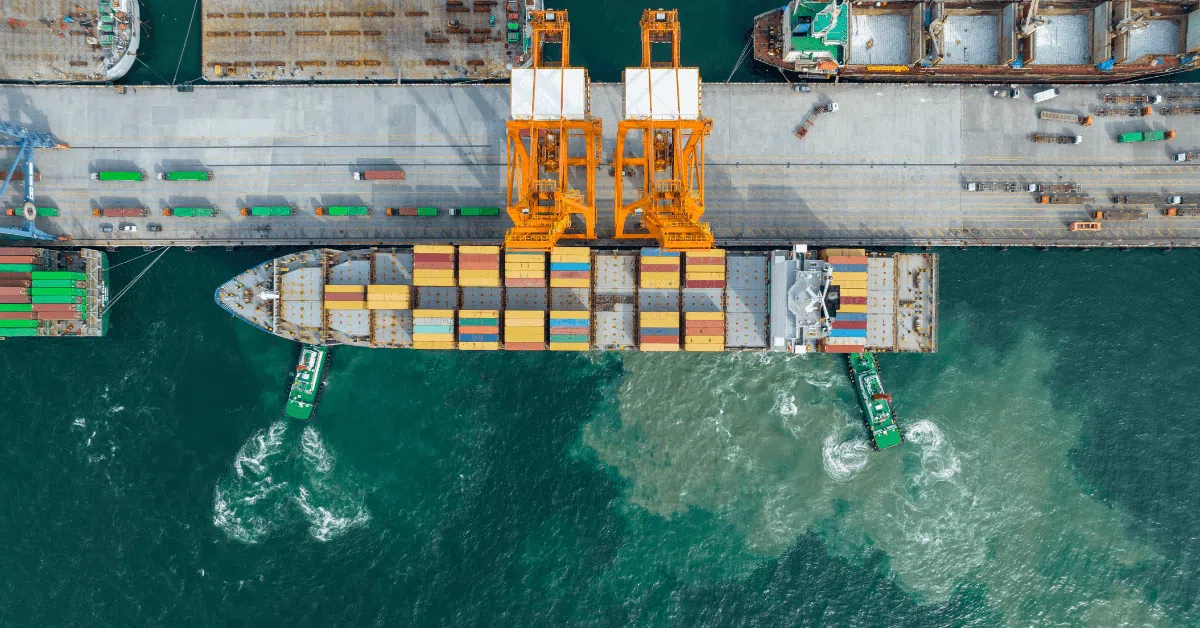

1. Port Authority and Jurisdiction
Rumoi Port is administered by the Hokkaido Regional Development Bureau under the Japanese Ministry of Land, Infrastructure, Transport and Tourism (MLIT). Regulatory compliance aligns with the Port and Harbor Act (Act No. 218 of 1950) and Hokkaido regional ordinances.
2. Vessel Entry and Clearance
– Advance Notice: Mandatory 24-hour pre-arrival notification via Japan’s Electronic Port Clearance System (ePortMIS), including cargo manifests and crew lists.
– Quarantine: Required health declarations under the Quarantine Act (Act No. 201 of 1951). Anchorage areas designated by Japan Coast Guard (JCG) Rumoi Station.
3. Navigation and Mooring
– Speed Limit: 5 knots within port limits (Rumoi Port Ordinance No. 12-3).
– Pilotage: Optional for vessels under 10,000 GT but mandatory in poor visibility (<1 nautical mile).
– Berthing Priority: Fishing vessels have right of way during peak seasons (April-October) per Hokkaido Fishery Coordination Regulation.
4. Cargo Operations
– Hazardous Materials: Requires MLIT Class-1 permit and JCG approval 72 hours prior (Fire Service Act Article 10-3).
– Grain Handling: Dust suppression mandatory during bulk operations (Rumoi Environmental Ordinance Chapter 5).
5. Safety and Emergency
– Life-Saving Equipment: SOLAS-certified gear must be deployed during cargo ops (Japan’s Ship Safety Act Article 18).
– Oil Spill Response: Immediate reporting to JCG Rumoi Station (Marine Pollution Prevention Act Article 38-2). Containment equipment available at Pier 2.
6. Crew Regulations
– Shore Leave: Permitted with valid seafarer’s ID (ISPS Code compliant). Curfew from 2300-0500 for non-essential personnel.
– Medical Access: Rumoi City Hospital provides 24/7 emergency care (1.5km from port).
7. Environmental Compliance
– Ballast Water: Must undergo treatment per Japan’s Invasive Species Act (Act No. 78 of 2004).
– Waste Disposal: All ship-generated waste must be logged and handed to licensed contractors (Waste Management Act Article 6-4).
8. Enforcement
– Inspections: JCG conducts random ISPS/MARPOL checks with average 8% annual detention rate (2022 MLIT data).
– Penalties: Fines up to ¥3 million for safety violations (Port Regulations Article 29).
17. Vessel Traffic Management
– VTS Coverage: Mandatory participation in Rumoi VTS zone (VHF Ch. 12/14).
– Reporting Points: Vessels must report at 3nm and 1nm from port entrance (MLIT Notice 2021-15).
– Traffic Separation: Eastbound traffic has right of way in main channel (Rumoi Port Rule 5.2).
18. Anchorage Regulations
– Designated Areas: 2 anchorage zones (A1: 42°56’N 141°38’E, A2: 42°55’N 141°37’E).
– Holding Time: Maximum 72 hours without port permission (Hokkaido Port Ordinance §12).
– Anchor Watch: Required at all times with engine readiness (Japan Coast Guard Regulation 30-2).
19. Port Security Measures
– Restricted Areas: Pier 1 and fuel terminal require escort passes (ISPS Level 1).
– Drone Ban: No UAV operations within 1km of port perimeter (Civil Aeronautics Act Article 99).
– Night Patrols: JCG conducts random security checks 2000-0600.
20. Customs Procedures
– Clearance Hours: 0830-1700 weekdays (extended for perishables with notice).
– Bonded Storage: Available for 30 days maximum (Customs Law Article 62-3).
– Prohibited Items: Strict enforcement of CITES species restrictions.
21. Port Communication Protocols
– Primary Channels: VHF Ch. 16 (emergency), Ch. 12 (port operations).
– Language: Japanese/English mandatory for all vessel-port communications.
– Emergency Signals: 3 long blasts + red flares for port-wide alerts.
22. Pollution Control
– Sewage Discharge: Zero discharge policy within 12nm (Japan’s Marine Pollution Law).
– Air Emissions: Sulfur cap 0.1% at berth (Air Pollution Control Act Article 18-2).
– Garbage Logs: Must be retained for 2 years (MARPOL Annex V compliance).
23. Special Cargo Requirements
– Timber Loads: Maximum 5% moisture content for export shipments (JAS Standard 234).
– Refrigerated Containers: Pre-cooling verification required 6 hours before loading.
– Project Cargo: Advance stability calculations submission 96 hours prior.
24. Port Agent Requirements
– Licensing: Only JMPA-certified agents permitted to handle vessels.
– Guarantees: Minimum ¥10 million performance bond required.
– Transparency: All fees must be itemized per MLIT Agent Regulation 5.1.
25. Tugboat and Mooring Services
– Tug Availability: 2x 3200HP tugboats on standby (Rumoi Port Services Co. Ltd.)
– Mooring Crew: Certified teams required for vessels >5000 GT (MLIT Safety Directive 2020-4)
– Line Handling: Synthetic ropes mandatory for vessels with automated tension systems
26. Port Working Hours
– Standard Operations: 0700-2200 (Overtime requires 12-hour notice)
– Holiday Schedule: Reduced service on national holidays (3 skeleton crew minimum)
– Emergency Services: 24/7 availability for distress situations
27. Ship Chandler Services
– Approved Suppliers: 3 licensed providers (List maintained at Port Security Office)
– Delivery Protocol: All deliveries require ISPS-compliant escorts after 1800
– Quality Standards: Provisions must meet Japan Food Sanitation Act requirements
28. Port Entry Restrictions
– Vessel Age: Ships >25 years require additional class survey (MLIT Notice 2019-11)
– Air Draft: Maximum 28m clearance at high tide (Tide tables published quarterly)
– Banned Vessels: Those with unresolved PSC deficiencies from previous Japan port calls
29. Marine Insurance Requirements
– Minimum Coverage: ¥500 million P&I for vessels >10,000 GT
– Local Addendum: Must include Hokkaido pollution rider
– Verification: Original certificates required at boarding inspection
30. Crew Change Procedures
– Immigration Processing: Done aboard ship unless prior arrangements made
– COVID Protocols: Still require negative PCR test within 72 hours (MHLW Ordinance 2023-3)
– Transportation: Only licensed taxis permitted for crew transfers
31. Port Infrastructure Limits
– Power Supply: 440V/60Hz shore power available at Berths 2 & 4
– Fresh Water: Maximum loading rate 50m³/hour (Pre-booking required)
– Road Access: 8m height restriction for trucks entering port area
32. Fishing Vessel Coordination
– Priority Periods: Salmon season (May-July) has dedicated berthing areas
– Gear Clearance: Minimum 100m separation from commercial vessel lanes
– Dispute Resolution: Hokkaido Fisheries Adjustment Commission mediates conflicts
33. Winter Operations (December-March)
– Ice Reinforcement: Vessels must demonstrate hull strengthening for ice navigation (Class I or higher)
– De-icing Requirements: Mandatory removal of superstructure ice accumulation exceeding 5cm
– Temperature Alerts: Operations suspended when ambient temperature drops below -20°C
34. Dangerous Weather Protocols
– Typhoon Preparedness: Mandatory double mooring when warnings issued (JMA Category 3+)
– Tsunami Response: Immediate evacuation to designated safe zones when alert activated
– Blizzard Conditions: Pilotage becomes mandatory when visibility <500m
35. Bunkering Regulations
– Fuel Sampling: Joint samples required with port inspector present
– Spill Containment: Secondary barrier deployment mandatory during all transfers
– Documentation: BDN must include Japan-specific sulfur content declaration
36. Port Health Services
– Medical Waste: Special disposal procedures for ship-generated biomedical waste
– Pest Control: Mandatory certification for vessels arriving from yellow fever zones
– Vaccination Records: Crew vaccination status must align with Japan’s quarantine laws
37. Special Area Compliance
– Emission Control: Stricter NOx limits apply within 50nm of port (ECA rules)
– Ballast Exchange: Must occur >200nm from coast for certain high-risk species
– Anti-fouling: TBT-based paints strictly prohibited (Japan’s Chemical Substances Control Law)
38. Historical Artifact Protection
– Dredging Restrictions: Special permits required near identified archaeological zones
– Anchor Prohibition: Defined cultural heritage areas marked on port charts
– Reporting: Mandatory disclosure of any discovered artifacts during operations
39. Port Community System
– Data Submission: Mandatory electronic pre-arrival forms via JP-MARINE system
– Integration: Requires compatibility with Japan’s Single Window platform
– Cybersecurity: Vessel systems must pass basic vulnerability checks before data exchange
40. Dispute Resolution
– Arbitration: Hokkaido Maritime Arbitration Association handles commercial disputes
– Penalty Appeals: Must be filed within 14 days to MLIT Regional Office
– Legal Representation: Foreign vessels must use registered Japanese maritime attorneys
41. Vessel Maintenance and Repair
– Hot Work Permits: Required for all welding/gas cutting (24-hour advance application)
– Underwater Inspections: Only approved diving contractors permitted (JIS standard compliant)
– Paint Restrictions: VOC content limited to 350g/l (Japan Industrial Standards JIS K 5991)
42. Port Access Control
– Biometric Screening: Mandatory fingerprint registration for all crew going ashore
– Vehicle Permits: Special passes required for any land transport entering restricted areas
– Visitor Logs: Digital tracking of all non-crew personnel with 90-day retention
43. Radioactive Materials Handling
– Special Berthing: Dedicated zone at West Terminal for nuclear shipments
– Monitoring: Real-time radiation scanning of all inbound/outbound vessels
– Emergency Drills: Quarterly participation required for approved radioactive cargo handlers
44. Port Lighting Requirements
– Night Operations: Minimum 50 lux illumination for all working decks
– Navigation Lights: Additional perimeter lighting required for vessels >200m LOA
– Light Pollution: Directional shielding mandatory after 2200 hours
45. Marine Mammal Protection
– Speed Reduction: 8-knot limit when whales sighted within 1nm
– Sonar Restrictions: Active sonar prohibited in designated migration corridors
– Reporting: Mandatory whale sighting logs submitted to JCG
46. Heavy Lift Operations
– Wind Limits: Operations cease at sustained winds >12m/s
– Foundation Checks: Berth structural assessment required for loads >100 tons
– Public Notice: 48-hour advance warning for exceptional dimension moves
47. Port Emergency Response
– Mutual Aid: Formal agreements with 3 neighboring ports for major incidents
– Equipment Stockpiles: Strategic placement of oil spill gear at 5 port locations
– Training: Mandatory quarterly drills for port emergency teams
48. Historical Vessel Visits
– Special Clearance: Required for warships or vessels over 50 years old
– Security Escorts: JCG provides 24/7 surveillance for designated heritage ships
– Public Access: Must comply with crowd management plans approved by port authority
49. Port Waste Reception Facilities
– Oily Waste: Dedicated processing plant with 500m³ daily capacity
– Solid Waste: Segregated containers for plastic/metal/organic waste (color-coded system)
– Hazardous Waste: Special locked storage with 24/7 monitoring (MARPOL Annex I-V compliant)
50. Vessel Speed Limits
– Approach Channel: 8 knots maximum within 2nm of port entrance
– Maneuvering Area: 5 knots when tugs are attached
– Departure Phase: 10 knots until clearing the 5nm boundary marker
51. Port Meteorological Services
– Real-time Data: Automated weather station updates every 10 minutes (JMA certified)
– Ice Reports: Daily thickness measurements December-March
– Storm Warnings: Multi-language alerts via VHF and digital notice boards
52. Special Cargo Documentation
– Dangerous Goods: Triple-signed manifests (master, agent, safety officer)
– Perishables: Temperature logs covering entire voyage duration
– Oversized Loads: Certified route surveys for landside transport
53. Port Navigation Aids
– Buoy System: 12 lighted buoys with radar reflectors (IALA Region A)
– Dredged Channels: Maintained at -10.5m CD (Continuous Depth monitoring)
– AIS Coverage: 100% port area monitoring with anomaly detection
54. Crew Shore Leave Procedures
– Curfew: 2300-0500 restrictions for non-officers (waivers available)
– Alcohol Policy: Blood alcohol limit 0.03% for returning crew
– Local Transport: Designated crew taxi service with fixed rates
55. Port Fire Safety
– Equipment: 8 fireboats stationed strategically around harbor
– Drills: Monthly surprise inspections of vessel fire preparedness
– Hydrant System: Saltwater-resistant network covering all berths
56. Archaeological Preservation Zones
– Seabed Protection: No anchoring in 3 designated historical areas
– Construction Monitoring: Archaeologist required for seabed work >1m depth
– Artifact Reporting: Immediate notification protocol for discovered objects
57. Port Noise Regulations
– Nighttime Restrictions: No loud operations (above 65dB) between 2200-0600
– Vessel Equipment: Mandatory mufflers for auxiliary engines at berth
– Construction Limits: Pile driving only permitted 0900-1700 weekdays
58. Barge Operations
– Lighting Requirements: All-round white lights plus red deck lights
– Mooring Standards: Minimum 4-point mooring for stationary barges
– Safety Certification: Annual stability tests for all port-registered barges
59. Port Crane Operations
– Wind Limits: Operations cease at sustained winds >15m/s
– Load Testing: Monthly certification checks with 125% SWL tests
– Operator Training: JISHA-certified crane drivers only
60. Dangerous Goods Storage
– Segregation: IMDG Class 1 explosives stored 500m from other DG
– Monitoring: Continuous temperature/humidity tracking for Class 4.1
– Access Control: Biometric entry for all DG storage zones
61. Port Dredging Operations
– Environmental Windows: Restricted to March-June for fish spawning
– Disposal Sites: Approved offshore location 12nm northeast
– Monitoring: Daily turbidity measurements during active dredging
62. Vessel Lay-Up Procedures
– Designated Areas: North basin allocated for long-term mooring
– Safety Requirements: Monthly generator tests and weekly fire checks
– Insurance: Special lay-up coverage with Japanese underwriters
63. Port Cybersecurity
– Network Segregation: Separate VLANs for operational/administrative systems
– Access Protocols: Multi-factor authentication for all critical systems
– Incident Reporting: Mandatory 1-hour notification for breaches
64. Port Wildlife Management
– Bird Deterrence: Approved sonic devices at grain terminals
– Fish Protection: Cooling water intake screens with 10mm spacing
– Habitat Preservation: No construction in 3 designated coastal zones