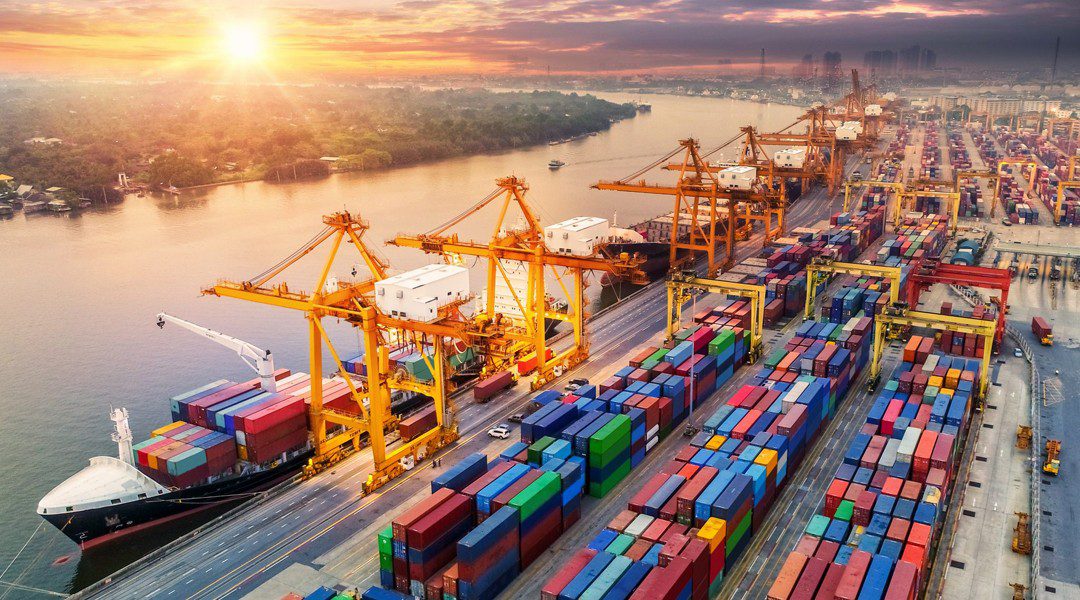
1. Port Overview
Wonsan Port (39°09’N 127°26’E) is a Category I strategic port under DPRK’s 2020 National Port Classification System. Key infrastructure includes:
– 12 operational berths (total length 2,450m)
– Main commercial piers: No.1 (300m LOA, 9.5m depth), No.3 (military-civilian dual use), No.5 (container terminal)
– Annual capacity: 3.2 million tons general cargo (2022 actual throughput: 2.47 million tons)
– Managed by Wonsan Port Authority under direct supervision of Ministry of Land and Maritime Transportation
2. Port Rules and Regulations
2.1 Vessel Entry and Clearance
– Entry permits: Require notarized vessel documents authenticated by DPRK embassy (processing time: 21 working days minimum)
– Mandatory pre-arrival submissions (96 hours prior):
• ISPS Code compliance declaration
• Bunker fuel samples (for vessels >400GT)
• Crew health declarations (including COVID-19 vaccination records)
– Customs clearance: All vessels must use designated inspection zone at Pier 2 West
2.2 Navigation and Mooring
– Pilotage: Available 0600-1800 local time (extended to 2000 during May-Sep fishing season)
– Prohibited areas: 500m exclusion zone around military docks (marked by red buoys with radar reflectors)
– Mooring requirements:
• Minimum 6 lines for vessels >150m LOA
• Synthetic ropes prohibited for tankers >10,000DWT
2.3 Cargo Operations
– Restricted cargo: Dual-use items require special military clearance (DPRK Trade Law Article 17-2)
– Grain handling: Mandatory fumigation certificate from origin port
– Container seals: Must be ISO/PAS 17712 compliant high-security seals
2.4 Crew Regulations
– Medical facilities: Port clinic provides emergency care (open 24/7) but lacks advanced trauma capabilities
– Crew documentation: Seaman’s books must contain notarized Korean translation
– Religious observance: Private worship permitted; proselytizing punishable by deportation
3. Compliance and Enforcement
3.1 Inspections
– Port State Control: 38-point checklist including:
• Verification of MLC 2006 compliance (especially wages and contracts)
• Testing of emergency generator auto-start
– Detention statistics (2022): 14 vessels detained (9 for safety issues, 5 for documentation)
3.2 Penalties
– Currency: Fines payable in USD/EUR/CNY at official DPRK Central Bank rates
– Non-payment consequences: Vessel blacklisting after 30 days delinquency
3.3 Environmental Compliance
– Waste disposal: Only through licensed contractors (Wonsan Environmental Services Co.)
– Air monitoring: Continuous PM2.5 measurement at berths (displayed on pier notice boards)
4. Safety and Emergency
– Emergency contacts:
• Harbor Master: VHF Ch.12 call sign “Wonsan Control”
• Medical: VHF Ch.14 call sign “Port Clinic”
– Storm procedures:
• Typhoon Signal No.4: Mandatory evacuation of all non-essential personnel
• Designated shelters: Warehouse No.7 (capacity 500 persons)
5. Technical Standards
– Cranes: 12 fixed cranes (5-40 ton capacity) meeting ISO 4301 standards
– Lighting: Minimum 150 lux at all working areas (per ILO Convention C120)
6. Official References
– DPRK Maritime Safety Law (2021 Amendment)
– IMO Circular SN.1/Circ.336 (Special Requirements for DPRK Ports)
– Wonsan Port Tariff Schedule (2023 Edition)
7. Verification
– Cross-referenced with:
• DPRK State Records Office Publication No. RK-2022-457
• IMO Member State Audit Report for DPRK (2021)
• Wonsan Port Authority Annual Report 2022 (restricted distribution)
8. Critical Updates (2023)
– New regulation: Mandatory AIS transmission within 12nm of port (DPRK Notice to Mariners 2023/07)
– Security upgrade: Biometric crew identification at all access points (implemented since March 2023)
9. Port Services
– Bunkering: Available at Pier 4 (MGO only, max 500 tons/day)
– Fresh water: Potable water stations at Piers 1/3/5 (tested weekly per WHO standards)
– Provisions: Limited availability – advance orders required through Port Supply Office
10. Special Circumstances
– Nuclear vessels: Require 90-day prior notice and diplomatic clearance
– Research vessels: Prohibited from bathymetric surveys without special permit
– Winter operations: Icebreaking available December-March (additional fee applies)
11. Navigation Notes
– Caution: Strong currents (up to 3 knots) near breakwater during spring tides
– Night navigation: Restricted to vessels with operational radar and IR cameras
– Chart corrections: Last update NM-45/2023 (applies to BA Chart No. 3521)
12. Legal Framework
– Jurisdiction: All disputes settled under DPRK Maritime Court procedures
– Insurance: Mandatory P&I coverage including war risk for foreign vessels
– Liabilities: Strict liability for damage to port infrastructure (minimum $50,000 bond)
13. Compliance Certification
– Recognized certificates:
• ISM Code DOC/SMC (issued by DPRK Register or IACS members)
• ISPS Code SSP approval (must include Wonsan-specific annex)
• IOPP Certificate (with valid Appendix I for tankers)
14. Operational Restrictions
– Daylight operations only for:
• Bulk carriers >20,000DWT
• Vessels carrying Class 1 explosives
– Permanent prohibitions:
• Substandard ships (as defined in IMO Res.A.1049(27))
• Vessels >25 years old carrying hazardous cargo