By PortalPortuario Editorial Staff
The Port of Itaqui handled over 2.3 million tons of fertilizers, essential inputs for soil correction and enrichment, between January and July 2025. This volume represents an increase compared to the same period in 2024, when 1.9 million tons were handled.
The shipments come from countries such as Russia, China, Canada, the United States, India, Egypt, Oman, and Spain, and are processed by specialized companies before being sent to various Brazilian production centers.
Also between January and July of this year, the terminal exported 10.7 million tons of soybeans (compared to 10.1 million in the same period of 2024) and over 500 thousand tons of corn, in addition to wheat and other products. The grains are sent to destinations such as Turkey, Vietnam, Thailand, China, Iran, Spain, Egypt, and Pakistan, confirming Itaqui’s role as an important gateway for Brazilian production to the international market. Currently, 75% of the terminal’s exports are solid bulk, primarily soybeans.
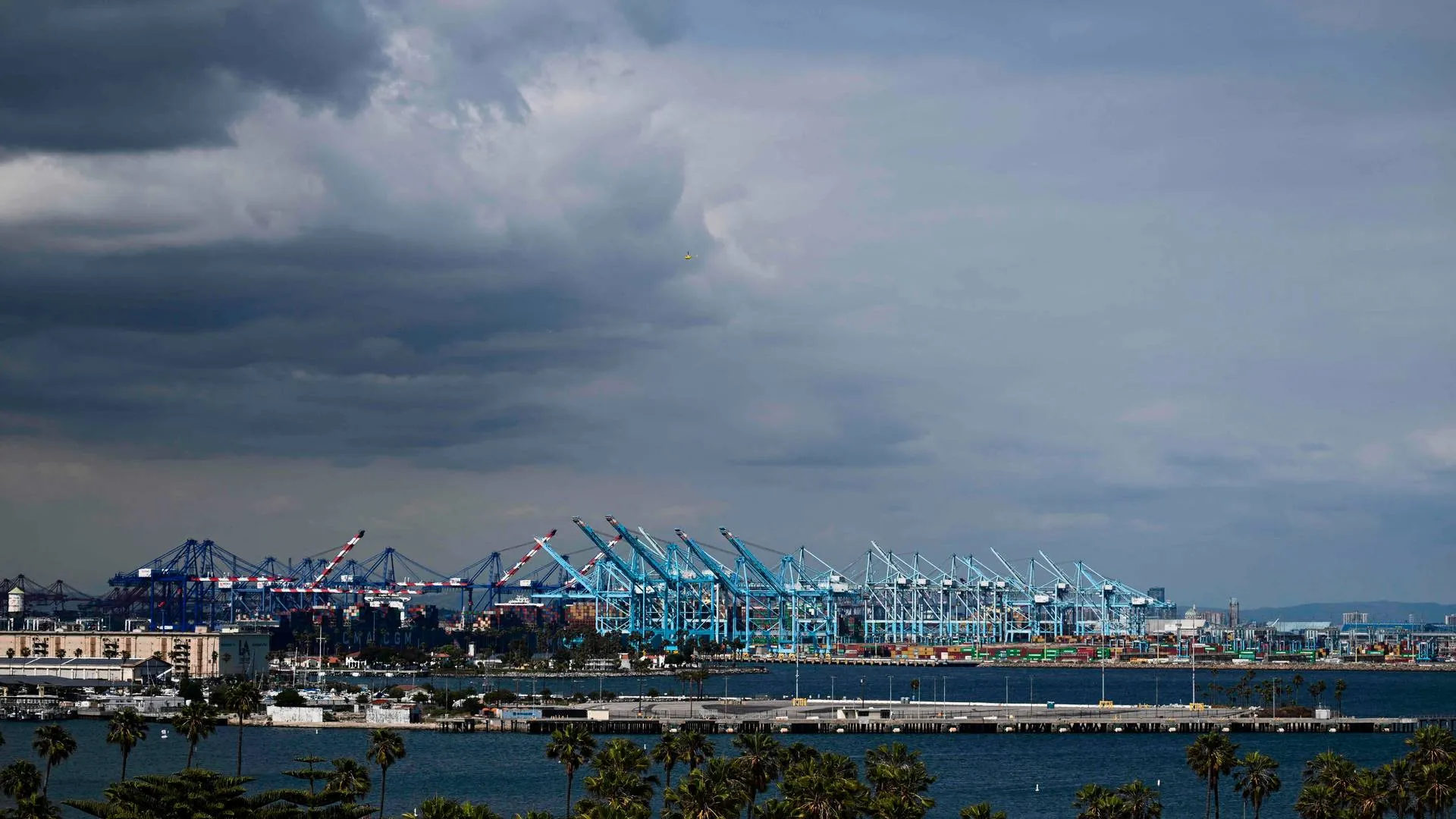
The complex has established itself as one of the logistical pillars of the Brazilian agribusiness. Being the fourth largest public port in the country and the main port of the Northern Arc, the terminal is a strategic point of entry for fertilizers, which support national agricultural production, and also the main export point for soybeans and corn harvested in the Center-North region for the foreign market.
The port has direct service from the Transnordestina Railway (FTL), which is 4,238 kilometers long and crosses seven states in the Northeast, and the Carajás Railway (EFC), which is 892 km long and also transports cellulose produced in Imperatriz, Maranhão. There is also an indirect connection with the North-South Railway, via Açailândia, which links the region to the Southeast and expands business opportunities. This multimodal network provides greater agility and predictability to the flow of cargo.
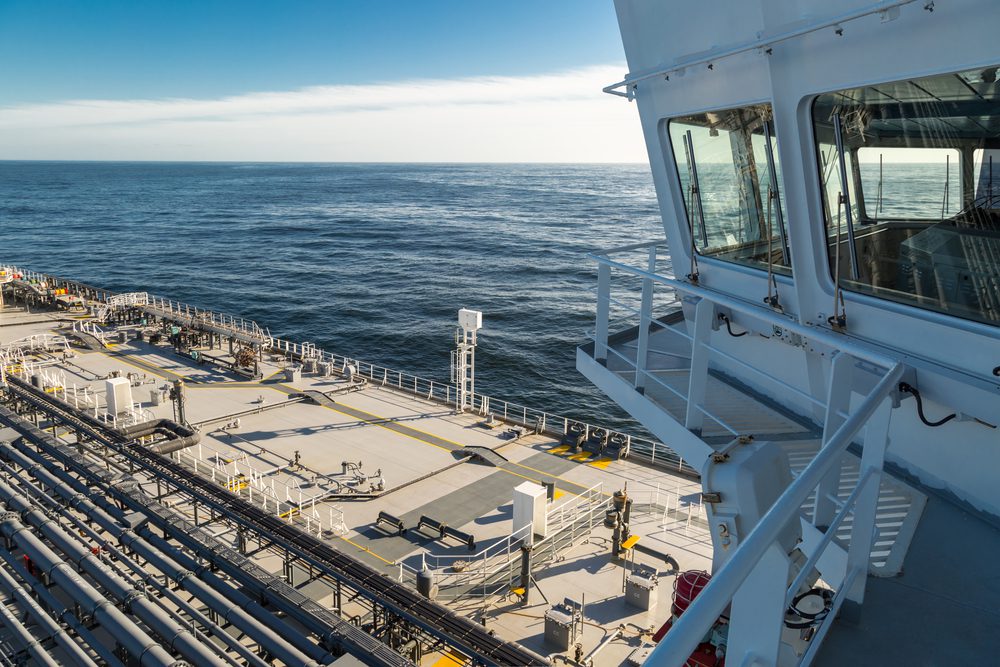
In addition to grains and fertilizers, Itaqui handles liquid bulk (25% of the total), such as gasoline, diesel, aviation fuel, and liquefied petroleum gas (LPG), from countries like the United States, the Netherlands, the United Arab Emirates, and India. The port facility also receives general cargo, such as locomotives, rails, cellulose from Suzano (Imperatriz, Maranhão), and aluminum from Alumar.