The port complexes of Pecém and Rostock signed a memorandum of understanding (MoU) to strengthen the Green Hydrogen Corridor. This alliance adds to the agreements already established with the Port of Rotterdam (Netherlands) and the Port of Duisport (Germany). The objective of the cooperation is to jointly develop this corridor to transport energy and green products from Brazil to Germany and Eastern Europe, in addition to fostering investments in the Pecém Industrial and Port Complex (CIPP).
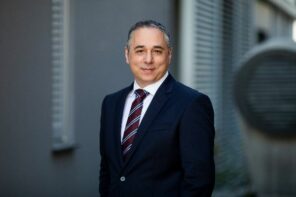
The agreement has an initial validity of two years. “It is one more strategic step to consolidate Pecém as a global green energy hub, strengthening our position not only as an industrial and logistics hub of the Northeast, but also as a global protagonist in the energy transition. The alliance opens concrete opportunities for economic and social development for Ceará and for Brazil,” highlighted Max Quintino, president of the Pecém Complex.
“The agreement with the Port of Rostock expands the scope of our Green Corridor to northern Germany and to the countries of the Baltic Sea—such as Denmark, Sweden, Finland, Poland, Estonia, Latvia, and Lithuania. This new route will connect the production, transport, and consumption of clean energy, reinforcing Pecém’s role as a global green energy hub and strengthening the sustainable chains between Brazil and Europe,” added André Magalhães, commercial director of the Pecém Complex.
Jochen Schulte, Secretary of State of Mecklenburg-Western Pomerania (Germany), underlined that Pecém is becoming the main hydrogen hub in Brazil. “Rostock is one of the future green energy ports in Germany. Together, we can ensure that the energy transition does not stop at borders, but is thought of internationally.”
“For us, the cooperation with Pecém is a strategic alliance. This will allow Rostock to further expand its role as a key port in energy production and import. At the same time, we are accessing one of the most promising green energy locations in the entire world. This is an opportunity that we want to actively shape,” complemented Gernot Tesch, chief executive officer of the Port of Rostock.
Green Corridor
The expansion of the Green Corridor to Germany began in December 2024, when Pecém and Rotterdam (Netherlands) signed the MoU with the Port of Duisport (Germany). The agreement focuses on the transport of alternative fuels—including e-methanol, green ammonia, and other derivatives—to support Europe’s decarbonization and energy security objectives, in line with the continent’s climate goals. It also seeks to support Brazil’s energy transition, develop Brazilian green energy generation projects, and promote economic and social prosperity in the country’s Northeast region.