From a naive teenager in rural Cangzhou to the chief officer commanding a ten-thousand-ton giant ship; from the first time he ran barefoot into the sea by Qingdao’s Zhanqiao Pier, to completing a global voyage over 11 months; when the dream of “high salary and traveling the world” meets the reality of “spending 90% of the time with loneliness,” why does this post-90s sailor still choose to persevere?
How tough is the life of a sailor really? What is it like to work on the vast open ocean? In a conversation with Chief Officer Ma Chunteng, he not only recounted the heart-stopping moment of experiencing a maritime rescue during a sudden kidney stone attack but also shared his unique “amphibious philosophy”—how to guard one’s inner self in the steel-island-like ship cabin and how to find the survival path for a modern sailor between land and sea.
For those young people harboring dreams of sailing and expecting high incomes, he offers the most sincere advice based on over a decade of sailing experience: first ask yourself if you can endure ninety percent loneliness before pursuing that ten percent romance.
My name is Ma Chunteng, netizens call me “Sailor Xiao Ma.” I was born in 1990 in Cangzhou, Hebei. The turning point in my life was in Qingdao. After graduating high school in 2009, I, a kid from the countryside, went to Qingdao to study. It was my first time on a train, my first time traveling far from home, my first time seeing the real sea… By the Zhanqiao Pier, I took off my shoes and ran excitedly into the sea, that excitement is unforgettable to this day. After graduating from Qingdao Marine Advanced Technical School, I officially started my life as a sailor, beginning as the most basic intern and working my way up to chief officer.
What’s it like being a sailor? Is it easy? This is a common confusion for many before entering the profession. The labels of “hard work,” “high salary,” and “not being home” make this career both alluring and intimidating. My idea to join the profession started when I saw recruitment ads for sailors promoting “high wages” and “traveling the world” at a country fair in my hometown, planting a deep seed of sailing in my heart.
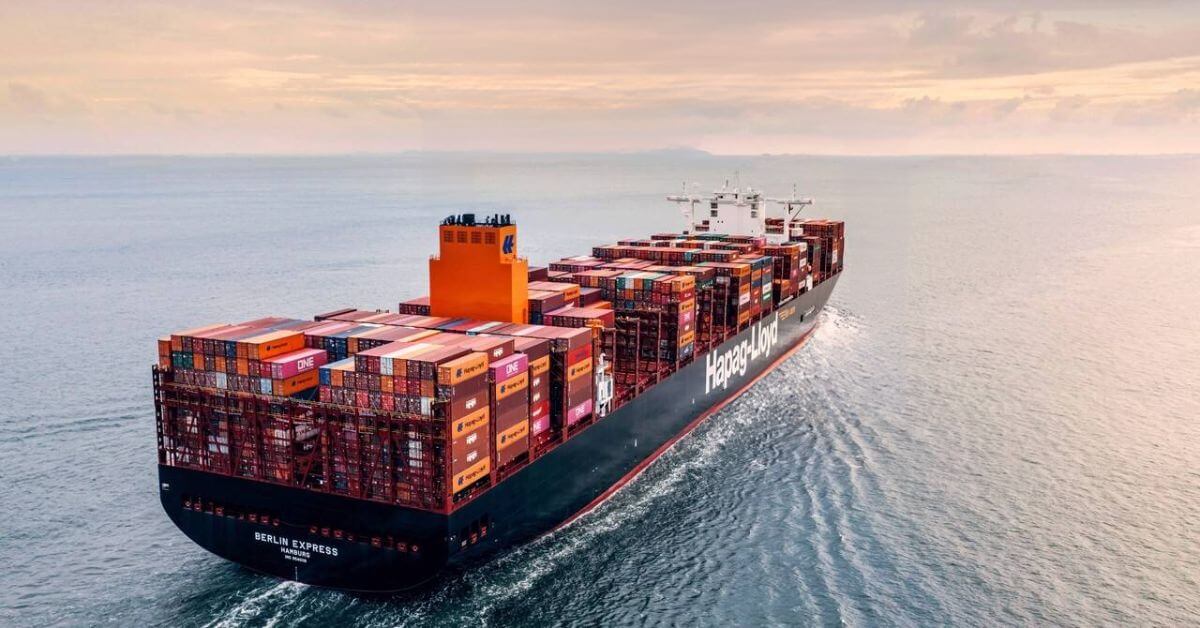
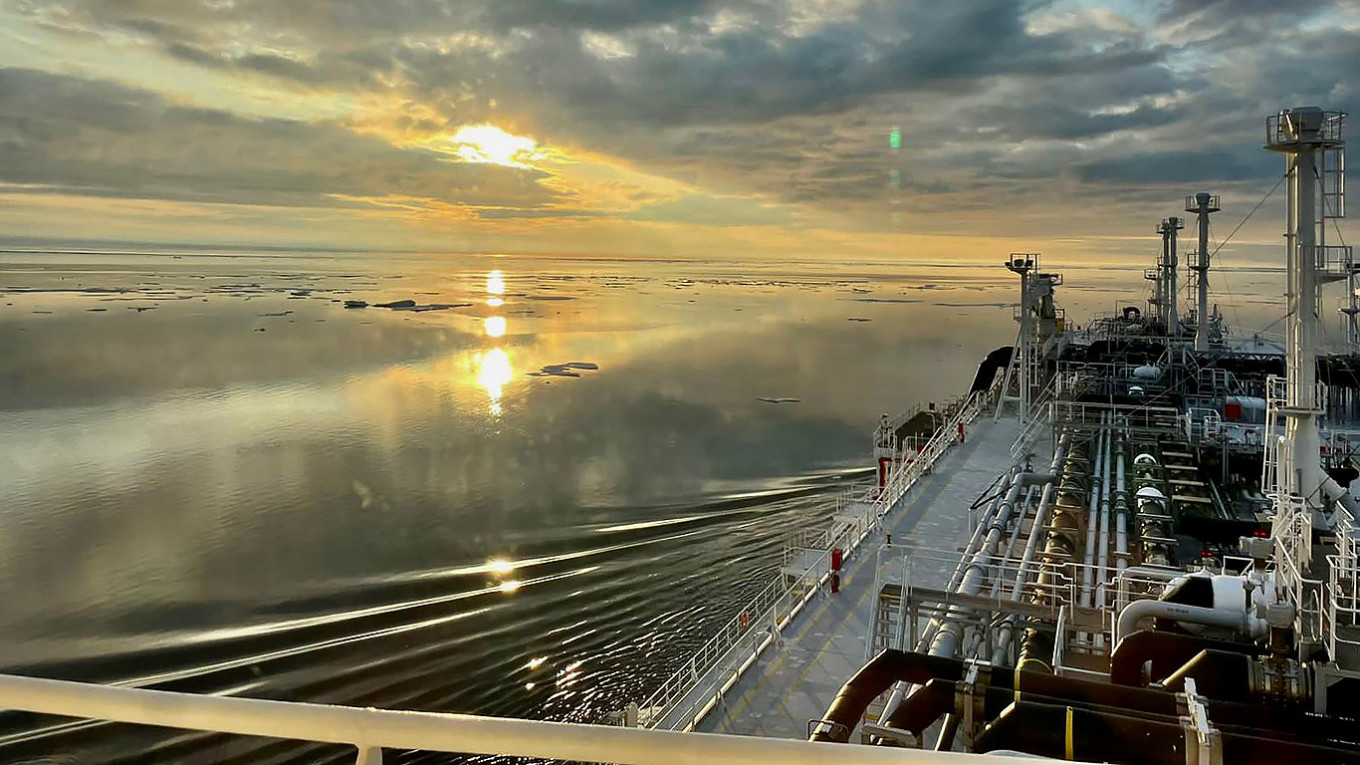
My longest single voyage was a full 11 months, from China to Indonesia, Malaysia, Singapore, India, Australia, then to Brazil, Argentina, making a big loop around the Earth. Life at sea is far less romantic than portrayed in movies. It has its magnificent side: the boundless, vast ocean, incredibly brilliant sunrises and sunsets, pods of chasing dolphins, the Milky Way pouring across the quiet night sky… But more often, it’s the day-to-day routine. The work environment is isolated, enclosed; a cargo ship is like a moving “steel island.”
Online short videos showing the lives of ocean-going sailors, with hosts checking in at tourist spots around the world, actually represent brief freedom earned after months of sailing—often only three or four hours ashore after docking. It can be said that 90% of a sailor’s career is spent in the company of loneliness, with less than 10% of the time available to experience foreign cultures. This job requires extremely strong psychological resilience. Each ship assignment lasts from 6 to 8 months at a minimum, to 10 months or even longer, living in a confined space with only a few dozen people, facing the same faces every day, sometimes going for half a month at sea without encountering another ship.
This extremely monotonous, isolated state of life determines the personality fit for this profession. If you yearn for the bright lights and social buzz of the big wide world, crave a rich social life, then the sailor profession is definitely not for you. But if you have a calm temperament, can endure solitude, and learn to coexist with yourself during long voyages, then you might find your own value on this path.
Loneliness isn’t even the biggest challenge of this profession. On the vast ocean, far from land, even the most common illness can turn into a life-or-death test.
I remember early in my ocean-going career, there was an honest older colleague from Shandong on board. Just a few days into the voyage, he started having diarrhea. At sea, such minor ailments are too common, so no one paid much attention. He asked a colleague for some anti-diarrhea medicine and just toughed it out day after day. Until one day, we found him completely debilitated, without even the strength to stand up. Only then did the captain urgently contact the company to apply for docking for medical treatment. No one expected that late at night, while waiting to dock, he suddenly started vomiting blood, then his pupils dilated, and he quickly went into shock. The captain used the satellite phone to call for help. Fortunately, we weren’t too far from the coast at the time, and a rescue helicopter arrived a few hours later. The hospital diagnosis later was a common E. coli infection—something that on land, a visit to a clinic for an IV drip would have fixed.
The feeling of helplessness in the face of illness at sea is something I personally experienced later in my sailing career. Once, at the Shanghai anchorage, I suddenly had severe abdominal pain in the middle of the night, pain so intense I was rolling around in my cabin. That sense of helplessness is still vivid—I didn’t even know what was wrong with me, let alone if I could hold on until docking for treatment. Later, the captain called for rescue, and the maritime authority sent me to Shanghai Seventh People’s Hospital. After diagnosis, I learned it was kidney stones.
After being at sea for a long time, we all understand one truth: minor illnesses and pains here are amplified into life-and-death tests. A toothache, a small issue on land, if it develops into acute pulpitis, you can only rely on painkillers to tough out the entire voyage; acute appendicitis can lead to peritonitis from a ruptured appendix, endangering life; even more frightening are cardiovascular diseases—if a heart attack occurs at sea, the chance of survival is minimal. Initiating an emergency medical rescue, such as coordinating an emergency entry into the nearest port or calling for a helicopter rescue, is not only extremely expensive but also severely constrained by weather, sea conditions, and the ship’s location. This is why we often say: at sea, your life isn’t just in your own hands, it’s also in the hands of luck. This is not alarmist talk, but the harsh reality of ocean-going voyages.
That kidney stone experience completely changed my professional outlook. I no longer chase the highest salary wherever it is, like I did when I was younger. Now, I place more importance on the safety of the route, especially the distance from shore and the convenience of medical rescue. In recent years, I’ve chosen to work on engineering ships around Qingdao, participating in the construction of the 400,000-ton terminal in Dongjiakou. Although the income might not be as high as on ocean-going routes, at least if an emergency arises, I can dock promptly.
In my view, the true courage of a sailor is not about conquering stormy waves, but about always knowing how to protect life and return safely throughout the long voyages.
Being a sailor, this profession has its unique value. The promotion path for sailors is clear: from intern to seaman or motorman, to third officer or third engineer, then to second officer or second engineer, further to chief officer or chief engineer, and finally to captain or chief engineer. There’s a relatively clear career route. As long as you are willing to learn and have sufficient seniority, you can get promoted step by step, with little need to navigate complex interpersonal relationships for advancement. A phrase I often tell myself is: “If a novice wants to work their way up to captain, no one can stop them.”
This profession doesn’t care about your background, only your ability and perseverance—this “merit-based” fairness is not common in other industries. In our industry, the Seafarer’s Service Record Book is the “proof of seniority.” It’s similar in size and color to a household register. Each time a seaman boards a new ship, the captain stamps it with the ship’s seal, signs it, fills in the joining and signing-off dates and ports, and records whether the work performance was satisfactory. When shipowners recruit, they don’t listen to fancy talk; they directly look at the records in the Service Record Book. A good record requires completing the full contract period—6 months for domestic routes and around 8 months for ocean-going routes. If you only spend one or two months on each ship, your Service Record Book will look fragmented, which is very detrimental for job hunting.
Now I’ve come to realize a viewpoint: to achieve happiness, one must strive to become an “amphibious creature.” Lately, I often share this view with young crew members. Humans are essentially land creatures, but we have chosen to live at sea for long periods. Recalling the Jurassic period, those purely marine or purely terrestrial creatures, many became extinct. Those that survived to this day are precisely amphibians like crocodiles and turtles, which can adapt to both water and land. This principle applies equally to us sailors.
So now I always advocate and practice this lifestyle: work seriously at sea, do the sailor’s job well; when back on land for leave, absolutely must not be idle, must continuously learn new skills, grasp the new trends of social development. Cultivate a career on land, not necessarily pursuing a very high income, but there must be a field where you can put down roots.
Over the years, I’ve been both sailing and doing “self-media,” and previously worked part-time delivering food. Earn money at sea, and also earn money at home—only then can you “advance to attack, retreat to defend,” becoming an “amphibious creature” that can survive in both ocean and land. Paraphrasing a line from Xu Sanduo in “Soldiers Sortie”: The glory of the sailor profession lies in its平淡 (plainness), and its difficulty lies in its漫长 (length).
Disclaimer: This article is reprinted for the purpose of conveying more information. If there are any source attribution errors or infringements of your legitimate rights and interests, please contact us with proof of ownership. We will promptly correct or delete the content. Thank you.