Puerto Rico’s Governor has sent a letter to President Joe Biden requesting a limited waiver of Jones Act for petroleum products and LNG as the U.S. Commonwealth continues to recover of Hurricane Fiona’s landfall more than a week ago.
In his letter, Governor Pedro Pierluisi writes that unidentified “fuel distributors” on the island have informed his office that diesel supplies are dwindling due to the high demand and shortages have already been reported across the island.
“These entities have notified us that a temporary waiver to the Jones Act provisions… would allow them to increase diesel supplies on the Island,” the letter states. He’s therefore asking for a Jones Act waiver limited to “petroleum-derived products and LNG.”
“This specifically targeted and termporary relief would allow Puerto Rico to diversify its fuel sources, ease supply constraints, and mitigate the risk of a fuel shortage in the middle of the response to the emergy caused by Hurricane Fiona,” Pierluisi writes.
The letter provided no details about the specific fuel distributors requests or examples of supply shortages.
BREAKING: Puerto Rico’s Governor implores @POTUS to grant a “limited” waiver of the Jones Act for anticipated fuel shortage. Gov says: fuel distributors have told them diesel supplies continue to decrease at a higher rate than anticipated & shortages have been reported to them /x3bxSBR73o
— David Begnaud (@DavidBegnaud) September 27, 2022
The White House has reportedly indicated Biden Administration is “closely evaluating” any waiver requests for Puerto Rico.
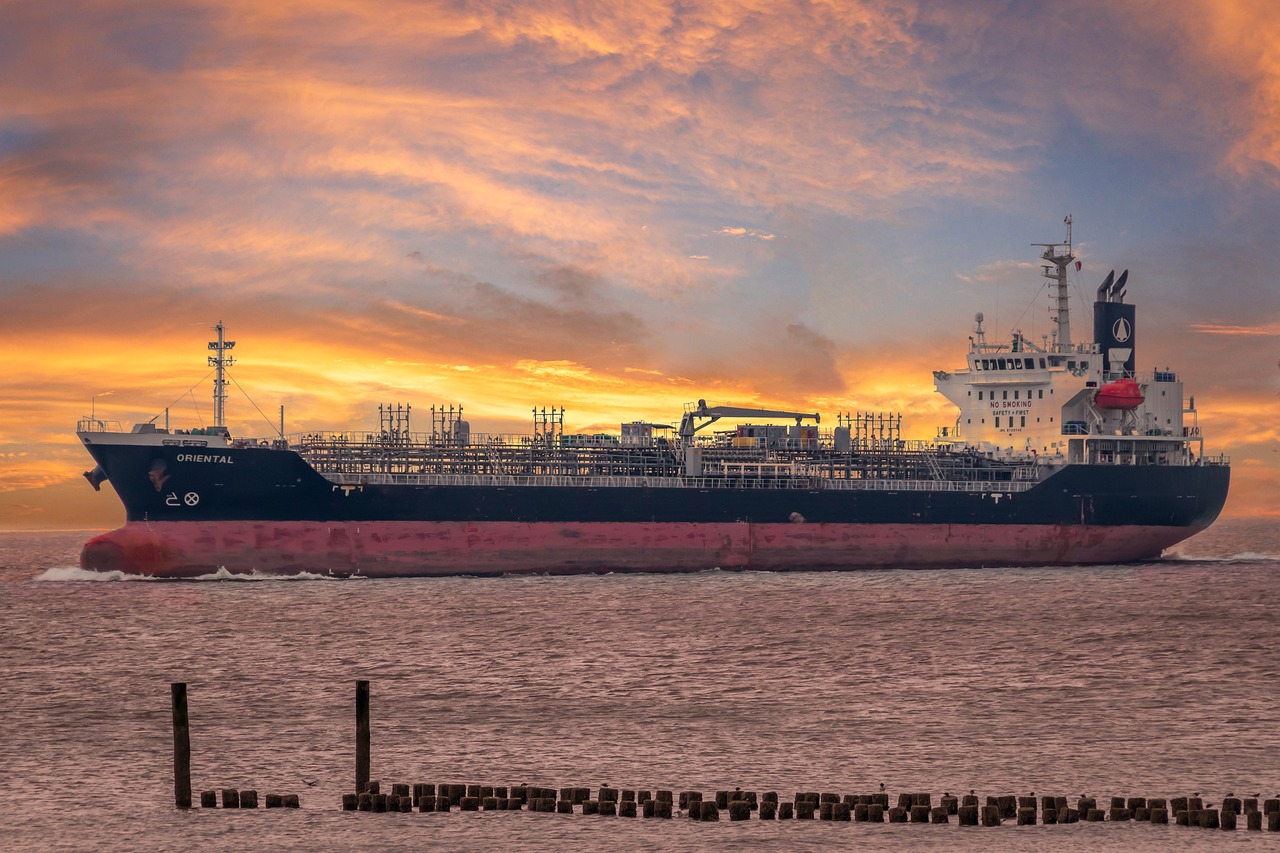
The letter to President Biden comes one day after a foreign-flagged tanker loaded with 300,000 barrels of diesel, the Marshall Islands-flagged GH Parks, arrived off the southern coast of Puerto Rico after departing Texas City, Texas back on September 15. On Twitter on Monday, Governor Pierluisi tweeted that he has requested the intervention of DHS Secretary Alejandro Mayorkas to allow the ship to dock.
Under the Jones Act, the tanker is prohibited from delivering the cargo in Puerto Rico as it would constitute transporting merchandise between U.S. points, and therefore reserved for U.S.-built, owned, and documented vessels. Details about the specific waiver related to the GH Parks, including when it was requested and for what reason, are unclear.
Jones Act waivers can only be issued by the DHS in the “interests of national defense” and when it is confirmed—through a survey of vessels—that no Jones Act-compliant ships are available.
As of now, it’s hard to determine whether fuel supply issues on land have to do with disrupted inland distribution networks, the ocean supply chain (that is, supply to the island), or simply unusually high demand that have caused localized supplies to temporarily run dry. Similar issues arose in the aftermath of Hurricane Maria in 2017.
“While American Maritime has been delivering consistently, and offloading fuel even as this statement is made, foreign carriers are actively looking to profit from this disaster at the expense of the Puerto Rican people; it is bad precedent, it undermines U.S. law, and puts foreign shippers ahead of Americans,” said Ku’uhaku Park, President of the American Maritime Partnership, on Monday following reports of the GH Parks. The AMP lobbies on behalf of U.S. domestic maritime interests and is a proponent of the Jones Act. “There is no indication that American shipping capacity is insufficient to meet demand, and, therefore, no justification for a waiver of the Jones Act.”
The Jones Act is highly controversial in Puerto Rico and attacks on the law, especially after natural disasters like hurricane, are nothing new. The Merchant Marine Act of 1920, more commonly referred to as the Jones Act,requires that goods transported between U.S. ports, such as the U.S. mainland and Puerto Rico, are transported on vessels that are U.S. built, owned, operated, and crewed.Advocates say the lawensures reliable shipping servicesto the U.S. Commonwealth and actually provides more reliable relief than foreign ships considering the supply chain infrastructure that is in already place.
In a LinkedIn post published Monday, OSG president and CEO Sam Norton, said Jones Act waivers should be resisted in almost all cases and called requests a form of disaster arbitrage (OSG operates in the both the Jones Act and international market).
“Generally little understood is that vessels operating under the Jones Act are usually a better source of reliable relief than are foreign flag vessels. Granting even occasional waivers perniciously undermines the stability of these regular supply chains,” Norton writes.
As a resident commissioner from Puerto Rico in the U.S. House of Representatives, Governor Pierluisi in 2013 introduced legislation to exempt the island from the U.S. build requirement of the Jones Act.