The country’s extensive logistics and storage capacity allows for the management of large volumes, but also masks the origin of fuels
Singapore – The continuous flow of Russian fuel into the Singapore bunker market is causing price disruptions and creating a two-speed maritime market. This is what emerged at the Marine Fuels 360 conference, where analysts and operators denounced the impact of high-sulphur fuel blends from Russia, despite Western sanctions.
According to experts, Russian fuel continues to enter the Singapore market through blending processes that mix sanctioned products with unrestricted components, making it difficult to identify its origin. The result is a distortion of prices and the creation of a parallel market, with “premium” fuels for more modern ships and low-cost products for those who can afford lower quality standards.
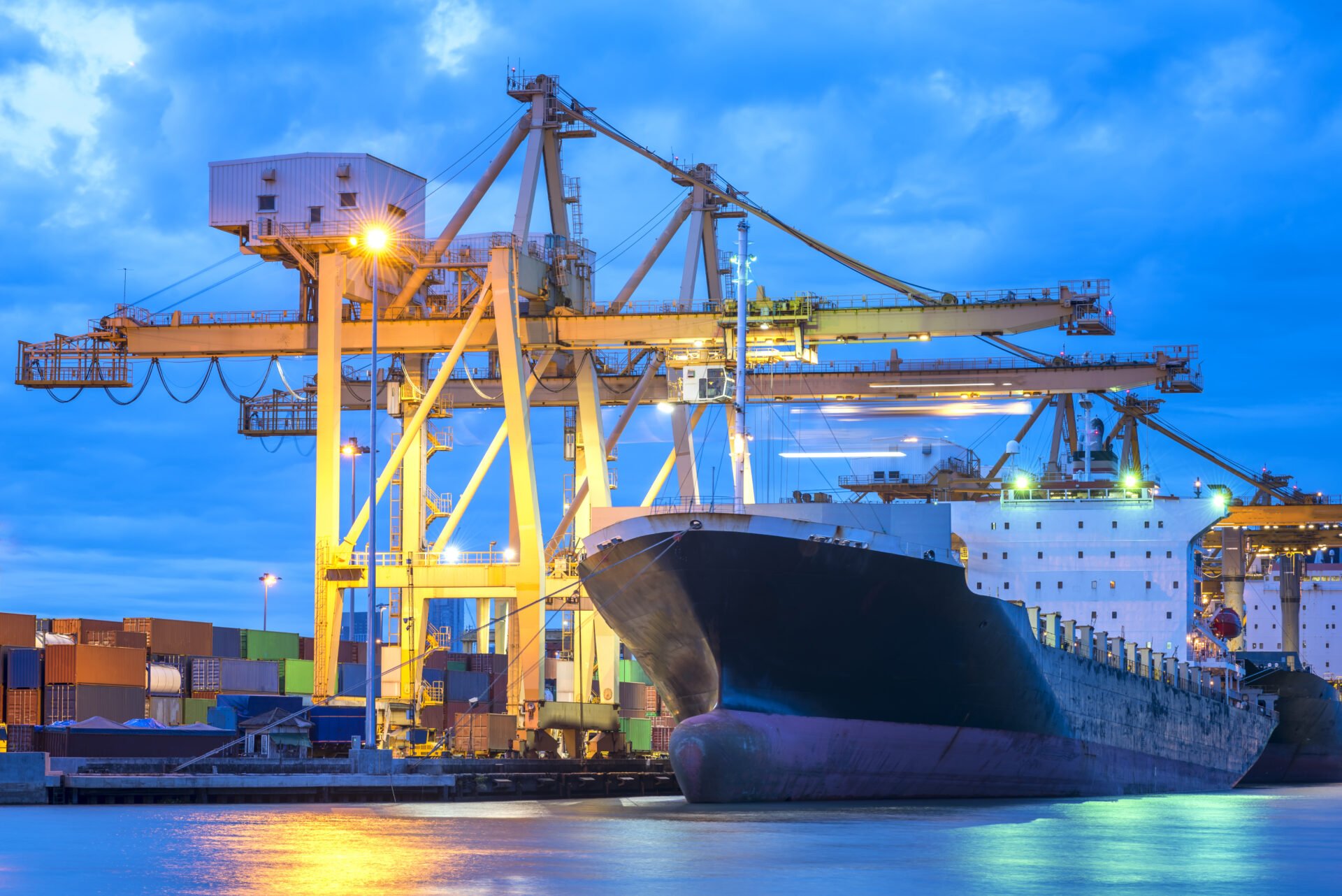
Singapore, the world’s main maritime bunkering hub, remains the focal point of this flow. The country’s extensive logistics and storage capacity allows for the management of large volumes, but also masks the origin of fuels. Traders report that blending with non-sanctioned crudes allows for higher margins, generating a competitive advantage for those who accept the risk of operating at the limits of legality.
In recent months, there has been an increase in reports of off-spec fuels, especially in High Sulphur Fuel Oil (HSFO) batches. Analysts link the phenomenon precisely to the growing presence of blends of uncertain origin, often characterized by excess ash, metals, and irregular density. Singapore’s maritime authorities have intensified controls, but state they have not received official reports of operational problems linked to the use of contaminated fuels. Stricter standards for inspections have been introduced, but ensuring complete product traceability remains difficult.
At the same time, fuel oil inventories in the city-state have reached record levels, close to the highs of recent years. The influx of large quantities of Russian crude and residues is testing the absorption capacity of the local market. Operators warn that if the flows continue to grow, Singapore could find itself managing an oversupply that is difficult to dispose of.