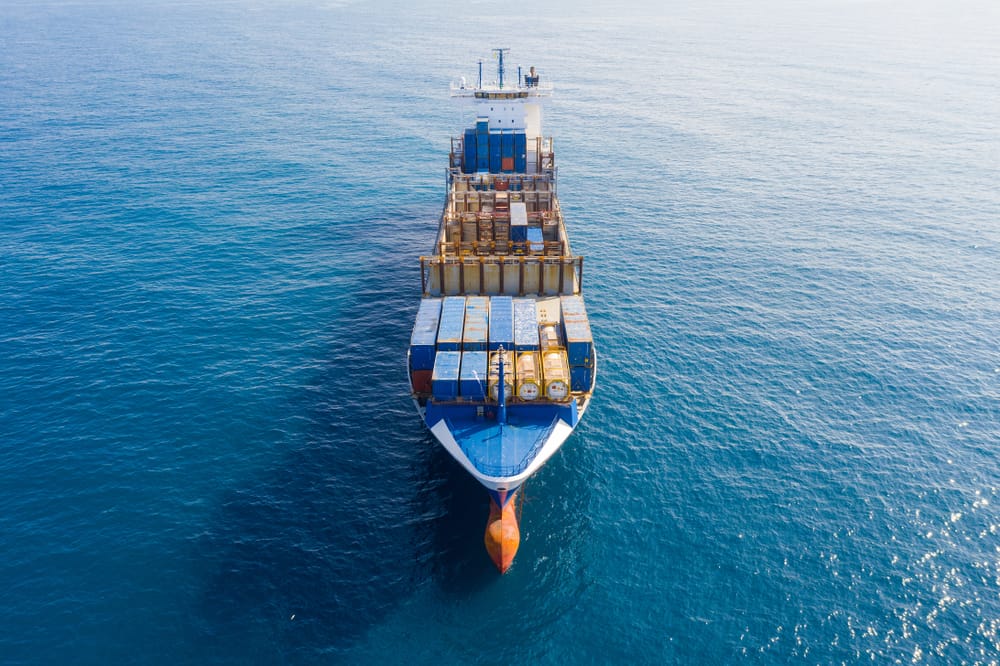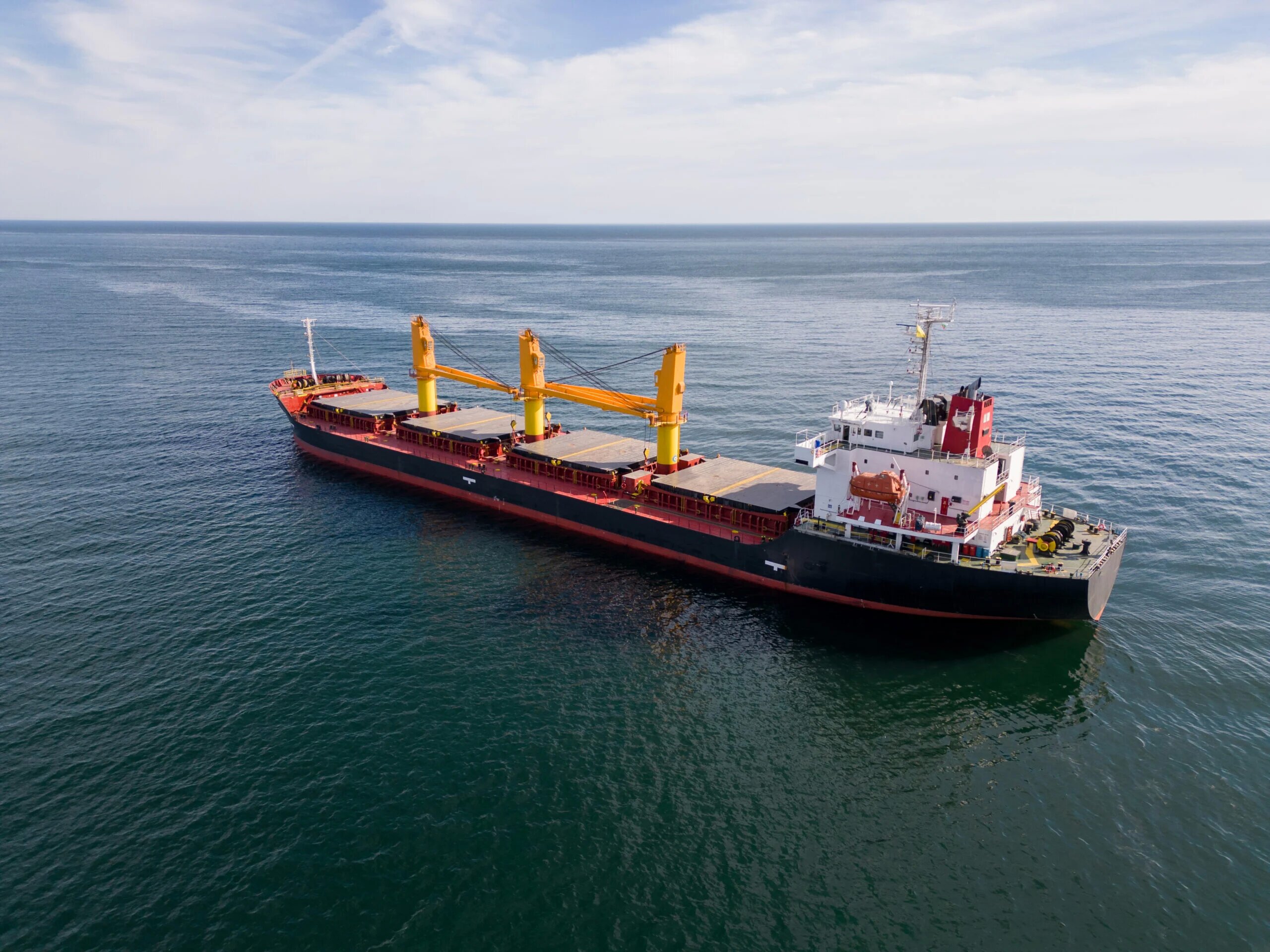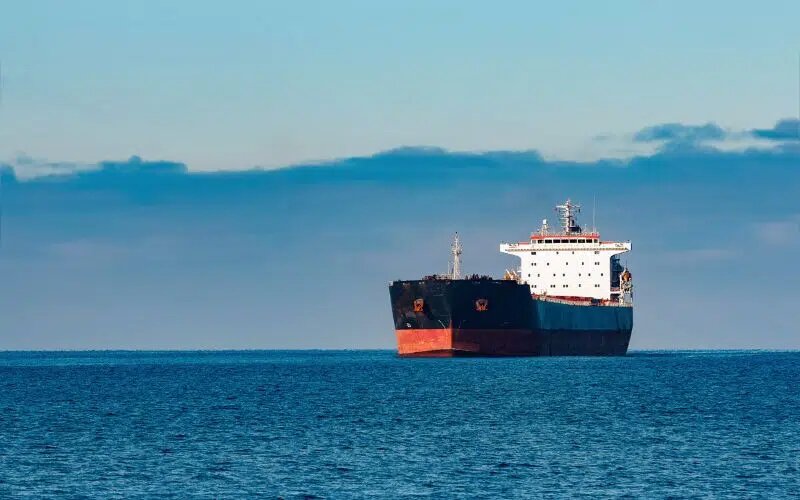
According to Bloomberg, a Russian oil tanker under sanctions altered its course towards Cuba after encountering a US warship near the Venezuelan coast. This incident raises concerns about the potential for increased US intervention aimed at limiting Russia’s energy support to Venezuela.
The vessel in question, known as the Seahorse, was on its way to deliver fuel to Venezuela when it was intercepted by the USS Stockdale. Following this encounter on November 13, the Seahorse redirected its journey and is currently idling in Caribbean waters after attempting twice to approach Venezuelan shores.
The exact motives of the USS Stockdale remain unclear; however, it has been stationed in the Caribbean since late September as part of broader anti-narcotics operations initiated by President Trump. The presence of multiple warships underscores Washington’s commitment to curbing illicit activities in this region.
This particular tanker is one of four sanctioned vessels supplying naphtha-a crucial diluent-to Venezuela. Despite having vast oil reserves, Venezuela struggles with heavy and sulfurous crude that requires lighter products like naphtha for effective transportation through pipelines. The country heavily depends on imports due to limited domestic production capabilities.
Mark Cancian from the Center for Strategic and International Studies commented that this situation exemplifies increasing pressure from the US on Maduro’s government. He noted that any reduction in oil exports could significantly impact an administration reliant almost entirely on oil revenue.
The Seahorse had previously delivered cargoes before heading back toward Cuba only to be diverted again by US naval presence-an unusual maneuver given typical shipping patterns between these two nations.
No immediate comments were available from officials at the White House or representatives from either Russia or Venezuela regarding this development late Thursday evening.
While there were opportunities for Chevron shipments during Biden’s presidency, Trump’s reinstated “maximum pressure” strategy has effectively halted those imports, leaving Russia as a primary supplier for Venezuelan needs since sanctions began in early 2019.
This latest show of force has led to an uptick in bond values related to both Venezuela and PDVSA-the state-owned oil company-indicating market speculation around potential leadership changes that could unlock much-needed financial resources and pave a path toward debt restructuring efforts within the nation.