South Africa has decided to suspend the plan to establish a national shipping company and will re-initiate in-depth consultations. Earlier in early October, the South African cabinet approved the withdrawal of the Merchant Shipping Bill, which was submitted to parliament for deliberation in May this year.
It is understood that the bill originally contained a series of clauses aimed at revitalizing South Africa’s maritime industry, particularly proposing to develop a national merchant fleet through cabotage regulations, with plans for a state-owned entity, the South African Shipping Company (SASCO), to handle specific operations.
When approving the withdrawal of the bill, the cabinet stated that this move would provide the Department of Transport with sufficient time to complete final consultations with various stakeholders. The relevant discussions will proceed within the framework of the National Economic Development and Labour Council (NEDLAC). The core responsibility of this council is to unite industry organizations and community groups to create public participation channels for government bills, ensuring a multi-stakeholder legislative process.
Earlier this year, major industry groups in the South African maritime sector clearly expressed opposition to the Merchant Shipping Bill. Lobby groups, including the Exporter Western Cape (EWC), pointed out that the bill bypassed the statutory process of NEDLAC, leading to a lack of industry-level input during the bill’s formulation. A parliamentary oversight group report dated May 20, 2025, also confirmed that the bill was not submitted to NEDLAC as required, an action deemed to violate parliamentary procedure.
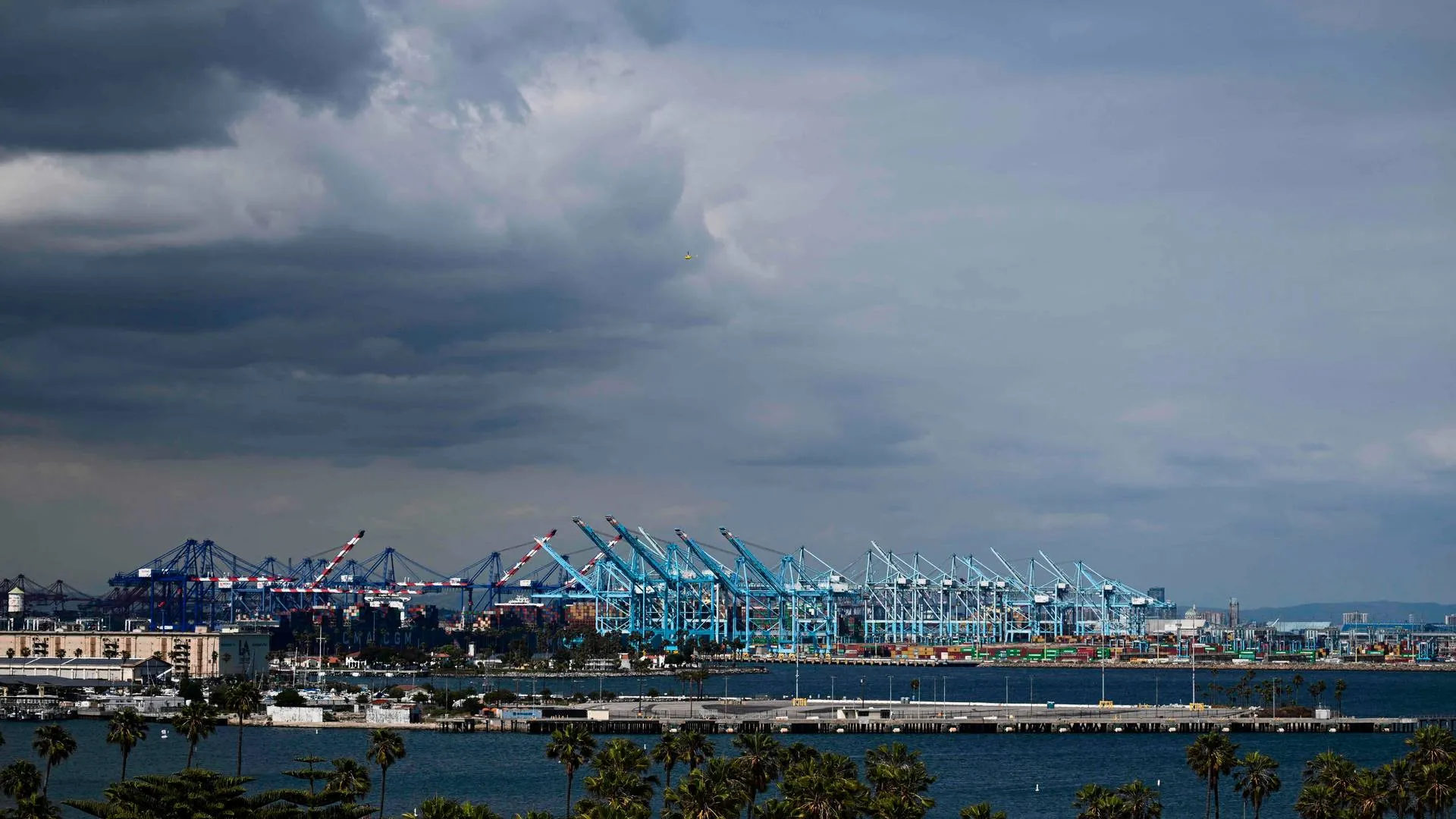
Furthermore, the proposal within the bill to establish SASCO also sparked controversy among various stakeholders. For instance, the South African Association of Freight Forwarders (Saaff) expressed concerns about whether the existing port infrastructure could handle the pressure brought by the proposed cabotage regulations. Saaff pointed out that a “hub-and-spoke” port model requires mature and efficient terminal facilities to avoid cargo backlogs in the transport chain. However, taking South Africa’s Durban port as an example, which currently handles over 60% of the nation’s container cargo, designating it as a hub port as proposed by the bill could easily lead to capacity saturation and operational inefficiencies.
Saaff further added: “Although the direction of developing national autonomous shipping capacity is widely supported, hastily implementing a restrictive cabotage system without fully assessing its overall economic impact could lead to unintended consequences.”
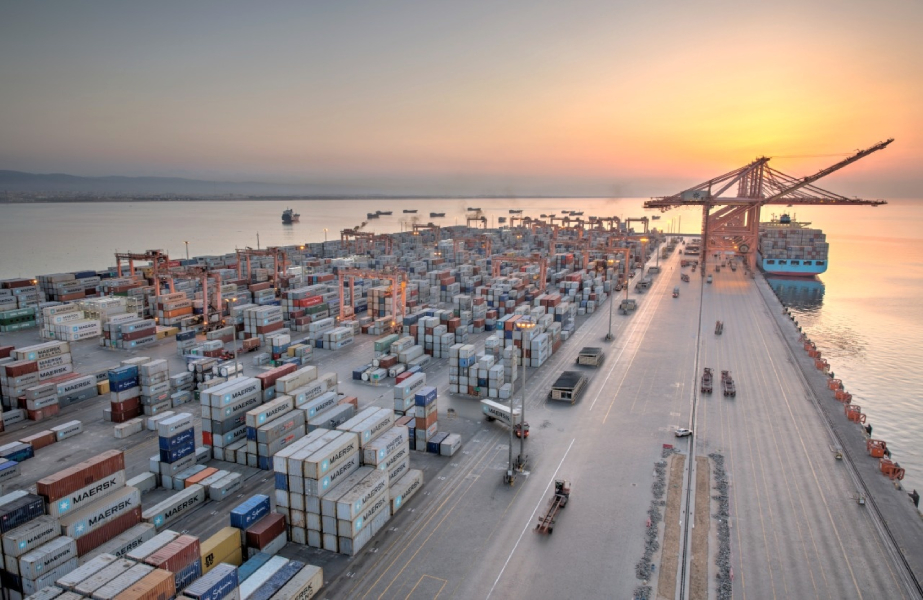
Some observers have also expressed skepticism about the government’s ability to operate a national shipping company, recalling the history of the former state-owned enterprise Safmarine. Established in 1946, Safmarine was acquired by the Danish shipping giant Maersk in 1999 amidst a wave of large-scale consolidation in the global shipping industry.