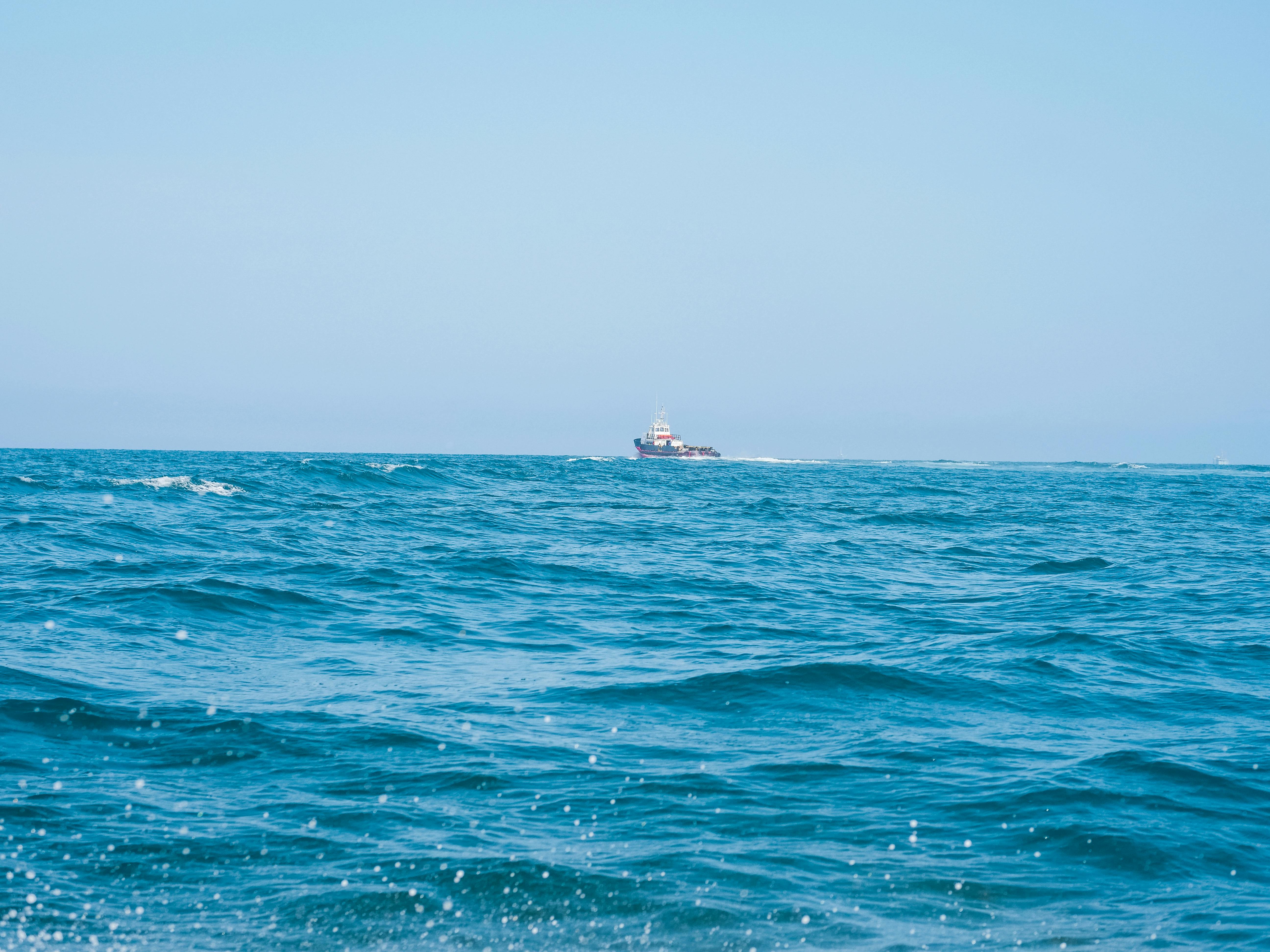
According to recent reports, South Korean forces fired warning shots at a North Korean vessel that crossed into disputed waters near the western sea border. The incident occurred close to Baengnyeong Island, prompting a swift response from Seoul.
The merchant ship retreated after South Korean military personnel issued an audio alert and discharged warning shots. Fortunately, there were no indications that North Korea retaliated or escalated the situation with force.
Officials in Seoul emphasized that their actions adhered to established operational protocols and reaffirmed their commitment to safeguarding national waters. This event is not isolated; similar encounters have taken place previously involving both North Korean patrol boats and commercial vessels attempting to breach this contentious maritime boundary.
The Northern Limit Line has been a flashpoint for conflict over the years. Notably, in 2010, tensions flared when North Korea shelled a South Korean island and attacked a naval ship, resulting in significant casualties.
In January 2024, Kim Jong Un publicly rejected the legitimacy of the Northern Limit Line—an arrangement established by US-led UN forces following the conclusion of the Korean War (1950-53). He argued that this boundary should extend further into areas claimed by South Korea as its territorial waters.
This ongoing dispute was highlighted again in 2022 when exchanges of gunfire occurred after South Korean naval forces fired upon another North Korean merchant vessel crossing into southern waters.
The recent incidents underscore an increasingly aggressive posture from Pyongyang as it continues to challenge Seoul’s claims over these maritime territories while dismissing calls for renewed diplomatic dialogue aimed at easing tensions between the two nations.
Relations have soured significantly in recent years following Kim’s announcement of an ambitious weapons development program and his growing ties with Russia amid geopolitical shifts stemming from events like Russia’s invasion of Ukraine in February 2022.