The Paranaguá Container Terminal reached the milestone of 1 million TEUs handled in 2026 on Monday, August 3.
The mark was reached 10 days earlier than in 2025 and reflects a 4% increase in operations compared with the previous year. A TEU, or twenty-foot equivalent unit, is the standard measure used in the container shipping industry.
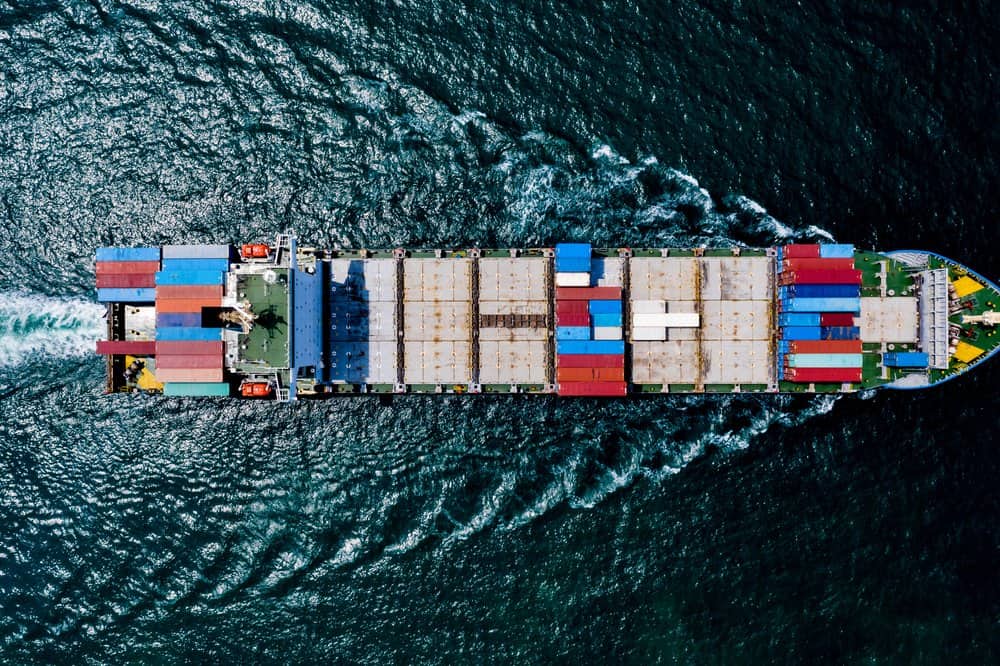
The one-millionth container was handled during the call of the MSC vessel VALOR, a 300-meter-long and 48-meter-wide containership operating on a service connecting Brazil with Europe.
“This result is a clear indication of TCP’s commitment to delivering the efficiency and operating capacity needed to absorb stronger market demand for cargo handling,” said Fabio Mattos, TCP’s commercial manager.
“Investments in infrastructure and equipment, combined with professional excellence and the dedication of our employees, were essential to reaching this milestone ahead of schedule. The terminal remains on track to close 2026 with the best result in its history,” he added.
The 1 million-TEU milestone came shortly after the close of July, when TCP handled 147,900 TEUs, its best monthly performance of 2026 and 5% above the 140,900 TEUs recorded in July 2025.
One of the highlights was the increase in refrigerated container handling. Reefer containers, mainly used to transport meat and frozen products, rose 10% between January and July, from 80,300 units in 2025 to 88,400 in 2026.
By the end of July, TCP had handled 379,000 containers through its truck gates and 62,000 containers by rail, supported by 774 train operations. The Paranaguá Container Terminal is the only terminal in southern Brazil with a direct rail connection to its operating yard.
At the quay, TCP received 597 vessel calls. The terminal has the largest concentration of maritime services among Brazilian port terminals, with 22 regular weekly services, including cabotage and long-haul routes linking Paranaguá to the Americas, Africa, Europe and Asia.
Trade flows supported by meat and automotive cargo
In the first seven months of 2026, TCP handled 4.913 million metric tons of cargo, up 10% from 4.465 million metric tons in the same period last year.
The result was driven by exports of meat and frozen products, which rose from 2.047 million metric tons to 2.344 million metric tons, supported by stronger chicken and pork shipments.
“TCP offers a strategic advantage for meat and frozen food exporters, which need storage capacity and a high number of vessel calls to ship their products and meet the strict deadlines of importing markets,” Mattos said.
“For that reason, the terminal continues to invest in expanding its refrigerated container infrastructure, with capacity expected to increase from 5,280 plugs to 5,500 still in 2026,” he added.
The pulp and paper segment also grew, rising 9% to 623,000 metric tons this year, compared with 569,000 metric tons in 2025.
On the import side, the automotive segment led volumes, supported by growth in the electric vehicle market and the unloading of parts and components. Automotive cargo totaled 346,000 metric tons in 2026, up 8% from 319,000 metric tons a year earlier.
Vessels operate at maximum draft in Paranaguá
On Friday, July 31, TCP received the containership MSC Iris.
At 366 meters long and 51 meters wide, with capacity for approximately 16,000 TEUs, MSC Iris was the first 366-meter vessel to use the Port of Paranaguá’s maximum draft of 13.30 meters.
Draft refers to the distance between the waterline and the lowest point of a vessel’s hull.
“Since November 2025, the Port of Paranaguá has been operating with a draft of 13.30 meters, and more than 30 vessels have already used the maximum permitted depth. This translates into greater operating capacity for loading and unloading cargo,” Mattos said.
“The result is greater competitiveness for shipowners, exporters and importers using the terminal, with the potential to reduce logistics costs and improve supply-chain planning,” he added.
Ships measuring 366 meters are among the largest vessels operating at Brazilian ports. TCP was the first port terminal in Brazil to receive a vessel of this class when it welcomed the MSC Natasha XIII on January 29, 2024.
Source: TCP