According to Taiwanese media reports, the United States and Iran have signed a memorandum of understanding, and Iran should immediately open the Strait of Hormuz for passage. However, in addition to the slow navigation speed due to necessary mine clearance, the 600 ships stranded in the strait must first remove organisms such as barnacles attached to their hulls. This cleaning fee is not low, can only be done manually, and amounts to five-digit US dollars.
According to CNN, as the Strait of Hormuz resumes navigation, Iran claims it will charge service fees, but before such fees are imposed, merchant ships and oil tankers must first pay a cleaning fee to remove barnacles, mussels, clams, algae, and other marine organisms attached to the hulls. Cleaning these marine organisms must be carried out manually by divers.
Derek Hamm, a diver from a Florida-based ship cleaning company, exclaimed: “Four months of anchorage is enough to accumulate a lot of dirt.”
These barnacles and shellfish attached to the hull are referred to in the shipping industry jargon as “biofouling.” They are not just organisms but also cause significant problems. Oil tankers in the Strait of Hormuz must first remove them before continuing to their destinations, creating new challenges for restoring the global energy supply chain.
Let’s start with how to clean biofouling. As diving company owner Brian McCauley said, the work of underwater cleaners is not complicated in itself, but the ships themselves are too large for divers.
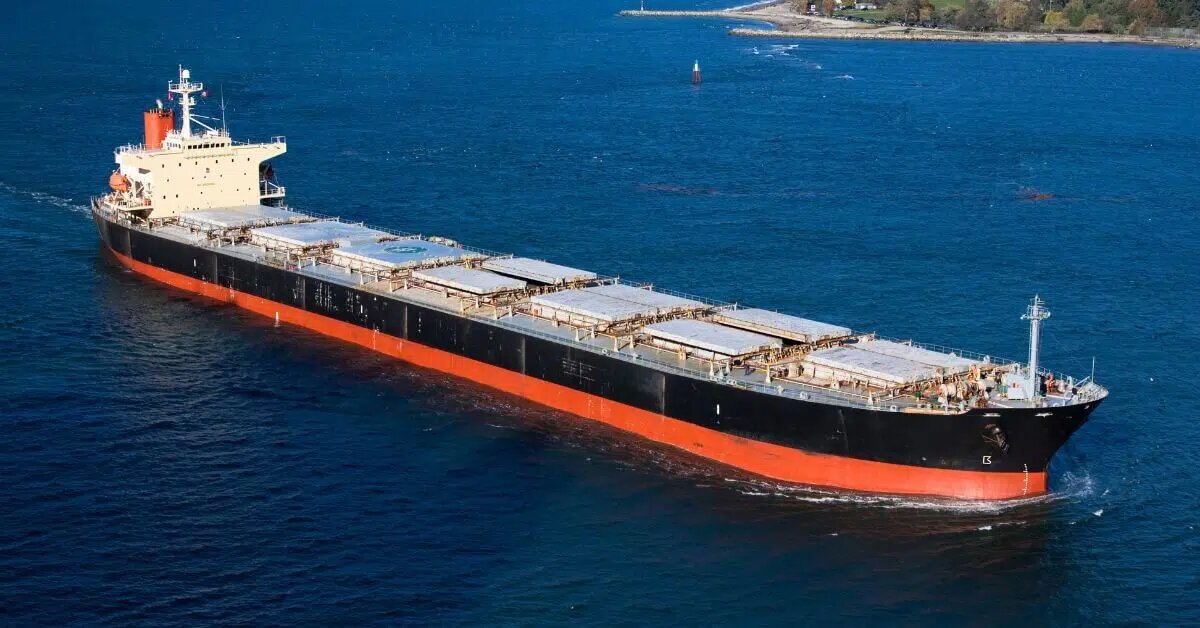
This work essentially requires manual labor. Divers use manual scrapers and high-pressure washers to remove biofouling from the ships. For a supertanker over 305 meters long and about 45 meters wide, the hull area is approximately 14,000 square meters. Five to six divers need to spend 4 to 5 hours cleaning it.
Divers must first use spears to scrape off organisms. For particularly stubborn organisms like barnacles, electric grinders or high-pressure washers must be deployed. Divers also need to be careful not to damage the hull paint and special coatings, as these coatings help prevent biofouling. If the coating is damaged, it could cause major problems, potentially violating ecological regulations and insurance terms.
Cleaning the propeller is especially troublesome, requiring the removal and reinstallation of the propeller.
Considering that 600 ships in the Strait of Hormuz need cleaning, it is foreseeable that the cleaning project will take a significant amount of time. Currently, the demand for hull cleaning has surged, and cleaning costs have increased by thousands of US dollars.
Aron Sørensen, Chief Environmental Officer at the Baltic and International Maritime Council (BIMCO), the world’s largest shipowner industry organization, stated that they are now charging up to five-digit figures per ship.
Ships are also designed with fluid dynamics in mind. Biofouling disrupts this design, severely reducing fuel efficiency and significantly increasing navigation costs. Fuel costs account for 50% of a ship’s total operating costs. If a ship is anchored for years, leading to severe biofouling on the propeller, the propeller may even become completely ineffective.
Marine regulations also require ships to remove biofouling such as barnacles from the hull before entering port. These barnacles may harbor many invasive species, potentially causing serious damage to the marine environment. Insurance companies also include hull treatment clauses in their terms to ensure ships comply with regulations and operate efficiently.
Statement: This article is reproduced for the purpose of conveying more information. If there are errors in the source attribution or infringement of your legitimate rights and interests, please contact this website with the relevant proof of ownership, and we will promptly correct, delete it. Thank you.