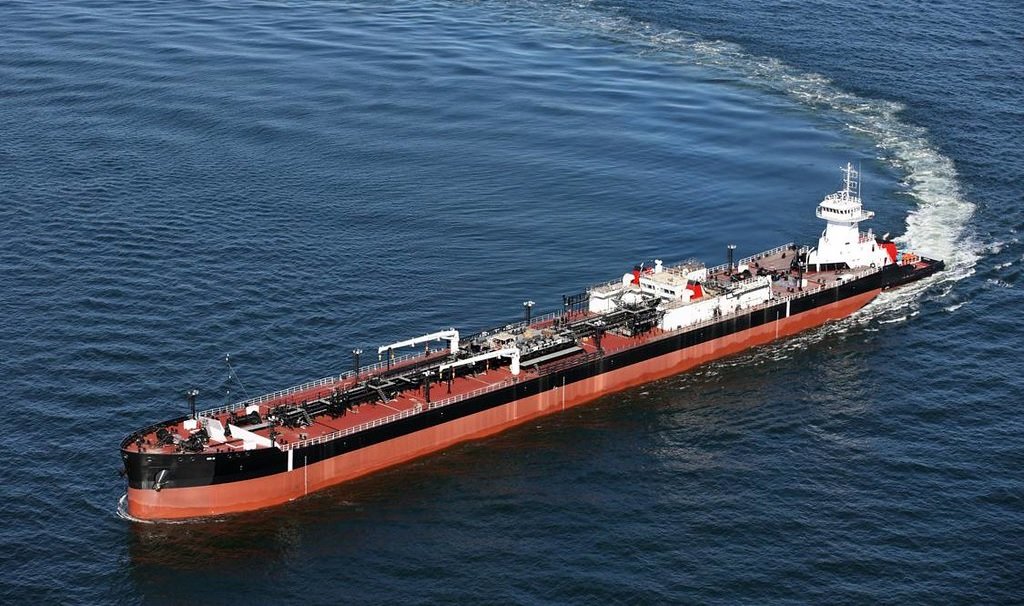
The supertanker New Corolla completed its unloading this week at the Port of Long Beach, California, delivering the last batch of Middle Eastern crude oil the state will receive. According to market intelligence firms Vortexa and Kpler, in the months following the reopening of the Strait of Hormuz, no further tankers carrying Middle Eastern crude will arrive in California — for this state with the highest gasoline prices in the U.S., the energy crisis is deepening with no signs of relief.
Currently, the average gasoline price in California has risen to $6.16 per gallon, the highest in the nation, approximately $1.61 above the national average; the average diesel price is $7.48 per gallon, approximately $1.82 above the national average. GasBuddy analyst Patrick De Haan warned that even if the strait reopens, “it will take another month or two for flows to begin recovering, and then the gap will need to be slowly filled.”
California’s vulnerability in this crisis is particularly pronounced. The state currently imports about 75% of the crude oil it consumes, with nearly one-third coming from the Middle East, making it the state most dependent on Middle Eastern crude in the U.S. Simultaneously, major Asian fuel suppliers such as South Korea are cutting exports to California, and two of the state’s main refineries have closed within the past six months, with multiple pressures continuing to compound.
The Trump administration has implemented emergency measures such as Jones Act waivers and the restart of an offshore pipeline, but analysts and industry insiders point out that the supply gap is too large to be bridged in the short term. Vortexa analyst Rohit Rathod stated succinctly: “There are no more vessels scheduled from the Middle East.”
The New Corolla departed from the port of Basra, Iraq, days before the U.S. and Israel launched their first strikes against Iran, passed through the Strait of Hormuz on February 28, and subsequently carried approximately 2 million barrels of crude oil across the Indian Ocean and Pacific Ocean, taking six weeks to reach the U.S. West Coast. The tanker had already discharged part of its cargo last month and continued unloading at the Port of Long Beach this Friday. Once unloading is complete, the supply of crude oil from the Middle East will be completely cut off until the strait reopens and several more months pass before the next vessel is expected to arrive.
Currently, California’s energy crisis stems not only from crude oil shortages but also from a simultaneous crunch in refined fuel supply. Vortexa data shows that South Korea’s supply of refined products to California is expected to be only about 35,000 barrels per day in May, far below the 100,000 barrels per day in April — major Asian fuel suppliers like South Korea are slowing exports to ensure their own energy security.
The contraction of local refining capacity further exacerbates the困境. In the past six months, two major refineries in California have closed, losing about one-fifth of the state’s local refining capacity. Analysts point out that the blockade of the Strait of Hormuz has caused a disruption of at least 1 billion barrels of crude oil supply in the global market, with effects extending long after the strait reopens.
The Trump administration has rolled out several emergency measures. In mid-March, the government issued a 60-day Jones Act waiver. The Jones Act, a law signed by President Woodrow Wilson in 1920, prohibits foreign vessels from transporting goods between U.S. ports; the waiver allows companies to use larger foreign tankers to deliver energy to California, improving the economics of supply flows that were previously unviable.
According to Vortexa data, U.S. oil companies, including refiner Marathon Petroleum, have since mid-March used approximately 12 foreign tankers to transport about 2 million barrels of gasoline, gasoline blending components, jet fuel, and biodiesel to California via the Panama Canal, with small amounts going to other states like Alaska. California typically consumes over 1 million barrels of refined products daily, leaving a significant gap between the two figures. Chevron spokesperson Ross Allen acknowledged:
“So far, vessel availability and positioning issues have limited the scale of relief the Jones Act waiver can provide.”
The government also invoked the Defense Production Act — a Cold War-era law allowing the president to expedite the flow of materials in emergencies — to approve oil producer Sable Offshore to restart an offshore pipeline. The pipeline, previously shut down by California regulators after a 2015 oil spill contaminated the coastline, has resumed operations and can now deliver approximately 50,000 barrels of crude oil per day to California. Chevron CEO Mike Wirth stated on an earnings call this month that the company has routed some Sable crude into its El Segundo refinery:
“We are doing everything we can to fulfill our supply obligations, but this also exposes the structural vulnerabilities accumulated in California due to decades of poor energy policy.”
Disclaimer: This article is reprinted for the purpose of conveying more information. If there are errors in source attribution or infringement of your legitimate rights and interests, please contact us with the relevant supporting documents, and we will promptly correct or delete it. Thank you.