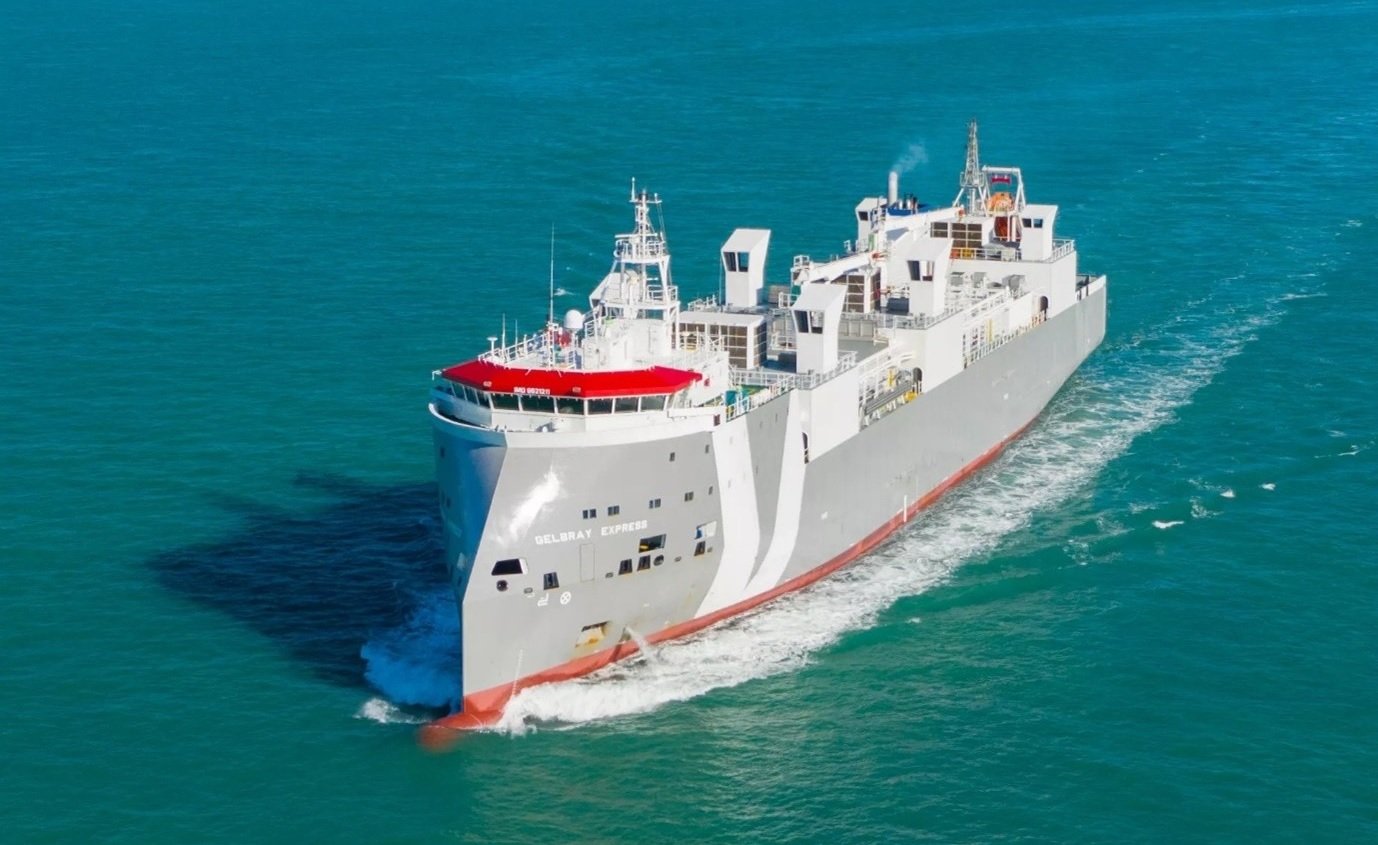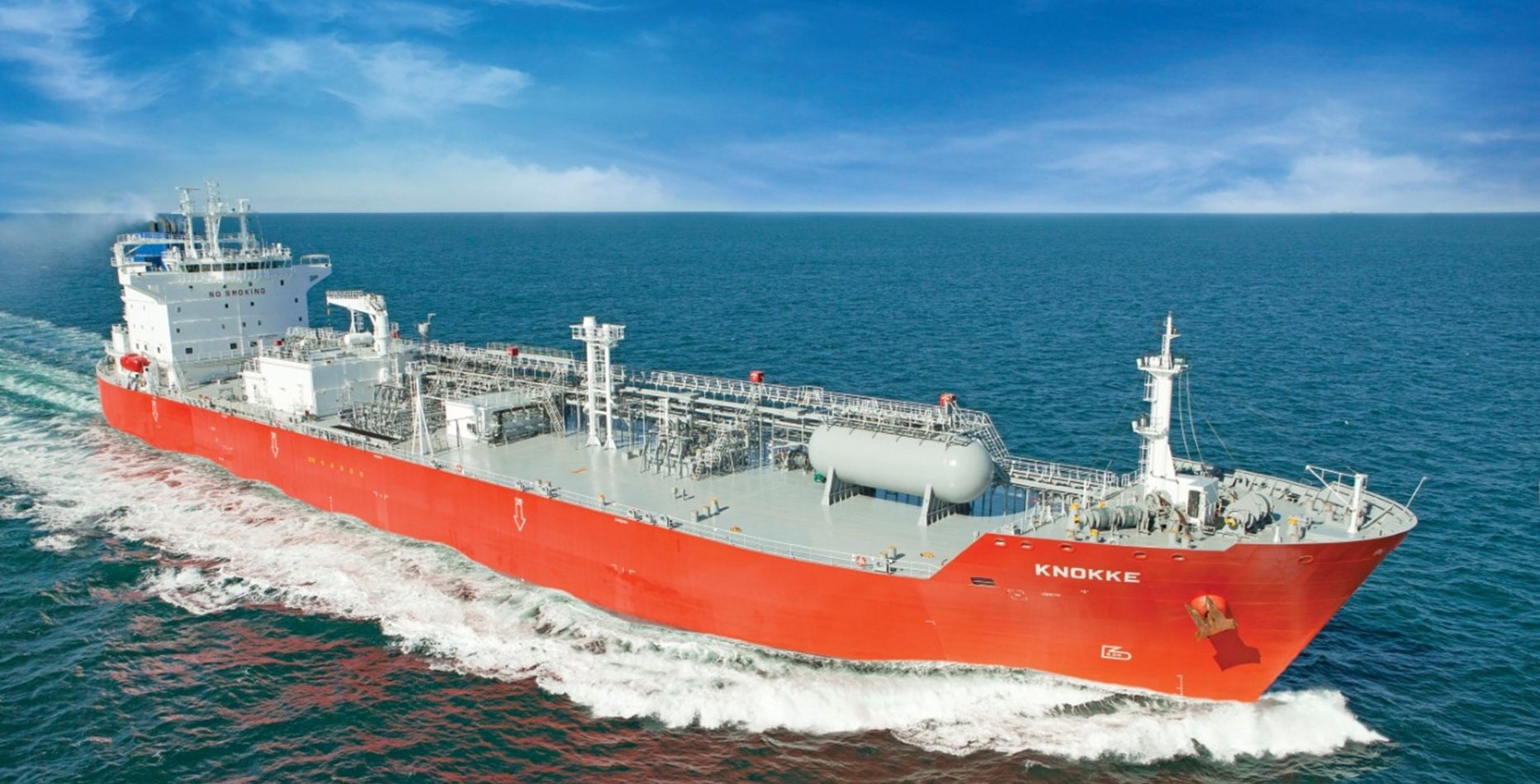
Analysts suggest that the sharp slowdown in new shipbuilding orders could have profound implications for vessel prices and asset values.
According to Clarksons Research, global new ship orders in the first five months of 2025 plummeted significantly, with only 515 new vessels ordered (totaling 15.9 million compensated gross tons), marking a 48% decline compared to the same period in 2024.
Clarksons Securities also noted: “We believe that if the market downturn persists, newbuild prices could drop by up to 10%, dragging down secondhand vessel values and weakening the net asset value (NAV) across the industry.”
A team of analysts led by Frode Morkedal stated that the decline in orders reflects macroeconomic uncertainty, escalating geopolitical tensions, and factors such as U.S. port fees imposed on Chinese-built vessels, all of which have dampened market sentiment. They noted that weaker freight rates for key vessel types have also failed to alleviate the situation.
Analysts observed that newbuild prices have already begun to decline, though the drop has been relatively modest so far. The Clarksons Newbuild Price Index has fallen 1.7% from its peak in Q3 2024 but remains 29% above the 10-year average.
Clarksons reported that as shipyards work through existing orders, delivery lead times are shortening. The average delivery time for Chinese shipyards has decreased from about 4.5 years to 4.1 years, while South Korea’s has dropped to 3 years.
Analysts added: “If lead times shorten by another six months, we anticipate newbuild prices could fall by an additional 10%, with resale values potentially declining by around 8%.”
However, the stock market reaction appears more pessimistic. Clarksons noted that the current enterprise value-to-total asset value ratio suggests a 15% drop in asset values, implying investors expect double the potential decline.
Frode Morkedal’s team pointed out: “The anticipated market volatility may exceed actual fundamental conditions, especially given the support from an aging fleet and ongoing green vessel transitions. If the decline in newbuild activity remains limited, such expectations may be excessive.”
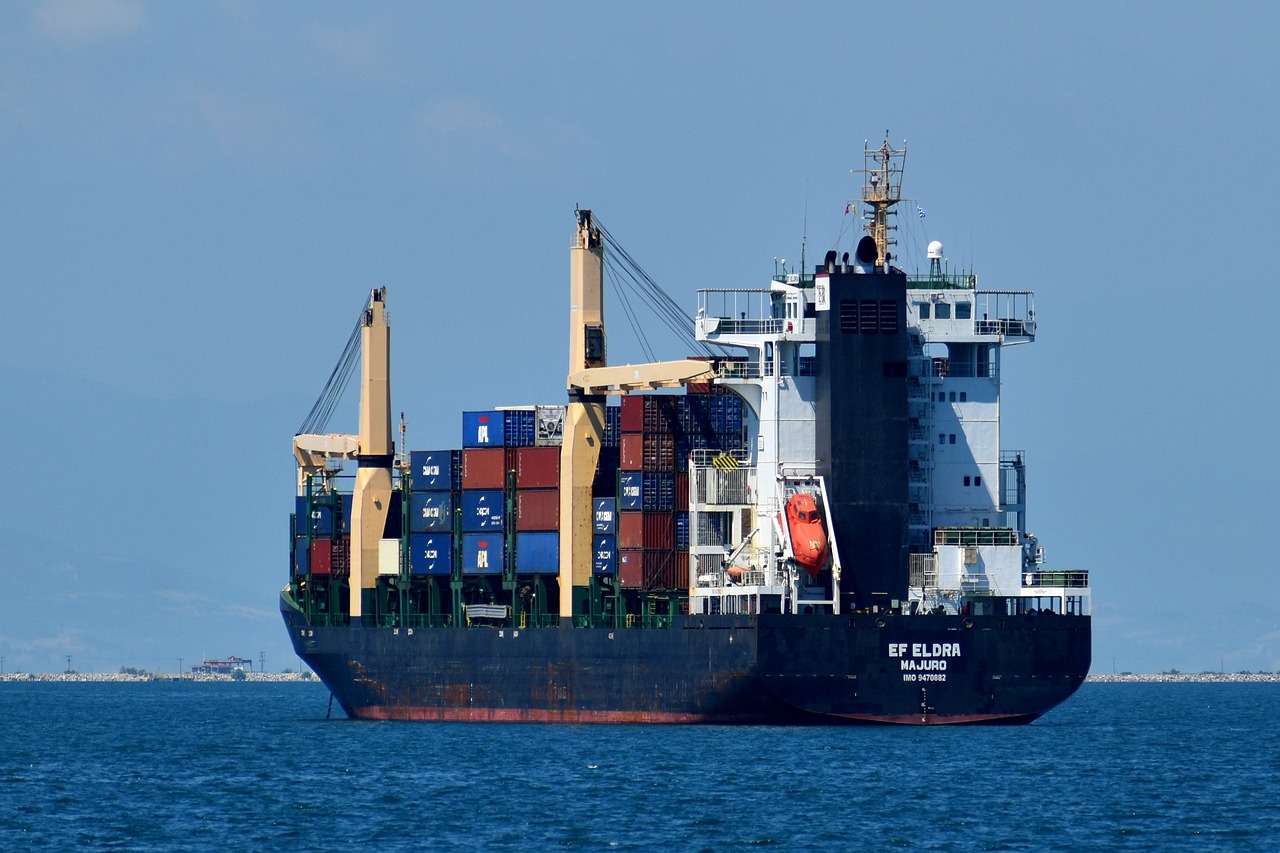
Sarah Holden, an analyst at Clarksons Research, highlighted that container ships remain a “bright spot” for shipyards: “Despite a moderation in overall market activity this year following a strong 2024, container ship orders continue to show robust demand.”
Data shows that orders for this vessel type have risen another 10% year-to-date in 2025, reaching a record high in capacity terms. Clarksons confirmed container ship orders now stand at 200 vessels, totaling 1.9 million TEU.
Sarah Holden noted that while this figure is slightly below the record 4.6 million TEU in 2024, container ship orders remain double the 10-year trend level and account for half of global shipyard orders by compensated gross tonnage so far in 2025.
Over the past 12 months, new container ship orders surged by 50%, reaching 9.4 million TEU—20% higher than the mid-2023 peak.
Data indicates that while the current orderbook as a percentage of the existing fleet capacity (30%) is well below the 60% seen in 2008, it remains significantly higher than tankers (15%) and bulk carriers (10%).