On July 10, reporters learned from Liaoning Port Group that the official website of Liaoning Maritime Safety Administration recently announced the expansion of the open area of Huludao Port, marking the official opening of Suizhong Port to international vessels.
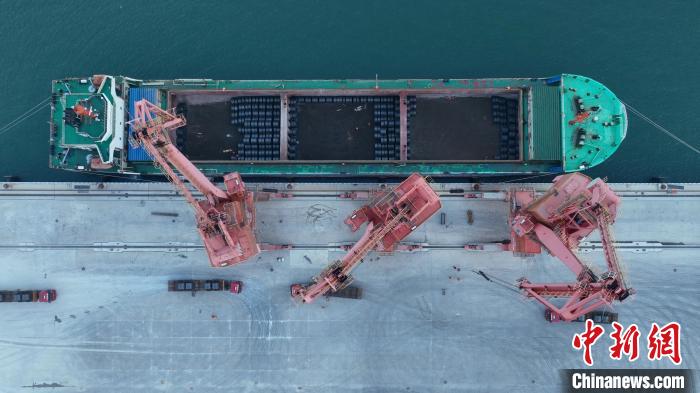
Photo shows Suizhong Port. Courtesy of Liaoning Port Group.
Located at the center of the Northeast Asia economic circle and the western section of Liaoning’s coastal economic belt, Suizhong Port serves western Liaoning, eastern Inner Mongolia, and eastern Hebei, making significant contributions to regional economic development.
On January 1, 2022, the State Council officially approved the opening of Suizhong Port. Subsequently, the port accelerated the construction of port facilities and the development of foreign trade cargo sources to ensure the smooth completion of the opening process. This round of opening includes three 50,000-ton general-purpose berths with a total length of 800 meters, backed by customs supervision areas, and a designed annual throughput capacity of 5.75 million tons.
With the opening to international vessels, Suizhong Port will actively facilitate regional logistics and deepen international cooperation, establishing an efficient transportation channel for bulk commodities such as steel, ore, and coal. While addressing gaps in foreign trade, the port is expected to increase annual foreign trade cargo throughput by over 1 million tons. Additionally, Suizhong Port will continue optimizing its “corridor + hub” logistics system, strengthen strategic partnerships with steel and smelting enterprises in western Liaoning and eastern Inner Mongolia, and further enhance foreign trade activities in Northeast China.
Liaoning Port Group stated that Suizhong Port will focus on core areas such as new corridor construction and the integrated development of “port-industry-city,” fully leveraging the port’s agglomeration effect to promote the construction of adjacent industrial parks and create a virtuous cycle of “port-driven industry and industry-driven urban growth.”