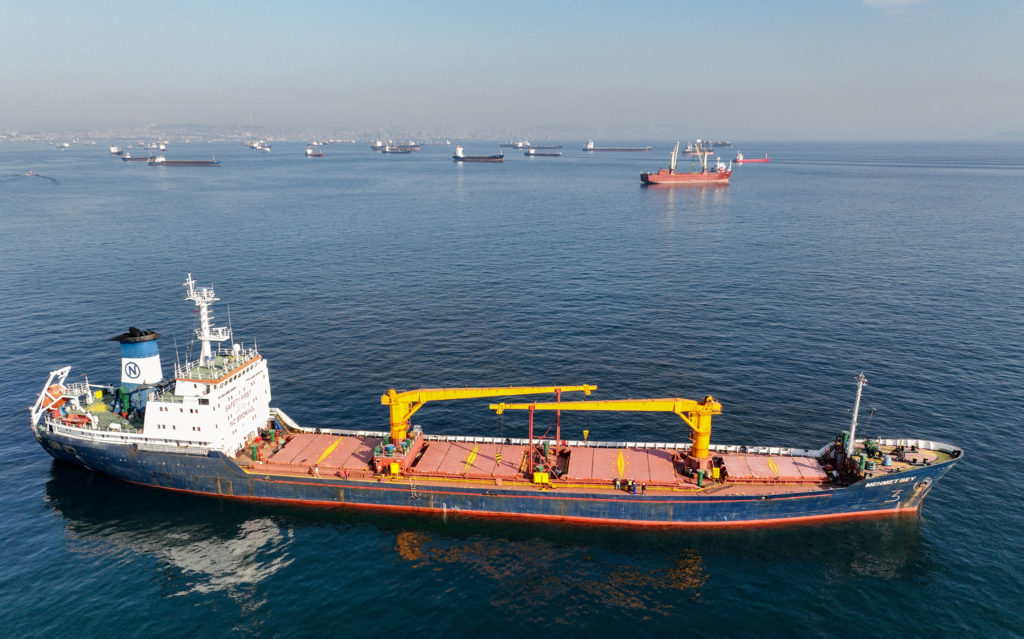
On the Sichuan section of the upper reaches of the Yangtze River, batches of old transport vessels are gradually being phased out of service, replaced by new types of ships powered by clean energy sources such as LNG and electricity. Recently, reporters learned from the Sichuan Provincial Shipping and Maritime Affairs Management Center that this year, the province will complete the dismantling of 233 old operational vessels and push the number of new energy vessels to exceed 100.
As a province of a thousand rivers with abundant water resources, the green transformation of Sichuan’s water transport is of great significance for strengthening the ecological barrier of the upper Yangtze River. In 2021, Sichuan launched the “Five-Year Action for Green Water, Green Shipping, and Green Development,” guided by the goals of carbon peak and carbon neutrality, adhering to ecological priority, and advancing 33 key tasks. By 2024, the province had dismantled 140 old operational vessels.
With policy advancement, this year, the state has allocated 157 million yuan in subsidy funds for vessel dismantling in Sichuan Province, expecting to complete the dismantling of 233 old operational vessels. Sichuan innovatively implemented a unified dynamic inventory system for vessel dismantling and a “one ship, one file” management model, enabling real-time monitoring of vessel status and dismantling progress. The Provincial Shipping and Maritime Management Center established a dual-line dedicated responsibility mechanism of “field + internal affairs,” combining on-site supervision and guidance with internal process approvals to effectively reduce processing time for procedures, while strengthening safety and environmental controls to ensure accurate and timely disbursement of subsidy funds.
While accelerating the phase-out of old vessels, Sichuan is actively developing new energy vessels to promote a green transformation of the transport capacity structure. Since the “14th Five-Year Plan,” the number of new energy vessels in the province has leaped from single digits to scale, expected to exceed 100 by the end of 2025.
How will this goal be achieved?
Since the beginning of this year, the “Green Renewal” action for vessels has been intensifying. In February, Sichuan Xinwangda Shipping Co., Ltd. began construction of 20 LNG single-fuel inland river multi-purpose vessels, expected to be delivered in two batches for trial voyages in September and November this year. Once all are operational, they will add over 200,000 deadweight tons of medium to long-distance transport capacity for Dazhou, increase cargo turnover by over 4 billion ton-kilometers, and reduce annual carbon emissions by over 4,000 tons. In May, Sichuan’s first electric cargo ships, “Chuangang 001” and “Chuangang 002,” were put into operation on the Jialing River. These vessels feature typical characteristics of “low carbon, high efficiency, and oil-electric hybrid” and are hailed as “new benchmarks for green shipping on the Yangtze River”…
In terms of technical reserves, since 2020, Sichuan has taken the lead in piloting new energy vessels in Guangyuan, Leshan, Meishan, and other areas, building 20 lithium iron phosphate battery-powered passenger ships, accumulating experience for the promotion of lithium battery vessels. Combined with the “Safe Ferry Transport” project, Sichuan has developed and promoted the application of 20, 30, and 60 passenger pure battery-powered ferries, which can adapt to the needs of different waterway conditions. (By Ai Kehua, Tian Xinru, and Kou Minfang, reporters from Chuanguan News)