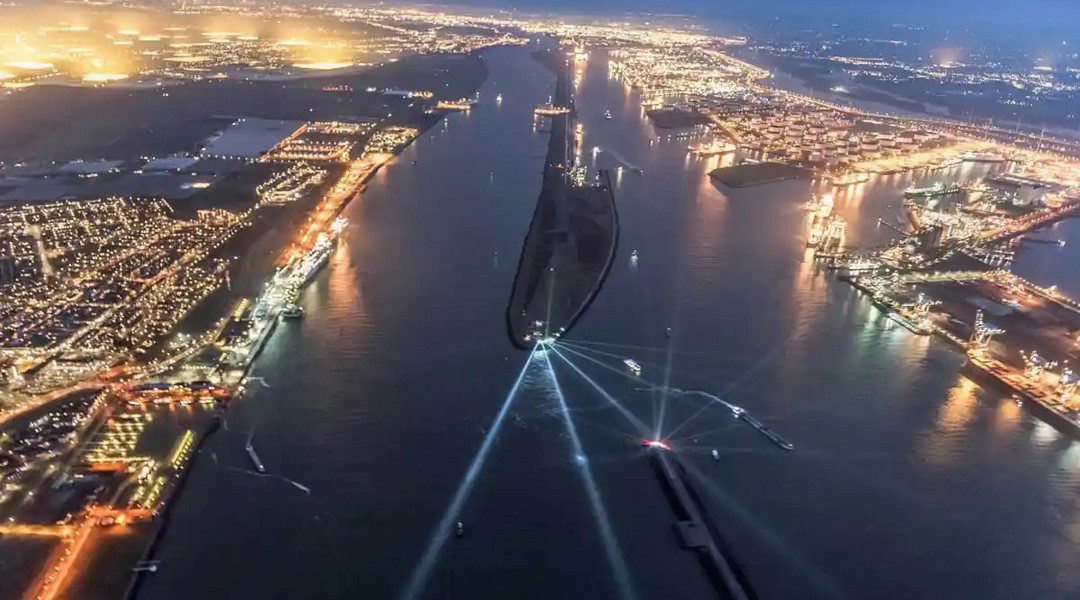
The Strait of Hormuz, a 33-kilometer-wide passage connecting the Persian Gulf to the Sea of Oman, stands out as one of the most strategic waterways among the world’s sea passages. A significant portion of global oil and liquefied natural gas (LNG) flow is provided through this narrow strait.
According to 2025 data from the U.S. Energy Information Administration (EIA), over 20 million barrels per day of crude oil and petroleum products pass through the Strait of Hormuz. This amount corresponds to approximately 20 percent of the world’s liquid petroleum consumption.
Data from the International Energy Agency (IEA) similarly reveals that one-fifth of global oil trade takes place via this route.
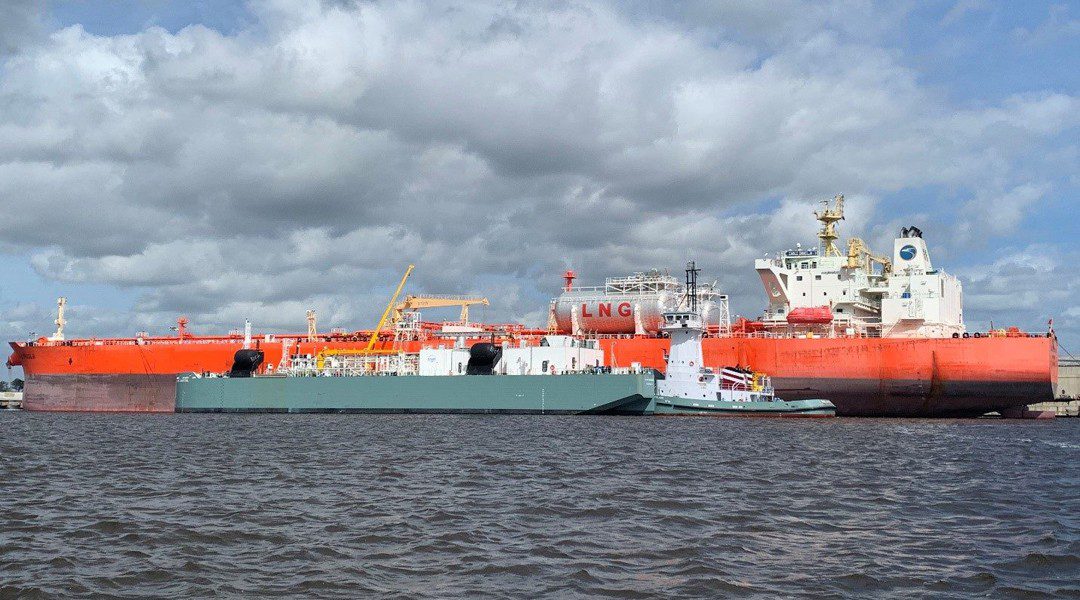
20% of global LNG trade occurs via this route
Furthermore, in global LNG trade, approximately 300 million cubic meters per day, or 20 percent of global trade, also uses this route. Particularly, natural gas shipments originating from Qatar reach Asian markets through here.
The majority of oil passing through the strait belongs to Gulf countries. Major exporters include Saudi Arabia, Iraq, the United Arab Emirates, Kuwait, Iran, and Qatar, which is prominent in LNG exports.
A significant portion of these countries’ energy exports reaches world markets via Hormuz.
According to EIA data, about 70 to 80 percent of the oil passing through Hormuz goes to Asian countries. Among the largest importers are China, India, Japan, and South Korea.
Although the United States and European countries are less dependent on Gulf oil compared to the past, they are indirectly affected by global price increases due to disruptions in the Strait.
Iran has de facto closed the Strait of Hormuz following US-Israel attacks
While the negotiation process between Iran and the US continues, the conflict spread to the region after attacks initiated by the US and Israel against Iran. Iran carried out attacks against Israel as well as US bases and targets in the region.
Furthermore, the Iranian Islamic Revolutionary Guard Corps (IRGC) has de facto prevented commercial vessel passages through the Strait of Hormuz. The IRGC issued warnings to ships via VHF radio broadcasts stating, “No vessel can pass” and “Passage is not permitted.”
An official from the European Union’s Aspides naval mission confirmed that these messages came from the IRGC. The United Kingdom Maritime Trade Operations (UKMTO) announced that there was no official closure notification.
The Iranian side also did not officially declare a full closure. Foreign Minister Abbas Araghchi, in a statement to Al Jazeera, said, “At this stage, we have no intention of closing the strait or obstructing navigation.” In contrast, the Iranian Armed Forces struck an oil tanker named Skylight off the coast of Oman in the Strait, citing that it “did not heed warnings,” and the tanker began to sink.
According to “MarineTraffic,” which monitors global maritime traffic, traffic in the Strait has decreased by 40-70 percent. More than 150-250 tankers (crude oil, LNG, products) have anchored, made U-turns, or are waiting in open waters.
International insurance companies have announced policy cancellations or premium increases due to the risk.
The de facto closure of the Strait of Hormuz also caused a 10 percent increase in the price of oil.