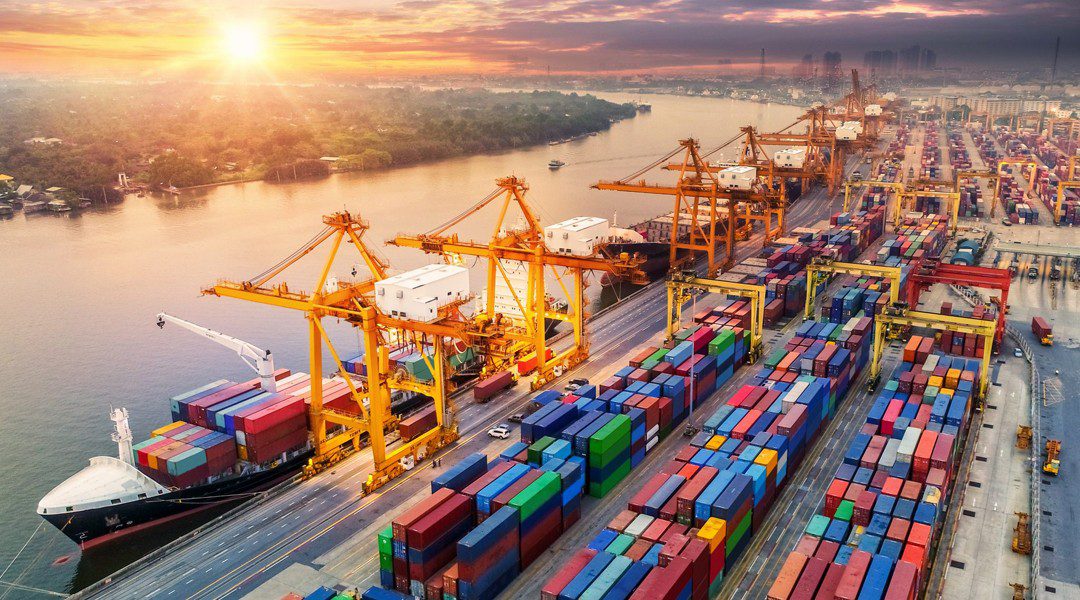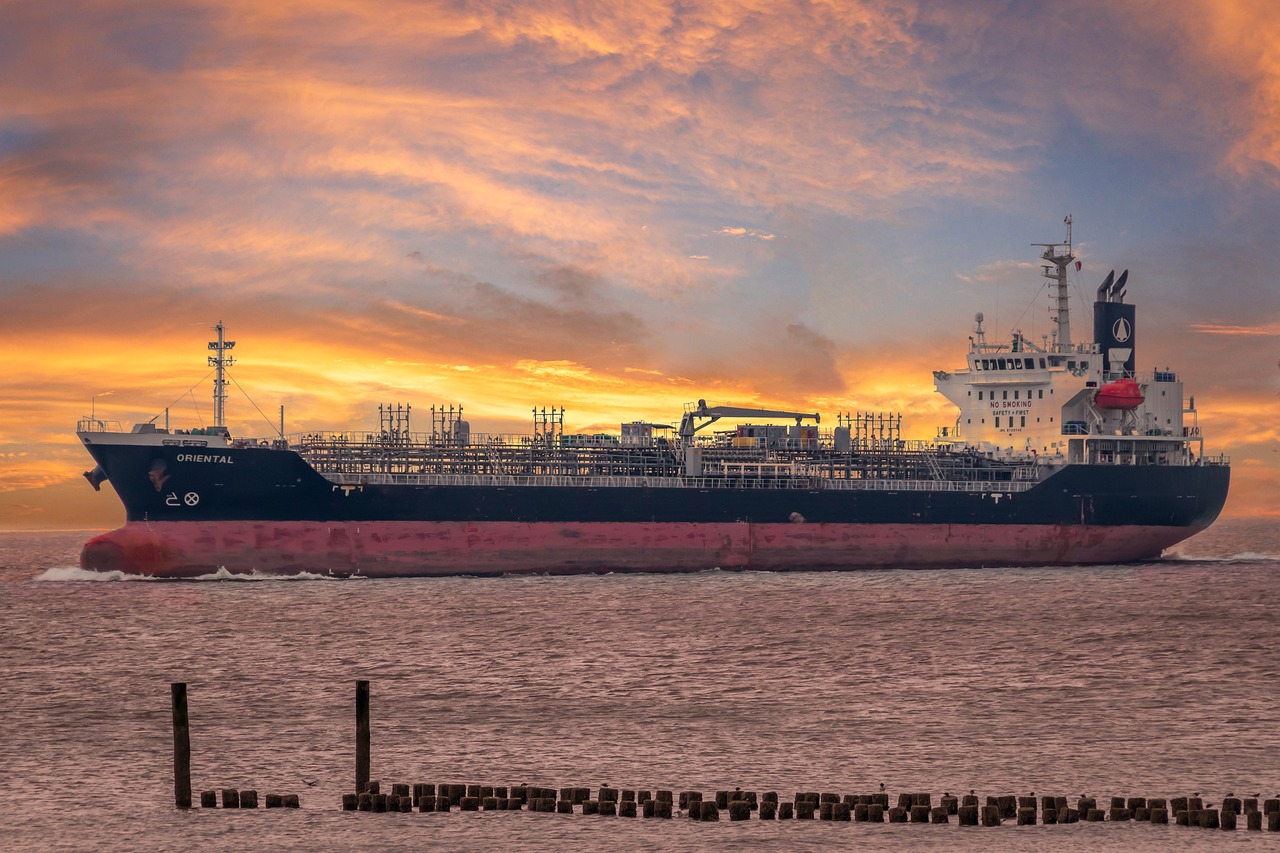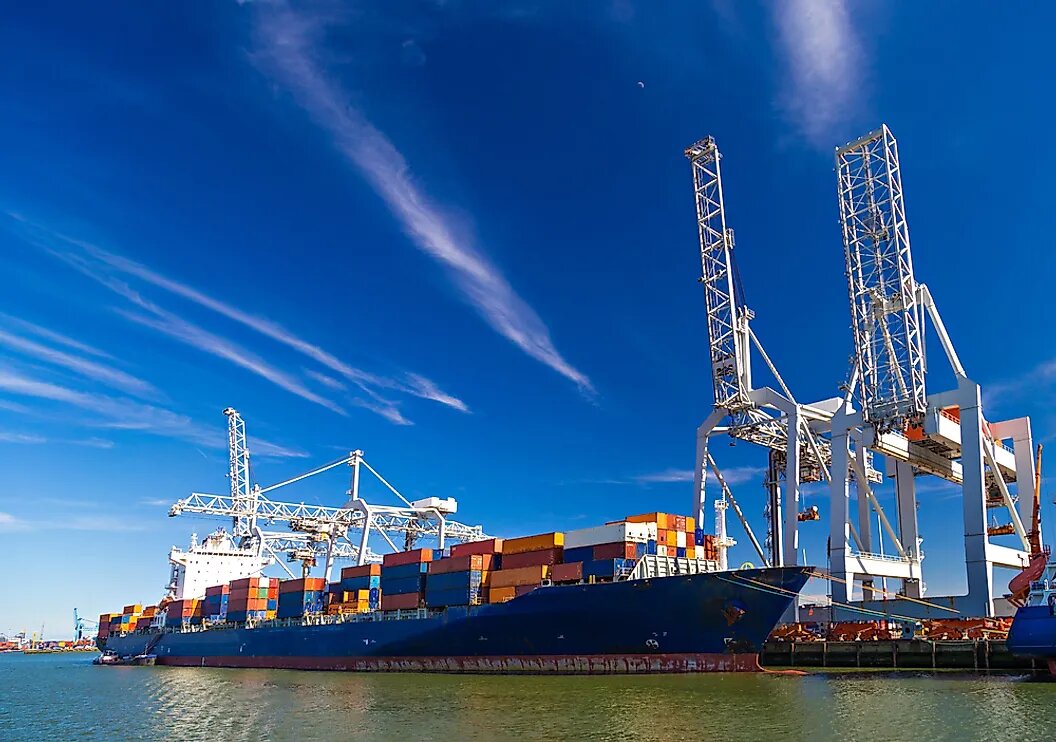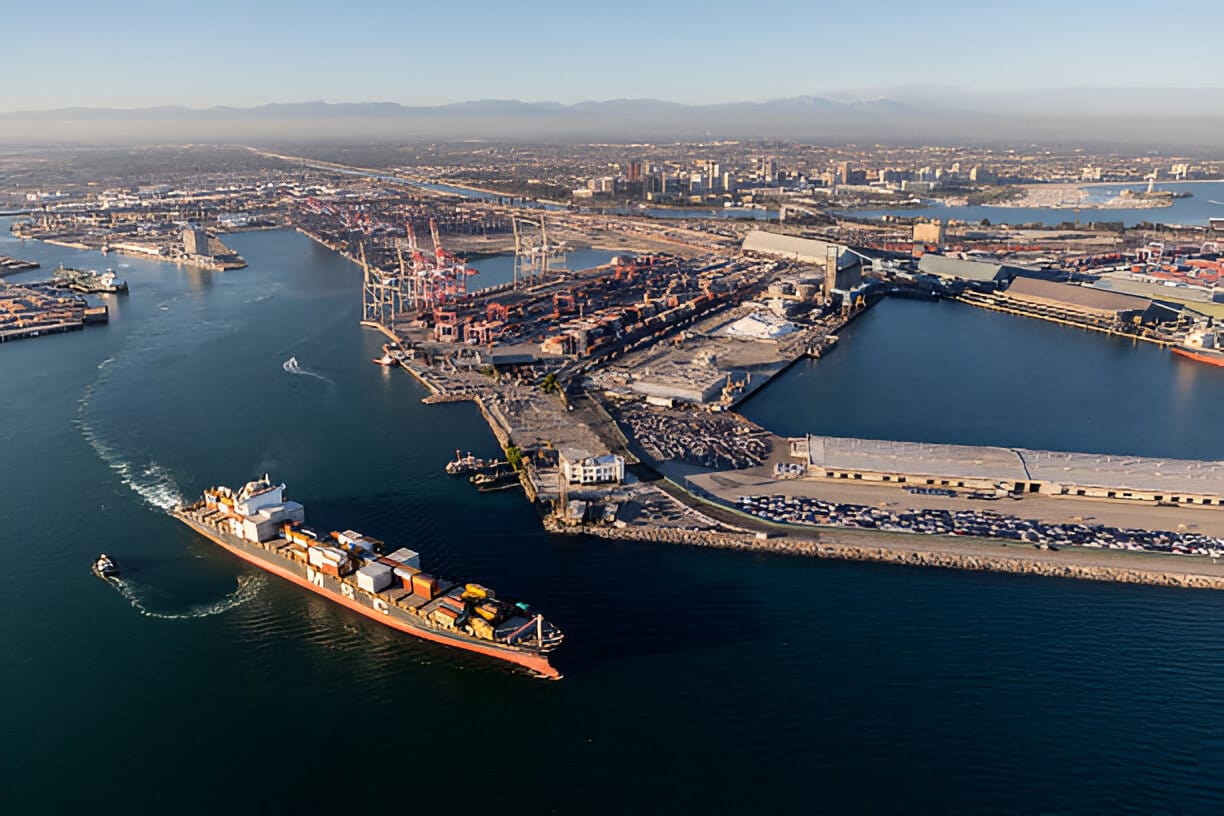
In April 2025, the Office of the United States Trade Representative (USTR) introduced a fee measure targeting Chinese vessels and operators—any Chinese vessel calling at U.S. ports will be subject to additional fees. This measure is scheduled to take effect from October 14, 2025.
Futures Daily reporters noted that U.S. Customs and Border Protection (CBP) announced details on October 3 regarding the collection of port fees for vessels owned, operated, or built by China, as well as all foreign-built car carriers: a fee of $50 per net ton for vessels owned or operated by China (increasing to $80 in 2026, $110 in 2027, and $140 in 2028); a fee of $18 per net ton or $120 per container for vessels built by China, whichever is higher (increasing to $33 and $250 respectively in 2028); and a fee of $14 per net ton for car carriers (/roll-off vessels) not built in the U.S.
The aforementioned port fees must be paid through the U.S. Department of the Treasury’s official payment platform, Pay.gov, three working days before arriving at the first U.S. port. Failure to complete payment or submit valid proof in the system may result in the vessel being denied /unloading, delayed release, or even suspended customs clearance.
Compared to the previously announced consultation version, the most significant difference in this detailed version is that vessel operators are now responsible for determining whether they need to prepay port fees for a specific vessel calling at a U.S. port.
In retaliation, at the end of September, China decided to amend the “International Maritime Transportation Regulations of the People’s Republic of China.” Article 46 was revised to state: “If any country or region adopts, assists, or supports discriminatory prohibitions, restrictions, or other similar measures against operators, vessels, or crew members engaged in international maritime transportation and its auxiliary services of the People’s Republic of China, and unless relevant treaties or agreements provide sufficient and effective remedies, the government of the People’s Republic of China may take necessary countermeasures based on the actual situation, including but not limited to imposing special fees on vessels from that country or region calling at Chinese ports, prohibiting or restricting vessels from that country or region from entering or leaving Chinese ports, and prohibiting or restricting organizations and individuals from that country or region from obtaining data and information related to China’s international maritime transportation or operating international maritime transportation and its auxiliary services to and from Chinese ports.”
Operating Costs for Chinese Shipowners to Increase
Chen Zhen, a senior shipping and macro analyst at Founder CIFCO Futures, told Futures Daily reporters that the details clearly show the U.S. intention to suppress China’s shipping industry. The first two of the three fee categories explicitly target Chinese shipowners and Chinese shipyards, while also aiming to revitalize the U.S. shipbuilding industry and increase tax revenue.
He stated that port fees would significantly increase the operating costs for Chinese shipowners and Chinese vessels. Taking the 12,000 TEU container ships commonly used on U.S. routes as an example, for just one call at a U.S. port, shipowners are expected to see an increase of $/TEU in operating costs, and vessels are expected to see an increase of $/TEU in operating costs.
Furthermore, according to liner companies’ route planning, each container ship often calls at multiple U.S. ports per voyage, leading to a multiplication of port fees. Previously, the USTR mentioned that each vessel would be subject to a maximum of five fees per year, adopting a progressive collection model with port fee rates gradually increasing from 2025 to 2028.
In response, leading multinational shipping companies have already begun adjusting their operational strategies. Wu Jialu, a shipping researcher at CITIC Futures, stated that since September, major global shipping alliances have started adjusting routes calling at the U.S. and replacing some vessels. Affected by the port fees, the PA Alliance and the GEMINI Alliance have both announced that some routes will be suspended, and internal vessel redeployment will be used to reduce the number of Chinese vessels calling at U.S. ports, thereby lowering related expenses. COSCO Shipping Group stated that services on U.S. routes would remain normal. Shipping companies such as CMA and MSC also stated they would not impose additional surcharges due to the port fees.
Lei Yue, head of shipping research at Haitong Futures, said that the proportion of “Chinese-built” vessels in the U.S. route capacity deployment of foreign leading shipping companies ranges from 4% to 20%. Taking the GEMINI Alliance as an example, currently, among the more than 80 container ships deployed on its U.S. routes, fewer than 10 are “Chinese-built,” allowing for capacity swaps with other routes with minimal impact; MSC deploys about 100 container ships on U.S. routes, with fewer than 20 being “Chinese-built”; about 15 out of CMA’s approximately 50 U.S. route vessels are “Chinese-built”; and about 10 out of ONE’s approximately 50 U.S. route vessels are “Chinese-built.” These shipping companies or institutions might accelerate capacity redeployment before the port fee collection on October 14, especially given the current rapid decline in U.S. route demand and severe blank sailings on some voyages, speeding up the withdrawal of “Chinese-built” capacity.
According to the latest news from Shipping Network, tariff disruptions and weak U.S. demand have led container shipping companies to quickly cancel sailings. Currently, carriers’ operating profit margins on several major routes have fallen below the break-even point, but shipping companies still prioritize market share over profitability.
According to the latest data from project44, 67 sailings were canceled this month on routes from China to the U.S., and 71 sailings were canceled on the reverse routes. Bart De Muynck, Chief Strategy Officer at Better Supply Chains, stated that the speed at which carriers are canceling sailings has not been seen since the early days of the pandemic. This strategy is more about maintaining stable freight rates in a market distorted by tariffs rather than responding to a crisis.
Analysts: Direct Impact on Europe Route Market Requires Continuous Observation
Lei Yue stated that the latest port fee collection standards would not cause significant disruption to the overall capacity on U.S. routes, with only Chinese shipping companies being clearly targeted. Subsequent attention should be paid to changes in the internal capacity and pricing strategies of shipping alliances, mainly the OA. Meanwhile, the impact of the aforementioned port fees on the Europe route market is relatively limited. Affected by Sino-U.S. trade friction, U.S. route cargo volumes have significantly declined, and blank sailings have increased. Related vessels are being redeployed to routes including the Europe route for absorption. Continued attention to Sino-U.S. trade negotiations is necessary.
In Chen Zhen’s view, the direct impact of the aforementioned port fees on the Europe route market still requires continuous observation. On one hand, shipowners can avoid port fees through vessel swaps and transshipment; on the other hand, shipowners might use the port fees as a reason to raise freight rates with European shippers. The initial phase of port fee collection might lead to vessel scheduling chaos, coupled with the overall increase in shipowners’ operating costs, which could provide some support to the Containerized Freight Index (Europe Route) futures price.
In Wu Jialu’s view, the impact of port fees on the Europe route market is generally positive. Combined with the Europe route market entering the year-end price support and peak season phase, the Containerized Freight Index (Europe Route) futures 2512 contract is suitable for establishing long positions below 1700 points.
“On one hand, the latest port fee standards are relatively high and will continue to rise in the future, suggesting that shipping costs are expected to keep increasing, but the actual impact needs further observation. On the other hand, Europe route shipping companies generally raised freight rates in the second half of October, with at least two more rounds of price support expectations. Additionally, sailings suspended during the National Day and Mid-Autumn Festival holidays and overall low scheduling in November mean shipping companies still have motivation to support prices during long-term contract negotiations. Therefore, for the Containerized Freight Index (Europe Route) futures 2512 contract, one can try to establish long positions on dips below 1700 points. Furthermore, Israel and Hamas recently held negotiations regarding the ’20-point plan’ proposed by the U.S., and the Suez Canal Authority stated it would actively promote the reopening of the route. Therefore, one can execute a calendar spread operation between the Containerized Freight Index (Europe Route) futures 2512 contract and the far-month 2026 contract.” Wu Jialu said.
Disclaimer: This article is reprinted for the purpose of conveying more information. If there are any source attribution errors or infringements of your legitimate rights and interests, please contact us with proof of ownership, and we will promptly correct or delete the content. Thank you.