At the center of the action is Shandong Shouguang Luqing Petrochemical Co., Ltd (Luqing Petrochemical), which allegedly purchased approximately half a billion dollars worth of Iranian crude oil. The company’s CEO, Wang Xueqing, has also been designated under the sanctions.
“Teapot refinery purchases of Iranian oil provide the primary economic lifeline for the Iranian regime, the world’s leading state sponsor of terror,” Treasury Secretary Scott Bessent said in announcing the measures. “The United States is committed to cutting off the revenue streams that enable Tehran’s continued financing of terrorism and development of its nuclear program.”
The sanctions represent the fourth round of enforcement actions targeting Iranian oil sales since President Trump’s February 4, 2025 memorandum calling for maximum pressure on Iran.
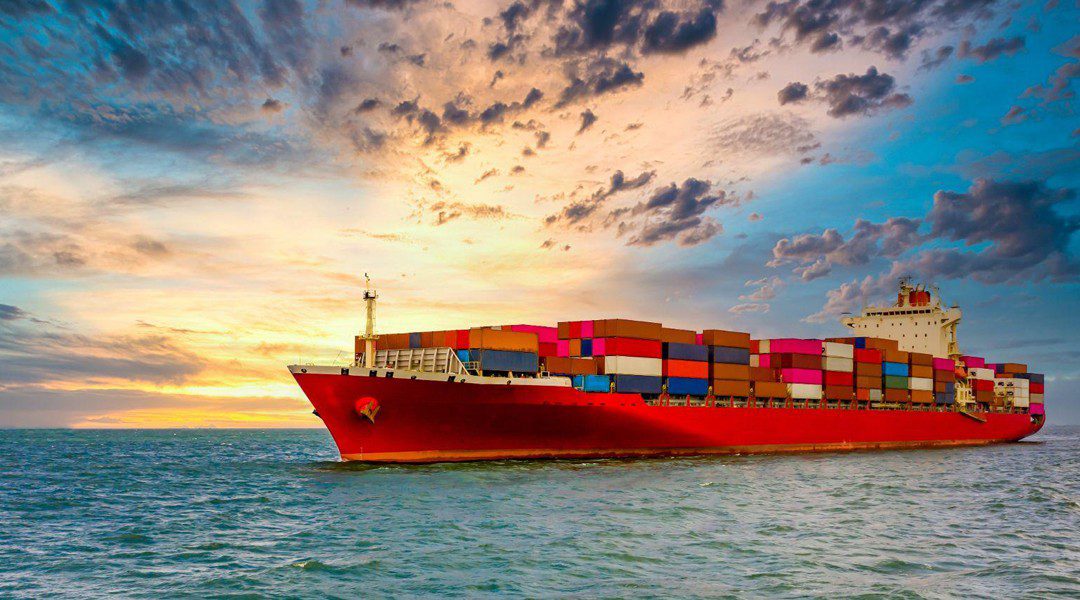
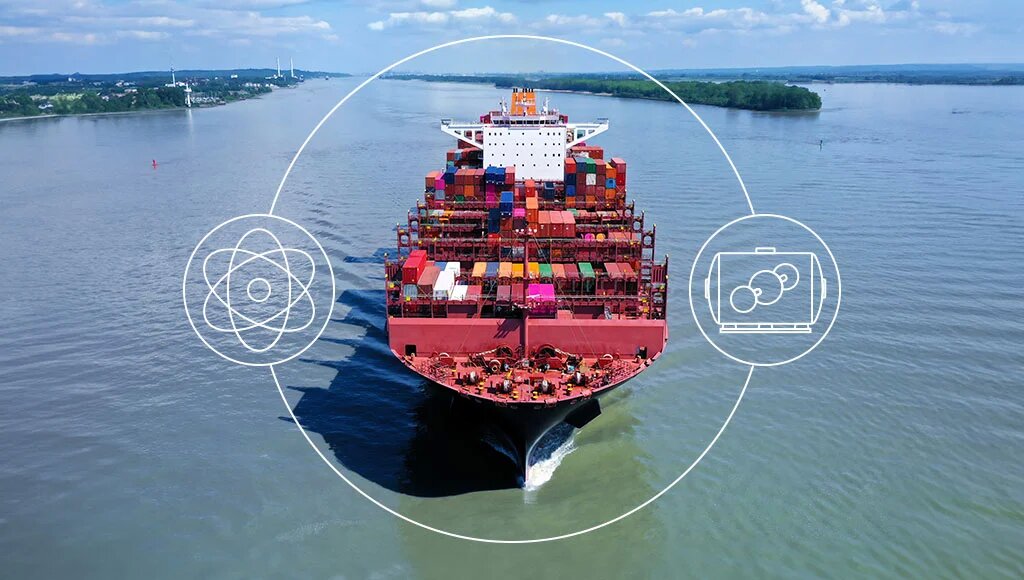
In a significant maritime component of the action, OFAC targeted eight vessels identified as part of Iran’s “shadow fleet” – ships that regularly engage in deceptive practices including AIS manipulation. The designated vessels include the Comoros-flagged NATALINA 7, Panama-flagged vessels CATALINA 7, AURORA RILEY, and VIOLA, San Marino-flagged MONTROSE, Barbados-flagged VOLANS and BRAVA LAKE, and the unflagged vessel TITAN.
Two vessels in particular – the MEHLE and KOHANA – were highlighted for their connections to sanctioned activities. The MEHLE was blocked in January 2024 for transporting Iranian crude oil on behalf of Houthi-linked interests, while the KOHANA was sanctioned for shipping over $100 million in Iranian crude to China on behalf of Iran’s defense ministry.
The action also designated multiple shipping companies based in Hong Kong, including Astrid Menks Limited, Canes Venatici Limited, Jetee Co. Limited, and Britney Ryder Limited. Additional companies in Liberia, Panama, the British Virgin Islands, and Seychelles were also targeted for their roles in operating vessels involved in Iranian oil transport.
Under the sanctions, all U.S.-based assets of the designated entities are blocked, and U.S. persons are generally prohibited from conducting transactions with them. Additionally, foreign financial institutions risk secondary sanctions for knowingly facilitating significant transactions for the blocked entities.