The South Korean group, ranked 8th globally, abandons the acquisition of SK Shipping and invests $17 billion to double its container fleet and triple its bulk fleet by 2030
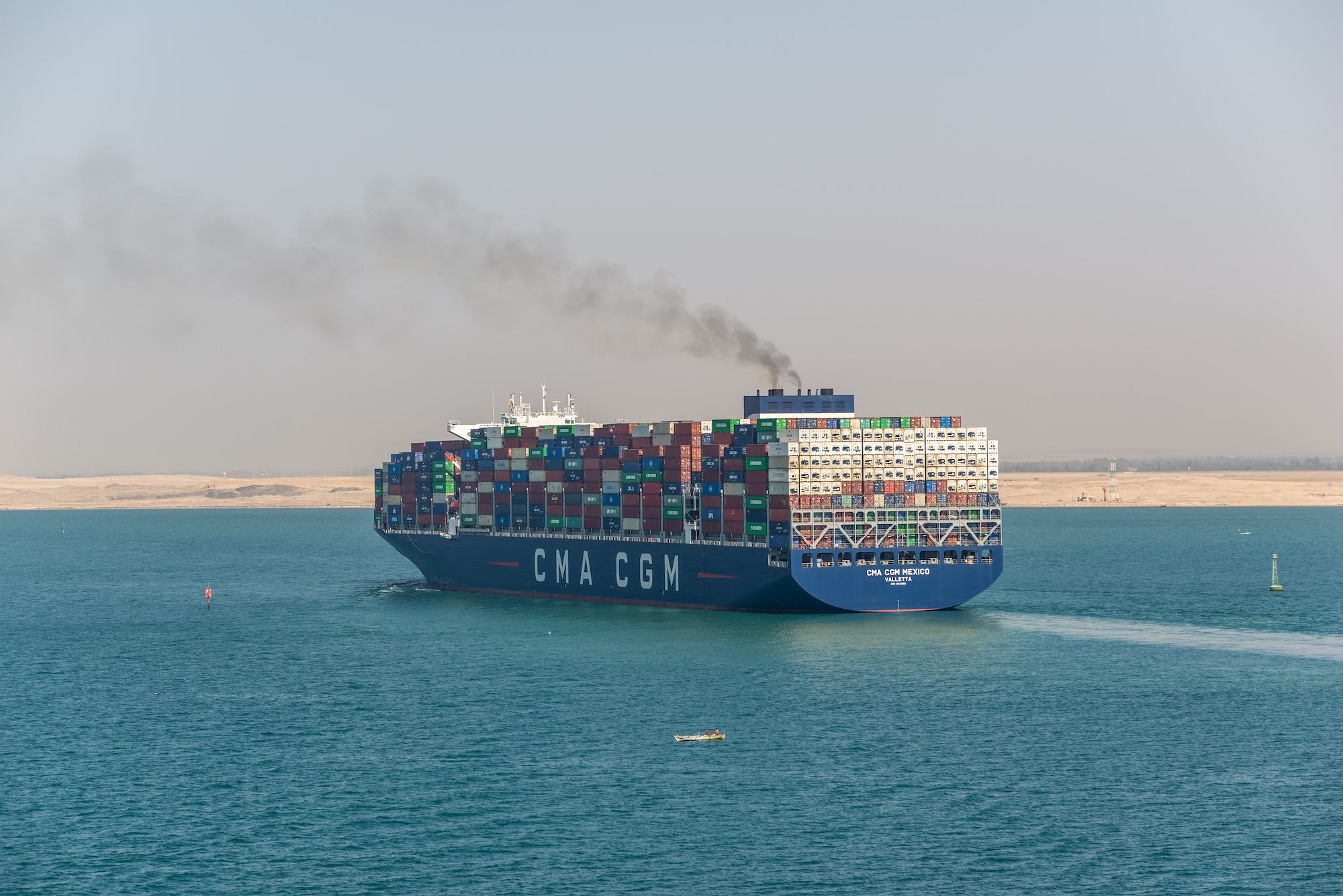
Seoul – South Korean shipping company HMM, the eighth-largest container carrier in the world, has forecast increased volatility in the container shipping market due to uncertainty surrounding tariffs and their renegotiation. According to its semi-annual analysis, the end of exemption periods and shifts in regional demand could keep supply chain congestion high.
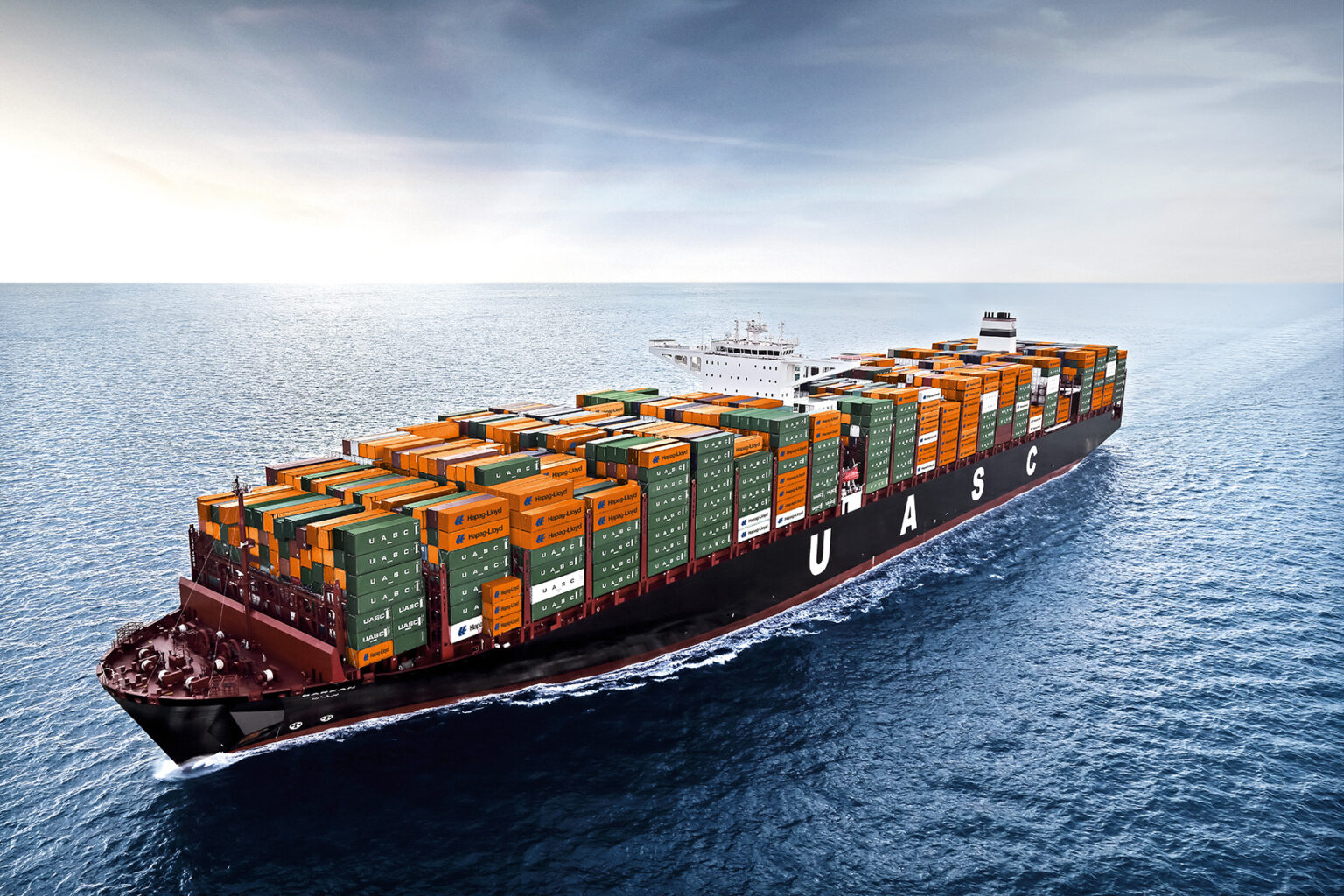
In the first half of 2025, the SCFI index averaged 1,701 points, down 27% year-on-year, reflecting weak freight rates influenced by U.S. protectionist tariff policies and trade tensions. HMM announced plans to respond with more flexible fleet deployment and cost reductions, focusing on more fuel-efficient vessels, including seven 9,000 TEU methanol-powered container ships, set for delivery by the first half of 2026. The arrival of seven car carriers starting next month and four multipurpose vessels is also planned to diversify the fleet.
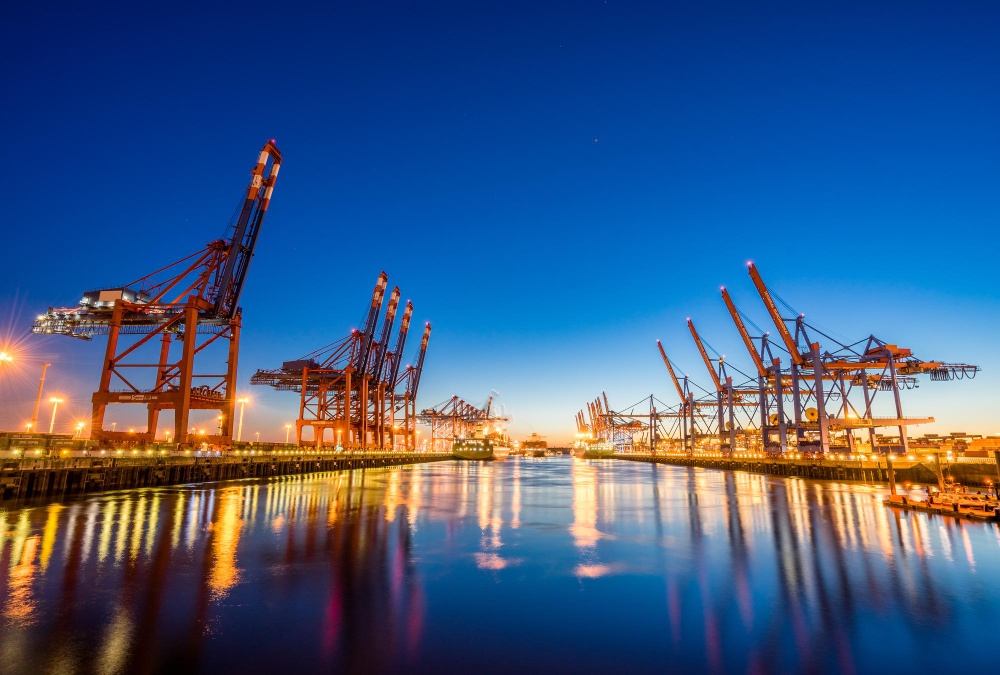
Port congestion, particularly in Rotterdam, Antwerp, Singapore, and Shanghai, has persisted for months and was partly caused by the unpredictable manner in which the Trump administration implemented tariff policies. Financially, HMM reported a 12% decline in net profit in Q2 compared to Q1 and a 29% drop year-on-year, with revenues also decreasing. However, the strong performance in Q1 allowed the company to close the half-year with a 5.7% year-on-year increase in net profit, reaching $879 million.
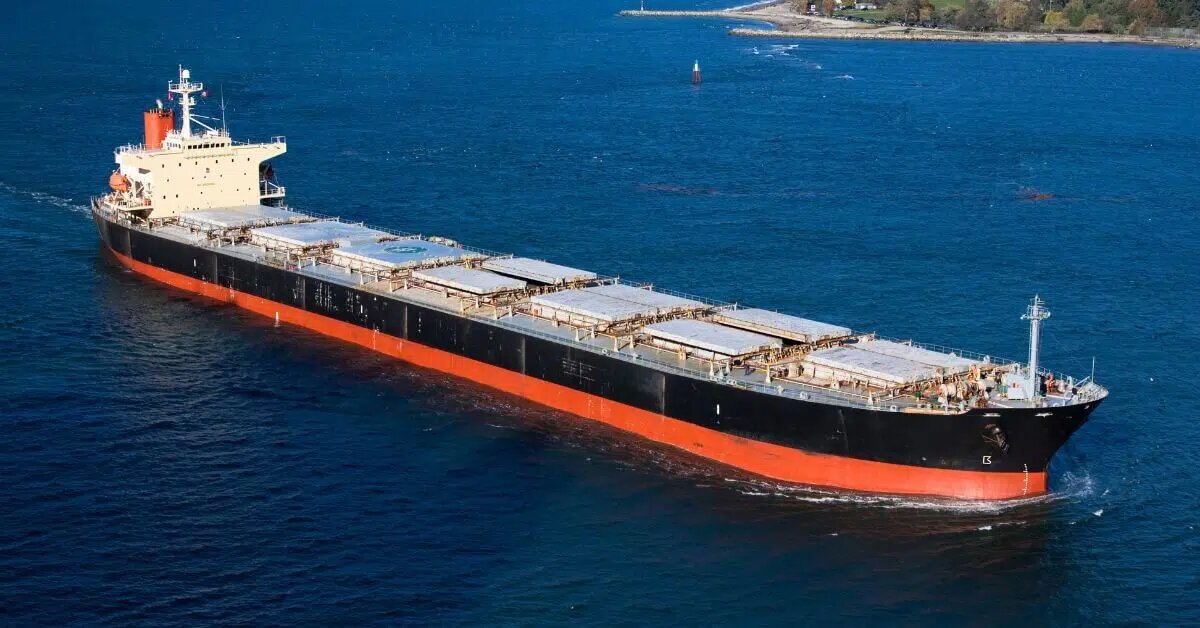
Hyundai Merchant Marine (HMM) also announced it has withdrawn its offer to acquire SK Shipping after six months of negotiations. SK Shipping’s majority shareholder, Hahn & Company, holding a 79% stake, revoked HMM’s preferred bidder status and will seek a new buyer. Market sources indicate the parties failed to agree on price: SK Shipping was valued at around 4 trillion won ($2.9 billion), while HMM aimed for approximately 2 trillion won excluding LNG assets. HMM stated it will now focus resources on expanding transport capacity through new vessel orders. The $17 billion investment plan, unveiled in 2024, aims to double the container fleet to 130 ships for 1.5 million TEU (from the current 86 ships at about 940,000 TEU) and triple the bulk fleet. The budget includes $8 billion for the container segment, $5.6 billion for bulk, $4.2 billion for integrated logistics, and $1 billion to enhance competitiveness.