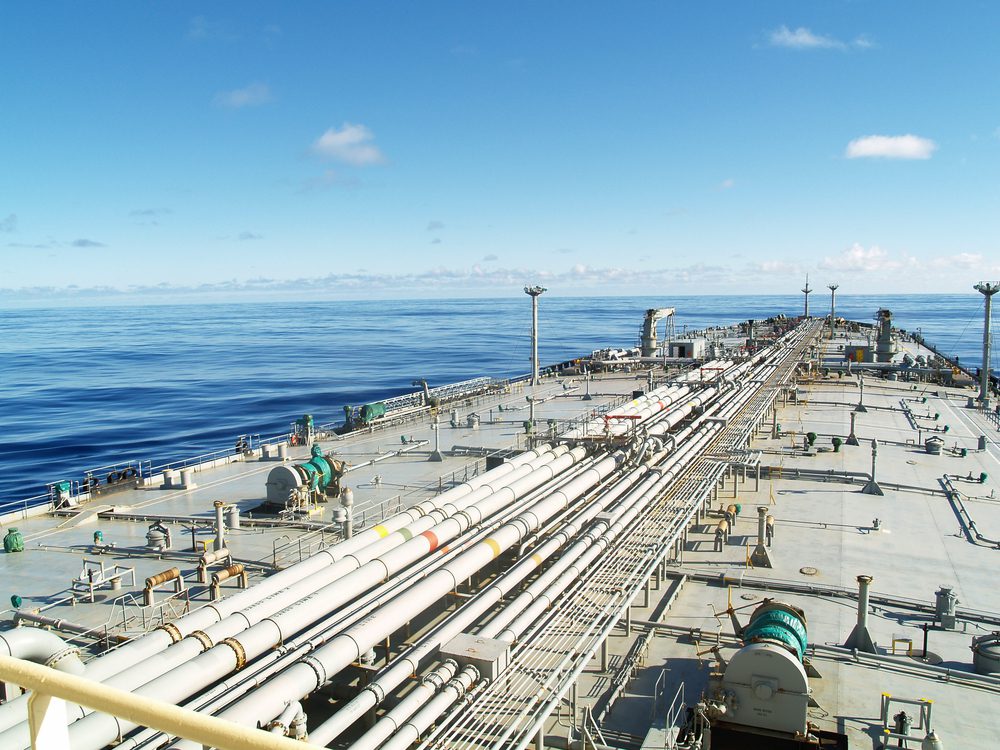
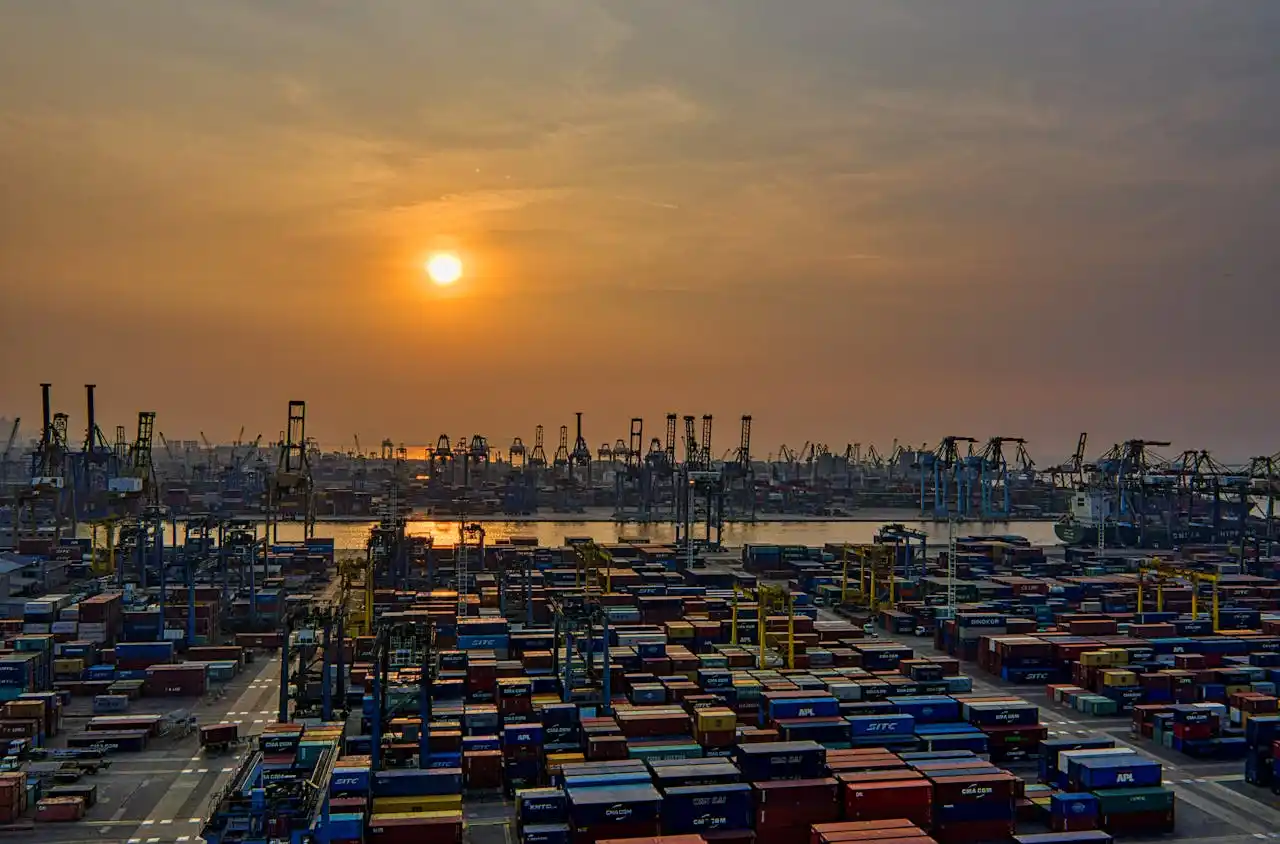
The UN Trade and Development (Unctad) warned that global maritime trade is having a “period of fragile growth”. According to the entity, which described it as “stormy” and “turbulent”, this scenario would stem from tariff increases and geopolitical tensions, which are altering the flow of 80% of the goods traded worldwide, while also projecting a slowdown for 2025.
After strong growth last year, maritime trade is expected to stagnate in 2025, with volumes barely increasing (+0.5%). Long-distance route changes caused by geopolitical tensions kept ships busier last year with a record growth of nearly 6% in ton-miles.
“The transitions ahead – towards zero carbon emissions, towards digital systems and new trade routes – must be just transitions,” said the Secretary-General of Unctad, Rebeca Grynspan.
“They must empower, not exclude. They must build resilience, not aggravate vulnerability,” she added.
Political tensions, new tariffs, changes in trade patterns, and the reconfiguration of maritime routes are reshaping the geography of maritime trade, described the agency, which also mentioned the case thatthe United States of America and several trading partners have announced policies, including new tariffs and port fees in that country for certain vessels built or operated abroad. These measures may further affect shipping costs and routes.
This – according to Unctad – results in more route changes, omitted port calls, longer journeys, and ultimately, higher costs. Energy transport is also in transition, as coal and oil volumes are under pressure from decarbonization efforts, while gas trade continues to expand.
Critical minerals, essential for batteries, renewable energy, and the digital economy as a whole, are becoming a new source of tension in global trade, with competition to secure supplies and add value domestically. Maritime logistics is key for developing countries to take advantage of opportunities linked to critical minerals, emphasized the UN specialized Trade office.
Tariffs
The entity indicated that freight rates have become more volatile, with disruptions like the 2024 Red Sea crisis driving an increase that year, while ongoing geopolitical tensions in 2025 raise concerns about potential ripple effects that could disrupt maritime activity in the Strait of Hormuz.
Environmental compliance costs, including emissions pricing, are redefining the economics of shipping.
Persistently high transport costs risk hitting developing countries harder, particularly Small Island Developing States (SIDS) and Least Developed Countries (LDCs).
In this regard, UNCTAD called for specific measures to mitigate transport cost increases, strengthen port performance, promote trade facilitation, and improve the predictability of trade policies.
Ports
UNCTAD stated that ports are under pressure from disruptions, leading to congestion and longer waiting times. They also face the need to invest in cleaner, more efficient, and smarter operations. Digital systems, such as maritime single windows and port community systems, are helping some countries reduce costs and delays, but many developing economies are still lagging behind.
For this reason, the UN agency said it urges governments to fulfill global commitments on trade facilitation and automation, and to expand public-private partnerships in port operations. As digitalization advances, cybersecurity is emerging as a critical priority.
Energy Transition
UNCTAD also pointed out that greenhouse gas emissions from shipping increased by 5% in 2024. Only 8% of the global fleet tonnage is equipped to use alternative fuels, and ship recycling rates remain low. The International Maritime Organization’s (IMO) net-zero emissions framework, expected to be adopted in October 2025, will establish a global fuel standard and introduce a GHG pricing mechanism starting in 2028, with a fund to potentially support developing countries.
Similarly, ship recycling will need to accelerate while maintaining sustainable practices. The Hong Kong Convention for the Safe and Environmentally Sound Recycling of Ships entered into force in June 2025 and covers 90% of the global market for reusing materials from end-of-life ships.
UNCTAD stated that it warns that decarbonizing shipping will entail significant costs, including fleet renewal, port adaptation, and alternative fuel infrastructure. Clear regulatory signals, increased investment, and cooperation among governments, industry, and financial actors will be essential to drive the transition.
The report also highlights the need to protect seafarers’ rights, as abandonment cases reached a record high in 2024. The amendment to the Maritime Labour Convention, which will enter into force in 2027, will strengthen their rights to repatriation and shore leave, but effective implementation is necessary.