The United States has issued a sharp warning to countries supporting a United Nations plan to curb shipping emissions, threatening visa restrictions and sanctions. The move comes ahead of a crucial vote at the International Maritime Organization that could reshape how global shipping tackles its carbon footprint.
The United States has threatened to impose visa restrictions, sanctions, and other retaliatory measures against countries that back a United Nations proposal aimed at reducing greenhouse gas emissions from international shipping.
Member states of the International Maritime Organization (IMO) are expected to vote next week on a new Net-Zero Framework, designed to set a global pathway for cutting carbon dioxide emissions across the shipping sector. The industry is responsible for nearly 3 percent of global greenhouse gases and carries about 80 percent of the world’s traded goods.
In a joint statement, U.S. Secretary of State Marco Rubio, U.S. Energy Secretary Chris Wright, and U.S. Transportation Secretary Sean Duffy said, “The Administration unequivocally rejects this proposal before the IMO and will not tolerate any action that increases costs for our citizens, energy providers, shipping companies and their customers, or tourists.”
They warned that the proposed framework “poses significant risks to the global economy and subjects not just Americans, but all IMO member states to an unsanctioned global tax regime that levies punitive and regressive financial penalties.”
The U.S. officials also confirmed they are considering blocking vessels flagged under nations that vote for the plan from entering American ports, and may impose visa fees and sanctions on officials “sponsoring activist-driven climate policies.”
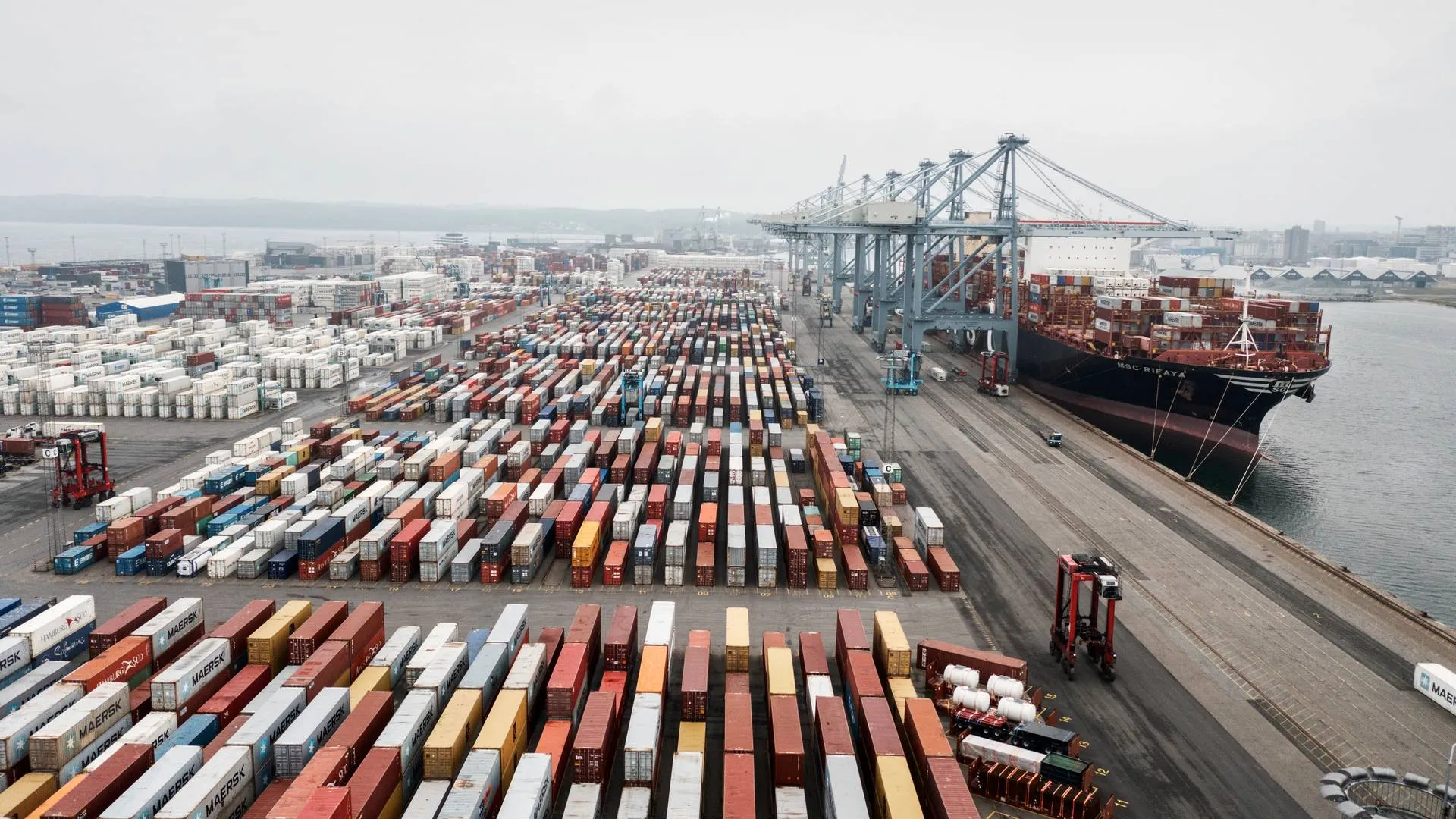
Supporters of the IMO proposal argue that a coordinated, global approach is vital to avoid a fragmented system of national or regional carbon rules that could raise costs without cutting emissions effectively. Many large container carriers have also backed the push for a unified framework, citing the need for regulatory clarity to accelerate investment in clean technologies.
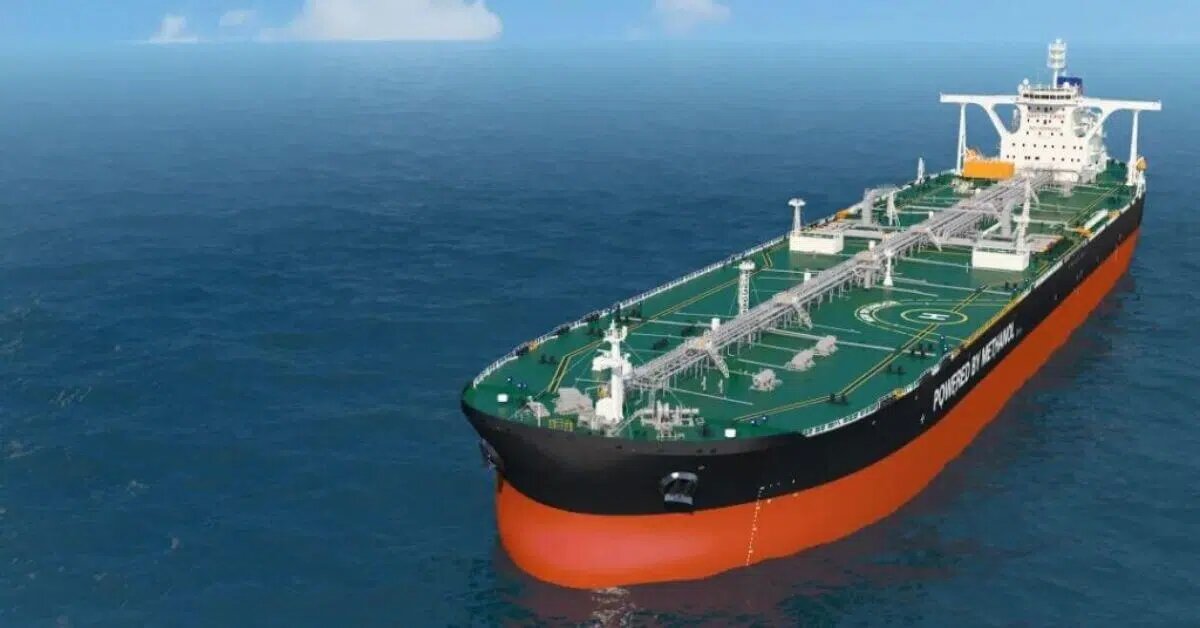
However, some oil tanker operators have voiced “grave concerns,” arguing that the proposal could hurt competitiveness and disrupt energy supply chains.
The upcoming IMO vote will test how far the global maritime community is willing to go in aligning shipping with international climate goals, even as political and economic tensions threaten to divide support for the initiative.
𝙒𝙖𝙣𝙩 𝙩𝙤 𝙨𝙩𝙖𝙮 𝙖𝙝𝙚𝙖𝙙 𝙞𝙣 𝙨𝙢𝙖𝙧𝙩𝙚𝙧, 𝙘𝙡𝙚𝙖𝙣𝙚𝙧 𝙨𝙝𝙞𝙥𝙥𝙞𝙣𝙜? 𝙎𝙪𝙗𝙨𝙘𝙧𝙞𝙗𝙚 𝙩𝙤 𝘿𝙞𝙜𝙞𝙩𝙖𝙡 𝙎𝙝𝙞𝙥 𝘿𝙖𝙞𝙡𝙮 𝙖𝙣𝙙 𝙣𝙚𝙫𝙚𝙧 𝙢𝙞𝙨𝙨 𝙖 𝙢𝙖𝙧𝙞𝙩𝙞𝙢𝙚 𝙩𝙚𝙘𝙝 𝙗𝙧𝙚𝙖𝙠𝙩𝙝𝙧𝙤𝙪𝙜𝙝: