The United States Trade Representative has revised port fees for vehicle carriers and LNG export cargoes in response to industry feedback.
In the States, measures aimed at Chinese linked ships calling at US ports, initially announced back in April, were now going into effect- six months after the United States Trade Representative (USTR) presented them, albeit with modifications reflecting comments solicited from ship operators and cargo interests.
As the US measures were going into effect, the Chinese enacted similar directives, dubbed “special port fees”- aimed at US flagged ships or vessels tied to US financial ownership
The latest announcement from the USTR, just days before the 14 October start date, reflect revisions in response to comments received in response to a pair of requests from industry, posted in the Federal Register with comments due shortly afterwards. According to USTR, major modifications are aimed at revising the basis for calculating service fees on vessel operators of foreign-built vehicle carriers and easing restrictions that would be imposed on export licenses for LNG cargoes if non-US built vessels are deployed. Chinese built ship-to-shore cranes (and other cargo handling equipment) were also the subject of modifications.
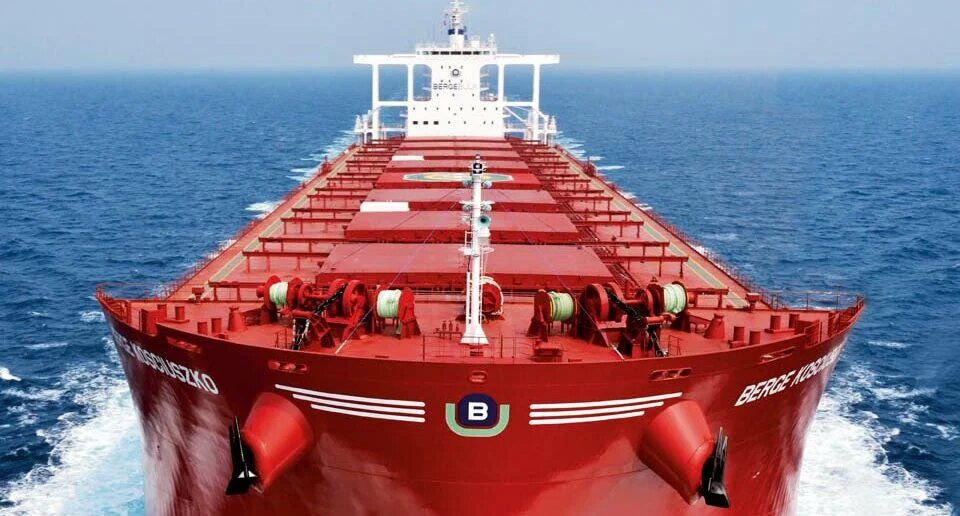
Regarding vehicle carriers, the basis for calculating fees on non-US built vehicle carriers has been revised. Instead of a charge based on a proxy for number of vehicles carried, the fee will be charged based on the vessel’s net tonnage (a measurement of space available for cargo). Vessels engaged in the US Maritime Security Program (MSP), which are typically moving vehicles with military uses, built in non-US yards, will continue to benefit from a “targeted exemption” through 2029, giving US shipbuilders a four-year window to ramp up their capabilities for vessel construction.
LNG, where US export capabilities are being ramped up, following a 2024 Biden administration moratorium on new project approvals, are continuing to attract attention. The Trade Representative, in its new release, removed a provision from the April announcement mandating that increasing proportions of US LNG exports move on US built vessels. Still, the agency opined that: “USTR observes that significant domestic demand for new LNG vessels coupled with increased investment in US shipbuilding capacity will result in the successful construction of LNG vessels in the United States in the coming years, ensuring that US energy exports can be transported on US-built vessels.”
Though at least one yard in the States has an announced intention of fitting out a South Korean built vessel to satisfy US flagging requirements, allowing for preferential choice in the exports of LNG cargo, the USTR view above is still very ambitious. Indeed, its reference to “US build” reflects an amalgamation of US energy policy, where LNG exports loom large, with a hoped for revival of US shipbuilding capabilities.
As the States moves towards a renewed domestic shipbuilding capability during the next few years, vehicle carrier construction would be a much more realistic expectation than actual full-scale state-side construction of LNGs, which would enable movements of LNG coastwise and from the mainland into Puerto Rico.
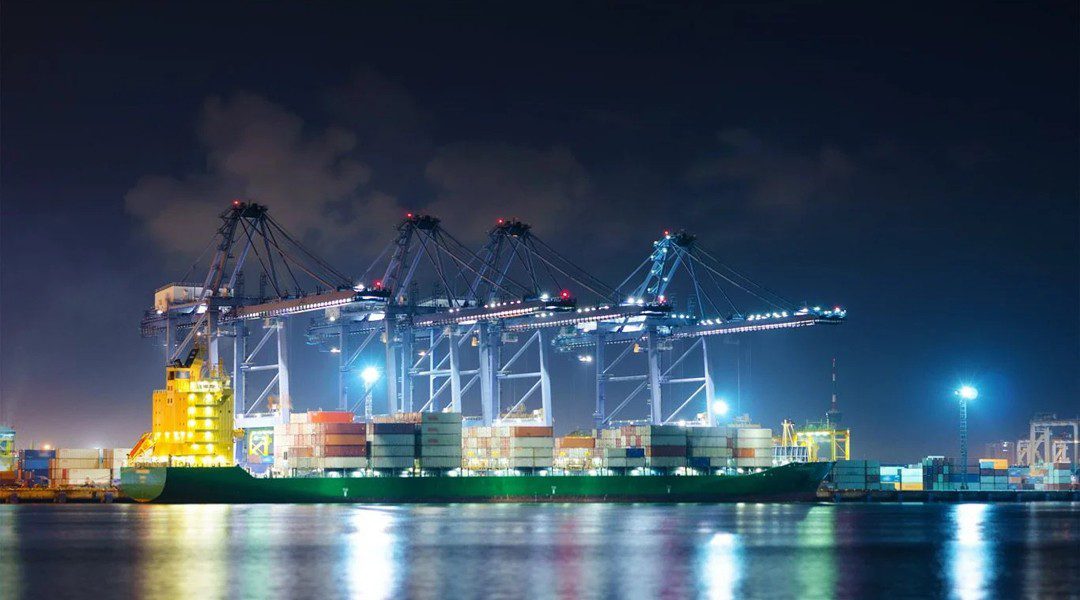
Landlords and actual operators of ports had been very concerned about an immediate implementation of tariffs on cargo cranes- with the market dominated by Chinese manufacturer ZPMC.
The USTR relented slightly on instantaneous tariff imposition- giving the ports some breathing room, and, instead, will work towards a two-year phase in.
The USTR announcement offered that: “In response to comments expressing concern regarding STS cranes ordered in advance of the proposed action, the US Trade Representative has determined not to impose the additional duties of 100 percent on STS cranes that fulfill contracts executed prior to April 17, 2025, and that enter the United States prior to April 18, 2027.”