Against a backdrop of geopolitical uncertainty, the London-based Albemarle Shipping Fund is seeking to profit from increasing market volatility. This hedge fund, which manages $285 million in assets, has achieved a 23% return this year.
“Major market moves in recent years have been dominated by external factors. Beyond the usual supply and demand dynamics we monitor, there is a significant amount of noise,” said Will Homan-Russell, the fund’s Chief Investment Officer.
It is understood that this hedge fund invests across the shipping industry through listed equities, commodity derivatives, and forward freight agreements. This year, US import tariff policies and news of potential peace agreements in the Middle East and Ukraine have continuously impacted related stocks. Will Homan-Russell emphasized that shipping stocks often react very sharply to such news, with some price movements completely detached from fundamental logic.
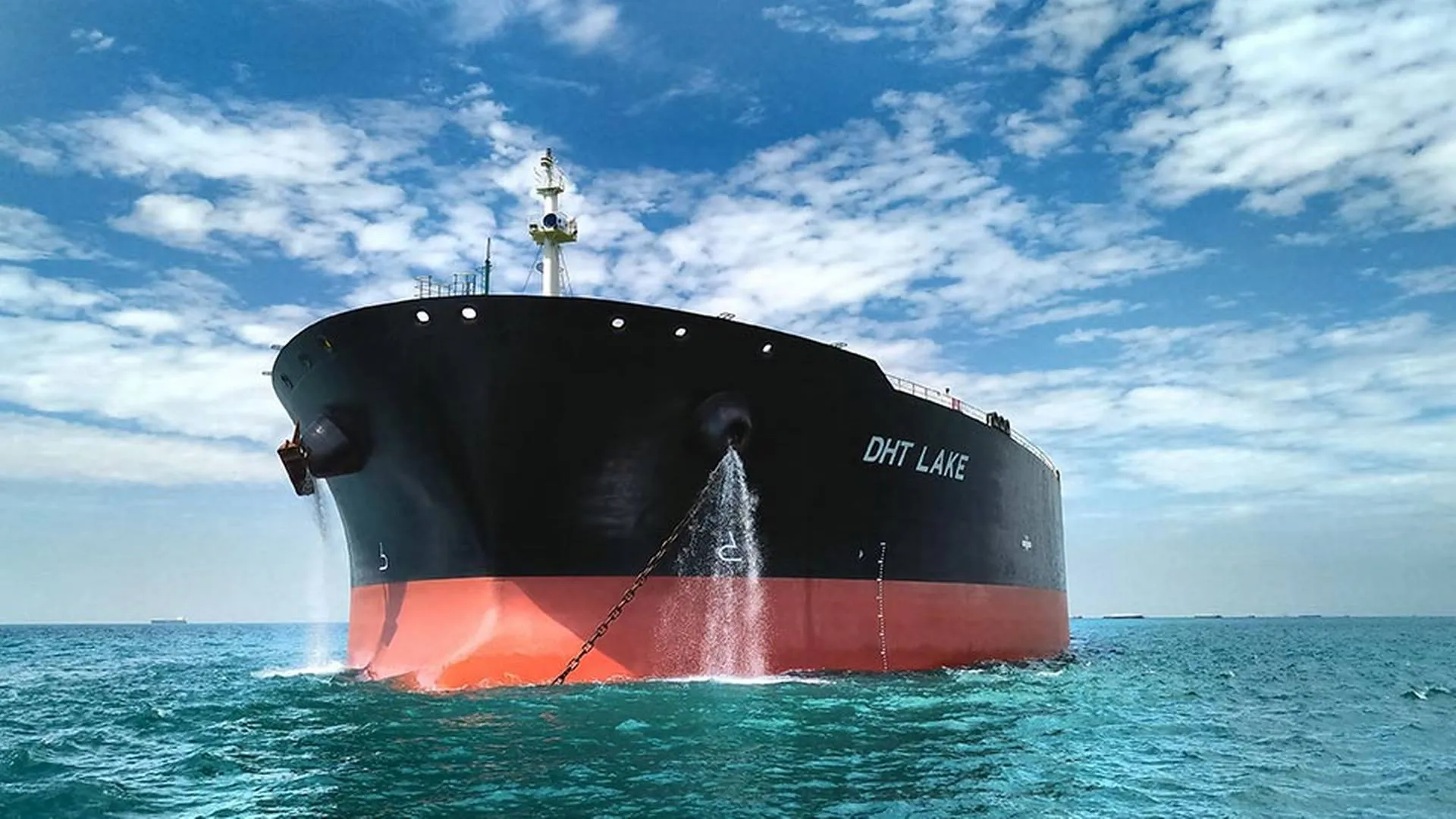
According to industry sources, the fund currently holds a 45% net long position in the tanker sector. He specifically pointed out that VLCC rates experienced an unseasonably strong rise in August-September, stating, “Such moves always reignite market enthusiasm for shipping.” The dry bulk sector maintains a 25% net long position, as the fund views this sector as being on a path of continuous recovery. Although the current fleet utilization growth rate is not as high as in the tanker sector, the “valuations are extremely attractive.”
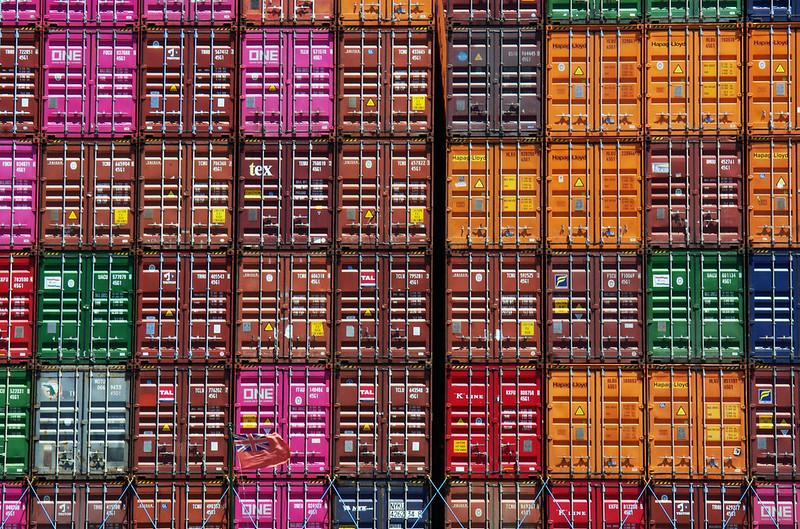
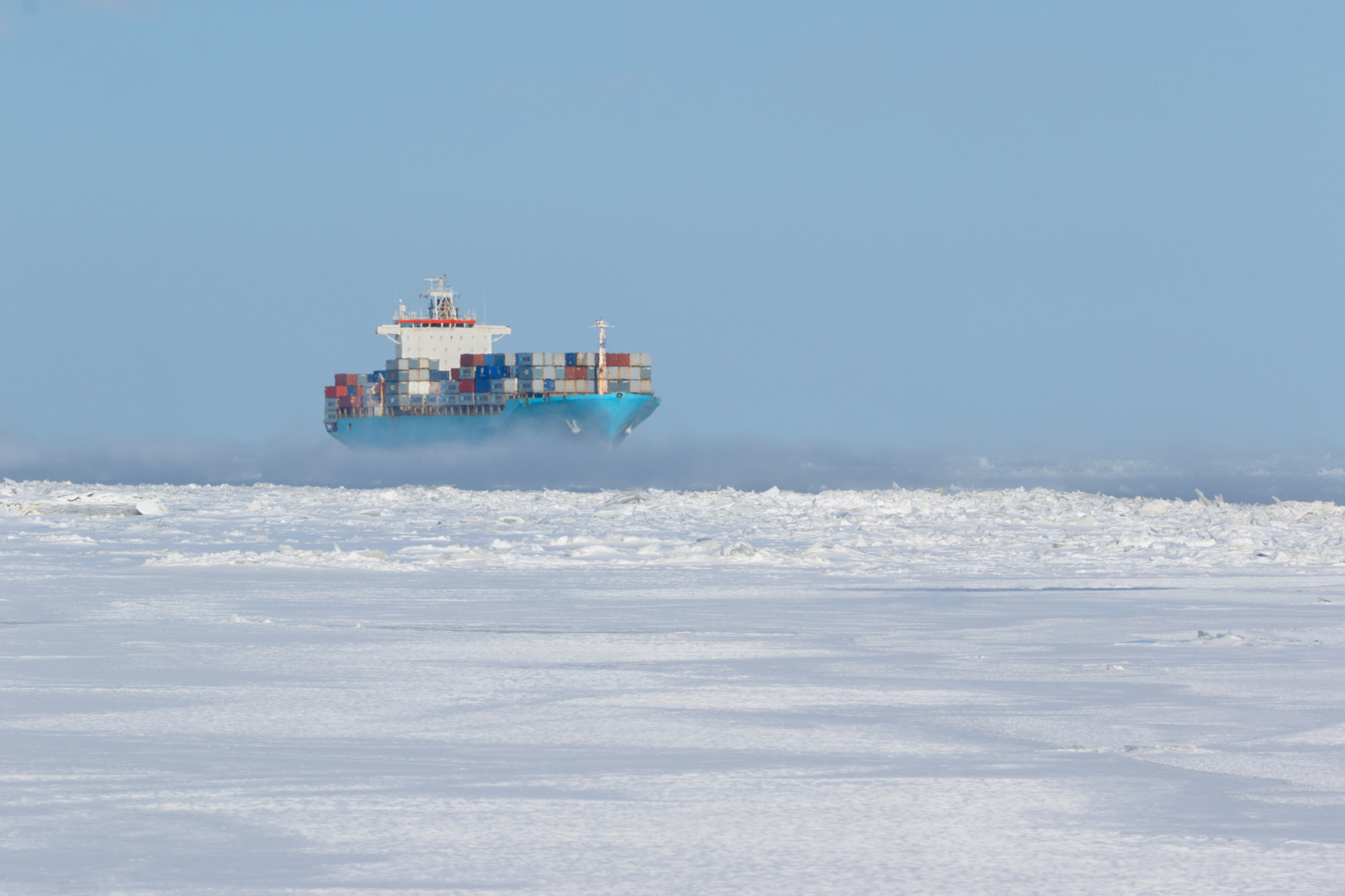
In contrast, the container shipping sector is allocated a 25% net short position. Will Homan-Russell analyzed that spot freight rates have fallen to their lowest levels since before the Suez Canal blockage at the end of 2023. Supply and demand forecasts indicate the weak freight rate trend will continue until 2027, with a potential turnaround perhaps not emerging until 2028. He further pointed out, “Although most container shipping companies have improved their balance sheets thanks to the bull market of previous years, their valuations remain high. The restoration of Red Sea routes should have severely impacted the container market, but related stocks have reacted tepidly; meanwhile, the tanker sector, which is less substantially affected, has frequently seen sell-offs due to news flow.”
Overall, the fund remains optimistic about the shipping cycle’s prospects. Will Homan-Russell elaborated on the fund’s investment logic, noting that over a full cycle, one should maintain a nearly neutral net position. However, given shipyard capacity constraints, this cycle’s duration will exceed previous ones. The core logic lies in the fact that shipyard capacity, newbuilding costs, shipyard utilization, and their profitability collectively determine newbuilding prices, which subsequently influence long-term freight rate trends and ultimately transmit to second-hand asset valuations. From a long-cycle perspective, shipyard capacity and newbuilding costs are the fundamental determinants of everything.