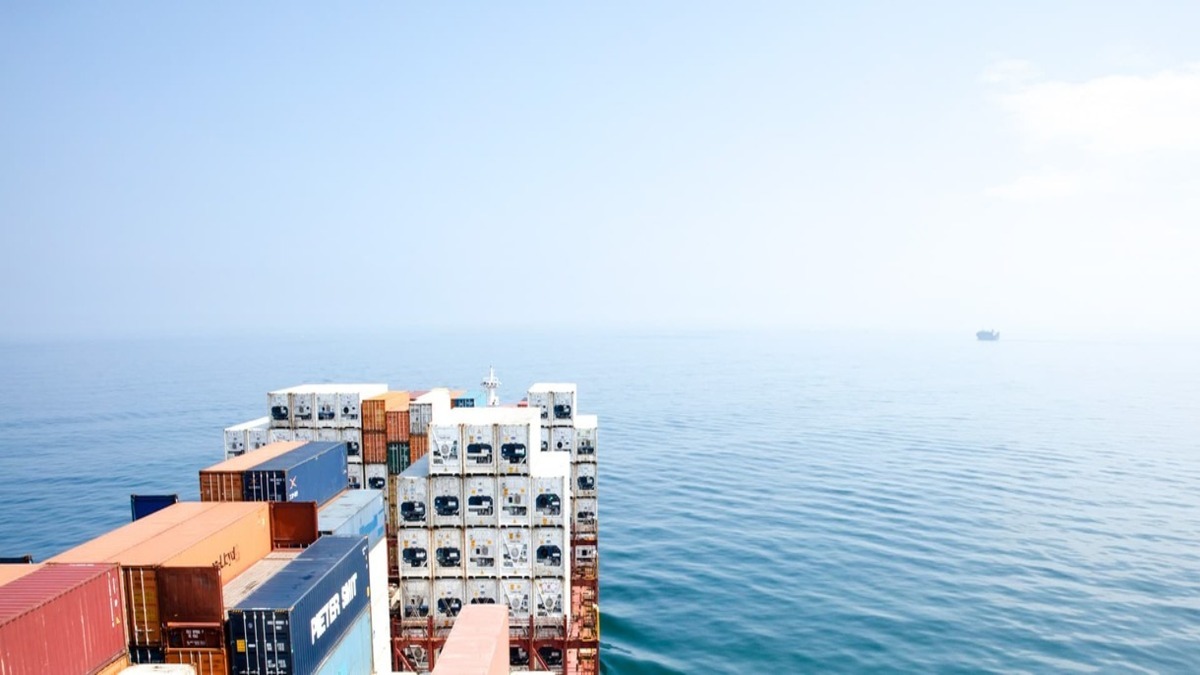
China’sHongKongand Macau Affairs Office has reposted two state mediacommentariesover the past week depicting the deal, which includes the sale of assets near the Panama Canal, as a betrayal of China and contrary to its national interests.
The deal could giveBlackRockcontrol of 10.4% of global container throughput, making it the world’s third largest port operator, Chinese state media reported, which could result in higher port and logistics costs for Chinese entities and pose a risk to Chinese supply chains.
Here’s a look at what potential legal or policy levers Beijing andHongKongcould deploy against the company.
While some analysts say China’s regulatory reach is limited as none of the ports being sold are in China orHongKong, some legal experts say Beijing could still review the transaction.
The State Administrative Market Regulation Authority could have extra-territorial jurisdiction by applying the anti-monopoly law, if a deal outside mainland China has the effect of eliminating or restricting competition in China’s domestic market.
Authorities could also use the Measures for Security Review or Foreign Investments, implemented in 2021, to examine foreign direct investments in important fields relating to national security, including infrastructure.
Felix Ng, a partner at law firm Haldanes, said the measures removed the exclusion of acquisitions of interest held by foreign companies, “suggesting that PRC authoritiesmay have the power toreview foreign-to-foreign transactionsif the target involves PRC-related entities”.
While CK Hutchison is registered offshore, it has businessesand a presencein China and Beijingmay be able touse this as justification for weighing in, Ng said.
The company did not respond to questions about the potential scrutiny.
Lawyers saidHongKonglacked regulations requiring government screening of sales of strategic assets, reflecting its traditional role as a free-wheeling entrepot.
That left the government with few options beyond the blunt and broad instrument of the 2020 National Security Law to probe foreign deals involving local firms.
The Beijing-imposed law punishes terrorism, collusion with foreign forces, subversion and secession with possible life imprisonment.
“Given the sensitivities, there would be room for further investigation under the broad sweep of the National Security Law, particularly over collusion or espionage,” said Simon Young, a professor at the University ofHongKonglaw school.
The offense of collusion would have to involve a person or company intending to disrupt the policies of the Chinese orHongKonggovernments to create serious consequences, Young said.
Likewise, espionage would have to involve a person intending to endanger national security by communicating or providing information useful to an external force.
“I don’t know if there is evidence of an intention to endanger national security by entering into the ports agreement,” he said.
TheHongKonggovernment did not respond to a request for comment.
While some politicians and analysts also say it’s hard to see how the deal could violate security laws, the Secretary for Security can give notice that relevant persons or organizations must not, directly or indirectly, deal with a property that is reasonably suspected to be related to offenses endangering national security.
The Secretary for Justice, the Secretary for Security or a police officer may exercise the power to freeze, restrain, confiscate and forfeit property relating to the commission of an offense endangering national security.
Article 29 of the law states that an act “seriously disrupting the formulation and implementation of laws or policies” by the Chinese andHongKonggovernments “which is likely to cause serious consequences” could constitute an offense under collusion with foreign forces.
The law also has an extrajudicial scope, and applies to both residents and non-residents.
HongKongauthorities used the security legislation and the implementation rules in 2021 tofreeze the assets of Next Digital, invoking powers to force the liquidation of the listed company of jailed pro-democracy tycoon Jimmy Lai.
(Reporting by James Pomfret, Greg Torode, Clare Jim and Jessie Pang; Editing by Anne Marie Roantree, Saad Sayeed and Kate Mayberry)