[By Georgia Hammersley]
This month, member countries to the International Maritime Organisation (IMO), the United Nations body responsible for regulating international shipping, will negotiate on a long-awaited plan to impose a levy on shipping fuel. The meeting is expected to decide whether the industry will move forward with the levy or not, but likely leaving thorny disputes over its design to later talks.
If adopted, it will be the first global carbon tax on a major polluting sector in support of global climate efforts.
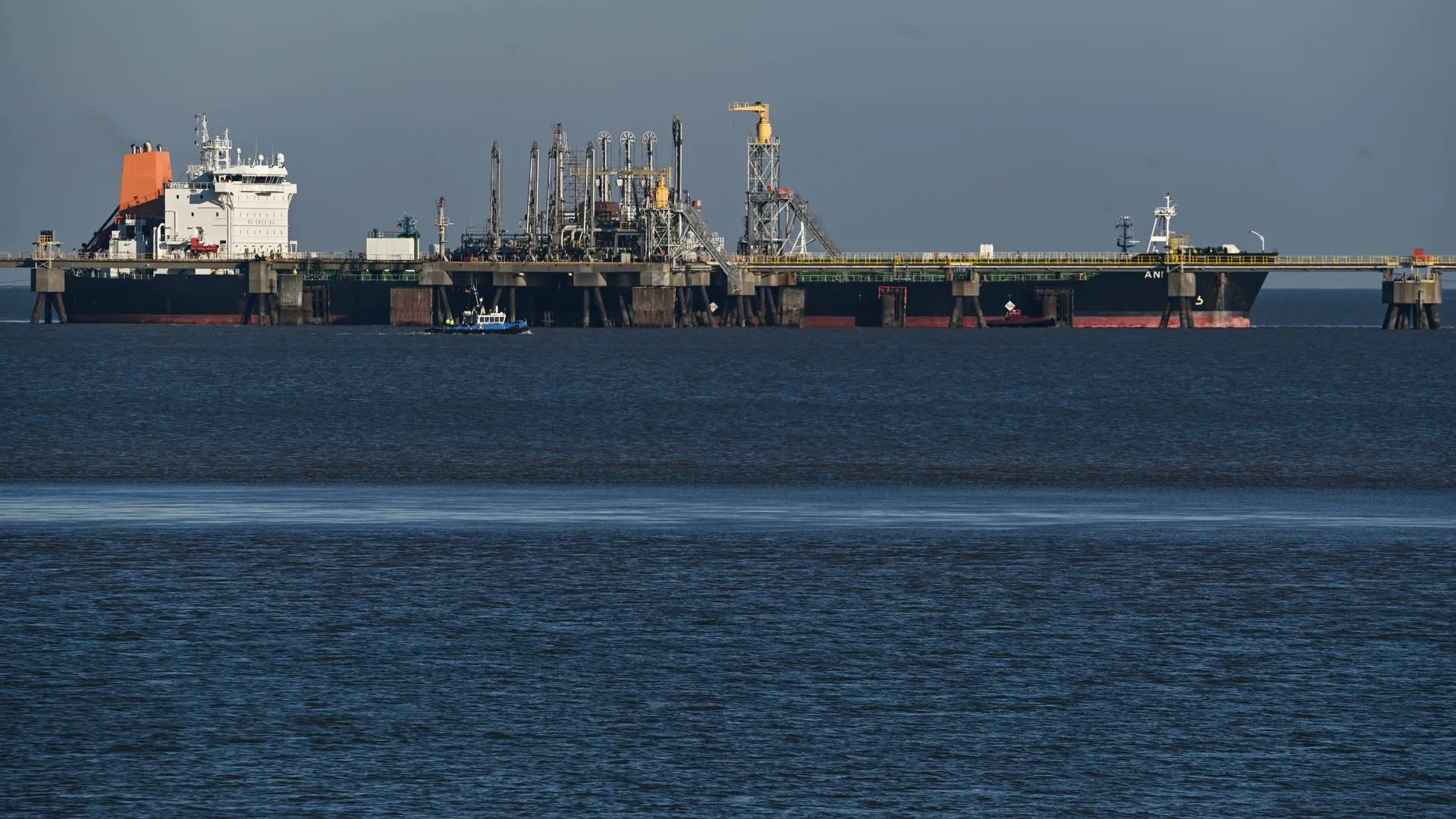
International shipping is a dirty industry, responsible forthree per cent of all global greenhouse gas emissions, primarily from its fleets’ combustion of heavy fuel oil, the cheap sludge left over from petroleum refinement. This share is expected to climb to ten per cent by 2050 if left unchecked.
So far, the sector has been slow to clean up its act. Together with aviation, shipping was omitted from the 2015 Paris Agreement due to difficulties assigning emissions to specific nations. Instead, the task fell to the IMO, whichcommittedto cutting emissions in 2018 beforesetting improved targets in 2023, including to reach net zero emissions by around 2050. But those targets still fall short of the necessary ambition to meet the Paris temperature goal of limiting global heating to 1.5 degrees Celsius.
The industry may be about to chart a new course.First tabledin 2021 by Marshall Islands and Solomon Islands, the proposed levy would charge large merchant vessels a flat fee per tonne of greenhouse gases emitted – making dirty fuels more expensive and narrowing the cost gap with cleaner alternatives. It could be in place as early as 2027.
There are promising signs fromrecent meetingsthat consensus is building.More than 60 governmentshave indicated support for the initiative including the United Kingdom, New Zealand, and Kenya. Notably,historical adversariesincluding major ship-owning nation Japan and influential “flag” state Panama are also on board.
But to pass, the proposal must secure a two-thirds majority from aselect group of membersthat have ratified theMARPOL Annex XI convention, leaving some supporters without a vote.
The levy also facesstrong oppositionfrom major exporting emerging economies such asBrazil, the upcoming host of the COP30 climate summit, together with China, South Africa, and Saudi Arabia, in an effort to protect their domestic interests. Theyarguethe levy would unfairly impact developing nations. The European Union, once a supporter, nowappears to be backtracking.*A host of other countries, includingAustralia, have not yet made their position known.
Even among supporting members, divisions persist over the finer details.
One major sticking point is the price.Proposed ratesrange from US$18.75 to $150 per tonne of carbon dioxide emitted. A mid-range levy of US$100, the World Bankestimates, could generate US$60 billion per year. But resistance from some member states reflects a familiar fear from the industry: decarbonisation could make seaborne trade less competitive.
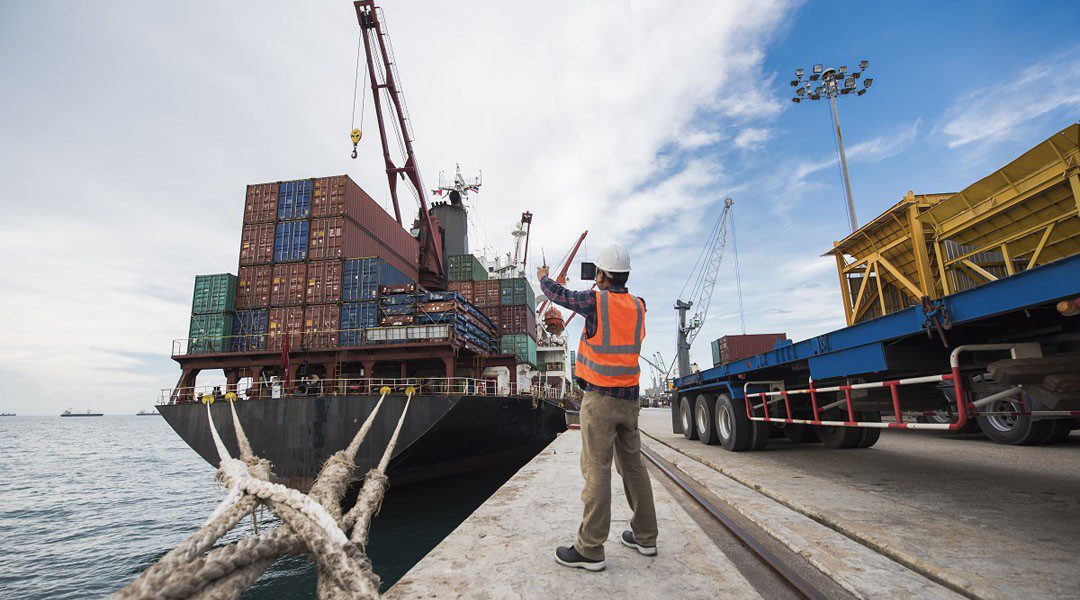
Shipping keeps global trade moving, carrying some90 per cent of traded goodsacross international waters, and has long fuelled economic growth in the developing world. And without majorinvestment, the transition to zero-emission fuels such as ammonia, which are still expensive and unproven, will inevitably drive up costs. For developing nations, the biggest fear is higher prices on essential goods, worsening food insecurity.
These concerns matter. Yet it speaks volumes that Marshall Islands – a low-lying nation with the world’s third-largest shipping registry – together with other climate-vulnerable countries are leading the charge for an ambitious outcome despite the potential cost. They understand the far greater price of inaction.
How to spend the raised revenue presents a further challenge.Most members agreeit should align with the levy’s primary mission to accelerate the sector’s transition to clean energy sources.Possible applicationsinclude financial rewards to incentivise the uptake of e-fuels, subsidies for zero-emission technologies, and training for seafarers as part of a “just transition”. The need is clearly warranted; reported estimatesindicatethat merely halving shipping emissions by 2050 will require at least US$1 trillion into e-fuel production, supply chains, and new or retrofitted ships.
A less popular but still compelling option is to redistribute some of the proceeds to support those unfairly disadvantaged by the initiative. Small Island Developing States, for instance, will likelyfeel the sting mostdue to their distance from major markets and reliance on shipping for low-value, bulky commodities. Portioning off some of the funds to help absorb the economic impact would help.
Another option floated by a United Nations Trade and Developmentreportis to use proceeds to support broader climate aims. This includes boosting international climate finance, as vulnerable developing countries disproportionately suffer from climate impacts, which are in part exacerbated by global shipping.
With foreign aid budgets shrinking in the United States and Europe, climate funding is under threat, making the need for new, predictable sources of funding more urgent than ever. Dividing the proceeds seems like a reasonable compromise, but opponentsimplythat shipping shouldn’t be made to solve the world’s climate finance shortfall.
What do these divisions mean for the final deal? Delegates at the upcoming meeting will need to decide whether to hold out for the perfect solution or to acquiesce to get things moving. With further delays to global climate action already a growing risk, the latter is the pragmatic choice. But if the levy starts low, there must be a firm commitment to raising it over time and to set some aside in solidarity with those that need it most.
Georgia Hammersley is a Research Associate in the Lowy Institute’s Indo-Pacific Development Centre. Her research interests include international climate policy and finance.
This article appears courtesy of The Lowy Interpreter and may be found in its original form here.
*This article has been updated following publication to incorporate latest developments related to the European position.