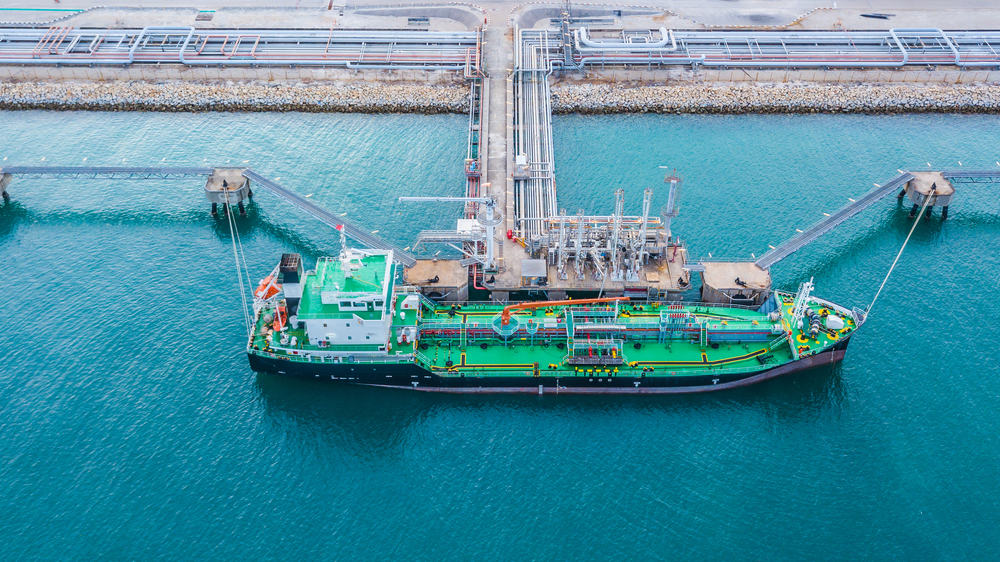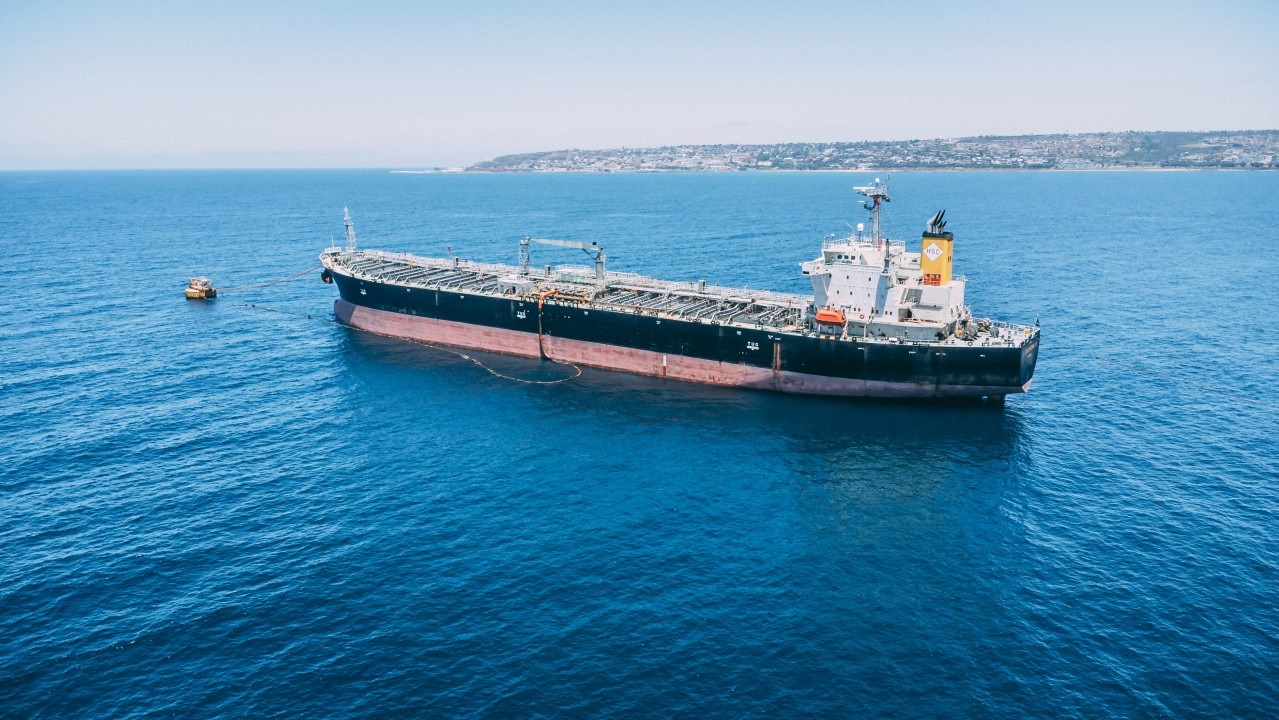
On May 10, the “HWA HAN HAN YA 2” vessel, fully loaded with 358 TEUs of auto parts, chemicals, and other goods, set sail from Jingkai Port in Hannan Port Area of Wuhan Port (referred to as “Jingkai Port”), passing through Busan Port in South Korea en route to Nagoya Port in Japan, marking the official launch of the first voyage of the 2026 direct near-sea route from Jingkai Port to Japan and South Korea. Compared to 2025, the container volume on this year’s maiden voyage increased by 17.8% year-on-year.
Wuhan Economic and Technological Development Zone boasts prominent advantages in the agglomeration of the automotive industry and a complete industrial chain supporting system, with strong demand in the foreign trade export market. Since the opening of the direct near-sea route to Japan and South Korea in 2025, it has successfully opened up a sea passage for “Chegu-made” auto parts to directly reach the Japanese and South Korean markets, solidifying logistics support for the coordinated export of complete vehicles and parts.
Compared with the traditional coastal transshipment model, the direct near-sea route to Japan and South Korea can shorten transportation time by 3 to 5 days and reduce the logistics cost per container by approximately 1,000 yuan. At the same time, Jingkai Port has implemented a one-stop customs clearance service of “local declaration, same-day inspection, same-day clearance,” further streamlining the customs clearance process and improving logistics efficiency, effectively moving the seaport to the “doorstep” of enterprises.