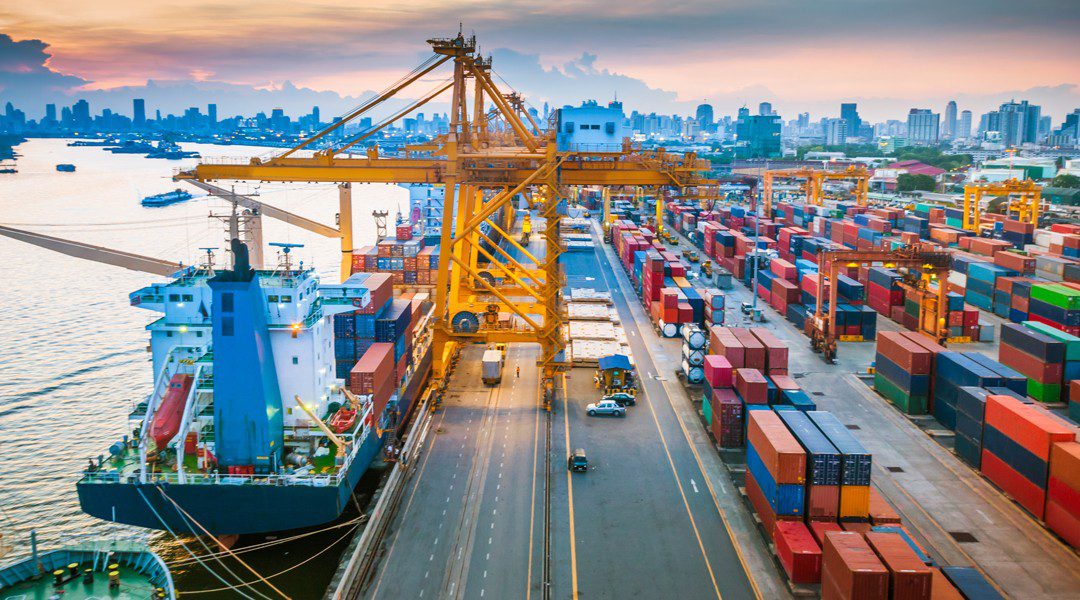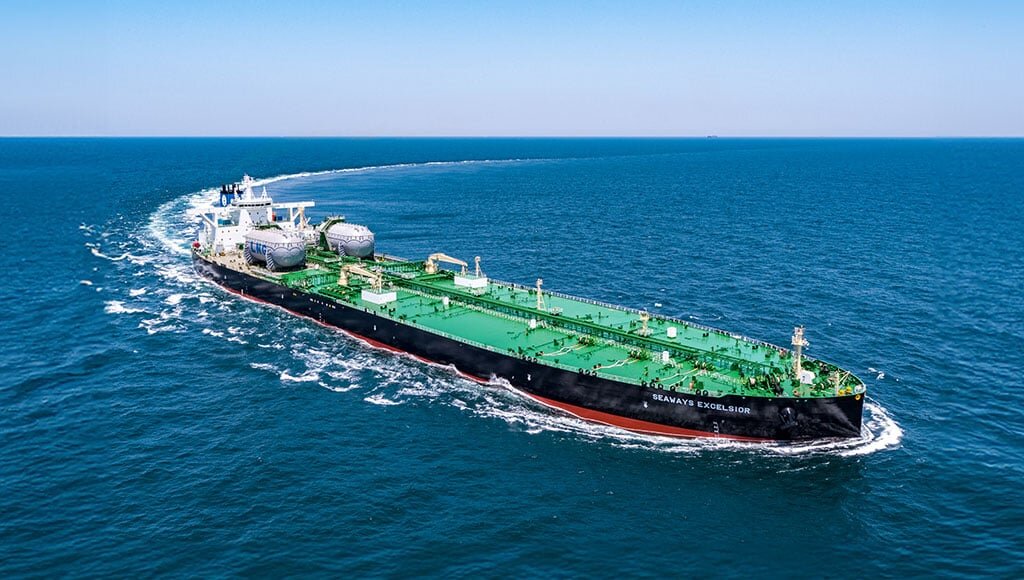
Recently, the “Wuxing Ruigang 001,” a 64-TEU all-electric vessel fully loaded with export containers from foreign trade enterprises, set sail from the “rail-highway-water” port in Changxing, Huzhou, and arrived at Zhapu, Jiaxing. This marked the regular weekly operation of the “Huzhou Changxing-Jiaxing Zhapu” inland green shipping demonstration corridor, connecting two major ports in northern Zhejiang.
As Zhejiang Province’s first inland green shipping demonstration corridor featuring “low-carbon and intelligent” characteristics, this shipping route starts from Xiaopu, Changxing, and passes through four main waterways—Changhushen Line, Hujiashen Line, Dongzong Line, and the Beijing-Hangzhou Canal—to Zhapu, Jiaxing. By introducing all-electric inland vessels, it efficiently links key nodes such as waterways, green terminals, waterway service areas, and industrial clusters, comprehensively building a “green waterway,” “green terminal,” “green vessel,” and “green environment,” leading the green and low-carbon transformation of Zhejiang’s inland shipping.
The “Wuxing Ruigang 001” is currently the only 1,000-ton-class all-electric dual-purpose container/bulk carrier operating in the demonstration corridor. Compared to traditional fuel-powered vessels, it offers significant advantages such as fast startup, low energy consumption, zero emissions, and low noise. Calculations show that the vessel’s operating cost per kilometer when fully loaded is 9.6 yuan, saving about two-thirds compared to the 28 yuan cost of traditional vessels. Additionally, it can reduce carbon dioxide emissions by 248 tons annually, providing a green solution for container transportation in northern Zhejiang. With the regular operation of the inland green shipping demonstration corridor, more all-electric vessels will be put into service in the future, potentially forming the province’s first inland new energy fleet, shuttling between the two ports in northern Zhejiang and serving the green shipping industry in both regions.