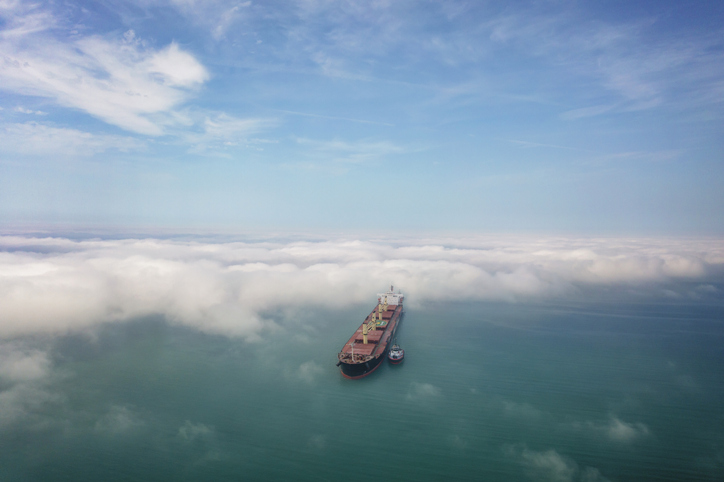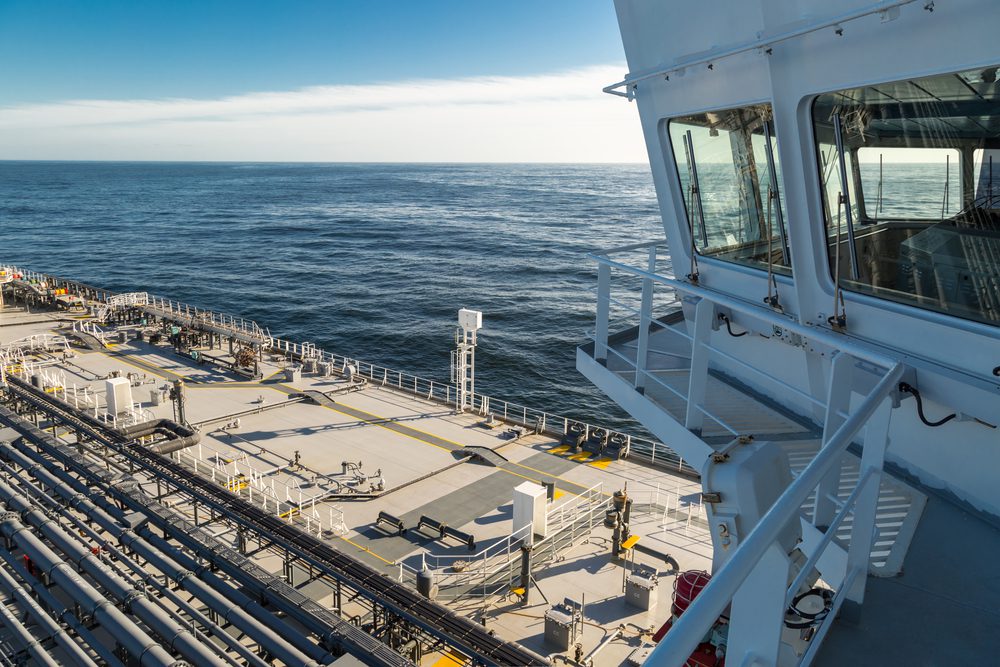
The company, which is the branch that manages the tankers of the group, led by Ms. Maria Angelicoussis, in recent years had focused on the construction of suezmax-type vessels (150,000 tons), having an ongoing shipbuilding program that includes 11 suezmaxes, three of which are DP shuttle tanker types.
The last VLCC the group had received was the «Antonis I Angelicoussis», which was the first tanker to have duel fuel (LNG) engines and which was certified by the Green Award Foundation.
It was followed by the sister VLCCs «Maria A. Angelicoussis», «Maran Danae» and «Maran Dione».
Currently, Maran Tankers has 40 tankers “in the water”, according to what is reported on the company’s website.
Simultaneously with the new constructions, Maran Tankers is divesting regarding its older vessels, having sold a total of nine from August 2022 until now.
The latest deal was in October, when the company Yinson Production from Singapore bought the «Maran Antares», with a capacity of 317,000 dwt, built at the Daewoo shipyards in 2012, for $80 million.
However, the interest in building new VLCCs is also intensifying due to the effects brought about by geopolitical tensions and the sanctions imposed mainly on Russia (for the war in Ukraine), but also on Iran.
At the same time, the global VLCC fleet amounts to 908 vessels, of which over 35% are over 16 years old.
Charter rates for VLCC carriers have increased vertically during 2025, reaching the highest level of the last five years, while the latest sanctions against Russian oil companies Rosneft and Lukoil are expected to worsen the situation.
According to data published by Kpler, approximately 48 million barrels of crude oil from Rosneft and Lukoil are currently either at sea or in the process of being loaded onto a vessel.
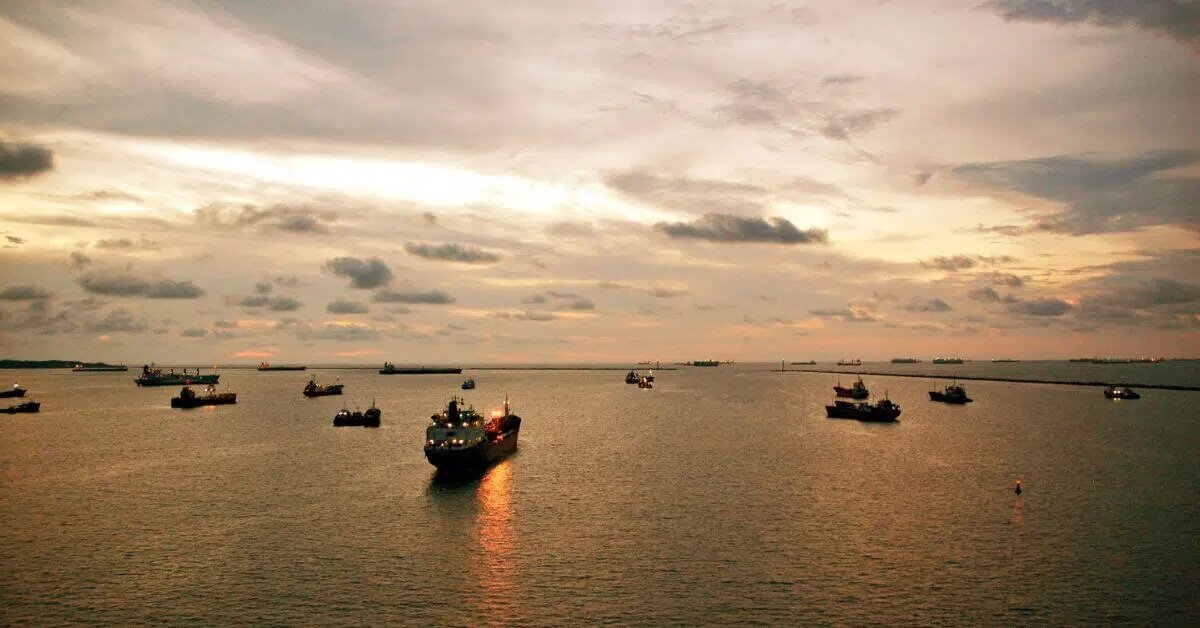
This includes about 50 tankers destined for China and India, as well as others destined for smaller ports, scattered from the Baltic to the South China Sea, which are expected to be unable to reach their destination.
Charter rates for VLCCs amounted to $137,000 per day last week, marking a 576% increase from the beginning of the year.
This is the highest level since the end of April 2020 and exceeds the recent market peak recorded two weeks ago.
The average of the VLCC index reached $116,400 per day, also at a new five-year high.
The new rise in the cost of chartering supertankers occurred the day before yesterday, Sunday, almost immediately, after the US sanctions came into effect last Friday, a fact which forced buyers, especially in India and China, to turn to other suppliers.
The situation coincided with increased production from the US and OPEC+ countries, especially from Middle Eastern producers who are ready to meet demand with larger volumes, according to a note by Jefferies LLC analyst, Omar Nokta.
The shift in demand is already visible, as more charters for late November and December were made last week, with twelve vessels requested to load crude in the Middle East.
The rise in charter rates also benefited the broader tanker fleet, with smaller sizes recording higher revenues.
Suezmaxes, which carry about half the cargo of a VLCC, are now moving to the Middle East to load cargoes on routes typically served by VLCCs, Vortexa reported in a note last week.