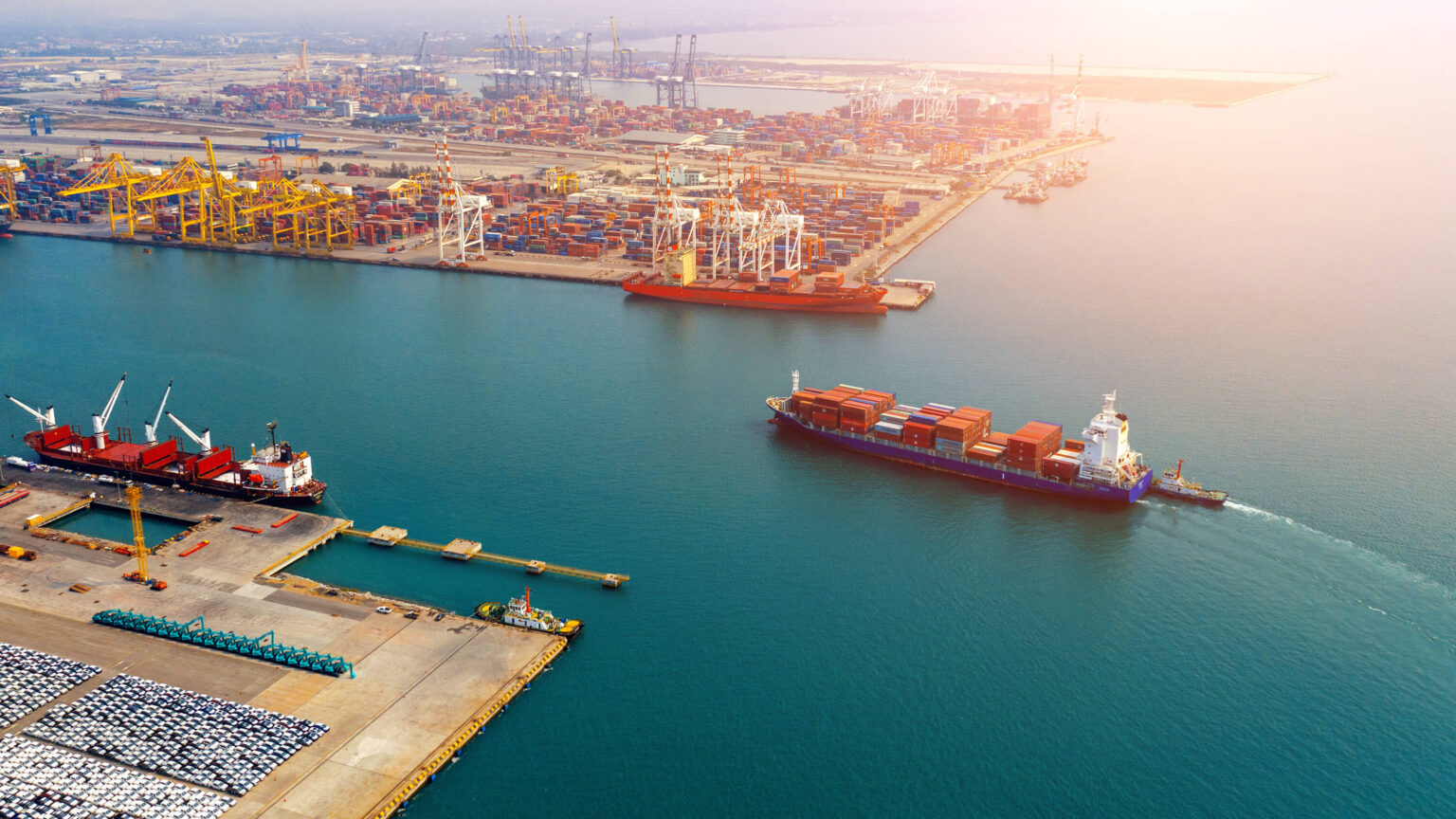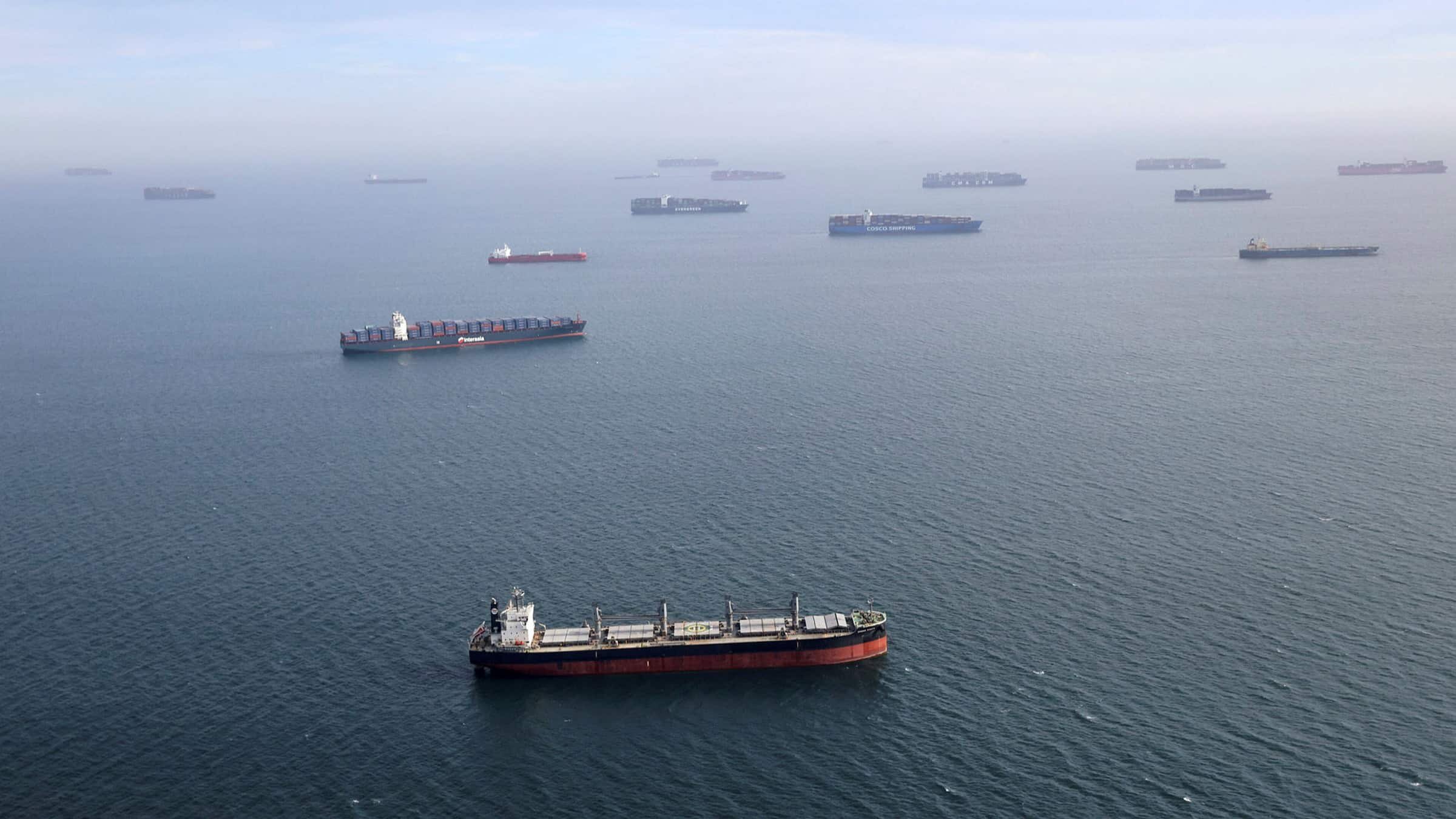
The military conflict in the Middle East has significantly affected shipping, with thousands of seafarers and ships being trapped, tanker freight rates having skyrocketed, and major container shipping companies stopping sending their ships to the Strait of Hormuz and the Persian Gulf.
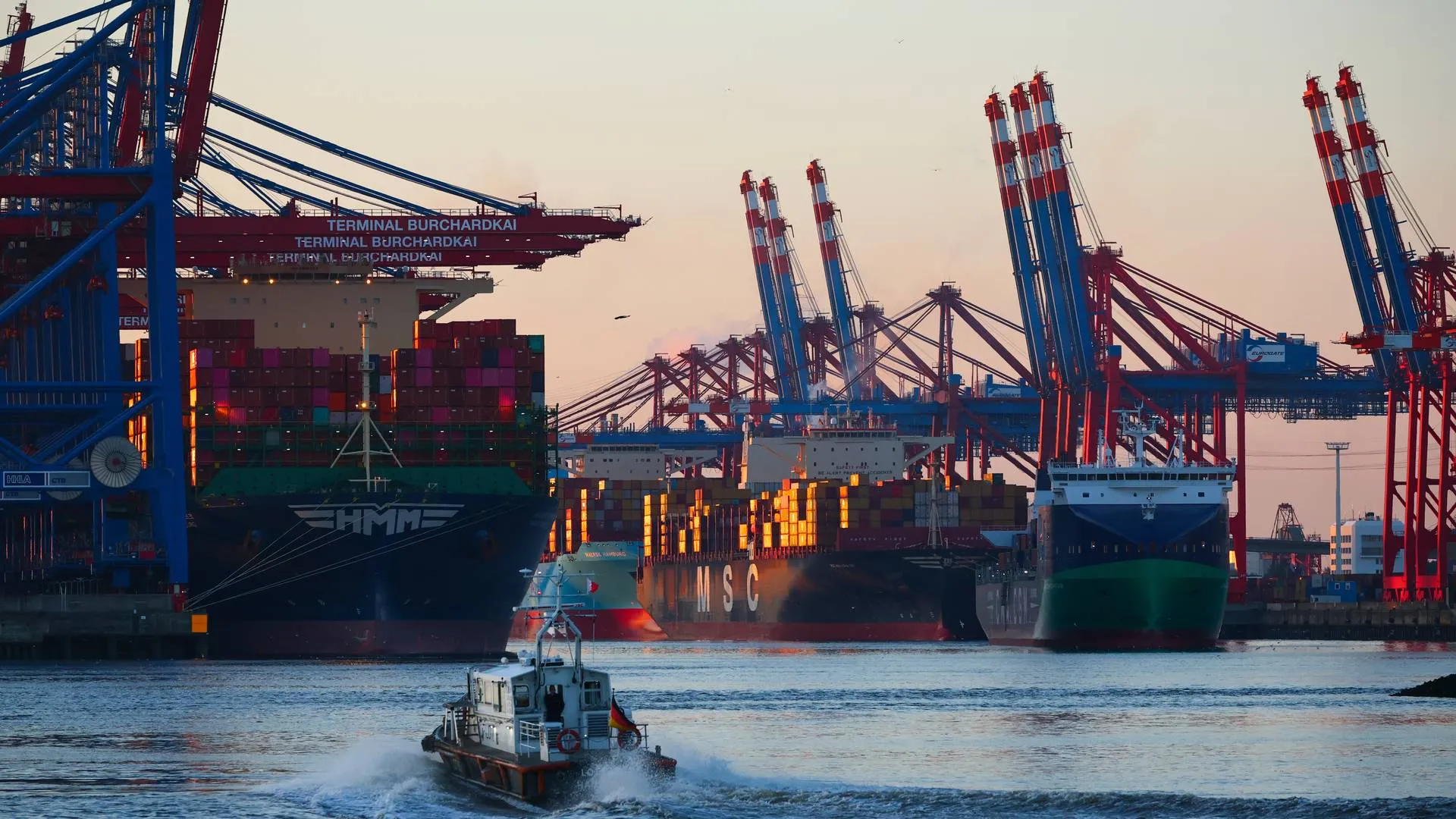
Beyond tankers, which we have extensively covered for the problems they face, hundreds of thousands of containers are on hold and in uncertainty after the suspension of cargo bookings by shipping companies to Arabian container ports in the Persian Gulf and the Red Sea.
The cargoes that are “stuck” in ports of the Persian and Arabian Gulf have a value of 10 billion dollars according to Ben Tracy, Vice President of Business Strategy Development at Vizion. “That means over 270,000 TEUS”.
A.P. Moller – Maersk announced on Wednesday that it suspended cargo transportation to and from the UAE, Iraq, Kuwait, Qatar, Bahrain, Saudi Arabia and all ports of Oman except Salalah. Until March 2026, Maersk has approximately 14 ships with a total capacity of 70,000 TEU that have been affected. The suspension comes immediately after Maersk increased its presence in the region.
CMA CGM suspended bookings for dangerous cargo to a large number of Middle Eastern countries and stopped sending its ships via the Suez Canal. Approximately 14-17 ships with a capacity of 70,000 TEU are stuck in the Middle East.
Read also: Record freight rates: VLCC of Emperikos chartered for nearly 700,000 dollars per day
The CEO of Hapag Lloyd, Rolf Jansen, stated at an industry conference that “50,000 TEU” were affected by the war and the company has implemented an immediate booking suspension for all types of cargo from and to the United Arab Emirates, Iraq, Kuwait, Qatar, Bahrain, Oman (Sohar), Saudi Arabia (Dammam and Jubail) and Yemen.
ONE has also temporarily suspended bookings for cargo moving to/from the Persian Gulf. Jeremy Nixon, CEO of Ocean Network Express, stated at an industry conference: “Container ships represent about 100 of the 750 ships that are around the Strait of Hormuz”.
COSCO Shipping Lines announced the suspension of new bookings on key Gulf routes. The company issued an advisory notice for navigation in the Gulf, prioritizing the safety of crew and ships, directing them to safe waters..
According to Kpler, MSC has about 15 to 16 ships “trapped” in the region.
Thousands of containers trapped in ports far from those of the Middle East
Importers are being informed in real time about the changes and the impact they will have on their wallet. Containers considered “stuck” extend beyond those of the Middle East.
“The problem with stuck containers also exists in the ports from which these containers destined for Gulf and Middle East ports would be loaded,” said Tracy.
“These shipping containers have nowhere to go.”
The cost of these diversions will be expensive for shippers.
In a notice to customers, SEKO Logistics explained that ocean carriers have issued emergency notices invoking clauses in their shipping documents that allow them to divert vessels to safer ports and terminate voyages early.
SEKO enumerated the mandatory surcharges applied per affected container, the diversions to emergency discharge ports, all charges related to container handling, storage, and further transportation charges.
“MSC is charging an $850 fee for container delivery,” stated Tracy. “When you add up all these diverted containers, MSC will make about $158 million in fees.”
While the war may have affected the tanker market more, this does not mean the container industry will not be affected, with the extra costs expected to be passed on to consumers once again. Unfortunately, in recent years, humanity has been experiencing a persistent crisis in maritime freight, and no one knows when all this will stop.