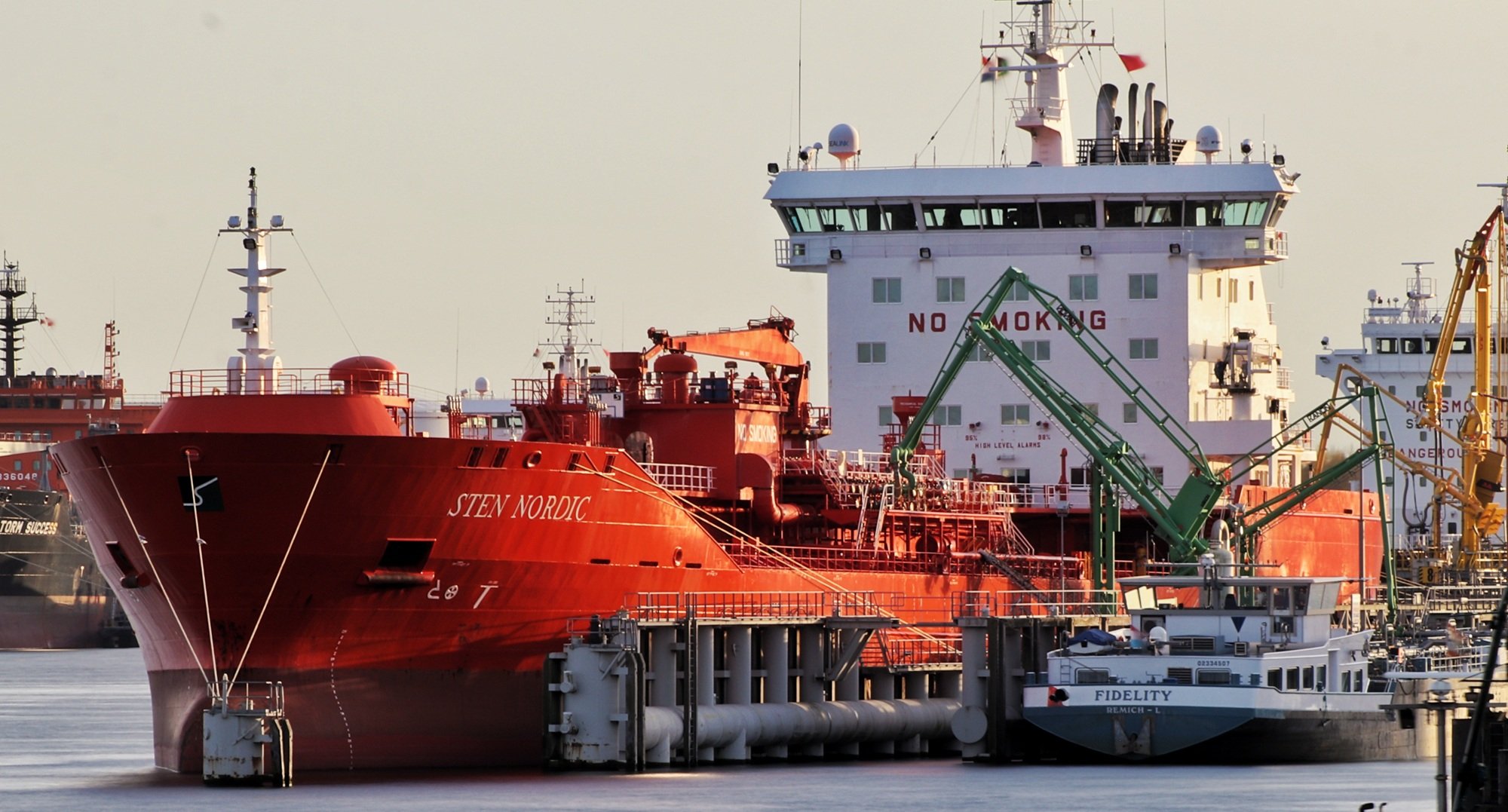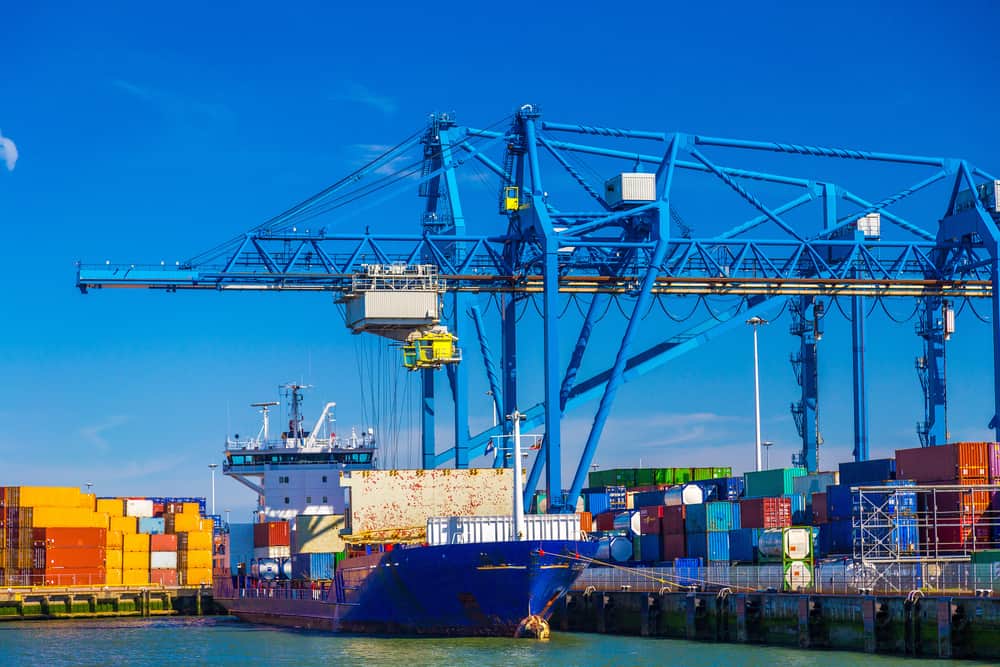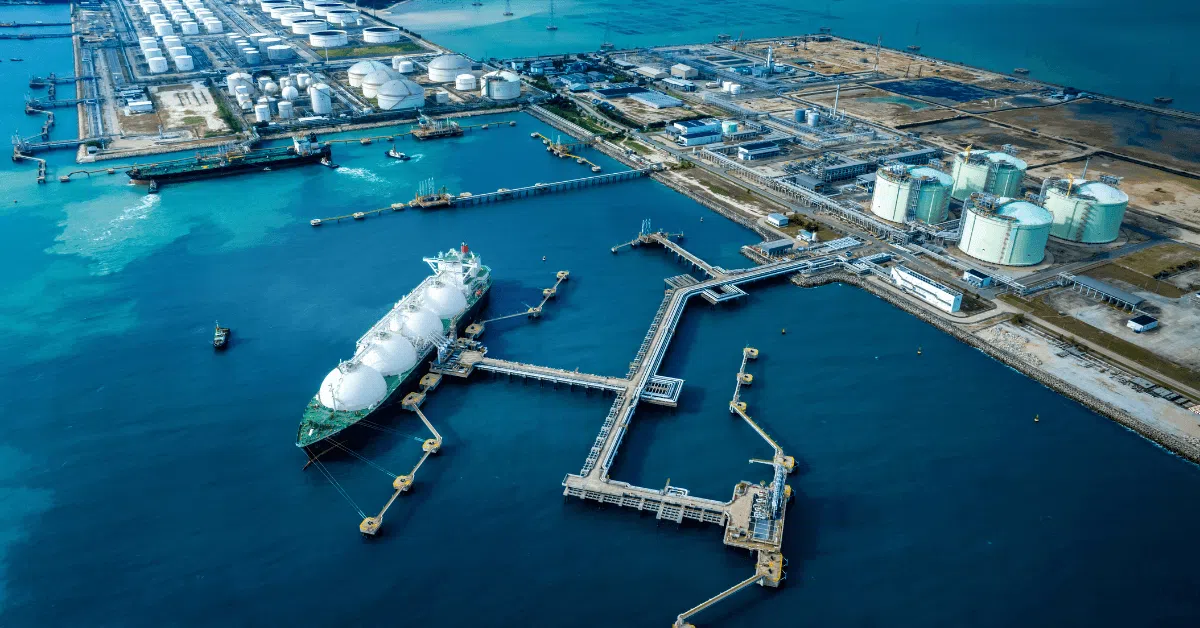
At sea VLS reloading is really a fleet-endurance problem disguised as a crane problem. The launcher matters, but the bigger question is whether the navy can build a repeatable reload ecosystem around heavy lift, ammunition handling, sea-state discipline, deck safety, and logistics choreography.
Once that ecosystem exists, the missile magazine of the fleet stops being tied so tightly to fixed ports and long rearm cycles. Until then, a combatant that has fought well may still have to leave the operating area earlier than commanders want simply because its cells are empty.
Subscribe to the ShipUniverse Weekly Newsletter
The real pressure points
The strongest upgrades are not always the most visible ones
Best first question
Can it reload safely
The concept only becomes useful when ammunition handling, ship motion, deck positioning, and launcher alignment can be managed with repeatable margins instead of one-off heroics.
Best hidden limiter
Support ship geometry
A combatant may be ready for reload in theory, but the transfer ship, lift arrangement, weather deck layout, and sea-state envelope decide whether the evolution is practical.
Best logistics lesson
Missiles need a chain
Reloading cells at sea depends on storage, lift, canister movement, sequencing, crew training, and sustainment ships that can actually support the evolution underway.
Best strategic payoff
Longer staying power
The real value is not technical novelty. It is letting missile ships remain relevant for longer without an early break in operations just to rearm.
1️⃣ through 8️⃣ The upgrade categories that could change the outcome most
These are the logistics and platform improvements most likely to decide whether at sea VLS reloading becomes operationally useful or remains niche
1️⃣ Heavy lift transfer systems built around missile canister reality
This is the most obvious upgrade lane, but it still deserves the top slot because the entire concept fails without reliable lift systems sized for the actual canister-handling problem. The issue is not just crane strength. It is controlled motion, deck-space geometry, safe transfer path, and the ability to work through realistic ship movement without turning every reload into an engineering stunt.
Main gain Makes the reload evolution physically possible in a more repeatable way.
Best fit Crane ships, converted support ships, T-ESD style platforms, and any future auxiliary built with VLS reload in mind.
Watchpoint Rated lift alone is a weak buying metric if the full transfer path remains awkward or unstable.
Heavy lift
Controlled motion
Deck geometry
2️⃣ Transfer rigs and alignment aids that reduce the sea state penalty
At sea reload becomes much more credible when the system can tolerate more motion without losing safety or precision. Alignment aids, stabilization logic, guided transfer points, and better canister-control methods are likely to matter more than many buyers first expect. These are the features that can move the concept from narrow demonstration windows toward something commanders may actually plan around.
Main gain Expands the conditions in which reload is realistic instead of merely possible.
Best fit Reload systems intended for distributed operations rather than only benign test windows.
Watchpoint Small stability gains can produce large operational value because they widen usable weather and motion envelopes.
Motion control
Alignment aids
Sea-state tolerance
3️⃣ Ammunition staging and deck workflow on the support ship
Reloading does not begin at the launcher opening. It begins with how canisters are stored, protected, sequenced, and moved across the supporting ship. A support vessel with poor staging logic can erase the benefits of a good transfer device. Cleaner deck layout, safer handling lanes, better movement sequencing, and reduced interference among crews may prove more valuable than another headline hardware feature.
Main gain Faster preparation and lower deck-side friction before the canister ever reaches the warship.
Best fit Auxiliary ships expected to support rearm, ammunition offload, or at sea transloading missions.
Watchpoint The support ship is part of the weapon-reload system, not just a transport asset parked nearby.
Deck workflow
Staging logic
Safer sequencing
4️⃣ Warship-side launcher access and handling interfaces that speed the final step
The receiving combatant can become the bottleneck if launcher-area access, deck safety, receiving fixtures, and local handling arrangements are not designed around the evolution. A fleet can make big gains on the support-ship side and still lose time at the warship if the final handoff into the launcher area remains manpower-heavy or awkward. This is where ship-specific design decisions begin to matter more.
Main gain Turns transferred canisters into faster launcher-side reload progress.
Best fit Surface combatants that may become practical candidates for repeat at sea reloads rather than port-bound rearm only.
Watchpoint A concept that ignores the receiving ship’s deck reality may look better in diagrams than in fleet use.
Launcher access
Warship interface
Final-step speed
5️⃣ Specialized reload support ships or conversions that make the chain scalable
The concept becomes strategically interesting only when it can scale beyond one test platform. That is why purpose-shaped support ships, crane-ship recapitalization, or conversion programs matter so much. A navy may prove the physics of at sea reload with one ship pairing, but fleet endurance changes only when there are enough suitable support platforms to make the capability broadly relevant.
Main gain Moves the capability from experiment toward operational availability across more of the fleet.
Best fit Navies thinking in terms of wider force endurance instead of one-off tactical proof points.
Watchpoint The scaling question is not can it work once. It is how many ships can support it and where.
Support-ship scaling
Conversion path
Fleet relevance
6️⃣ Ammunition handling teams training and safety doctrine built for underway reloads
This lane often gets less attention than hardware, but it can decide whether the capability stays rare or becomes routinely usable. Missile canister movement at sea depends on trained teams, standardized commands, emergency actions, deck discipline, and repeated drill cycles that turn a technically possible act into a trusted fleet evolution. Without that human layer, the hardware ceiling stays low.
Main gain Better repeatability and safer execution under pressure.
Best fit Combat logistics forces, crane-ship crews, weapons handlers, and combatant crews expected to participate in reload events.
Watchpoint Training is not support work around the system. It is part of the system.
Reload doctrine
Safety discipline
Human reliability
7️⃣ Digital sequencing and logistics visibility that know which canister goes where next
If the fleet wants at sea rearm to matter at scale, it will need stronger digital control over inventory, canister allocation, movement sequence, and ship-priority decisions. This becomes especially important when several combatants, several support assets, and different missile loads are competing for limited rearm capacity. The next level of value may come from better orchestration, not just better steel.
Main gain Reduces delay caused by poor sequencing and weak inventory awareness.
Best fit Distributed logistics environments where support assets may need to rearm multiple ships in shifting priority order.
Watchpoint The most advanced lift system still loses value if the wrong canister is staged for the wrong ship at the wrong time.
Reload sequencing
Inventory visibility
Priority control
8️⃣ Expeditionary transload and austere port support that reduce dependence on major bases
One of the most strategically important upgrade lanes may sit just outside the reload event itself. If missiles and canisters can be moved efficiently through austere ports, expeditionary transfer points, and at-sea transload nodes, the fleet gains more flexibility before the reload even starts. That is part of why support-ship recapitalization and mobile logistics design matter so much in this conversation.
Main gain Gives the fleet more ways to keep reload-capable support assets supplied and positioned forward.
Best fit Maritime operations that cannot rely on a small set of large fixed rearm hubs.
Watchpoint At sea reload is strongest when it sits inside a wider expeditionary logistics architecture rather than acting alone.
Austere support
Transload value
Forward positioning
Which upgrade solves which fleet problem
This compares the categories by operational effect instead of technical prestige
|
Heavy lift transfer systems Mechanics lane. |
Make reload physically possible | Directly enables canister movement | Can be overvalued if support workflow stays weak | Crane ships and reload auxiliaries | Foundational but not sufficient alone |
|
Alignment and motion-control aids Envelope lane. |
Expand usable conditions | Can widen sea-state tolerance and consistency | Harder to appreciate until operations get rougher | Any realistic at-sea reload concept | Often the difference between test and field value |
|
Support-ship staging and deck workflow Preparation lane. |
Reduce transfer friction before lift | Speeds the whole sequence from the rear | Less dramatic than launcher-side work | Combat logistics and ammunition support ships | Quietly high payoff |
|
Warship-side handling interfaces Receiving lane. |
Speed the last step | Improves the final handoff into reload geometry | Ship-specific constraints can limit standardization | Potential reload-capable combatants | Critical if the fleet wants repeatability |
|
Support-ship scaling and conversions Capacity lane. |
Make the capability broadly available | Transforms a point solution into fleet architecture | Needs capital and sustained doctrine support | Navies planning for wider endurance effects | Strategic multiplier |
|
Training and safety doctrine Human lane. |
Turn hardware into trusted practice | Improves execution reliability | Takes time and repetition to mature | Rig teams, ammo handlers, ship crews | Essential to making the concept routine |
|
Digital sequencing and reload logistics visibility Control lane. |
Match canisters to priorities faster | Improves orchestration across multiple ships | Needs disciplined data and workflow design | Fleet logistics planners and vendors | More important as scale grows |
|
Expeditionary transload and austere support Forward lane. |
Keep reload assets supplied and positioned | Reduces dependence on major fixed rearm hubs | Depends on a wider logistics ecosystem | Distributed maritime operations | Key to true endurance change |
Three mistakes that keep the concept smaller than it should be
Most weak plans focus on the launcher moment and ignore the support chain around it
Treating reload like a crane demonstration
A single successful lift does not create a fleet reload capability if support ships, staging, training, safety margins, and sequencing remain immature.
Ignoring the support ship as part of the weapon system
The auxiliary, crane ship, or transload platform is not just a backdrop. Its layout, teams, and cargo logic shape whether the concept is usable at scale.
Separating reload from wider contested logistics
At sea VLS rearming becomes much more useful when it is tied to austere-port access, transload options, and forward support positioning rather than treated as a stand-alone engineering novelty.
Fleet Endurance Reload Gauge
An interactive model for testing which at-sea reload upgrades deserve priority first
Move the sliders based on the operating picture you want to test. Higher missile expenditure pressure, fewer secure rearm hubs, more sea-state difficulty, more reliance on support ships, and more distributed operations will shift which upgrade categories become most valuable first.
How hard it is for combatants to reach secure fixed rearm sites
Higher means forward transload and at-sea reload support rise faster. 5 / 5
How quickly combatants may expend missiles in operations
Higher means reload tempo and scaling matter more. 4 / 5
How difficult sea and motion conditions are likely to be
Higher means motion control and alignment aids gain more value. 4 / 5
How dependent the concept is on auxiliaries and conversion ships
Higher means support-ship geometry and workflow become more important. 4 / 5
How distributed and mobile the wider logistics architecture must be
Higher means sequencing, transload, and forward positioning matter more. 4 / 5
Priority score
87
This profile strongly favors treating at-sea VLS reload as a logistics architecture upgrade rather than just a launcher-access improvement.
Top focus
Support chain
Support-ship staging, transfer systems, and forward reload logistics look like the first places to strengthen here.
Best posture
Endurance first
The strongest answer here builds a wider reload ecosystem that keeps missile ships in the fight longer.
Upgrade-pressure intensity
High
This looks like an operating picture where at-sea VLS reload could become materially more important to fleet endurance than a conventional return-to-port rearm model.
Which upgrade groups rise fastest
Support ship transfer systems and staging
90
Motion control and alignment aids
82
Warship receiving interfaces and reload speed
80
Fleet scaling through support-ship availability
88
Forward transload and distributed logistics fit
86
How to read the gauge
- Harder access to secure rearm hubs usually pushes support-chain and forward-transload upgrades higher first because the fleet cannot count on quick return-to-port cycles.
- Heavier missile expenditure usually raises the value of support-ship scaling because one good reload method is not enough if too few platforms can support it.
- Rougher sea conditions usually increase the value of motion-control and alignment improvements because operational usefulness depends on widening the safe working envelope.
The practical takeaway is that at-sea VLS reloading is most likely to matter when it is treated as a fleet-endurance ecosystem rather than a single engineering trick. The concept becomes strategically meaningful when support ships, handling systems, crew doctrine, sequencing tools, and forward logistics pathways all mature together. That is where the real change in fleet staying power would come from.
We welcome your feedback, suggestions, corrections, and ideas for enhancements.
Please click here to get in touch.
By the ShipUniverse Editorial Team — About Us | Contact