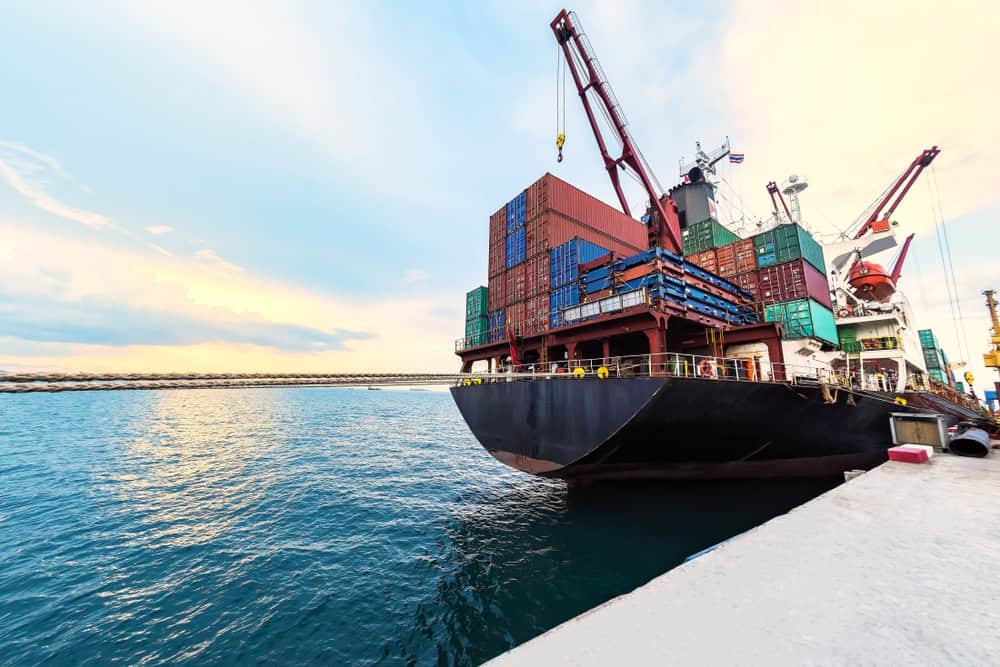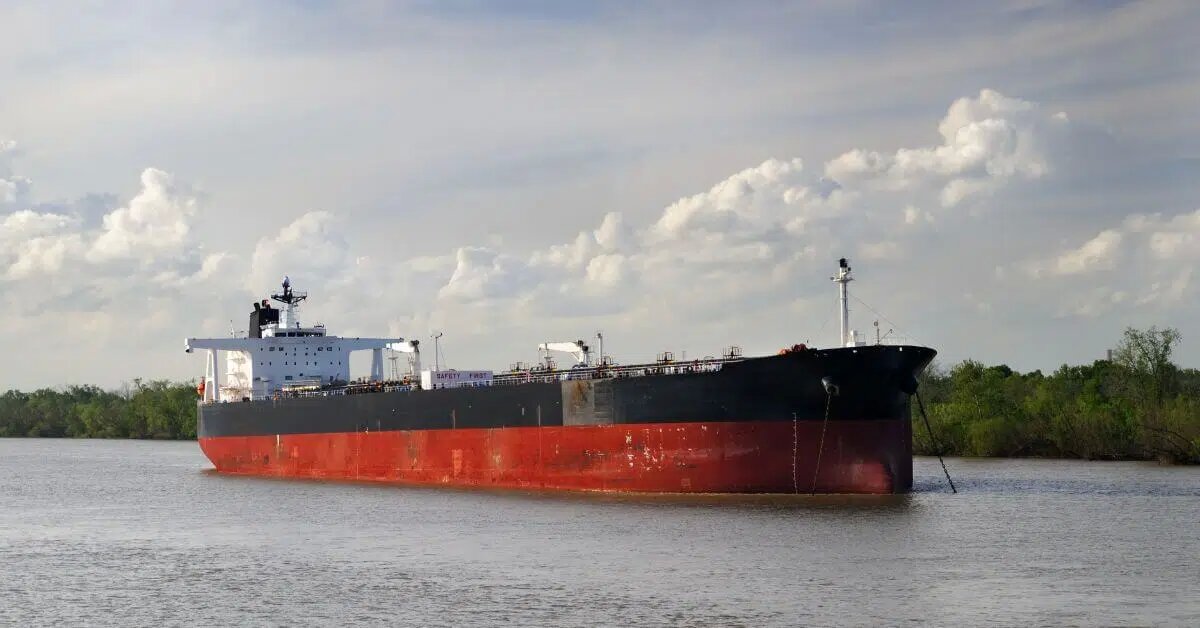
The arrival of a specialized vessel marks the return of Ro-Ro cargo to the Terminal Puerto Coquimbo (TPC), which was valued by the concessionaire as it reinforces logistical diversification and the strategic role of TPC in the region.
This event was also recognized as a milestone for the operational continuity and the expansion of the service portfolio of the maritime facility.
This was realized with the arrival of the car carrier Crystal Ace, which called at the Port of Coquimbo with a total of 183 packages to be unloaded, including 43 automobiles, 8 trailers, 3 pump trucks, 57 crates, and various machinery for mining and construction.
In this regard, Laura Chiuminatto, general manager of TPC, stated that “at TPC we have the specialized infrastructure, equipment, and human team to receive high-volume and complex cargo, from automobiles and industrial machinery to mining projects and large-scale container carriers. This level of specialization allows us to offer safe, efficient, and tailored operations, reaffirming the port’s role as a key logistics platform for the productive development of the region”.
For his part, Ernesto Piwonka, general manager of the Empresa Portuaria Coquimbo (EPCO), indicated that “with this particular service, the port of Coquimbo reinforces its capacity to offer multi-purpose services. The availability of three operational sites, together with a specialized team, allows us to coordinate and manage operations within short timeframes, ensuring efficiency and operational continuity in accordance with the demands of international trade. Likewise, it is a reminder that decentralized regional logistics is possible and shows us how much we have ahead of us in this matter”.
It should be noted that the call at Coquimbo is unprecedented in the sense that a car carrier had not been serviced since 2022, a time when the handling of this type of vessel in Chile diversified due to the prevailing congestion in San Antonio, directing this type of cargo also to the port complexes of Metropolitan Concepción, specifically, San Vicente and Lirquén.