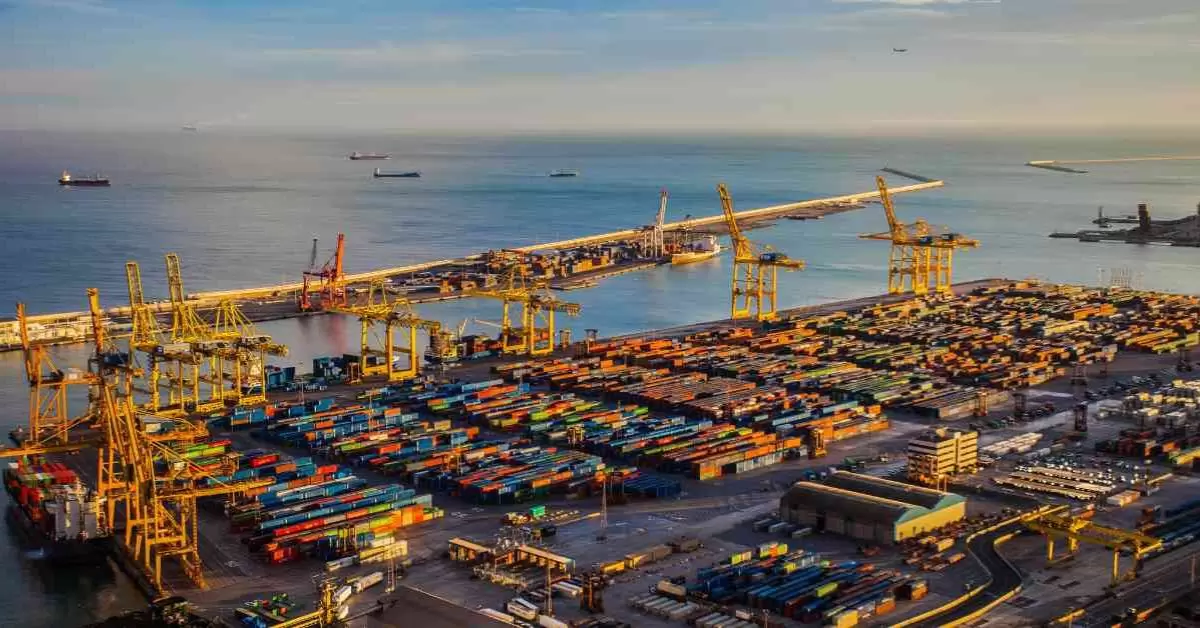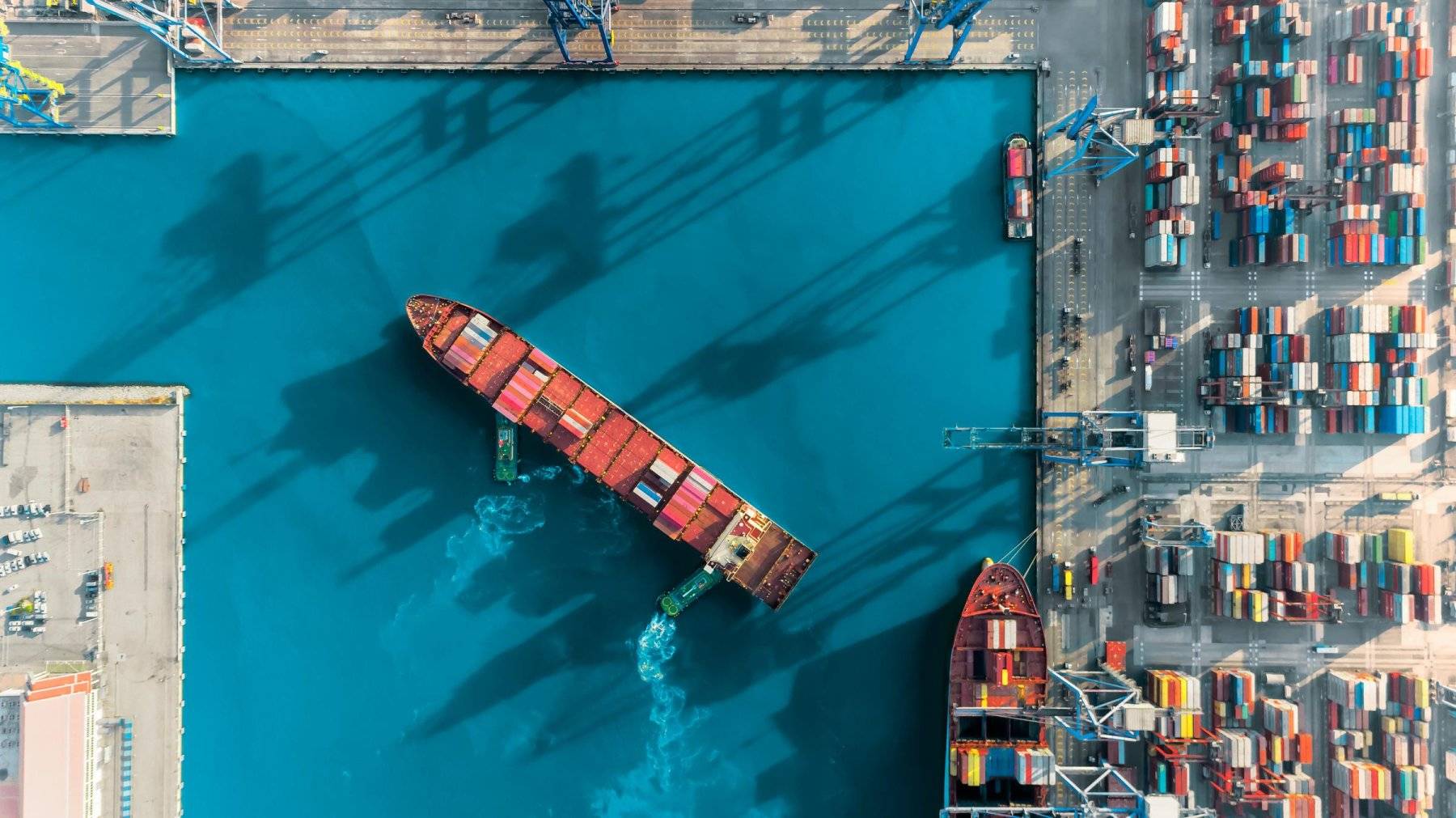
The National Port Authority (APN) of Peru highlighted the boost that the investments made are having on the growth of the Port Terminal of Paita.
According to the entity, within the framework of its modernization process, the facility — operated by Terminales Portuarios Euroandinos (TPE) and concessioned in 2009 for a period of 30 years — maintains a commitment to an economic injection exceeding USD 311 million, of which more than USD 290 million have already been executed, aimed at strengthening the efficiency, safety and competitiveness of the port, directly benefiting agro-exporters and the economic dynamism of the north of the country.
Among the main works and initiatives underway, the expansion of reefer racks (connection platforms for refrigerated containers), the approval of technical files for the acquisition of mobile cranes and the dredging of the maneuvering zone and the berthing area stand out. These actions will optimize maritime operations and respond to the sustained growth of port demand.
According to the APN, thanks to this strengthening process, the Port Terminal of Paita reached a historic record in 2025, exceeding 3 million 400 thousand tons of cargo moved, in addition to recording 414,639 TEU and the arrival of 669 vessels. Likewise, during the first quarter of 2026, the terminal moved 785,433 tons of cargo and 79,622 TEU, figures representing a growth of 11.4% and 11.8%, respectively, compared to the same period of the previous year.
Currently, the facility ranks first nationwide in the movement of refrigerated containers, driven mainly by agricultural and hydrobiological exports. Products such as grapes, blueberries, avocados, mangoes and coffee find in Paita an efficient and competitive platform to reach international markets, consolidating its strategic position within the national logistics chain.
In parallel to port growth, the APN highlighted infrastructure projects in education, health and sports, which have directly benefited more than 20 thousand inhabitants of the department.